

13 min 32 sec
Available in: English
Parenting Outside the Lines: Forget the Rules, Tap into Your Wisdom, and Connect with Your Child
By Meghan Leahy
Meghan Leahy shows parents how to end daily power struggles by dropping pointless rules, spotting their own part in conflicts, holding kind and firm boundaries, and repairing blowups with honest apologies.
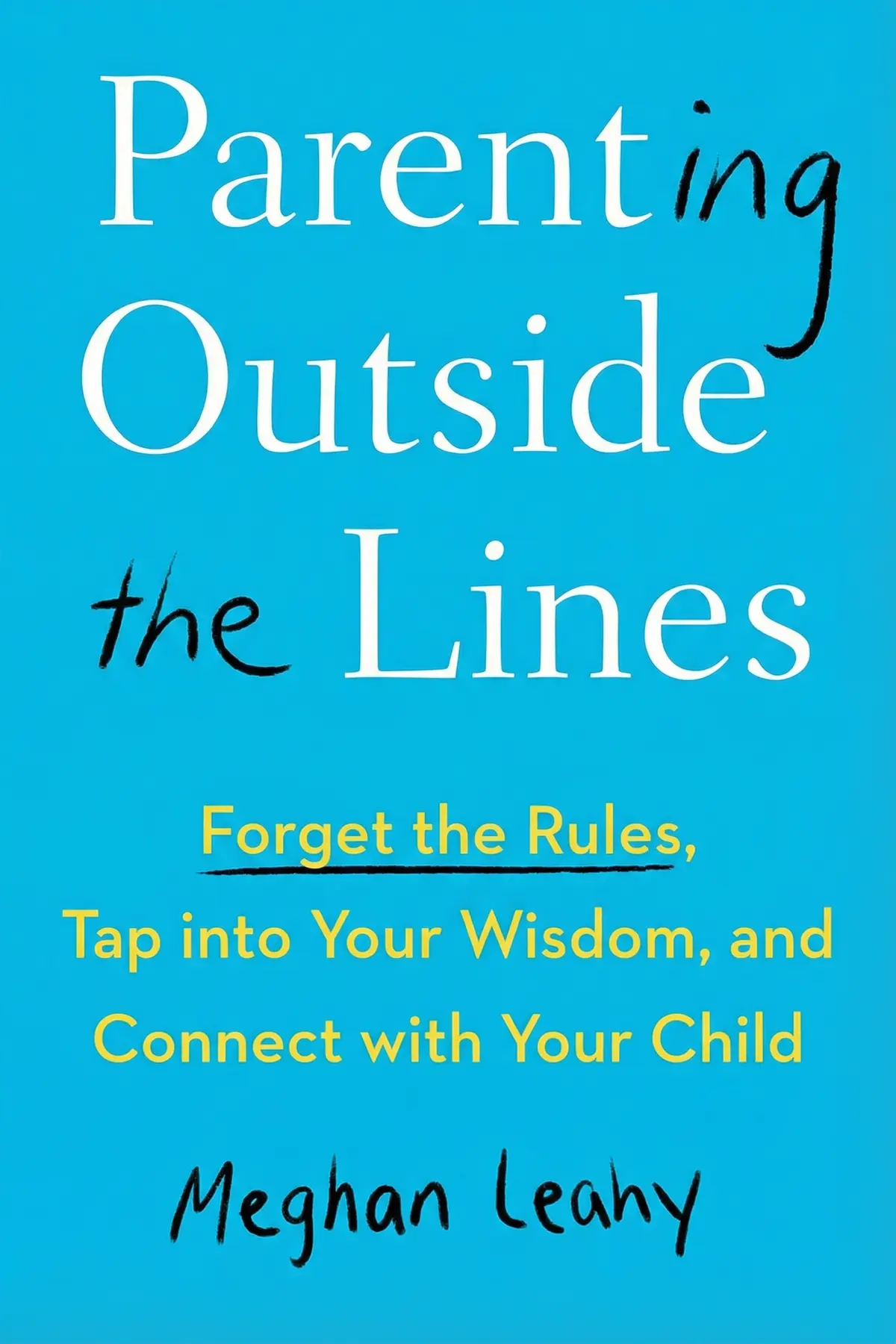
Table of Content
1. Introduction
55 sec
Most parents caught in daily battles over shoes, dinner and screens assume they need better rules. In Parenting Outside the Lines, parenting coach and Washington Post columnist Meghan Leahy argues that many of those rules were never needed, and that the fights they start cost you the closeness you actually want. Her own turning point came with a two-year-old who would not change out of her pajamas, and a counselor who asked why that mattered at all.
Leahy’s case is that a calmer home comes from paying attention, not from tighter control. Read the child in front of you, notice your own part in the conflict, lead with kindness and firmness, and repair the damage when you lose your temper. Each idea ahead is one piece of that shift. By the end, the hardest moment of your family’s day should look different, with at least one part of it you can change by tonight.
2. Drop the rules that only exist for onlookers
1 min 28 sec
A mother tried bribes, threats and force to get her toddler dressed, then hid in the bathroom. One question from a stranger on a hotline changed her mornings, and it had nothing to do with discipline.
3. Spot your part in the meltdown before it starts
1 min 32 sec
A full shopping cart left in the aisle, a screaming toddler, a parent sweating in the parking lot. Leahy traced that disaster back to a cause most parents never think to check.
4. Calmer siblings start with how you treat them
1 min 38 sec
Brothers and sisters fighting in the back seat seems like their problem alone. Leahy points to three habits many loving parents have, each one able to keep the fighting going without anyone noticing.
5. Put your phone down first and kids follow
1 min 40 sec
Parents hear constant warnings about children glued to screens. Leahy asks what you checked last thing at night and first thing this morning, and suggests the answer explains more whining than you think.
6. Love your kids without keeping score
1 min 45 sec
A healthy dinner Leahy cooked with care ended in whining, bribes and full plates left on the table. Her anger at the ungrateful faces turned out to be pointing at something bigger than salmon.
7. Say no kindly and hold your boundaries
1 min 45 sec
In some homes a small child decides the menu, the television and even who the parents may see. Leahy explains how families end up there, and why the child is not enjoying it either.
8. Repair a blowup with an apology that has no but
1 min 41 sec
Every parent yells sometimes, and many then try to make it right. Leahy explains why most of those apologies fail, and why waiting for your child to say sorry first gets things backward.
9. Conclusion
1 min 08 sec
Leahy’s book changes where a parent looks. In a hard moment the instinct is to look at the child and reach for a rule. She asks you to look at the whole scene, yourself included: the tiredness you missed before the supermarket, the rushed mornings, the phone in your hand, the salmon nobody asked for. Most of the conflicts she describes eased once she saw her own part and let go of control she never needed.
That does not mean letting children rule. The same attention that tells you to drop the pajama fight tells you when to hold a warm, firm no and let the tears come. There is no perfect way to do this, in Leahy’s view, and your instincts know more than any pile of parenting books.
Tomorrow, pick the moment of the day that goes wrong most often, ask what you bring to it, and change one small thing, like laying out breakfast the night before. When you do lose your temper, go back with an apology that has no but in it.
Her daughter wore pajamas to daycare, the morning power struggles ended, and Leahy actually began to have fun.
About this book
What is this book about?
Many parents spend their days in battles over clothes, dinner, screens and sibling fights, and assume the fix is a stricter rule or a cleverer technique. Parenting coach Meghan Leahy argues that a lot of those rules were never needed, and that the fights they cause eat up the connection parents actually want with their children. Her approach starts with attention. Leahy asks parents to read the child in front of them, to look honestly at how their own stress, phones and expectations feed a conflict, and to trust their instincts over a stack of parenting books. She draws on moments from her own family: a toddler who would only wear pajamas to daycare, a meltdown that ended with an abandoned shopping cart, and a salmon dinner nobody wanted. Readers get practical moves they can use at once: questions for deciding which rules matter, ways to calm rushed mornings and sibling rivalry, a polite habit for phone use around kids, a warm way to say no, and an apology that actually repairs the damage.
Book Information
Who it's for
Tired of power struggles
Parents of toddlers and young children worn out by daily power struggles over clothes, food and bedtime.
Parents of fighting siblings
Mothers and fathers whose children fight each other constantly and who suspect something in the family pattern is feeding it.
Hoping to yell less
Parents who yell more than they want to and need a simple way to repair the damage.
About the Author
Meghan Leahy
Meghan Leahy is a certified parenting coach who has written On Parenting, a column in The Washington Post, and has appeared on programs on NPR and ABC. She has appeared on programs for National Public Radio and ABC, and her work has been carried by a range of publications. Parenting Outside the Lines draws on her own experience raising children.
Ratings & Reviews
Ratings at a glance
What people think
Listeners find this parenting book to be an excellent source of balanced wisdom that encourages them to rely on their intuition and grasp their children's thought processes. It is consistently funny, offering both amusement and clarity while keeping a completely authentic and grounded feel. Listeners value the actionable tips, pragmatic strategy, and comforting style, with one listener highlighting the way it describes private challenges in a non-judgmental manner.
Top reviews
Kavya
This book felt like a deep breath during a very chaotic week of toddler tantrums and sleepless nights. Leahy has this incredible way of making you feel like you aren’t failing, even when your kitchen is a disaster and the kids are refusing to eat anything green. Truth is, most parenting guides feel like a list of chores, but this one focuses on the relationship and trusting your own internal compass. I loved the emphasis on moving away from a transactional mindset where every good deed requires a reward. It’s funny, poignant, and surprisingly practical for those of us who are tired of the expert advice that never works in real life. If you have younger kids and feel like you're constantly drowning in screen time guilt, please give this a read. It’s less about being a perfect parent and more about being a present human being.
Show moreHiroshi
Picked this up because I was tired of feeling judged by every gentle parenting influencer on my social media feed. Meghan Leahy is the exact opposite of that; she shares her own struggles with such honesty that you can’t help but laugh along with her. Look, we all know that kids imitate our worst behaviors, and this book doesn't shy away from reminding us to check our own tempers first. The advice isn't about being a doormat, but rather about de-escalating stressful situations by finding the underlying needs. I loved the parenting isn't transactional chapter because it challenged me to stop using stickers and treats as a primary motivator. It’s a refreshing, hilarious guide that reminds us that we are actually doing a good job even when it feels like we aren't.
Show moreRatchada
After hearing so many people rave about Leahy’s column, I finally dived into this book and I’m so glad I did. It is a fantastic source of balanced wisdom that doesn’t demand perfection from parents who are already stretched way too thin. The focus on understanding a child's mind rather than just controlling their behavior is something every new parent should hear early on. I’ve already recommended it to several friends because it’s such a great gift for anyone entering the elementary school years. There’s no judgment here, just a lot of reassurance and some very funny anecdotes that make you realize your kids aren't the only ones acting wild. This is easily one of the most relatable books I've encountered in years of reading about child development.
Show moreKet
Honestly, I needed this reminder to stop treating my relationship with my son like a series of transactions. We get so caught up in the if you do this, you get that cycle that we forget to actually connect on a human level. Meghan Leahy’s writing is just so down-to-earth and funny that it makes the medicine go down easier. She’s very open about her own lashing out and the importance of apologizing, which made me feel so much better about my own recent failures. The book is packed with perspective and encourages you to believe that you are doing good things even when the day ends in a meltdown. It’s a beautiful, realistic look at the messy reality of raising humans in the modern world.
Show moreA
I've read a lot of parenting books over the years, but this one stands out because it focuses so heavily on the parent's own growth. It’s not just about fixing the kid; it’s about being mindful of our own tech habits and how we model behavior for the next generation. The idea that kids mostly imitate what they see is a tough pill to swallow, but Leahy delivers it with such grace and humor. I’ve started implementing the small steps she suggests, like the family meetings, and the shift in our household energy has been noticeable. It’s a great guide for anyone who wants to move away from being the boss and toward being a leader. Definitely worth a spot on your nightstand if you're feeling burnt out by traditional discipline methods.
Show moreWyatt
Ever wonder why we try so hard to control every tiny aspect of our children’s lives instead of just connecting with them? Leahy tackles this head-on by suggesting we stop treating parenting like a business deal and start looking at the emotional patterns underneath the chaos. To be fair, some of the suggestions felt a bit basic if you’ve already read a dozen books in this genre, but her delivery is what makes it stick. The section on limiting your own tech use was a much-needed wake-up call for my own habits. I particularly appreciated the idea of holding family meetings to get everyone on the same page without it feeling like a lecture. While it’s definitely geared toward those with elementary-aged children or younger, the mindset shifts are universal enough to apply to almost any stage.
Show moreJirapat
Wow, this was a much better experience than the last few parenting manuals I’ve forced myself to finish lately. Instead of giving a rigid set of rules, Leahy encourages you to lean into your gut feelings and realize that you know your child better than any author does. I really appreciated the actionable advice on holding family meetings to introduce changes like healthier eating or reduced screen time. It makes the kids feel like they have a voice in the process, which genuinely helps with the power struggles. Not gonna lie, I was skeptical about the follow your heart stuff at first, but the way she frames it within the context of emotional connection makes a lot of sense. It’s a light, easy read that manages to provide a significant mindset shift without being heavy-handed.
Show moreDavid
The chapter on identifying underlying patterns when kids act out was a complete game-changer for my morning routine. Instead of just reacting to the screaming, I’m finally starting to see the triggers and finding ways to be proactive rather than just defensive. To be frank, the book can feel a bit repetitive in the middle chapters, but the core message is strong enough to carry it through. I appreciate how the author highlights that lasting change happens gradually and that we should start with small, manageable steps. It's a very realistic approach for busy families who don't have time for a total household overhaul in a single weekend. The tone is like chatting with a wise friend over coffee, which is exactly what I needed this month.
Show moreGung
As someone who is constantly looking for the gold standard of advice, I found this to be a bit of a mixed bag. The writing is incredibly kind and the tone is down-to-earth, but many of the strategies felt tailored specifically for a very specific demographic. Personally, I think the advice to follow your heart can be a little too vague when you’re dealing with actual behavioral issues that require a concrete plan. I did find the bit about apologizing to your children when you lash out to be very valid and moving. However, some of the larger concepts felt a bit rudimentary for seasoned parents who have already moved past the instinct phase. It’s a great introductory text for a new mom with a ten-month-old, but might not offer enough meat for those with older, more complex kids.
Show morePhichai
Not what I expected at all based on the glowing reviews, and I found it to be one of the more unhelpful books on my shelf. While I appreciate the kind tone, the actual strategies felt far too follow your heart for my personal parenting style. I prefer a more structured, reformed approach where there are clear consequences and boundaries, rather than just hoping my instincts are right. It felt like the book was saying don't let your kids run the show, but then provided very few tools for when they inevitably try to do exactly that. Much of the advice seemed geared toward a very specific type of first-world household where the biggest struggle is tech use. Got to say, I think more clinical books provide much more practical value for everyday discipline.
Show moreQuestions about this book
What is the main idea of Parenting Outside the Lines?
Meghan Leahy argues that parents get calmer, closer families by dropping rules that serve only appearances and putting connection ahead of control. She asks parents to read their actual child, notice their own role in recurring conflicts, hold kind but firm boundaries, and repair mistakes with sincere apologies. In her view there is no perfect way to parent, and your own instincts are a better guide than a stack of parenting books.
How does Meghan Leahy suggest handling toddler tantrums?
Leahy suggests looking at what came before the tantrum. Her daughter’s supermarket meltdown happened because the child was already exhausted and Leahy pushed on with her errand anyway. Watch your child’s signals, accept what a two-year-old can manage, and change the plan when needed. When a boundary does matter, say no warmly, name the disappointment and let the child be upset, since that builds resilience.
What does the book say about sibling fighting?
Leahy treats sibling fighting as normal but says parents often make it worse. She asks parents to check three things: whether fighting is the easiest way for children to get attention, whether one child is favored, labeled the troublemaker or compared with a sibling, and whether the parent either overreacts with blame and punishment or avoids stepping in at all. Sometimes a loud, firm order to stop is what children need.
How should parents apologize to their children, according to Leahy?
A real apology, Leahy says, has no but in it. Saying you are sorry the child is upset while blaming them for provoking you shifts responsibility and does not repair anything. Instead, own what you did, for example by admitting that yelling was out of line, then move on without heavy guilt. Do not wait for your child to apologize first, because the adult has to lead.
How can I cut my child's screen time using this book?
Leahy says to start with your own phone. Distracted attention unsettles children and drives whining and acting out. Set phone times and phone-free times, and when you must use it around your kids, say aloud that you need to send a message and will be right back. Then agree on household rules for when anyone may be online, ideally through a family meeting, and follow them yourself.
Readers also enjoyed



AUDIO SUMMARY AVAILABLE
Listen to Parenting Outside the Lines in 15 minutes
Get the key ideas from Parenting Outside the Lines by Meghan Leahy, plus 5,000+ more nonfiction titles.
- 5,000+ titles
- Listen as much as you want
- 7-day free trial
- Cancel anytime









