

14 min 14 sec
Available in: English
Ottolenghi Flavor: A Cookbook
A practical guide to making vegetables taste bold. It covers four ways to build flavor, from charring to aging, shows how to balance sweetness, fat, acidity and chili heat, and explains why choosing good produce matters.
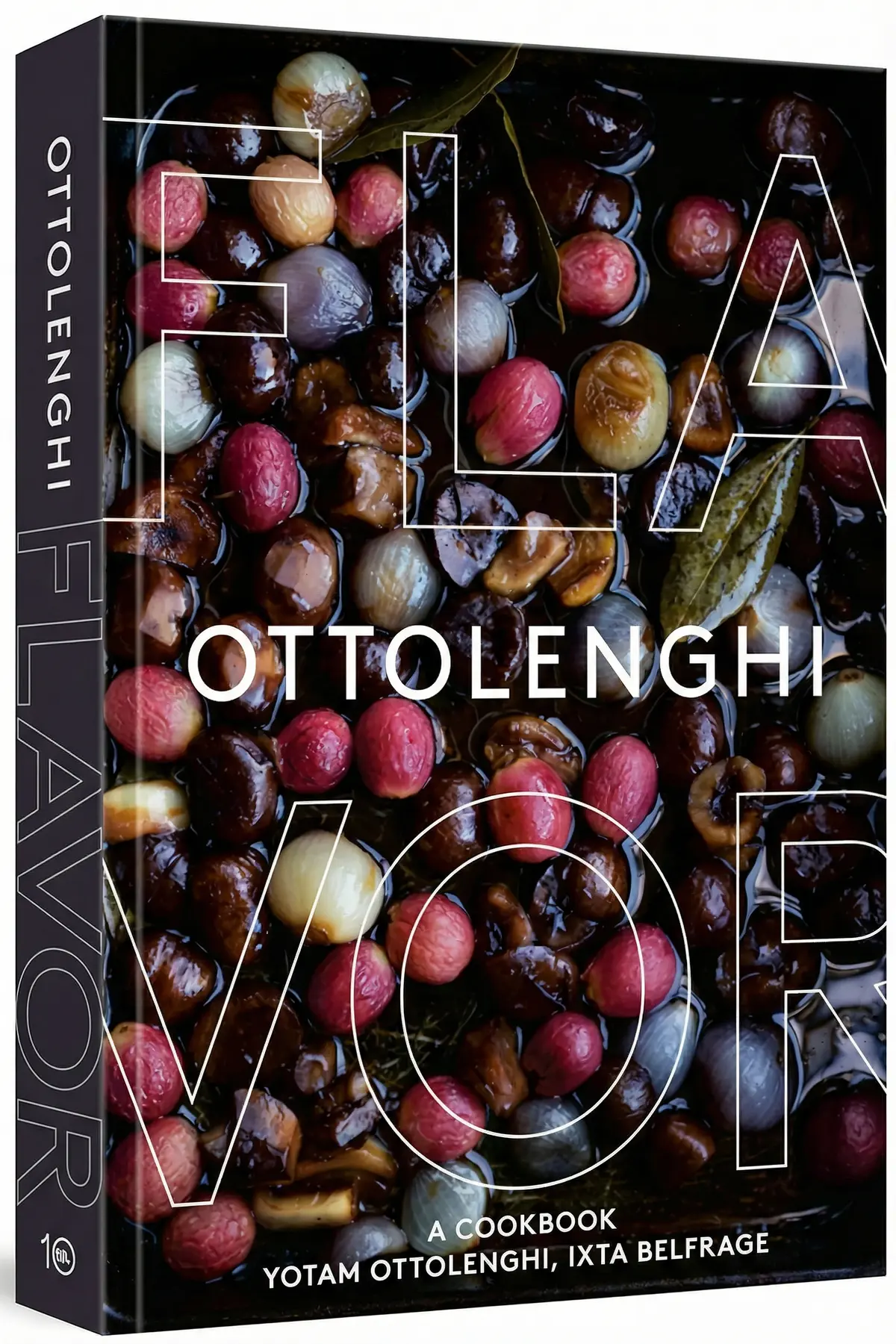
Table of Content
1. Introduction
1 min 00 sec
If your vegetables taste the same every night, another packet of seasoning will not fix them. In Ottolenghi Flavor, chefs Yotam Ottolenghi and Ixta Belfrage show that a humble vegetable becomes exciting through what you do to it and what you set beside it: a broccoli floret scorched in a hot pan, a sweet squash paired with salty miso.
Their cookbook is a tool kit for plant-based cooking, and it rests on three levers. The first is process, the heat, steeping and time that change how an ingredient tastes. The second is pairing, so that sweetness, fat, acidity and chili heat each make the others clearer. The third is the produce itself, which carries more flavor than many of us were raised to believe. Learn those levers and any vegetable in your kitchen, from a lumpy celeriac to a handful of runner beans, becomes something you know how to make delicious.
2. Char vegetables for sweet, smoky depth
1 min 43 sec
A blackened potato pulled from a holiday bonfire set the direction for a famous chef’s career. The same quick blast of high heat can turn ordinary beans and peaches into a sweet, smoky salad.
3. Turn tough root vegetables into golden steaks
1 min 51 sec
Most cooks walk straight past the strange, knobbly roots at the market. Given enough time in the oven, one of them produces its own caramel, and another becomes a steak with a curry crust.
4. Steep garlic and herbs into oil like tea
1 min 37 sec
You already use one of the cheapest flavor methods in any kitchen every morning without thinking about it. Applied to oil, soup and even mayonnaise, it makes familiar food taste surprising.
5. Small amounts of aged food add deep flavor
1 min 40 sec
Long before refrigerators, people’s struggle to keep food from rotting produced some of the strongest flavors we know. Used with restraint, they can turn a tray of Brussels sprouts into a festive centerpiece.
6. Make sweet food shine with salt, sour and bitter
1 min 46 sec
Adding more sugar rarely makes a dish taste sweeter in a satisfying way. A Mexican flan with a hidden chili and a squash glazed with miso show what works better.
7. Cut through richness with acid and chili heat
2 min 02 sec
Butter, cheese and cream make food satisfying, and also make it heavy. A yogurt pasta sauce, a black lime sauce with tofu and a Thai nam jim sauce show how to keep rich dishes lively.
8. Let good vegetables lead the dish
1 min 30 sec
Two mushrooms of the same kind can taste different depending on which tree they grew under. Paying attention to where flavor starts changes how you shop and what you cook first.
9. Conclusion
1 min 05 sec
What Ottolenghi and Belfrage offer is a new way of looking at a vegetable. A celeriac stops being an awkward root and becomes a few hours of slow browning away from caramel. A peach becomes half of a smoky salad. A parmesan rind or a jar of miso becomes a shortcut to depth. Good cooking, in their telling, comes from three choices made together: buy produce with real flavor, use the method that brings it out, then balance the plate so sweet, rich, sour and hot each make the others clearer.
You can test it with what is already in your kitchen. Char one vegetable you would normally boil. Keep a small jar of garlic oil by the stove. When a dish tastes flat, reach for acid, salt or bitterness before sugar or another packet.
The authors leave one last tip for the evening when guests arrive and dinner is far from ready: fry an onion. The smell fills the room, appetites rise, and everyone assumes the feast is well underway. Flavor, after all, begins in the nose.
About this book
What is this book about?
Many home cooks season vegetables the same way every night, or reach for a packet of artificial flavor, and then wonder why the food tastes flat. Yotam Ottolenghi, known for bold cooking that puts vegetables at the center of the plate, teamed up with chef Ixta Belfrage to build a tool kit for plant-based flavor. Their approach rests on three levers. The first is process. Charring, browning, infusing and aging each change how an ingredient tastes, from a bonfire-cooked potato to a celeriac roasted whole until it oozes caramel. The second is pairing. Sweetness, fat, acidity and chili heat work best when they push against each other, the way salty miso sharpens maple-glazed squash or a pickled onion lifts a rich black lime sauce. The third is the produce itself. A vine-ripened tomato or a mushroom that tastes of the tree it grew under brings flavor before any cooking starts. Readers get a way of looking at any vegetable and deciding how to make it taste of more, supported by recipes that show each idea at work.
Book Information
Who it's for
Cooks wanting bolder vegetables
Home cooks who season vegetables the same way every night and want bolder results.
Finding plant meals flat
Vegetarians and people eating more plants who find their meals flat or repetitive.
Curious why dishes work
Curious cooks who want to understand why a dish works, not just follow a recipe.
About the Author
Yotam Ottolenghi
Yotam Ottolenghi was born in Jerusalem in 1968 and moved to London in 1997, where he started as an assistant pastry chef before building his own group of restaurants and food shops with Sami Tamimi. He has written a Guardian column since 2006, and his cookbooks Jerusalem and NOPI won James Beard Awards. Ixta Belfrage spent five years at the Ottolenghi Test Kitchen and cooks from her roots in Brazil, Italy and Mexico. Her solo cookbook, MEZCLA, was nominated for both Fortnum and Mason and James Beard awards.
Ratings & Reviews
Ratings at a glance
What people think
Listeners find the instructions within this cookbook easy to follow and detailed, with one listener calling attention to the walkthrough of diverse culinary techniques like charring. The work also earns accolades for its aesthetic appeal, excellent imagery, and its knack for bringing innovative ingredients to listeners. Additionally, listeners value the depth of knowledge shared, with one listener specifically mentioning the section on menu planning and festive gatherings, while observing that recipes are accessible and fast to complete.
Top reviews
Anong
This book is a masterclass in modern vegetable cooking that completely reframes how you look at the produce aisle. By organizing the chapters into Process, Pairing, and Produce, Ottolenghi and Belfrage provide a logical framework for understanding why certain techniques work. The instructions are incredibly clear, making even the more complex-sounding methods like charring and infusing feel achievable for a curious home cook. Truth is, the 'Flavor Bombs' section alone is worth the price of admission because those condiments can elevate even the simplest midweek grain bowl. While some ingredients require a trip to a specialty grocer, the results are always high-impact and visually stunning. I especially loved the whole roasted celery root, which transformed a humble root vegetable into a centerpiece-worthy dish. It is a dense, informative read that feels like a culinary textbook but looks like a piece of art.
Show moreAstrid
Ever wonder how professional chefs coax such intense, savory notes out of simple greens? This cookbook reveals those secrets through a deep dive into browning, aging, and acidity. The photography is breathtaking, featuring vibrant colors that make you want to cook everything immediately, though I'd suggest starting with the meal suggestions and feast menus in the back. Not gonna lie, some of these recipes involve multiple steps and several dirty pans, so they aren't all 'quick' in the traditional sense. However, the depth of flavor you achieve with things like the Ultimate Roasting-Pan Ragu is unparalleled in the world of plant-based cooking. It is a brilliant addition to any kitchen shelf, particularly if you want to move beyond basic roasting. Every page feels like an invitation to experiment with new textures and bold, spicy combinations.
Show moreEarn
As a long-time vegetarian, I found this to be a refreshing departure from the standard grain-and-bean cookbooks that dominate the market. The focus on 45 strictly vegan recipes is fantastic, and many others can be easily adapted without losing their soul. To be fair, you will need a well-stocked pantry of spices and oils, but the book does an excellent job of introducing these exciting ingredients. I was particularly impressed by the chapter on 'Process' which explains how charring vegetables can unlock hidden sweetness and umami. The instructions are well-explained and the quality of information is top-tier, making it feel like a gift for anyone serious about their vegetables. It has quickly become my go-to guide for making produce the star of the show. I can't wait to work my way through every single recipe in the 'Produce' section.
Show moreTee
Finally got around to trying the whole roasted celery root, and it was a revelation for our Saturday night dinner. After hearing so many glowing reviews, I was worried it wouldn't live up to the hype, but the flavor profiles are truly sophisticated. The book is organized beautifully, and the introduction to different cooking methods like infusing and browning is very educational. I love that there is an interactive companion element, which makes it easier to check ingredients while I'm out shopping. Each dish feels like an event, with gorgeous platings that are sure to impress any guest. For those who love bold tastes and are willing to put in the work, this is a must-have. It’s a vegetable-forward journey that never feels like it's lacking in richness or complexity. Truly a brilliant piece of work by Ottolenghi and Belfrage.
Show moreZoey
Look, if you're bored with your usual roasting routine, you need to dive into the sections on infusing and aging in this book. It’s a very informative cookbook that explains the 'why' behind the flavor, which has actually improved my cooking across the board. The recipes are not overly complicated once you have the right ingredients, and many are surprisingly quick to put together if you do the prep in advance. I particularly liked the meal suggestions and the way the authors suggest pairing different dishes to create a cohesive feast. The vegan options are plentiful and don't feel like an afterthought, which is a huge plus for me. The 'Flavor Bombs' are now staples in my fridge, especially the infused oils that add so much depth to simple pastas. It is an ambitious, beautiful, and ultimately successful exploration of what makes food taste great.
Show moreRoongsak
After hearing so much about Ottolenghi’s previous books, I decided to start my collection with Flavor and I am hooked. The focus on plant-based ingredients is handled with such imagination and talent that you don't even miss the meat. Each recipe I've tried has been delicious and the instructions are so well-explained that I never felt lost during the process. It’s a very high-quality production with nice photos for every single dish, which is something I always look for in a cookbook. Some recipes take time to build flavor, but the results are always worth the wait and the extra effort. I’ve discovered so many exciting new ingredients through these pages, and my spice cabinet has never looked better. This is definitely a book for people who love the art of cooking and want to expand their culinary horizons.
Show moreOscar
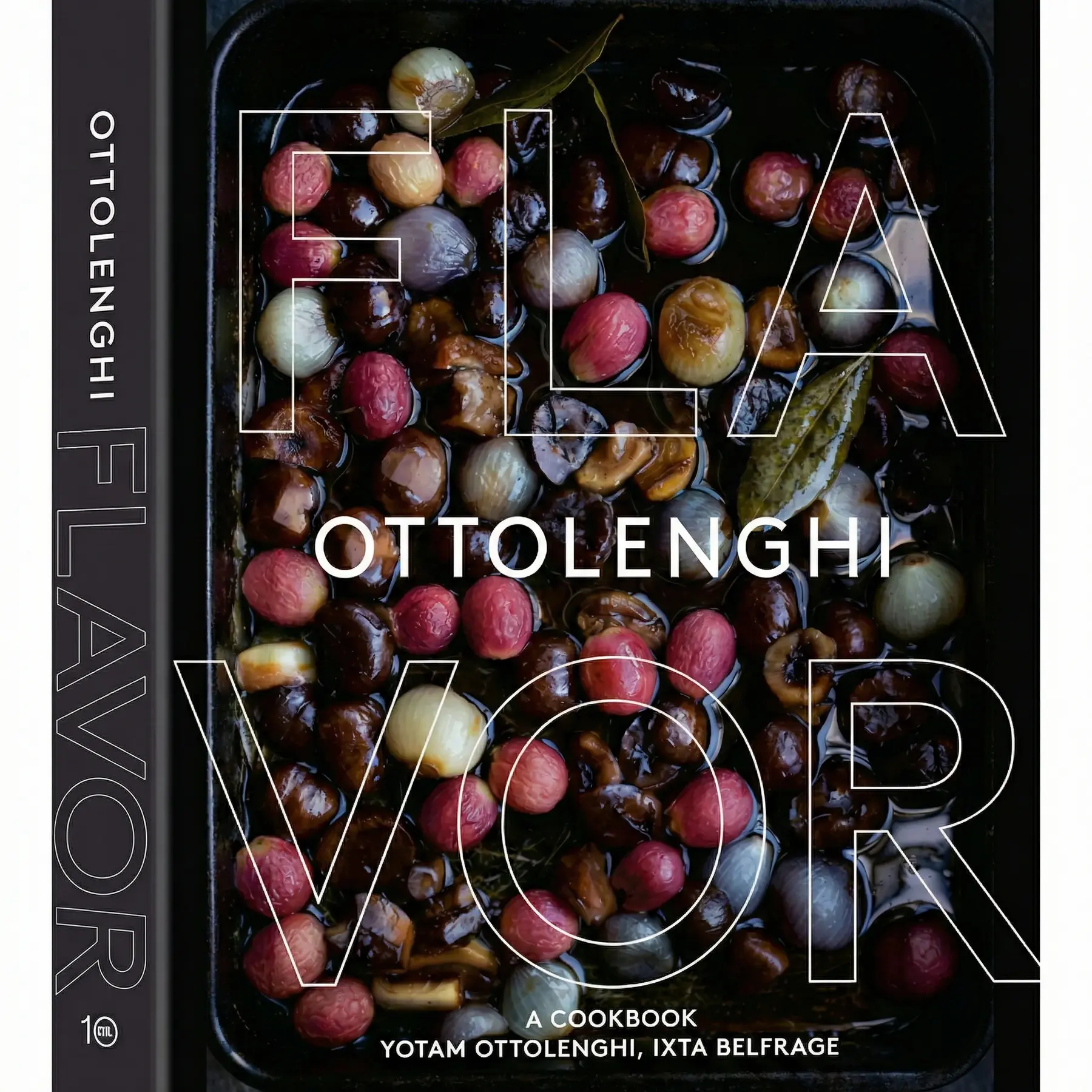
Picked this up after seeing the stunning cover art at a local bookstore and I haven't been disappointed. The recipes are distinct and creative, though they definitely lean toward the fancy and finicky side of things. If you have the time to track down black limes or specific chilies, the payoff is immense. Personally, I found the section on 'Pairing' to be the most useful because it explains the science of balancing fat and heat so well. My only minor complaint is that the binding feels a bit delicate for a book that is destined to be used heavily in a messy kitchen. Despite that, the flavor profiles are so unique that I find myself reaching for it every time I host a dinner party. It is not necessarily for the 'thirty-minutes-or-less' crowd, but it is deeply rewarding for those who love the process of cooking.
Show morePornpimon
Wow, the Roasting-Pan Ragu is an absolute game-changer for my Sunday meal prep routines. This book is gorgeous and the recipes are clearly written, though the ingredient lists can be intimidatingly long at first glance. Franky, it’s a bit of a departure from the 'low-effort' promise for a few dishes, as many require over an hour of active or passive time. You really have to enjoy the ritual of cooking to get the most out of this volume. I appreciated the specific tips on substitutions for some of the more exotic items like the dried limes or specific fermented pastes. The flavor combinations are daring and often include a spicy kick, which might not suit everyone's palate but works perfectly for me. It is a solid 4-star book that earns its place on the shelf through sheer creativity and beauty.
Show moreSatit
The chapter on produce is fascinating, but I have to admit the 'low-effort' label feels a bit misleading for an average home chef. While the photography is lovely and the paper quality is high, I found many of the recipes to be overly fussy for daily use. Many dishes require multiple pans and specialized ingredients that I simply cannot find at my local grocery store without a long drive. In my experience, this is more of a 'weekend project' cookbook than a practical guide for busy families with kids. There is a lot of text to digest, making it feel more like a textbook than a collection of recipes. It’s certainly a beautiful object to have on your coffee table, but I’ve only found a handful of recipes that I’d actually make again. If you enjoy complex, multi-step processes, you will likely rate this higher than I did.
Show moreJames
To be fair, the photography is absolutely breathtaking and the paper quality feels very premium in your hands. However, I found the actual recipes to be totally impractical for someone living in a rural area with limited shopping options. The ingredient lists are incredibly long and often feature items like black limes or specific hibiscuses that are impossible to find here. I spent a lot of money on this book expecting 'high-impact' simple dishes, but instead found myself looking at complex instructions that take hours to complete. Most recipes are heavily focused on garlic and spicy peppers, which just doesn't work for my digestion or my family's preferences. It feels like this was written for professional chefs or people with unlimited time and access to specialty markets. Into the donate pile it goes.
Show moreQuestions about this book
What is Ottolenghi Flavor about?
Yotam Ottolenghi and Ixta Belfrage offer a tool kit for making vegetables taste bold. They group their ideas into three areas: cooking methods that build flavor, such as charring, browning, infusing and aging; pairing, which means balancing sweetness, fat, acidity and chili heat; and the produce itself, since good vegetables bring flavor before any cooking starts. The recipes, from roasted whole celeriac to a black lime and tofu dish, show each idea in practice.
What is the difference between charring and browning vegetables?
Charring uses intense heat so the outside of a vegetable actually burns, releasing smoke and adding a smoky layer, as in Ottolenghi’s charred broccoli or grilled runner beans. Browning heats food above the boiling point until it turns golden and stops before burning. It makes a vegetable taste more strongly of itself, which is why a celeriac roasted whole for about two and a half hours turns sweet and caramel-like.
How do you balance flavors according to Ottolenghi?
The authors pair each taste with a contrast. Sweetness shines against salt, sourness or bitterness, as in squash glazed with maple syrup and white miso, or a flan served with tart tangerine syrup. Fat needs acidity, which is why yogurt, with its natural tang, makes a light pasta sauce. Chili heat also cuts through creaminess. When a dish tastes flat, add the missing contrast before adding more of what is already there.
What is an easy way to start using the ideas in Ottolenghi Flavor?
Make an infused oil. Simmer about 200 milliliters of olive oil with ten garlic cloves, rosemary, thyme and a little green chili for around half an hour, let it rest covered, then strain. Use it on hummus, white bean mash or soup. Another quick start is a smoky salsa made by charring two mild chilies and blending them with tomatoes, vinegar and salt.
Who should read Ottolenghi Flavor?
It suits home cooks stuck in a flavor rut, people eating more vegetables who find their meals repetitive, and anyone who wants to understand why certain combinations work. It explains methods and principles rather than only listing recipes, so readers can apply the ideas to whatever vegetables they have, from a whole cauliflower to a handful of mushrooms.
Readers also enjoyed









AUDIO SUMMARY AVAILABLE
Listen to Ottolenghi Flavor in 15 minutes
Get the key ideas from Ottolenghi Flavor by Yotam Ottolenghi, plus 5,000+ more nonfiction titles.
- 5,000+ titles
- Listen as much as you want
- 7-day free trial
- Cancel anytime









