

A Theory of Justice
John Rawls
 English
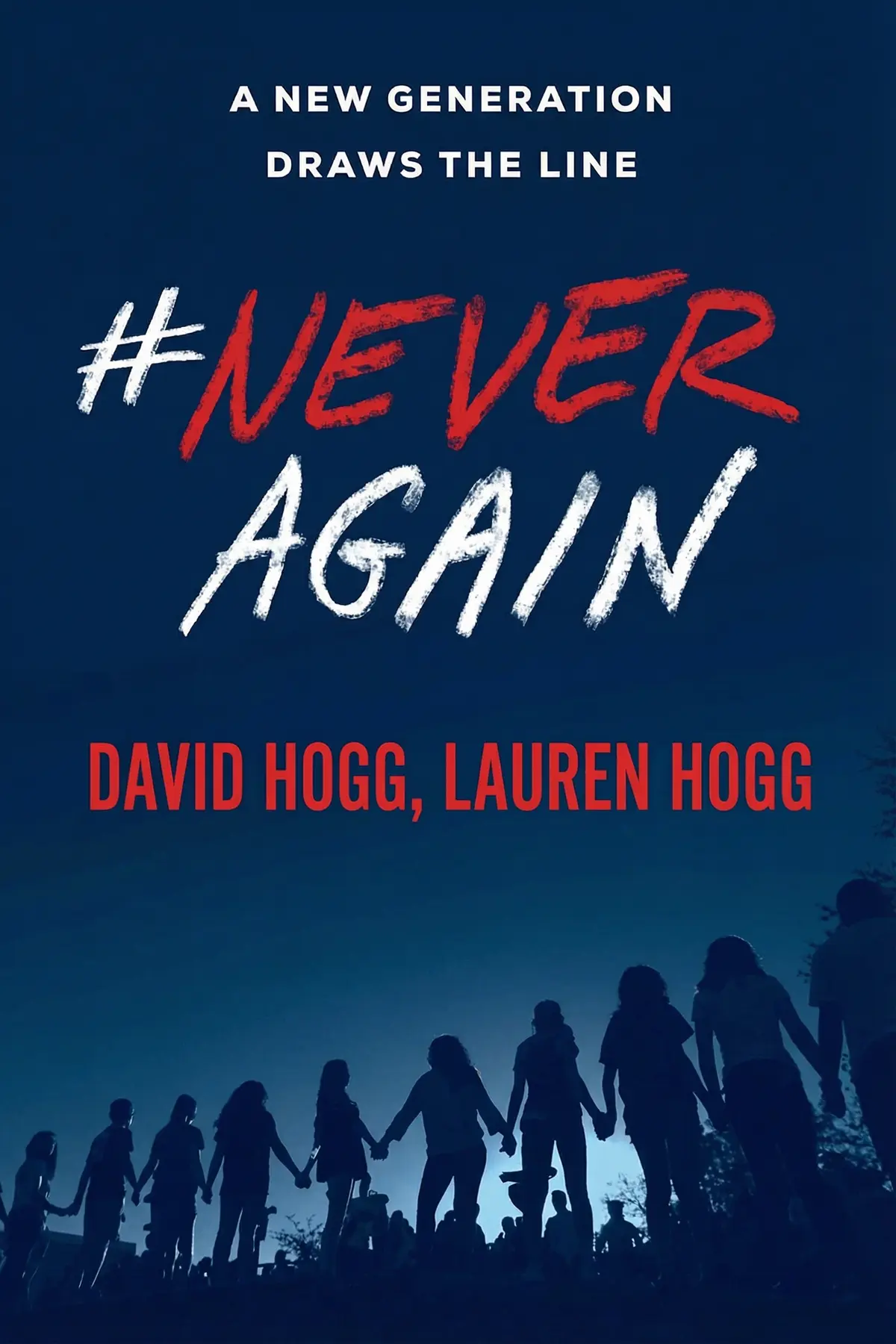
Two survivors of the Parkland shooting tell how a group of teenagers turned grief into a national movement. They used what they knew about media and politics to fight back and set out ten concrete demands.
1 min 06 sec
Most people see a mass shooting on the news, feel sick for a week and move on, sure that nothing they do could change what happens next. In #NeverAgain, siblings David and Lauren Hogg lived through the 2018 attack at their Parkland, Florida, school, Marjory Stoneman Douglas High, and they show how a group of teenagers broke that pattern within days. They start from a grim count. Since Columbine in 1999, there had been 47 similar school shootings in the United States, and each followed the same script: grief, a short argument about guns, warnings against politicizing a tragedy, then silence.
The Parkland students refused the script. The Hoggs argue that preparation made the difference as much as anger did. Over years, the students had learned how news cycles, social media and politics actually work. Their story shows how ordinary people, teenagers included, can use what they know about a system to put pressure on it. It also shows what a clear set of demands looks like.
2 min 04 sec
The students had practiced for this moment so often that many thought the alarm was a prank. That same practice, the Hoggs suggest, explains why this generation refused to let the story end the usual way.
1 min 49 sec
Two kids wrapping supermarket cookies for holiday crowds, and a father, a former FBI agent, cleaning his gun. Small scenes from a California childhood ended up shaping how the siblings would respond years later.
2 min 09 sec
A video filmed while visiting friends in California showed a teenager what one clip could do. Classes in debate and TV production taught him the rest, long before he knew he would need it.
1 min 58 sec
Lauren lost four friends in one afternoon, then watched strangers online call her brother a fraud. Her answer came in two short sentences and one pointed message to the most visible woman in the country.
2 min 06 sec
A TV host mocked a teenage survivor, and soon her advertisers had pulled out and she had apologized publicly. In these fights, publishing a list of names proved remarkably effective.
2 min 03 sec
Hundreds of thousands of people marched, and public opinion shifted in ways not seen for decades. The students still called it not enough, and what they wrote down next is the part that lasts.
1 min 13 sec
The Parkland story is often told as a burst of teenage fury. The Hoggs tell it as an education paying off. Selling cookies under Christmas lights taught them initiative. TV production taught them how news cycles rise and fade. A government class gave them the arguments about guns. When the worst day came, those lessons let grieving students say what they wanted, answer the people attacking them and go after the money behind their opponents, all within weeks.
The book supports a few habits for anyone pushing for change, at work or in public life. Learn how attention moves before you need it. When you push back, aim at a specific, visible pressure point, the way David named advertisers instead of trading insults with a TV host. Then write your goals down as concrete demands that others can sign onto, measure and vote for, because outrage fades with the news cycle and a written list does not.
Behind every demand are names: Gina, Jamie, Alaina, Alyssa. The students born after Columbine had rehearsed for that day their whole lives. What they would no longer rehearse was forgetting.
After a school shooting in the United States, the country usually grieves, argues briefly about guns, is told not to politicize a tragedy, and then forgets. A former student opened fire on February 14, 2018, and killed 17 people at the Parkland, Florida, campus of Marjory Stoneman Douglas High. This time the students refused to let the story fade. Siblings David and Lauren Hogg were both inside the school that day. In #NeverAgain they tell how they and their classmates went from hiding in classrooms to leading March for Our Lives. Their account goes back to a California childhood of selling cookies to holiday crowds and watching their father, a former FBI agent, clean his gun. It runs through school classes in debate, TV production and government that taught them how news cycles and gun politics work. It also covers the online fights that pushed sponsors away from the NRA and from a TV host who mocked David. Readers see how a grieving group of students named its goals, absorbed conspiracy theories and threats, and drew hundreds of thousands into the streets. The book ends with the ten specific demands they still want met.
Students and young people who feel powerless about public problems and want to see how peers organized.
Teachers and youth leaders interested in how media and civics classes prepare students to act.
Readers following the gun debate who want the Parkland survivors' own account and demands.
David Hogg, born in 2000, survived the 2018 shooting at Marjory Stoneman Douglas High School and became one of the twenty founders of the student-led group Never Again MSD. He helped lead marches, protests and boycotts through March for Our Lives and was named to the TIME 100 list in 2018. His sister Lauren Hogg, born in 2003, also survived the attack and co-founded March for Our Lives. Their book reached The New York Times Best Seller list, and they pledged all income from it to charity.

Listeners find this work gripping and easy to follow, noting the high quality of the writing style. This account is both educational and candid, with one listener highlighting how it tells the story from the youth point of view. Furthermore, listeners value the book’s strategy for gun violence prevention, with one review praising its specific proposals to address the epidemic. It is considered a wonderful gift for young adults due to its age-appropriate content and is widely seen as inspiring, with one listener mentioning it gives hope for the future.
I honestly wasn't sure what to expect going into this, but I found it deeply moving. The way David and Lauren trade off chapters gives such a complete picture of that horrific day and the chaos that followed. Lauren’s voice really stands out to me; her grief over losing four close friends is just gut-wrenching to read. It’s more than just a political manifesto. It’s a story about two kids who were forced to grow up way too fast. I appreciated that they didn’t shy away from their own privilege either, acknowledging how their background gave them a platform others don't get. The 10-point strategy at the end is actually very logical and easy to follow. It gave me a lot of hope for the future of activism in this country. Definitely a quick but heavy read that everyone should pick up.
Show moreReading this book gave me so much hope. In a time when politics feels so stagnant, seeing these kids take their trauma and turn it into a worldwide movement is nothing short of inspiring. David Hogg gets a lot of flak in the media, but in this book, you see a much more reflective side of him. He’s analytical and focused. Lauren provides the emotional core, and her chapters actually made me cry a few times. They don't just complain; they offer specific, common-sense proposals to address gun violence. It’s a short read, maybe a couple of hours, but the impact stays with you. It’s honest, raw, and incredibly brave. The kids really are alright, and they’re leading the way while the adults are still arguing.
Show morePowerful. That’s the one word I keep coming back to. This isn't just a book about a tragedy; it’s a manual for how to turn grief into power. David and Lauren are so articulate for their age. I was especially struck by the section where they talked about their teachers and how their education prepared them to be activists. It’s a testament to the school system they grew up in. They’re honest about the fact that they’re just kids trying to figure things out on the fly. I think every high school student in America should read this. It’s informative, easy to read, and carries a weight that most adult-written political books lack. They’ve managed to capture the zeitgeist of a generation that is tired of 'thoughts and prayers' and ready for actual change.
Show moreThis was a tough read but so necessary. Lauren’s account of losing her friends is absolutely heart-breaking. It brings the reality of school shootings home in a way that news reports just can’t. I really liked how the book wasn't just about the shooting itself, but about the aftermath and the birth of a movement. The way they used social media to bypass traditional gatekeepers is fascinating. It’s a very modern story. Some might find the tone a bit defiant or aggressive, but given what they’ve been through, I think they’ve earned the right to be angry. The 10-point strategy is a great addition and shows they’ve really put the work in to understand the policy side of things. Highly recommend if you want to understand the heart of the #NeverAgain movement.
Show moreThis is an incredibly important piece of contemporary history. The writing isn't Pulitzer-winning—it's very straightforward and conversational—but that’s what makes it feel real. It sounds like two teenagers talking to you. I personally found the sections about their experience during the shooting to be the most impactful, especially the way they describe the sensory details. It’s chilling. They also include a massive list of shooting victims since Columbine at the end, which is a somber reminder of why they’re doing this. I did feel like David and Lauren’s voices blended together a bit too much at times, making it hard to remember who was narrating, but the message remains clear. It’s a call to action that feels both desperate and calculated. A great gift for any young adult interested in social justice.
Show moreI listened to the audiobook version of this and the siblings did a fantastic job narrating. You can really hear the emotion in Lauren’s voice when she talks about her friends. It makes the statistics feel much more human. The book does a good job of explaining how the March for Our Lives movement started in a living room and exploded overnight. I was particularly interested in the '10-point plan' they laid out for gun reform. Even if you don't agree with every single point, it's hard to argue with their passion and their right to be heard. It's a very 'youth-centric' book, which is its greatest strength. It shows that you don't have to wait for permission to try and change the world. It lost a star for me just because some of the early chapters felt a bit like filler.
Show moreA very quick, punchy read. It’s basically a manifesto for the Gen Z activist. I liked the dual perspective, though I’ll admit David’s sections felt a bit more like 'branding' than Lauren’s. Lauren’s chapters felt more grounded in the reality of the trauma. To be fair, they complement each other well. One thing I appreciated was the honesty about their community and the support they received from their parents. It’s a very American story in a lot of ways. It doesn't get too bogged down in legal jargon, which makes it very accessible for younger readers. While it might feel a bit 'activism-lite' to some, the emotional honesty carries it through. It’s a solid 4 stars for its importance and its raw energy.
Show moreI finished this in one sitting. It's not a long book, but it's very dense with emotion and purpose. I think my favorite part was the focus on the 'common-sense' aspect of their goals. They aren't trying to abolish the 2nd amendment; they're trying to keep kids from getting killed in math class. The way they handle the criticism they’ve received is also quite mature. I did find some of the childhood stories a bit unnecessary, but I guess they wanted to show they were just normal kids before everything changed. It’s a compelling look into the lives of two survivors who refused to be silent. It’s inspiring, even if the writing is a little unrefined at times. Definitely worth the read for the perspective alone.
Show moreI have mixed feelings about #NeverAgain. On one hand, the story of the Parkland shooting is something that needs to be told from the perspective of those who were there. The pathos is definitely there. On the other hand, the book feels a bit rushed and disorganized. It jumps from childhood anecdotes to heavy political theory without much of a transition. I also felt that some of the dialogue they recalled from the day of the shooting felt a bit... scripted? Like they were adding details in hindsight to fit a specific narrative. It’s a very quick read, almost like a long essay. I think it’s a good introduction to the movement, but if you’re looking for a deep, investigative look at the event, this might not be it. It’s more of a personal diary mixed with an activist toolkit.
Show moreI really tried to keep an open mind, but this felt more like a polished PR pamphlet than a genuine memoir. A huge chunk of the book is just David talking about his childhood or his social media strategy, which felt a bit narcissistic at times. There's a part where he complains about having to use a space heater in a California 'McMansion' and it just felt so out of touch. I also couldn't shake the feeling that a lot of the political talking points were heavily coached by adults or outside organizations. While I have immense sympathy for what these students went through, the writing here is pretty thin and repetitive. It spends way too much time on 'building a brand' and not enough on the actual victims or deep policy analysis. It might be good for a younger audience, but for me, it just didn't feel very authentic.
Show moreIt is the Hogg siblings’ account of the shooting that killed 17 people on February 14, 2018, at Marjory Stoneman Douglas High, their school in Parkland, Florida, and of the student movement that followed. They explain how classmates launched #NeverAgain, pressured NRA sponsors online and organized March for Our Lives. They also argue that their earlier education in media and politics made that response possible.
The students call for more gun violence research funding and digital records at the federal firearms bureau. They want universal background checks and bans on high-capacity magazines and assault weapons. They ask for funded intervention programs, red flag laws, no guns for people with domestic violence records, a federal answer to interstate gun trafficking, and safe storage laws with mandatory theft reporting. Getting people to register and vote is an extra goal of equal weight.
They went after money and attention. When the NRA raised funds after the shooting, David Hogg named companies giving NRA members discounts, and many sponsors dropped their ties. He also listed advertisers on Laura Ingraham’s show after she mocked him, and she apologized. Emma Gonzalez gained more Twitter followers than the NRA within eleven days of the attack.
The book suggests learning how news cycles and social media work before a crisis, so you can act quickly when one comes. It shows the value of aiming pressure at specific funders instead of arguing in general. It also shows why a written list of concrete demands keeps a movement focused after the first wave of attention passes.
John Rawls



Miles Taylor



Tracy Rosenthal

Jessica Valenti

Yanis Varoufakis

Yuval Noah Harari
AUDIO SUMMARY AVAILABLE
Get the key ideas from #NeverAgain by David Hogg, plus 5,000+ more nonfiction titles.









