

13 min 58 sec
Available in: English
Nanaville: Adventures in Grandparenting
A warm, practical look at what changes when a mother becomes a grandmother: why the supporting role matters, why unasked advice costs you, and how to give love by choice.
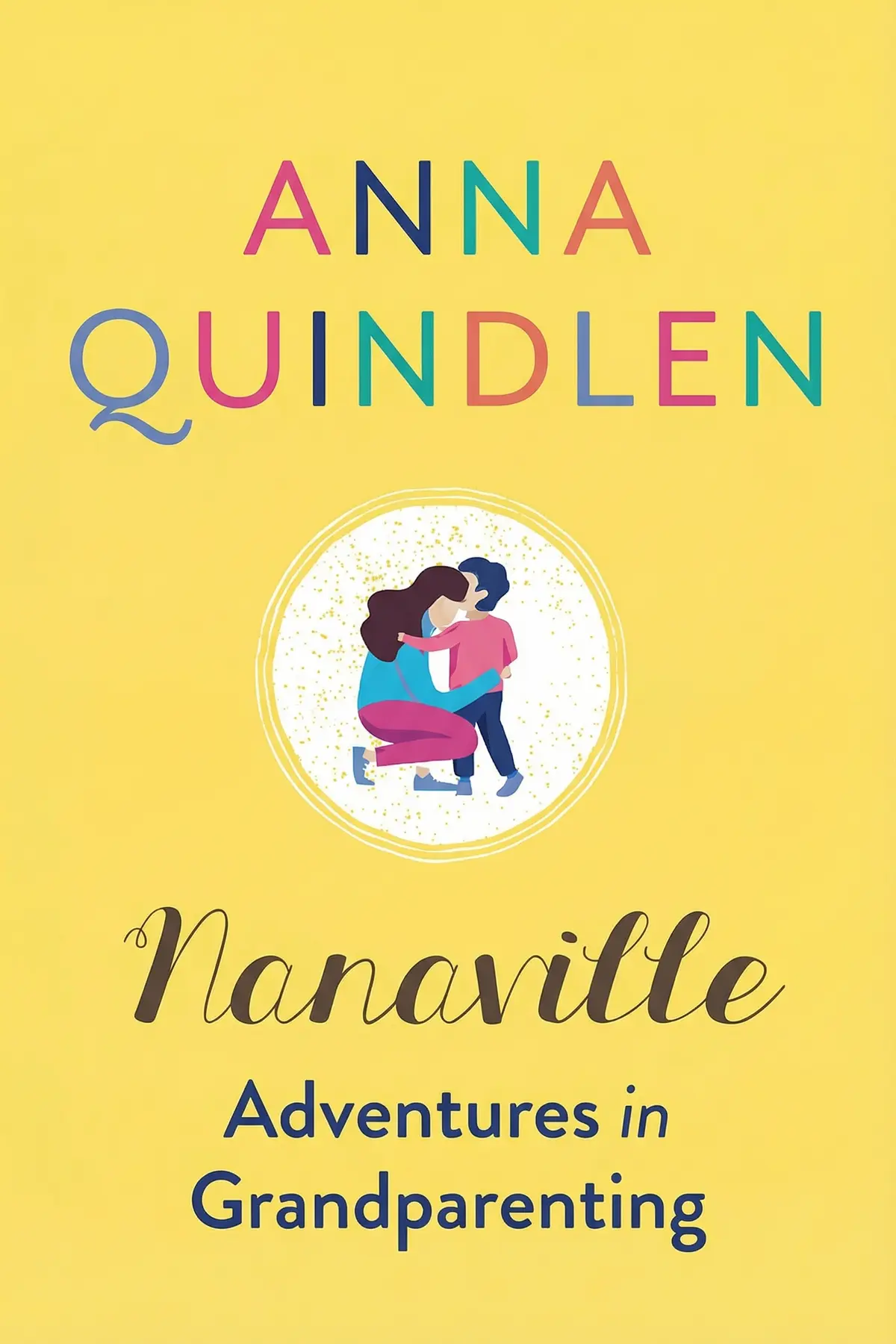
Table of Content
1. Introduction
1 min 05 sec
Becoming a grandparent can feel like a demotion: the person who once made every decision now waits to be asked. In Nanaville, Pulitzer Prize-winning columnist Anna Quindlen argues that the change is real but no loss at all, because a mother leads while a grandmother supports, and the supporting part brings its own deep rewards.
Quindlen writes from her first years as nana to Arthur, the first child of her eldest son, Quin, and his wife, Lynn. Her case is simple to state and hard to live by. A grandparent does best by stepping back, following the parents, and giving what only a grandparent can give: history, color and love that is chosen rather than required.
Along the way she admits a mistake that drew sharp pushback from her son, explains why she started learning Mandarin, and shows how much grandparenting has changed over the generations. What follows is a rule for holding your tongue, a fresh way to see your grown child, and a clearer picture of the family you have joined.
2. Find your place in the supporting cast
1 min 50 sec
Hundreds of thousands of women become grandmothers every day, yet the number says nothing about what they lose and gain. Two minor characters from famous stories show why a smaller part can still hold the whole plot together.
3. Keep your advice and keep your welcome
1 min 53 sec
Quindlen had always got along easily with her eldest son. Then she shared one honest opinion about her grandson, and his reaction showed her the single rule that decides how often a grandparent gets invited back.
4. Show up because you choose to
1 min 53 sec
A woman who hated language classes at school signed up to learn Mandarin in her sixties. Her reason reveals the one freedom grandparents have that mothers never get, and why it changes how love feels.
5. Meet your grown child again as a parent
1 min 53 sec
A precise, bookish son who once insisted children were not for him tried a firm sleep plan for his baby. Ten minutes later, someone was in tears, and it was not the baby.
6. Today's grandparents play on the floor, and you can too
2 min 06 sec
Quindlen’s own grandparents tended tomatoes and wore shapeless dresses at an age when she goes skiing. A stranger at a fish market showed her just how far the picture of a grandmother has moved.
7. Welcome a grandchild who carries two histories
2 min 05 sec
Minutes after Arthur’s birth, his doctor pointed out a mark that strangers might badly misread. It opened a window onto how fast families are changing, and onto what a grandchild can never be reduced to.
8. Conclusion
1 min 13 sec
Nanaville is about getting smaller in one way and larger in another. Quindlen gives up the lead role she held for decades, the one in which every decision about food, sleep and school was hers. What she gets back is a part she chooses: the nana down on the floor playing, the student taking Mandarin lessons, the mother who is proud of how devoted her logical son has become to his own child. The relationship that matters most now, she argues, is the one with your children and their partners, and it works when you help them raise their child rather than tell them how.
That leaves a few things worth practicing. Before giving advice, check whether anyone asked and whether your facts have expired, the way the old rule about babies sleeping on their backs did. Pick one thing to do for a grandchild purely because you want to, as Quindlen picked a language she once would have avoided. And offer the past as a gift: the stories, the family characters, the color that only someone further down the credits can supply.
Arthur will write his own history. A good nana helps fill in the pages that came before it.
About this book
What is this book about?
Moving from mother to grandmother sounds like a happy promotion. In practice, many new grandparents find it hard. For decades they made the decisions. Now they are expected to wait, watch and follow someone else's rules, and an old habit of correcting can strain the relationship with their grown children. Anna Quindlen, a Pulitzer Prize-winning columnist and novelist, writes from her first years as nana to Arthur, the son of her eldest child, Quin, and his wife, Lynn. She argues that grandparents are supporting characters, secondary but far from unimportant. She tells the story of the time she spoke up about preschool and was firmly told to back off. She explains why she took up Mandarin lessons, watches her logical son turn into a tender father, and compares today's active grandparents with the elderly ones of her own childhood. Readers get a clear rule for holding their tongue, a new way to think about the love they give by choice, and a picture of grandchildren who carry more than one family history and will write their own.
Book Information
Who it's for
New or expecting grandparents
New and expecting grandparents unsure how much to step in.
Parents of grown children
Parents of adult children who sense their advice is causing friction.
Drawn to family memoir
Readers who enjoy warm, honest family memoir about how parenting and family life have changed.
About the Author
Anna Quindlen
Anna Quindlen, born in Philadelphia in 1952, started in journalism at the New York Post in 1974 and held several roles at The New York Times from 1977 to 1994. Her Times column, Public and Private, won the 1992 Pulitzer Prize for Commentary. She has written bestselling novels such as Blessings, Rise and Shine and One True Thing, which became a 1998 film, along with non-fiction including Living Out Loud and Thinking Out Loud. She became a grandmother in 2016.
Ratings & Reviews
Ratings at a glance

What people think
Listeners describe this work as a delightful experience, especially for grandmothers in this life stage, and value the practical guidance it offers to grandparents. Furthermore, the narrative is witty and makes an ideal present for those becoming grandparents for the first time, with one listener mentioning how it portrays the profound love felt for grandchildren. Also, listeners commend the book's genuine nature and the quality of the writing.
Top reviews
Ivan
Finally got around to Anna Quindlen’s latest, and it’s like a warm hug from a friend who totally gets it. There’s something so authentic about the way she describes the transition from being the primary parent to playing this auxiliary role. It’s not just a collection of "cute" stories; it’s a deep dive into that transcendent love you feel for a grandchild that somehow differs from the love you had for your own kids. I particularly loved the bit about "Nanaville" being a place where we have to learn to bite our tongues. If you’ve ever felt the urge to offer unsolicited parenting advice, Quindlen provides a funny, gentle reminder that staying quiet is often the greatest gift we can give. It’s a wonderful read for anyone navigating this season of life, though I suppose it might feel a bit niche if you aren't a grandparent yet.
Show moreNutnicha
Anna Quindlen has this uncanny ability to make your own internal thoughts look beautiful on the page. I found myself nodding along to her description of building a "memory out of spare parts," realizing that one day our grandchildren’s memories will be the only thing left of us. That hit me hard. The tone is perfectly balanced—sweet but never saccharine, and wise without being preachy. I loved the specific anecdotes about the "Central Park Five" era journalist morphing into the woman who reads "Goodnight Moon" for the thousandth time. It feels real because she doesn't hide the occasional friction with her son and daughter-in-law. It’s a love letter to the next generation and a survival guide for our own. If you want to understand that gut-punch of love a grandbaby brings, read this.
Show moreSiriporn
Being a "Nana" is a title I wear with pride, so I felt seen by every single page of this book. Quindlen perfectly describes that lightning-strike moment when you realize you love this little person in a way that is entirely different from the heavy, responsible love you had for your own children. Her advice to "hold your tongue" is something I have to practice daily, and she frames it so well as a way to preserve the relationship. The chapter where she talks about her biracial grandson and her response to an ignorant stranger at the store was particularly powerful. It shows that even in "Nanaville," the real world still intrudes, and we have to protect these little ones. This is a beautiful, emotional meditation on what it means to leave a legacy.
Show moreBee
Wow, what a beautiful little meditation on the passage of time. I finished this in one sitting and found myself reaching for the tissues by the end. Quindlen’s prose is just so clean and evocative; she doesn’t need a lot of filler to get her point across. The scenes where she’s just alone with her grandson, watching him explore the world, are captured with such vivid detail. It reminds me of those "In the great green room" moments we all share with our kids and grandkids. Personally, I found her insights on the "unconditional love" of a grandparent to be the most authentic part of the book. It’s not just about the fun stuff; it’s about the quiet realization that you are a link in a very long chain. Simply stunning.
Show moreCherry
As a long-time fan of Quindlen’s journalism, I was curious to see her tackle something so domestic and personal. She remains a master of prose, turning simple observations about her grandson Arthur into profound reflections on legacy and memory. The book really shines when she discusses the "rules" of the trade—namely, the importance of letting the actual parents make the calls, even when you think you know better. Not gonna lie, it’s a major shift from her Pulitzer-winning days covering race and crime, but her insight into human nature is still there. My only gripe is that it feels a bit short, and at times she leans heavily into the "ecstatic appreciation" of every little thing the baby does. Still, the writing is top-notch, and her honesty about the shifting family landscape is refreshing.
Show moreMoon
This book is a gem for anyone who just entered the "Nana" phase of life. I bought three copies already to give as gifts to my girlfriends because it perfectly captures that weird mix of joy and restraint we all feel. Quindlen is hilarious when she talks about the difference between being a "cookie jar" grandma and a modern "glamma" who gets down on the floor to play. She captures the humor in the absurdity, like when she realizes she’s just a "piece of fruit" to a toddler who can’t say banana. It's light, quick, and incredibly relatable. Some might find it a bit repetitive with the "butt out" advice, but frankly, we all need to hear it once in a while. A must-read for first-time grandparents who are still figuring out where they fit in.
Show moreRod
Ever wonder how to navigate the minefield of modern parenting without losing your mind—or your access to the grandkids? Quindlen offers a funny and poignant roadmap. She’s very honest about the fact that we are the "auxiliary" now, and that's okay. I laughed out loud at her description of the "Nana judgment" and how it has to be used so carefully if we want to see the kids on more than just major holidays. The book is short, but it’s packed with wisdom about the changing landscape of family. She moves between being a mother, a daughter-in-law, and now a grandmother with such grace. It’s a perfect gift for a first-timer, though I think even seasoned grandfathers would get a kick out of her "commandments."
Show moreBoss
Picked this up on a whim after seeing it on a "best gift" list, and I’m glad I did. It’s a very quick read, but Quindlen makes every word count. I enjoyed her take on how the "cookie jar" grandmother role has evolved into something more active and engaged, even if it means we have to follow a strict set of rules from our children. To be fair, some of the stories are a bit "inside baseball" and specifically about her own family, which might not interest everyone. However, her general observations about the "yin and yang" of Nanaville are spot on. It’s a sweet, gentle book that serves as a great reminder to appreciate the small moments while we have them. A solid four stars for the beautiful writing style alone.
Show morePlernpiriya
The truth is, I wanted to love this more than I actually did. While Quindlen’s writing is undeniably elegant, the book feels a bit premature. She’s writing an entire manifesto on grandparenting when she only has one tiny grandson. As someone with five grandkids of various ages, I found her observations a bit like a "recital of platitudes" that don't always hold up as the kids grow older. It’s charming, yes, but maybe a bit thin on actual substance beyond the first few chapters. I liked the humor regarding the "helicopter parents" and the three-page instruction manuals for babysitting, but the second half of the book dragged for me. It’s a nice gift, but maybe not the definitive guide to the grandparenting experience I was hoping for.
Show moreTen
Look, I remember the powerhouse journalist who won a Pulitzer for tackling the most brutal social issues in New York. To see her reduced to telling cute stories about a toddler feels like such a waste of her immense talent. The writing is technically fine—she’s Anna Quindlen, after all—but the subject matter is just so mundane. I couldn't help but think about her past controversies, like her reporting on the Central Park Five, and wonder why she isn't addressing the complexities of the current political climate instead of writing about the "ecstatic appreciation of urination." It feels like she's retired into a comfortable, safe bubble. If you want a book of sweet grandbaby stories, this is fine, but if you're looking for the sharp-edged Anna of the 80s, you won't find her here.
Show moreQuestions about this book
What is Nanaville by Anna Quindlen about?
Nanaville is Anna Quindlen’s account of becoming a grandmother to Arthur, her eldest son’s first child. She argues that grandparents are supporting characters in a child’s life, secondary to the parents but still important, because they offer a link to family history and identity. The book covers her mistakes, her choice to learn Mandarin, her son’s growth as a father, and how grandparenting has changed since her own childhood.
What is the first commandment of Nanaville?
Quindlen’s first commandment is that a grandparent who wants to see the grandchildren more than twice a year should keep unrequested opinions private. She learned it after telling her son and daughter-in-law that Arthur, then three, was not ready for preschool, and her son firmly told her to back off. She adds a practical reason: advice changes, so your information may be out of date.
Why did Anna Quindlen learn Mandarin?
Arthur’s mother, Lynn, is from Beijing, and both parents speak English and Mandarin. They wanted Arthur to inherit his mother’s language and culture. Quindlen, who disliked language classes at school, took Mandarin lessons so she could understand Arthur when he used Chinese words, such as hei gougou for the family’s black Labrador. For her it shows that a grandmother’s care is chosen, not required.
How are today's grandparents different, according to Nanaville?
Quindlen contrasts her own grandparents, who saw themselves as old at 50 because few expected to live past 70, with today’s baby boomer grandparents, who ski with grandchildren and play on the floor. Families used to be much larger, with time and attention scarce. Medical advances have also blurred ages: a stranger once assumed Quindlen was Arthur’s mother.
How can I apply the ideas in Nanaville as a new grandparent?
Quindlen’s experience points to a few habits. Hold back advice unless asked, and remember that guidance such as how babies should sleep has reversed within a generation. Choose ways to take part that you truly want, as she did with Mandarin. Offer stories and family history, the color and texture only a grandparent can give, and accept that the grandchild will write their own story.
Readers also enjoyed


AUDIO SUMMARY AVAILABLE
Listen to Nanaville in 15 minutes
Get the key ideas from Nanaville by Anna Quindlen, plus 5,000+ more nonfiction titles.
- 5,000+ titles
- Listen as much as you want
- 7-day free trial
- Cancel anytime









