

11 min 35 sec
Available in: English
Moms on Call: Basic Baby Care 0-6 Months
Two pediatric nurses give new parents a calm, practical setup for the first six months: a sleep room and bedtime routine, a flexible feeding rhythm, warning signs worth a doctor's call and a safer home.
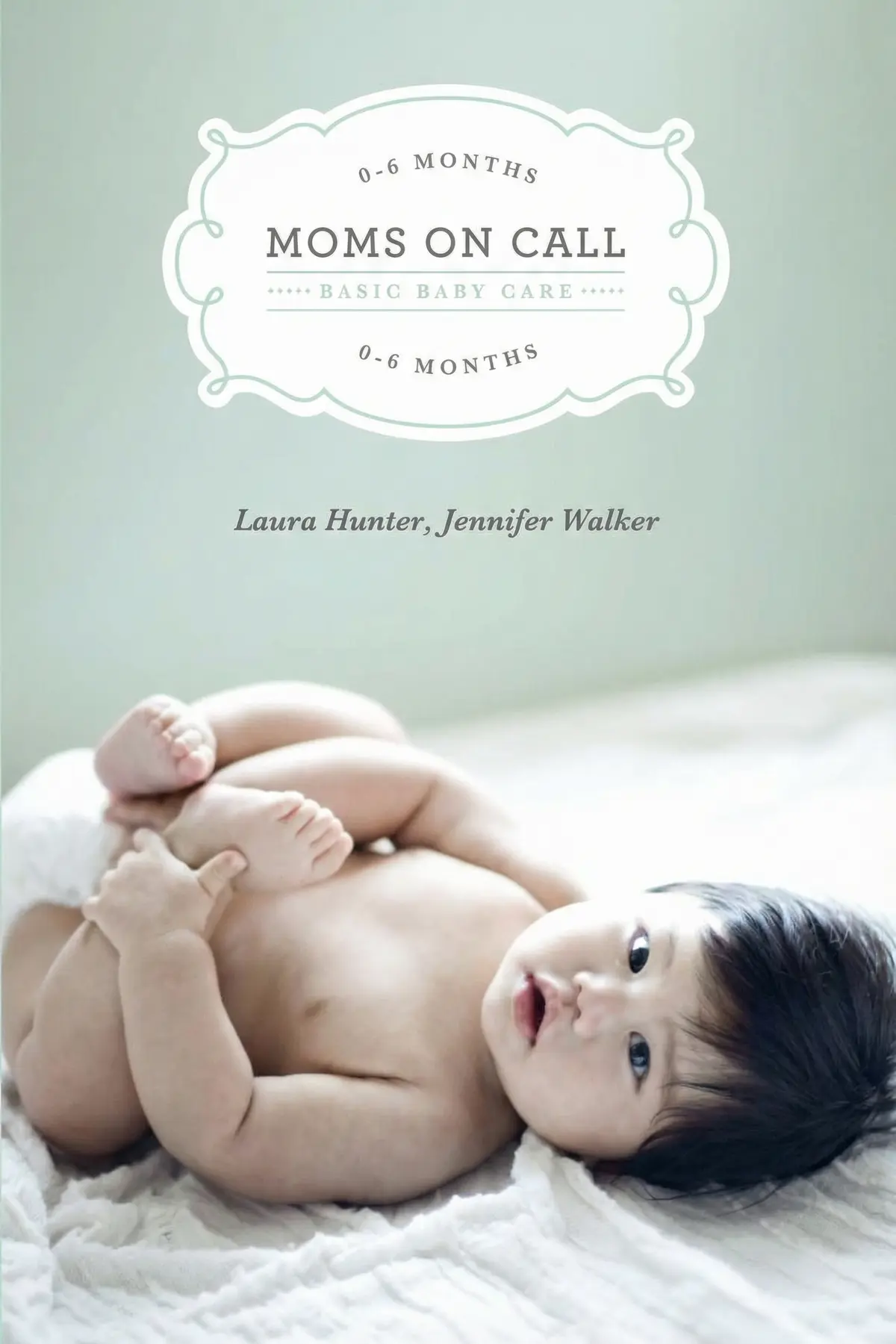
Table of Content
1. Introduction
1 min 04 sec
For many new parents, the hardest part of the first months is not the work but the fear of getting something basic wrong. In Moms on Call, pediatric nurses Laura Hunter and Jennifer Walker answer that fear with things you can set up in advance, starting with a surprise: a baby’s room should hum with plain white noise, never ocean waves or lullabies.
Their argument is that a baby’s first six months get calmer when parents swap guesswork for a few prepared routines. Those routines cover four areas: how the baby sleeps, how the baby eats, how to read common illnesses, and how to make the home safe. None of it asks for perfection. It asks for consistency, a few supplies within reach and a clear sense of when to stop handling something at home and call a professional.
By the end, you will have a bedtime sequence to try this evening, the warning signs that should send you to a pediatrician, and a short plan for the house and the car.
2. A nursery set up for deep sleep
1 min 47 sec
Many parents fill the crib with toys and play soft music, hoping it soothes. Two pediatric nurses suggest the room itself may be keeping the baby awake, and the fix costs almost nothing.
3. Teach nights with a steady evening routine
1 min 49 sec
A bath, a story and a song sound like a nice ritual. The authors treat them as a signal the baby learns to read, and they have a precise plan for the 2 a.m. wake-up too.
4. Feed on a rhythm that bends when needed
1 min 49 sec
New parents hear endless and conflicting rules about feeding. The authors cut through them with one principle that sounds like a contradiction, plus small tricks for sleepy feeders and nervous first latches.
5. Know which symptoms need a doctor now
1 min 54 sec
A warm baby at midnight, a sticky eye in the morning, a cold that will not clear. Each can be minor or serious, and the authors give clear lines for telling which is which.
6. Make your home safe before baby explores
1 min 57 sec
One author watched her sons scale a bookcase. The other still carries scars from a childhood kitchen accident. Their stories point to a short list of fixes worth doing long before a baby can crawl.
7. Conclusion
1 min 15 sec
What Hunter and Walker offer is a way to do more of the worrying ahead of time, so that less of it happens at 3 a.m. Each part of their advice moves a decision out of the stressful moment and into a calm one. The white noise is chosen before the baby cries. The bedtime steps follow the same gentle order every night. The fever rule for babies under three months is known before the thermometer is needed. The bookcase is anchored before anyone climbs it.
That shift is the real relief the book promises. A parent who has prepared still faces hard nights, but faces them with a plan rather than a blank.
If you start anywhere, start tonight with the room: dark, plain, steady white noise, a comfortable temperature, and the same short sequence of bath, tender time, feed, swaddle and rock. Then put a thermometer, children’s acetaminophen and the Poison Control number somewhere you can reach without thinking, and note your baby’s latest weight beside them.
Babies learn through patterns. So, it turns out, do the parents who care for them, and calm is one of the patterns both can learn.
About this book
What is this book about?
Bringing a newborn home can feel like being handed sole responsibility for a life with no instructions. Parents lie awake weighing small decisions, unsure whether the baby is sleeping right, eating enough or getting sick. Pediatric nurses Laura Hunter and Jennifer Walker, who have spent years answering parents' late-night calls about fevers and fussiness, argue that most of this worry can be eased by preparing a few things in advance. Their book covers four areas of the first six months. For sleep, they describe a plain crib, steady white noise, a dark room and a repeatable evening wind-down. For feeding, they balance a regular rhythm with attention to the baby's own cues, whether breast, bottle or both. For health, they explain how to read common problems such as fevers, eye discharge, colds and ear infections, and when each one needs a professional. For safety, they share stories from their own families to show why furniture, cords, hot food and car seats deserve attention early. Readers get a routine to try on the first night, a short list of supplies to keep within reach, and a clearer line between what can be handled at home and what cannot.
Book Information
Who it's for
Parents wanting a plan
New and expecting parents who feel overwhelmed by the first six months and want a plan.
Exhausted by night wakings
Exhausted parents whose baby fights sleep or wakes often at night.
Sharing the baby's care
Grandparents, partners and caregivers who want simple, shared routines and safety basics.
About the Author
Laura Hunter
Laura Hunter and Jennifer Walker are pediatric nurses who co-founded Moms on Call, which has grown into books, online courses, an app and a podcast. Walker, a mother of three, has more than 30 years of nursing experience and works as an author, consultant and speaker. Hunter, a mother of five including twins, advises families on infant care in the Atlanta area and online, with a focus on preemies, tailored routines, feeding and homes with children of several ages.
Ratings & Reviews
Ratings at a glance
What people think
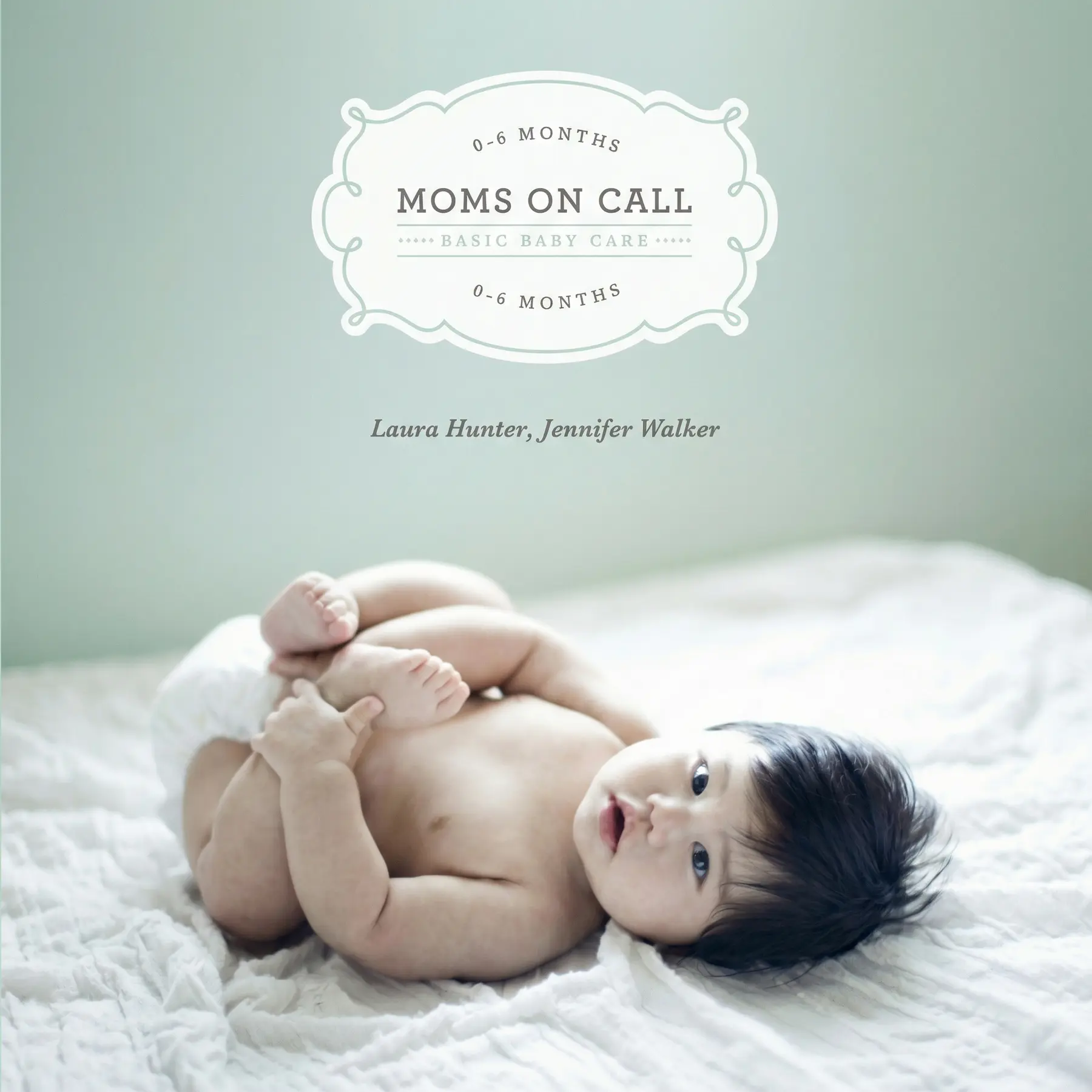
Listeners find this parenting guide useful and accessible, featuring thorough routines for meals and sleep that are effective for twins as well as formula-fed infants. The resource offers excellent tips on newborn gear and sleep habits; one listener even shared that they achieved 6 hours of sleep on the second night of using the techniques. Although many listeners feel more confident as new parents, some point out that the methods aren't practical for those who are breastfeeding.
Top reviews
Ott
As someone who felt completely underwater during those first few weeks of motherhood, this book was a literal lifeline. I didn’t need a philosophical debate on parenting; I needed someone to tell me exactly what to do at 3:00 AM when the baby wouldn't stop crying. The feeding and naptime schedules are incredibly detailed and, truth be told, they actually work if you stick to them. By the second night of following their nighttime routine, my little one slept for six hours straight, which felt like a miracle. I know some people find the tone a bit too 'manual-like,' but for a tired brain, that’s a feature, not a bug. It turned the overwhelming craziness of newborn life into something that felt manageable and even predictable.
Show morePenelope
Picked this up after hearing it was the 'gold standard' for twins, and I can now say the hype is real. Managing two infants is a logistical nightmare without a plan, but these schedules kept us sane. Look, the writing style is definitely a bit syrupy at times, and the frequent Bible verses might not be for everyone, but the practical results are hard to argue with. Our girls are thriving on the 'feed, wake, sleep' rhythm. It’s especially helpful if you’re formula-feeding because the timings align perfectly with how babies digest. We’ve become those parents who carry a spreadsheet around, but if it means everyone is sleeping through the night by three months, I’ll take the label happily. Highly recommend for any first-time mom who feels clueless.
Show moreWorawit
Wow. I finally feel like a capable parent instead of a walking zombie. We started the sleep training suggestions when our son was about eight weeks old, and the improvement was almost immediate. Not everyone is comfortable with the 'cry it out' elements, but we found that a little bit of crying led to much better sleep for everyone involved. The book is very direct, which I appreciate. No fluff, just lists and instructions. It’s the perfect gift for a first-time mom because it covers all the essentials from those first few days to the toddler transition. Even the small tips about what baby gear you actually need were super helpful and saved us a lot of money on useless gadgets. Truly a lifesaver for our household.
Show moreWipawan
Finally got around to reading this after struggling for weeks with a baby who wouldn't nap for more than twenty minutes. The 'typical day' schedules changed everything for us. It turns out we were missing his sleep cues entirely! This book taught us how to create an environment conducive to rest. We now have a happy, well-rested baby who actually enjoys his bedtime routine. I think there’s a misconception that this book is 'mean' or 'cold,' but in my experience, it’s just about setting healthy boundaries and expectations. It’s especially great for fathers who want to be involved but aren't sure where to start; my husband loves the 'check-list' nature of the instructions. It makes the craziness of a newborn feel like a project we can actually manage.
Show moreTim
Is it a bit rigid? Definitely. But when you’re functioning on two hours of sleep, having a strict schedule to follow is actually a relief. I loved the clear, concise layout because it makes it so easy to use as a quick reference when you're in a panic about constipation or vaccination side effects. Personally, I had to ignore the advice about mesh bumpers since it contradicts current safety guidelines, but the rest of the medical info felt solid. The bath time instructions were a total game-changer for me. I used to be terrified of dropping him, but their step-by-step method made me feel like a pro. It’s a great resource, provided you're willing to cherry-pick what works for your specific family and ignore the rest.
Show moreHenry
The chapter on typical day routines saved my sanity during my maternity leave. I’m the type of person who thrives on order, so having a bath-book-breast routine mapped out was exactly what I needed to feel in control. I will say, you have to be careful because some of the advice is a bit outdated or goes against what my pediatrician recommended, specifically the stuff about bumpers and starting solids so early. It’s a bit of a mixed bag in that regard. However, the 'moms on call' spirit really does help you feel less overwhelmed. It’s more of a reference manual than a cover-to-cover read. If you can get past the slightly preachy tone, the actual logistical advice for daily survival is top-notch for new parents.
Show moreSombat
Frankly, I was skeptical about the idea of putting a two-week-old on a schedule, but my baby seemed to crave the routine. The instructions are very clear, though I wish there were more allowances for babies who don't fit the 'standard' mold. My daughter would often wake up way before her scheduled feed, and the book doesn't give much guidance on how to handle those middle-ground moments. I also agree with other reviewers that the inclusion of mesh bumpers is confusing since the AAP is so against them. You definitely have to use your own judgment. That said, the sections on common illnesses and when to call the doctor are excellent. It's a wonderful book to keep on the nightstand for those late-night 'is this normal?' panics.
Show moreDivya
The truth is, no parenting book is perfect, but this one comes pretty close for those who like structure. It’s laid out more like a manual than a narrative, which is perfect for sleep-deprived brains. I appreciated the specific lists for diaper bag essentials and the clear instructions on how to swaddle properly. I did find the religious verses a bit unnecessary, and some of the language is a little too 'preachy' for my taste. However, the core advice on feeding and sleep is solid. We used the travel tips recently on a cross-country trip and they worked like a charm. It’s a very practical, no-nonsense resource for parents who are tired of the 'go with the flow' advice that doesn't actually help you get any sleep.
Show moreDaranee
Not what I expected based on the glowing recommendations from my friend group. While the schedules are helpful as a general framework, the authors take a very 'my way or the highway' approach that rubbed me the wrong way. The dogmatic tone is reinforced by constant religious references, which felt out of place in what I thought was a medical advice book. Also, as a breastfeeding mom, I found the strict three-hour feeding intervals almost impossible to maintain during cluster-feeding phases. My baby was hungry, and the book told me to wait. I ended up feeling guilty and stressed rather than supported. There is some good info in here regarding basic baby care, but the rigid sleep training methods aren't for the faint of heart or those who prefer a more intuitive parenting style.
Show moreNarong
Looking back, this book was a bit of a double-edged sword for us. On one hand, the bath time routine and the basic hygiene tips are fantastic and very easy to follow. On the other hand, the sleep training advice felt very aggressive for a newborn. The authors suggest letting the baby cry for fifteen minutes before a night feeding, which just didn't feel right for our family. I also found the writing style to be a bit condescending at times, like there’s only one 'right' way to be a mother. If you have a very easy-going baby, these schedules might be a dream. But if you have a high-needs infant or you're committed to demand-feeding, this book might just end up making you feel like you're failing.
Show moreQuestions about this book
What is Moms on Call about?
Moms on Call is a practical guide to caring for a baby from birth to six months, written by pediatric nurses Laura Hunter and Jennifer Walker. It covers four areas: setting up sleep with a plain crib, white noise and an evening routine; feeding with both consistency and flexibility; recognizing common illnesses and when to call a doctor; and childproofing the home and car while keeping a first-aid kit ready.
What bedtime routine does Moms on Call recommend?
The authors describe a gentle wind-down: a warm bath, then tender time with dim lights, stories and a soft lullaby, then a feed in a calm space. After that, swaddle the baby, especially under three months, turn on plain white noise and rock briefly before laying the baby down. For night feeds, keep things short and calm, then swaddle again and restart the white noise.
What does Moms on Call say about fever in babies?
The authors treat fever in young babies seriously. They call rectal temperature the most accurate way to measure it, and they say that a baby under three months with a fever needs medical attention straight away. They also suggest keeping a digital thermometer in a quick-grab first-aid kit, so you can check a temperature even when you are away from home.
How can I tell if my breastfed baby is getting enough milk?
Hunter and Walker point to three signs: the baby seems satisfied after nursing, has regular wet diapers and gains weight steadily. They also suggest alternating which breast you start with at each feeding, and using the rooting reflex, stroking the baby’s cheek so the baby turns and opens wide, to help get a good latch with the baby facing the breast directly.
Readers also enjoyed



AUDIO SUMMARY AVAILABLE
Listen to Moms on Call in 15 minutes
Get the key ideas from Moms on Call by Laura Hunter, plus 5,000+ more nonfiction titles.
- 5,000+ titles
- Listen as much as you want
- 7-day free trial
- Cancel anytime









