

11 min 23 sec
Available in: English
Let Go Now: Embrace Detachment as a Path to Freedom
By Karen Casey
A gentle, faith-based guide to loving detachment: how to stop trying to fix the people you love, stop taking their behavior personally, and use simple daily tools to find calm.
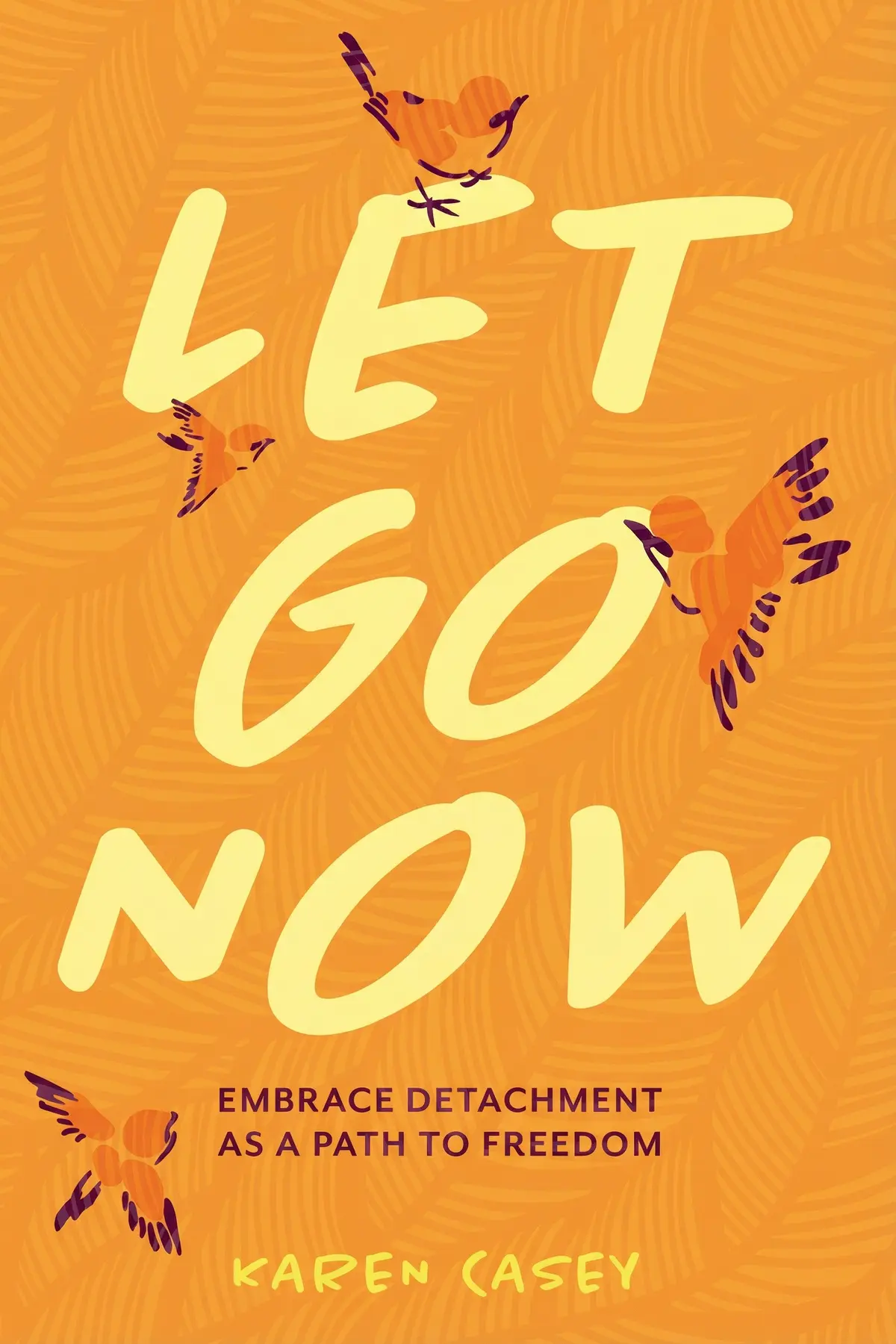
Table of Content
1. Introduction
1 min 00 sec
If you spend your energy trying to steer a partner, a parent or a grown child away from choices you think are wrong, you already know the price: arguments, tension and a mind that never rests. In Let Go Now, recovery author Karen Casey argues that the way out is detachment, which she describes as loving someone while giving up the job of running their life.
It sounds cold. Casey insists it is the opposite. She learned it through her own recovery from alcoholism and from years of relationships in which she lost herself, and she presents it as her route to calm and freedom.
Her case is simple. Peace comes when you stop trying to control other people and stop letting them control you, and both can be practiced with small daily tools. Those tools include a thought to try in a slow checkout line, a prayer that takes seconds, three words for the moment you feel triggered, and permission to leave the room.
2. Letting go is a loving way to free yourself
1 min 35 sec
A woman who beat alcohol still felt trapped in every romance she entered. What finally freed her was neither a new partner nor more effort, and it began with a long pause.
3. Let loved ones drive in their own lane
1 min 49 sec
Rescuing someone you love feels like kindness. Casey argues it can block their growth and drain your own peace, and she offers one simple image to help you hold back.
4. Stop letting strangers decide how you feel
2 min 01 sec
One cool glance from someone you barely know can ruin an afternoon. Casey traces that sensitivity back to childhood and explains how to stop it without shutting people out.
5. Calm your mind while waiting in a checkout line
1 min 59 sec
A slow queue, an impatient sigh, a rising temper. Casey turns this ordinary moment into a small experiment that shows how much power you hold over your own mood.
6. Three words and an exit for heated moments
1 min 48 sec
Casey once felt bound to finish every book she started, even the ones she hated. Breaking that habit taught her something useful about the arguments we stay in too long.
7. Conclusion
1 min 11 sec
Let Go Now adds up to a redrawing of responsibility. For years Casey believed her happiness depended on managing other people and on winning their attention, and both beliefs kept her trapped. Detachment, as she describes it, hands each person back their own life: yours to tend, theirs to live. It is a kind of love that trusts people to grow, and it frees you from carrying weights that were never yours.
It also takes time. Casey’s own change came slowly, through meetings, a pause from romance and the discovery that she was already enough. So begin small. When you feel the urge to fix someone, picture the parallel lanes and stay in yours. When a stranger’s coldness stings, remind yourself it is not about you. In a slow line, change one thought and notice your mood follow. In a heated moment, say three words, and if they fail, walk away without guilt.
Nobody has to finish every book, or every argument. Sometimes the most loving choice is to close the cover and let the story go on without you.
About this book
What is this book about?
Many people wear themselves out trying to steer a partner, a parent or a grown child away from choices they believe are wrong. The result is tension, conflict and a mind that never rests. Karen Casey, who recovered from alcoholism and years of codependent relationships, offers another way: detachment, which she describes as loving people while giving up the job of running their lives. Drawing on her own recovery through Al-Anon and AA, Casey argues that detachment works in two directions. You stop interfering in other people's paths, and you stop letting their moods, words and attention decide how you feel about yourself. She is clear that this is not a call to isolation. Connection remains a basic human need. The book keeps its focus on practical suggestions. Readers get a thought experiment for a slow checkout line, a simple way to pray even if prayer feels unfamiliar, the Serenity Prayer as a daily reminder, the three-word mantra Don't go there, and permission to walk away from conversations that wound. Casey presents it all as a gradual practice that brings peace to you and to the people around you.
Book Information
Who it's for
Feeling responsible for others
People who feel responsible for fixing a partner, parent or grown child's choices.
Living with recovery
Anyone in recovery, or living with someone who is, who wants calmer relationships.
Moods tied to approval
Readers whose mood rises and falls with other people's approval and attention.
About the Author
Karen Casey
Karen Casey was born in Lafayette, Indiana, and moved to Minneapolis in 1964. After a few years teaching elementary school, she earned a Ph.D. at the University of Minnesota in 1979. Her first book, Each Day a New Beginning, published by Hazelden in 1982, has sold more than three million copies. She has since written many books on spiritual growth and recovery, and she lectures and leads workshops for people in Twelve Step programs.
Ratings & Reviews
Ratings at a glance
What people think
Listeners find this work perceptive and useful, noting that its daily readings have a life-changing impact. The prose is expertly written, and listeners value the straightforward, direct delivery. Furthermore, the book supplies excellent daily reflections for tranquility, immediately soothing anxiety while fostering a clearer grasp of detachment.
Top reviews
Frida
Finally got around to reading Karen Casey’s work, and the immediate sense of calm it provided was exactly what I needed. These daily meditations act like a mental reset button when my anxiety starts to spiral out of control. To be fair, the entries are quite short—some only a paragraph or two—but that makes them perfect for a quick morning ritual. I found the advice on making calmness my new baseline extremely practical for navigating a stressful work environment. While the spiritual undertones are present, the core message about releasing the need to manage everyone else's life is universal. It's a well-crafted guide that doesn't waste words on fluff. If you are struggling with feeling responsible for the world, this provides a gentle permission to simply step back. It’s an insightful companion for anyone trying to reclaim their inner peace.
Show moreTom
The chapter on silence being a solution changed my entire perspective on how I interact with my partner. For years, I thought I was 'helping' by over-explaining or trying to fix every little emotional outburst. Casey’s message is clear: stop the impulse to retaliate or manage, and just breathe. Personally, I found the brevity of the writing to be its greatest strength because it delivers a punch without the unnecessary academic jargon. It’s a practical manual for anyone exhausted by the chaos of other people’s choices. I’ve started using the pause and pray method before responding to triggering emails, and the difference in my stress levels is night and day. Even if you aren't religious, the psychological benefit of creating that space between trigger and response is massive. This is a must-read for the chronic over-thinker.
Show moreSai
This book completely reframes the idea of doing nothing as a powerful, active choice rather than a passive failure. I used to think detaching was selfish or cold, but Casey illustrates how it’s actually a gift to both ourselves and the other person. By stepping out of the way, we allow others to actually grow from their own messes. The daily readings are insightful and have helped me stay grounded when I feel the urge to jump into someone else's drama. To be fair, the God-talk is constant, so you have to be in the right headspace for that kind of spiritual focus. But the core message of self-responsibility and emotional sobriety is absolutely vital for anyone struggling with codependency. It’s a powerful message that I wish I had discovered decades ago. It has truly made my life significantly more peaceful.
Show moreBua
Wow, just wow—this was exactly the face-punch of truth I needed to hear this year. I’ve spent so much energy trying to sort out the wrecks of other people’s lives while my own garden was full of weeds. This book gave me the permission I didn't know I needed to just let go and let others have their own journeys. The meditations are short but pack a very powerful message that resonates deep in your soul. I especially appreciated the focus on doing nothing as a way to find inner peace. It really helps you realize that you aren't the manager of the universe, and that is such a relief! Not gonna lie, I cried a few times while reading this because the relief was so visceral. It’s a blessing that I happened to find this right when my life felt the most chaotic. Highly recommended.
Show moreRyan
Picked this up during a particularly dark period of anxiety, and it has become a staple of my morning routine. There is something so soothing about the way Casey approaches the concept of surrender and detachment. The book provides a better understanding of why we cling so tightly to things that only cause us heartache and exhaustion. Truthfully, the 'stop, breathe, and pray' method has saved me from at least a dozen unnecessary arguments this month alone. The writing is simple, yet it carries a weight that lingers long after you close the cover. It’s more than just devotional literature; it’s a manual for survival in a world that demands our constant attention and outrage. If you are looking for a way to find calmness as your new norm, look no further. It is an absolute treasure for anyone on a spiritual path.
Show moreMatteo
As someone who has spent years in Al-Anon, I found these pages to be a comforting and familiar reminder of why we detach. Karen Casey has a way of taking complex emotional tangles and smoothing them out with simple, direct prose. Truth is, we often know what we should be doing, but we need someone to give us that extra nudge to actually do nothing. The concept of silence as a solution really hit home for me during a particularly rough week with a family member. It’s a life-changing message that helps you distinguish between your journey and the messes others choose to create for themselves. My only gripe is that it can feel a bit repetitive if you try to read it all in one sitting. Treat it like a daily vitamin rather than a meal, and you'll get much more out of the experience.
Show moreDivya
Ever wonder why you feel so drained after a simple conversation with certain people? This book explains exactly why our attachment to their opinions and behaviors is the root of that exhaustion. The writing style is simple and to the point, which I appreciated given how cluttered my mind usually feels. I loved the idea of noticing yellow flags and actually listening to them instead of trying to bulldoze through with kindness. In my experience, the 12-step framework provides a sturdy structure for these meditations, even if some of the language feels a bit dated. It’s a great little guide for finding a sense of norm in a life that feels perpetually chaotic. I do think some sections are a bit too brief to truly explore the 'why' behind our behaviors. Still, it’s an excellent tool for immediate anxiety relief.
Show moreBunyarit
After hearing so much about this book in my support group, I finally decided to buy a copy. It’s a very simple read, but don't let the short chapters fool you into thinking the work is easy. Learning to stay quiet when your ego wants to scream is one of the hardest things I’ve ever tried to do. Casey’s writing is well-crafted and cuts straight to the heart of why we try to control things we can't. I found the section on manufacturing hysteria particularly convicting and eye-opening. While I’m not a huge fan of the repetitive 12-step slogans, the underlying wisdom about emotional boundaries is top-notch. It’s a perfect book to keep on your nightstand for those moments when you feel yourself slipping back into old habits. A very solid four-star resource for anyone seeking a calmer existence.
Show moreVilaiporn
Look, the content here is undeniably helpful, though it can feel like you're reading the same twelve platitudes over and over again. I picked this up hoping for a deep dive, but it's really just a collection of very brief, bite-sized thoughts on letting go. Each chapter is essentially a couple of paragraphs, which is great for people with short attention spans or busy schedules. I appreciate the focus on stopping the hysteria we often manufacture in our own minds. However, the heavy reliance on the 'everything is by design' mantra started to grate on me after a while. It’s a bit too traditional for my usual library, but I can't deny that it helped me lower my blood pressure. It is a solid, albeit redundant, little book that serves as a decent secondary resource for spiritual growth.
Show morePop
Not what I expected at all, and I feel like the marketing really buried the lead on the heavy religious focus. I was looking for a psychological approach to boundary setting, but instead, I got a constant barrage of 12-step slogans and 'Let God' rhetoric. Frankly, it felt more like a Christian devotional than a general self-help book on detachment. If you aren't already into Alcoholics Anonymous or a believer, most of these meditations will likely fall flat or even frustrate you. To be clear, the writing is decent and the author seems sincere, but the lack of secular alternatives for practicing detachment is a major oversight. I wish I had known that every other sentence would revolve around a higher power before I spent my money on it. It’s too heavy-handed for my taste.
Show moreQuestions about this book
What is the main idea of Let Go Now by Karen Casey?
Casey argues that lasting peace comes from detachment: living your own life and letting others live theirs. That means giving up the urge to control or fix the people you love, and also refusing to let their behavior or attention control how you feel. She stresses that detachment is loving, not cold, and that connection with others remains a basic human need.
Does detachment mean cutting people off?
No. Casey is clear that detachment is not isolation. She calls the goal loving detachment: accepting people as they are, staying connected, and caring about them, while neither controlling them nor being controlled by them. Her image is of people traveling side by side in parallel lanes, sharing the road but not each other’s burdens.
How do you practice detachment according to Let Go Now?
Casey offers several tools. Change a thought to change a feeling, for example by silently blessing everyone in a slow store line. Use prayer, such as the Serenity Prayer or simply asking your Higher Power for a different thought. When triggered, tell yourself Don’t go there. And if that is not enough, take a deep breath and walk away from the conversation.
Who should read Let Go Now?
It suits people who keep trying to fix or steer loved ones, people in recovery from addiction or codependence, and anyone whose self-worth swings with others’ approval. The book draws on Casey’s own experience in Al-Anon and AA and relies on faith in God or a Higher Power, so it fits readers open to a spiritual approach.
Readers also enjoyed
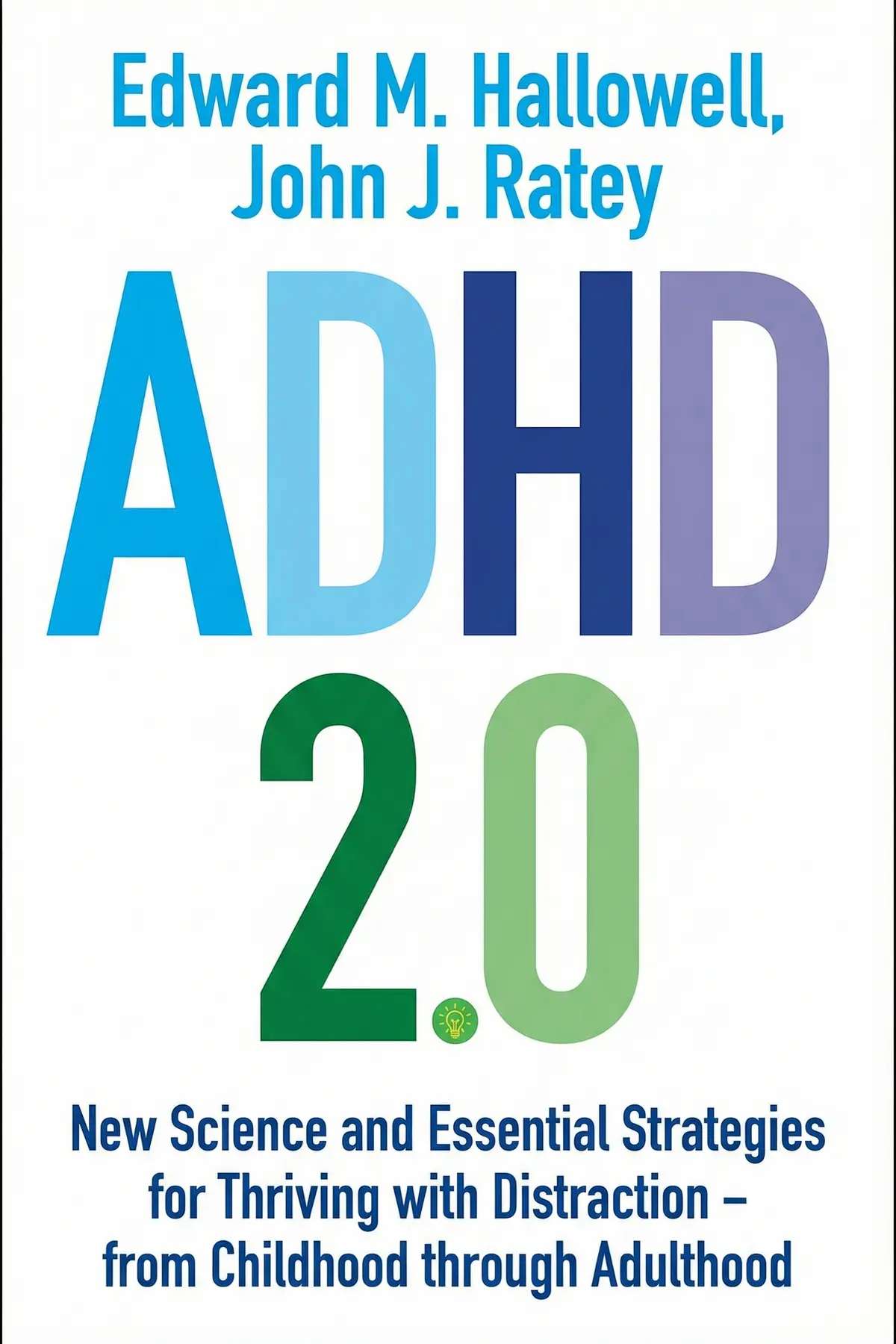
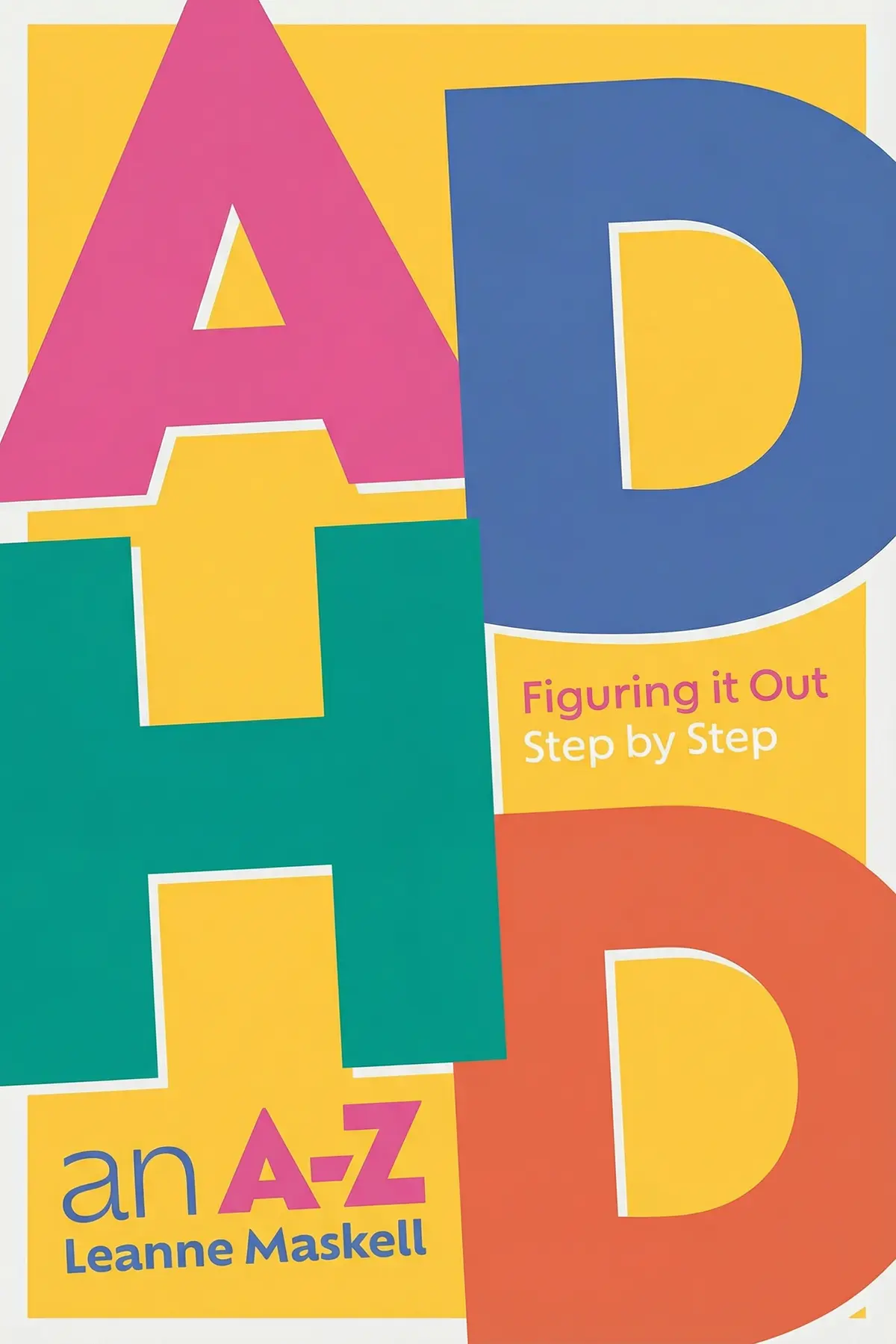
ADHD an A-Z: Figuring It Out Step by Step
Leanne Maskell






Alcoholics Anonymous
Alcoholics Anonymous World Services

A Liberated Mind: How to Pivot Toward What Matters
Steven C. Hayes
AUDIO SUMMARY AVAILABLE
Listen to Let Go Now in 15 minutes
Get the key ideas from Let Go Now by Karen Casey, plus 5,000+ more nonfiction titles.
- 5,000+ titles
- Listen as much as you want
- 7-day free trial
- Cancel anytime









