

12 min 55 sec
Available in: English
Juicing for Beginners: The Essential Guide to Juicing Recipes and Juicing for Weight Loss
A beginner's guide to drinking more fruit and vegetables: how to choose a juicer, why the editors blame processed food for common illness, how to ease into cleanses, and which recipes to start with.
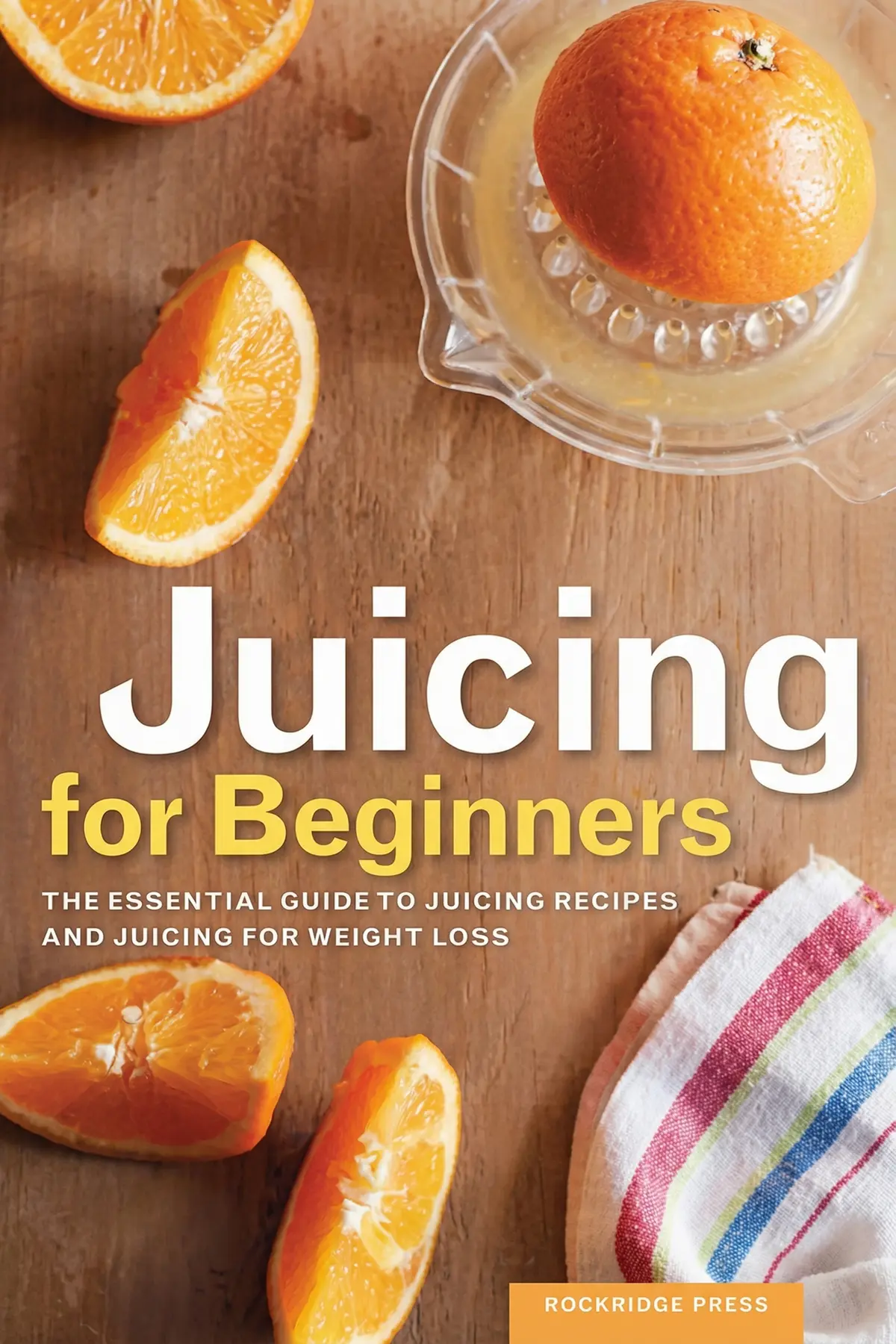
Table of Content
1. Introduction
53 sec
If you mean to eat more fruit and vegetables but rarely manage it, Juicing for Beginners suggests a simpler route: drink them. The editors at Rockridge Press, a publisher of health and nutrition guides, argue that fresh juice is the easiest diet change a beginner can make. There is no strict meal plan, no expert to consult, and in their view no juice that counts as a mistake.
Their argument holds together in one line. Swap some processed food for juice you press at home, start small, and you take in fewer calories and more nutrients while using up produce that would otherwise spoil.
What follows covers which machine to buy and how to use it, the reasoning behind the book’s health claims, four cleanse plans from two days to two weeks, and a set of recipes that lead a reluctant vegetable eater from melon all the way to kale.
2. Pick the right juicer and make your first glass
1 min 53 sec
Most people picture juicing as a hobby that needs expensive gear and expert knowledge. The book argues the only real decision is the machine, and the wrong one can struggle with exactly the produce you planned to use.
3. Cut processed food and let fresh juice help your body
1 min 57 sec
A breakfast of cereal, pancakes and bacon looks like progress compared with hunting a boar at dawn. The editors see it differently, and their reading of twelve thousand years of eating explains what they want juice to replace.
4. Ease in with one glass before any cleanse
1 min 42 sec
Juice cleanses range from a single swapped meal to two weeks of careful stages. The editors are clear about which end to start from, and equally clear about what juice cannot do on its own.
5. A starter shopping list with a reason for each
2 min 00 sec
The editors say any fruit or vegetable will do, which sounds freeing until you are standing in a market with no plan. Their short list ties each item to a specific claimed benefit, from cholesterol to mood.
6. Start with fruit juices that taste like a treat
1 min 35 sec
A first glass that tastes bad is often the last one. The editors open their recipes with sweet blends for exactly that reason, including one you can make with nothing more than a hand press.
7. Greener juices that still taste good
1 min 49 sec
Drinking a glass of kale and broccoli sounds like a punishment to many beginners. The book’s vegetable and green recipes use a simple trick to make them pleasant, and it works with whatever you already have.
8. Conclusion
1 min 06 sec
What the book offers, in the end, is permission. Most diets arrive with a rulebook. This one arrives with a machine, a shopping list and the claim that no blend is wrong. That low barrier is its whole appeal for beginners, and the editors pair it with a real condition: the gains, in their account, come from what the juice replaces, and only with steady effort.
The first step is modest. Pick one meal you usually fill with something processed, often breakfast, and replace it with a glass you pressed yourself, perhaps a Citrus Sunrise if all you own is a hand press. Drink it fresh or within two days. When that feels normal, try a vegetable recipe with a sweet fruit in it, and only then decide whether a longer cleanse suits you.
Along the way, the produce at the back of the fridge stops going to waste, and the fruit and vegetables you used to skip find a place in your day. The caveman in the book’s opening scene ate fresh food because he had no other option. A juicer on the counter makes that same choice easy again.
About this book
What is this book about?
Plenty of people know they should eat more fruit and vegetables and still let them spoil in the fridge. Many have also tried diets that collapsed under their own rules. The editors at Rockridge Press offer juicing as the low-effort alternative. You need no meal plan and no expert, and in their view no juice is the wrong one. The book makes its case in plain steps. It explains the three main types of electric juicer and the basic routine for using one. It argues that a diet heavy in processed food overloads the body, and that fresh juice helps by replacing it. Its weight-loss logic rests on fewer calories and less hunger. It also warns that juice is no magic answer and that results take consistency. Readers get four cleanse plans, from a two-day juice fast to a 14-day cycle, plus a starter list of fruits, vegetables and add-ins with the benefit the book claims for each. A set of recipes moves gradually from sweet melon and citrus blends to beet, carrot and kale-based green juices.
Book Information
Who it's for
Tired of spoiled produce
Busy people who buy fruit and vegetables with good intentions and watch them spoil.
Tired of strict dieting
Dieters worn out by strict meal plans who want a simpler way to cut calories.
Curious about juice cleanses
Beginners curious about juice cleanses who want to start gently with easy recipes.
About the Author
Rockridge Press
Rockridge Press is a publisher of health and nutrition books. Its list includes titles such as The Mediterranean Diet for Beginners, The Paleo Cookbook and Vegan Cookbook for Beginners. The press says it aims to publish reliable, well-researched books that improve readers' lives, and Juicing for Beginners applies that beginner-friendly approach to making fresh fruit and vegetable juice at home.
Ratings & Reviews
Ratings at a glance
What people think
Listeners find this juicing manual to be a fantastic tool for newcomers, as it offers succinct and direct facts about produce in addition to thorough guides on juicer operation. The text details the wellness perks of fruits and vegetables, lists nutritional elements, and is broken down into simple-to-follow chapters. While some listeners consider the book a simple read, others remark that it is actually quite difficult to read.
Top reviews
New
Finally got around to trying the 7-day detox suggested in these pages and the results were much better than I anticipated. As a busy mom, I love that most of these recipes require almost no prep work because I simply don't have time to peel and chop everything. Getting vitamins and minerals into my kids has always been a struggle, yet they actually ask for the carrot-orange-ginger blend every single morning now. The book explains the health benefits of various fruits in a way that is easy to digest without being overly technical. I feel much more energized lately and I'm convinced that adding these clean green juices to my routine was the right move for my well-being. Please pick up this book today if you want to see your health change!
Show moreSomboon
Wow, this book contains a plethora of unique information that I wish I had discovered years ago when I first tried to get healthy. The book makes a compelling case for why juicing is an excellent alternative to eating raw produce, especially for those who hate the texture of certain vegetables. I particularly enjoyed the chapters on how to use fruits that are about to spoil, which is both economical and environmentally friendly. Every recipe I've tried has been delicious, particularly the ones that focus on purifying the body and boosting overall energy levels. It’s a great primary resource for anyone who is ready to start adding more plants to their daily diet without a lot of hassle. I am definitely obsessed with the green juice blends they included.
Show moreBig
After hearing my friends rave about their new energy levels, I bought an Omega juicer and this book to see what the hype was all about. It’s been about three weeks and I can genuinely say that I feel more alert and less bloated than I have in years. The recipes are straightforward and don't require you to hunt down exotic ingredients that you can't find at a normal grocery store. I love that the book highlights how juicing is an easy and fast process for people who need an on-the-go meal replacement. It’s a fantastic guide for beginners who want to see a drastic change in their health without spending hours in the kitchen every day. The mango and ginger combinations are particularly yummy.
Show moreChai
Picked this up after buying a new masticating juicer and frankly, it’s exactly what a novice needs to get started without feeling overwhelmed. The instructions on how to actually use different types of machines were surprisingly helpful since I was worried about breaking my expensive new toy. While some might find the recipes a bit simplistic, I think the "Mango Tango" is an absolute standout that my whole family enjoyed. Truth is, I didn't want a biology textbook; I just wanted a clear guide on what to throw in the hopper for a tasty breakfast. It breaks down the nutritional components of different produce so you aren't just flying blind with your ingredients. My only minor gripe is that I wish there were more advanced combinations for when I eventually get bored of the basics.
Show moreSkylar
As someone who is totally new to this lifestyle, this book helped me understand the pros and cons of liquid diets before I jumped in headfirst. The section on machine purchases was a lifesaver because I had no idea there were so many different types of juicers on the market today. I appreciate how the author divides the book into fruit, veggie, and combo sections so you can choose based on your specific palate. Gotta say, the advice on fasting and potential side effects was a nice touch that most beginner books seem to skip over entirely. It’s a very practical resource that focuses on getting you started immediately rather than bogging you down with unnecessary fluff. The recipes are tasty and the instructions are clear enough for anyone to follow.
Show moreDavid
Ever wonder if you're actually getting enough nutrients from those expensive store-bought juices that are sitting on the shelf? This book shows you how much better it is to make your own at home using fresh ingredients and a simple machine. I found the digital version to be very easy to navigate while I was actually working in the kitchen. The chapters are concise and provide just enough information about the benefits of each ingredient to keep you motivated. Personally, I think the green juice recipes are the strongest part of the book, even if some of the fruit-heavy ones are a bit too sweet for my taste. It’s a solid effort that delivers exactly what the title promises without any confusing jargon or complicated techniques.
Show moreFelix
The chapter on cleaning and maintenance was actually more useful than some of the recipes because I was terrified of my juicer getting moldy. This book takes the intimidation factor out of the process by explaining everything in very simple, easy-to-understand language. While some of the instructions felt a little repetitive, I suppose that's helpful if you are just flipping to a random page to find a quick drink. In my experience, the combination of apple and kale is the best way to start if you are nervous about the taste of healthy green drinks. Not every recipe was a hit with my palate, but there are so many options that you're bound to find several favorites. It really is the perfect guide for a total noob.
Show moreSangduan
This book really helped me understand the differences between centrifugal and masticating juicers before I spent any money. Truth is, I had no idea what to throw together before reading this, but now I feel confident experimenting with my own combinations. The book is broken into three logical sections that make it easy to find exactly what you're in the mood for, whether it's sweet or savory. Some of the info is a bit basic for anyone who has done even a little bit of research online previously. However, having everything in one well-organized place is worth the price of admission for the convenience alone. It is a simple and easy book to read if you want to start adding more fruits to your diet.
Show morePop
To be fair, this book is mostly just a collection of recipes without providing the deep-dive substance I was hoping to find. I was looking for a more scientific explanation of how raw produce affects the body, but it stays very surface-level throughout the chapters. The layout is a bit frustrating to navigate if you are looking for specific health benefits rather than just a flavor profile. In my experience, it’s a decent starting point for those who have never touched a vegetable, but experienced juicers will find it redundant. I've tried about five of the blends so far and they are palatable enough, but nothing revolutionary. If you need a simple list of what to buy at the grocery store, this works fine for the price.
Show moreBella
Look, I really wanted to love this guide, but the formatting of the text made it incredibly hard to read on my tablet. The chapters are organized well enough by ingredient type, but there’s a distinct lack of substance behind some of the nutritional claims being made here. It feels a bit like a collection of random blog posts rather than a cohesive instructional manual on the art of juicing. Not gonna lie, I ended up having to search for a lot of basic troubleshooting info on Google because the book didn't cover my specific juicer's issues. It’s okay if you just want a cheap recipe book, but don't expect a comprehensive masterclass. I found it very basic and honestly a bit disappointing compared to other health books on my shelf.
Show moreQuestions about this book
What is the main idea of Juicing for Beginners?
The editors at Rockridge Press present juicing as the easiest diet change a beginner can make. It needs no strict plan or expert, and they argue no juice is the wrong one. By swapping some processed food for fresh juice made at home, you take in fewer calories and more nutrients, which the book credits with weight loss and protection against common health problems linked to the Western diet.
Which juicer should a beginner buy?
The book describes three types. The centrifugal juicer is the simplest and cheapest, but it is not recommended for very hard produce or fruit with pits. The masticating juicer runs slower and makes juice that keeps longer. The triturating juicer is the most expensive and, according to the book, the most efficient. For citrus alone, a hand press is enough.
How do you start a juice cleanse according to the book?
Go slowly. The editors suggest first replacing one meal with a glass of fresh juice so your body can adjust. After that you can choose a longer plan: a two-day juice-only fast, a three-day cleanse with a whole-produce dinner, a seven-day plan with raw food and lean protein, or a 14-day cycle that moves from juice to whole and raw foods.
Does juicing help you lose weight?
The book argues it can, mainly because homemade juice has fewer calories than most processed food, so the body burns more stored fat. It also says produce helps curb hunger. The editors are clear, though, that juicing is not a magic solution: reaching your target weight still takes consistency and effort, and the benefit comes from replacing processed food.
How long can fresh juice be stored?
The book recommends drinking juice right after you make it. If you need to keep it, pour it into an airtight glass container and finish it within 48 hours. The editors also point out that a slow-running masticating juicer yields juice with a longer shelf life than the juice from a basic centrifugal machine.
Readers also enjoyed






AUDIO SUMMARY AVAILABLE
Listen to Juicing for Beginners in 15 minutes
Get the key ideas from Juicing for Beginners by Rockridge Press, plus 5,000+ more nonfiction titles.
- 5,000+ titles
- Listen as much as you want
- 7-day free trial
- Cancel anytime









