

59 Seconds: Change Your Life in Under a Minute
Richard Wiseman
 English
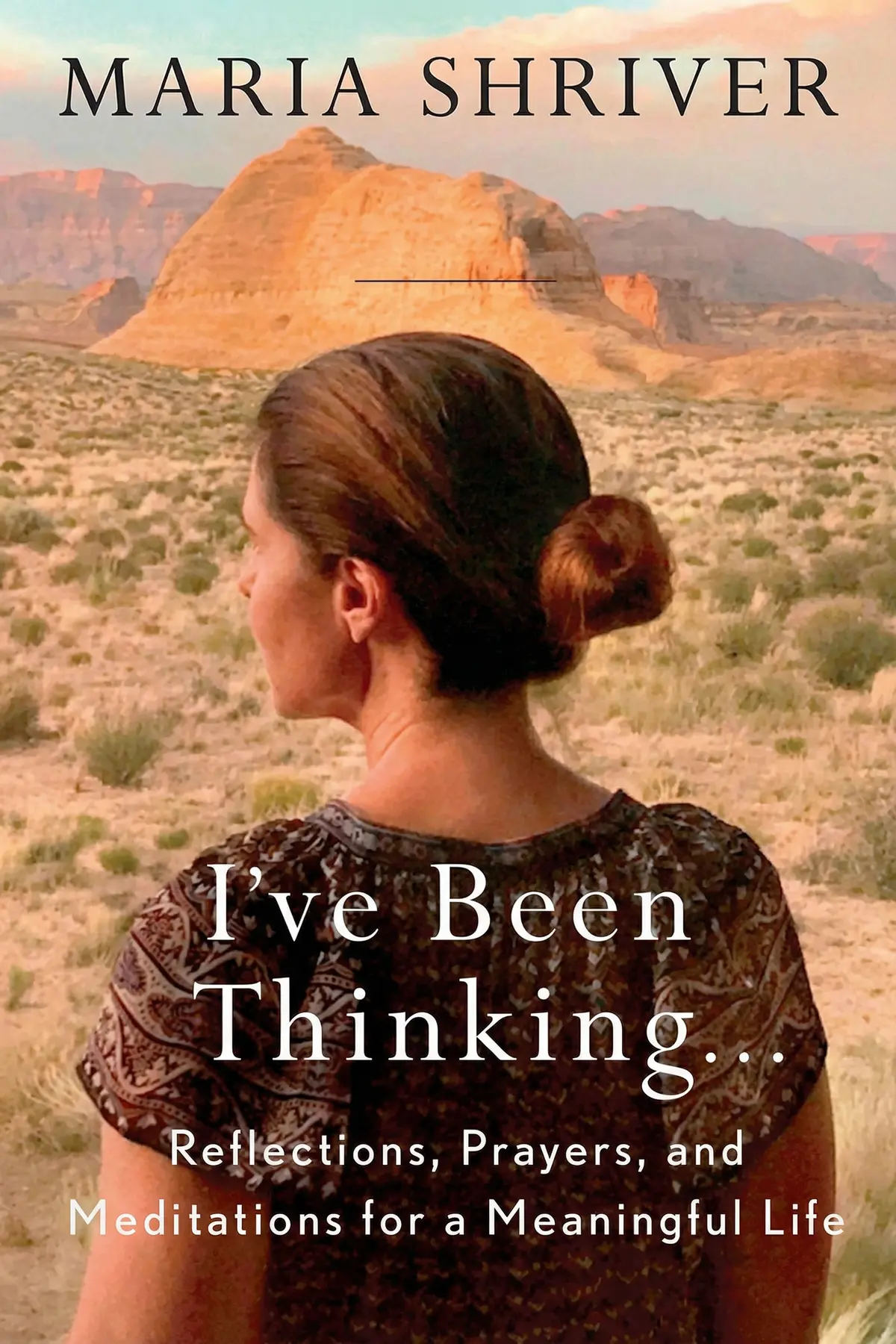
Maria Shriver offers short reflections and simple practices to help you pause and reset in a busy life. They show how to care for the people around you, grieve without rushing and drop beliefs you have outgrown.
1 min 06 sec
Most of us rush from work to worry to argument without stopping to ask what our days are for, and then feel cheated when life refuses to go to plan. In I’ve Been Thinking, journalist and former First Lady of California Maria Shriver argues that the frustration comes from expecting a perfect life, when nobody actually has one.
Since you cannot control what happens, she says, the real choice lies in how you respond, and that choice starts with a pause. Shriver has spent years urging readers of her weekly newsletter, The Sunday Paper, to slow down and look again at their lives, and everything here grows from that habit of stopping to reflect. It leads to inner calm through prayer, meditation or gratitude, to a wider and warmer idea of family, to a kinder way of grieving and to the courage to drop beliefs you have outgrown. Along the way come small, repeatable practices, from a Sunday dinner table to a New Year list, for living with more purpose and less frustration.
2 min 03 sec
A bad day at work, a piece of gossip, a flash of anger at a spouse: each can look completely different after a few quiet minutes. Shriver explains what those minutes reveal and how to claim them.
2 min 00 sec
Shriver no longer believes her childhood church holds every answer, yet she still prays almost daily. Her reasons have less to do with doctrine than with what happens inside a person who stops to ask for help.
2 min 06 sec
Women often describe raising children as if it needed an apology. Shriver turns that around, arguing that the daily work of a good mother looks a lot like the leadership businesses and governments are missing.
1 min 53 sec
When her youngest son left for college, Shriver dreaded the silence. What she did next changed her idea of who counts as family, and it relies on skills anyone can practice at home or at work.
1 min 50 sec
Friends often mean well when they say it is time to move on. Shriver, who struggled for years after her mother’s death, explains why that advice backfires and what helped her feel less alone.
2 min 01 sec
Some opinions that once felt obviously right can end up blocking the person you are becoming. Shriver shares four of her own that changed and a once-a-year ritual for sorting what to keep from what to drop.
1 min 11 sec
Shriver’s book reads like a series of Sunday mornings: short stops in a busy life to check whether you are still heading where you meant to go. Its claim is modest and practical. In her view, meaning is built from small pauses and small acts of care, repeated until they shape who you are.
That is why her closing advice points at the smallest things. People often wait for big romantic gestures and miss the love already around them: a postcard from a child on vacation, a colleague who brings coffee without being asked, a spouse who cooks your favorite meal. Shriver asks you to see these for what they are and to answer them with kindness.
You could begin this week. Block ten undisturbed minutes in your calendar and use them to ask what you want your values to be. Tomorrow morning, note a few things you feel thankful for. Invite people from different corners of your life to share a meal. And when the year turns, write down what you will bury and what you will bring.
The big questions about who you are and why you are here will keep changing. The habit of stopping to ask them is what keeps a life pointed somewhere.
Most people are too busy working, worrying and arguing to ask the big questions: who they are, why they are here, what their purpose is. Then they feel angry or let down when life turns out imperfect. Maria Shriver argues that the trouble is the expectation of perfection. You cannot change what happens to you, but you can stop, reflect and choose how to respond. Drawing on the weekly reflections she writes for her newsletter, The Sunday Paper, Shriver follows that habit of pausing into the rest of life. She describes prayer, meditation and gratitude as ways to build inner calm, and she makes the case that the care involved in raising children is a model for leadership. She shows how family can reach far beyond blood relatives, treats grief as a personal process that cannot be rushed and invites readers to question their own long-held beliefs. Readers get gentle, concrete practices to try: scheduled quiet time, a morning gratitude note, the Jesuit Process of Discernment, a weekly Sunday Dinner and a New Year Bury and Bring list.
Busy professionals who feel they are rushing through life without asking what it is for.
Parents facing an empty nest, and anyone grieving a person, a relationship or a career setback.
Readers, religious or not, looking for gentle daily practices of reflection, gratitude and care.
Maria Shriver, born in Chicago in 1955 and a niece of John F. Kennedy, is a journalist who started at KYW-TV, briefly anchored the CBS Morning News and joined NBC News in 1986, where her reporting earned a Peabody Award in 1998. She served as First Lady of California, founded The Women's Alzheimer's Movement and has written best-selling books about faith, grief and spirituality.
Listeners find this work to be a source of inspiration and deep reflection, exploring the elements of a meaningful life and offering authentic wisdom. Furthermore, they value its accessibility as a brief daily reading that provides support through challenging periods. The prose is well-regarded, with one listener highlighting the author’s humble and sincere approach to different topics. Listeners also characterize the experience as soothing and nearly meditative; one listener likened it to an oasis in a hurricane, while another noted that it establishes the right mindset for the day.
Picked this up during a particularly rough patch last month. It’s exactly what I needed—a quiet, meditative space to reflect on what truly matters when the world feels too loud. Maria Shriver writes with a surprising level of humility, sharing her own vulnerabilities rather than just preaching from a pedestal. I loved the structure of short essays followed by a prayer or meditation; it makes for the perfect morning ritual to set a positive tone for the day. While some might find the advice simple, there is a profound beauty in returning to the basics of kindness and gratitude. The way she frames our shared humanity is deeply comforting.
Show moreThis book is a treasure for anyone navigating grief or major life transitions. Shriver manages to capture the nuance of pain while still holding onto an unwavering sense of hope that feels earned rather than empty. I found myself tearing up at the chapter about her mother, Eunice, and the legacy of service she left behind. It’s a very personal read, almost like having a heart-to-heart conversation with a wise friend who isn't afraid to admit she doesn't have all the answers. The prayers at the end of the chapters provided a lovely moment of pause that I really valued throughout my reading experience.
Show moreWow, what a soothing experience it was to go through these pages. In a world that often feels like a non-stop hurricane of bad news, this book acts as a genuine oasis of calm. Shriver’s writing style is unpretentious and honest, which makes her advice on living a meaningful life feel much more grounded. I’ve started reading one section every morning with my coffee, and it truly helps shift my perspective toward gratitude before the day's stress kicks in. It’s a wonderful gift for someone going through a hard time or just starting a new chapter in their life where they need a little extra light.
Show moreTruly one of the most affirmational books I have added to my collection this year. I’m always on the hunt for ways to cement my meditation practice, and these essays provided the perfect jumping-off point for my own reflections. The quotes included are top-notch—spanning from Buddha to Carl Jung—and they really complement Maria’s own thoughts on the power of positive thinking. I especially enjoyed the part where she talks about her favorite funny movies like Bridesmaids; it made her feel so much more relatable and real. It's a comforting, uplifting guide that I know I will refer back to many times when I feel lost.
Show moreEver wonder how to find peace when your schedule is packed and your mind is racing? This book offers a gentle solution through bite-sized wisdom that doesn’t demand hours of your time. It’s essentially a collection of "life reminders" that we all know deep down but often forget in the chaos of daily life. I particularly appreciated the quotes from various thinkers like Maya Angelou and Emerson, which added a nice layer of depth to Maria's personal anecdotes. To be fair, some sections felt a bit repetitive, but the overall calming effect of her prose makes it worth keeping on the nightstand for those difficult days.
Show moreAfter hearing so much about this on social media, I finally sat down with the physical copy. The layout is beautiful, and the short-essay format makes it incredibly accessible for people who struggle to find time for long-form reading. Maria’s voice is clear and journalistic yet deeply warm, touching on everything from mental health to the importance of social kindness movements. Frankly, I wasn't sure if I would like the religious undertones, but most of the meditations are secular enough to appeal to anyone. It’s a fresh reminder that even those with immense privilege face the same internal battles as the rest of us.
Show moreFinally got around to reading this, and I was pleasantly surprised by how much I appreciated the chapter on mental health. Shriver uses a quote from Prince Harry about the fear of talking about our struggles, which felt very timely and important for readers today. The book is less of a traditional memoir and more of a daily devotional that challenges you to be your better self. Some of the advice is definitely stuff we’ve heard before, but the way she frames it with her own family stories makes it feel new. It’s a solid 4-star read for anyone needing a little extra encouragement and a reminder to breathe.
Show moreAs someone who usually avoids "self-help," I actually found a lot of value in Maria’s perspective. She doesn't claim to be a guru; instead, she writes as a fellow traveler who is just trying to figure things out like everyone else. The book is exceptionally well-edited and easy to digest, making it perfect for those moments when you only have five minutes to spare. I loved how she tackled the idea that we can find happiness even when the world is in pain. It’s a thoughtful, grounded approach to spirituality that feels very relevant for our current times and offers a much-needed sense of peace.
Show moreNot what I expected given the high praise I’d heard from friends. Look, I admire Maria Shriver’s work in the community, but this book felt incredibly superficial and filled with the kind of platitudes you’d find on a decorative throw pillow. Each chapter follows the exact same formula: a brief story, a few obvious lessons, and a prayer that felt a bit forced to me. If you’re looking for a deep, gritty exploration of the human condition like Cheryl Strayed provides, you definitely won't find it here. It’s very "feel good" in a way that feels fleeting rather than transformative or particularly intellectually challenging.
Show moreThe truth is, I struggled to stay engaged with this one. While the intentions behind the book are clearly noble and full of light, the delivery felt a bit too "safe" for my personal taste. It reads like a collection of inspirational blog posts that have been smoothed over until they lost their edge. I was hoping for more specific details about her life or more complex insights into the themes she introduced. Instead, it stayed on the surface of topics like resilience and faith without digging into the messier parts of the process. It's fine for a quick boost, but it lacks the staying power I expected.
Show moreShriver argues that our frustration comes from expecting a perfect life. Since we cannot control what happens, we should regularly pause, reflect and choose how to respond. From that habit she builds a meaningful life: inner calm through prayer, meditation or gratitude, care for family and community, patience with grief and the courage to change beliefs that no longer serve us.
No. Shriver grew up Catholic and still prays, but she uses the word God for any force larger than herself. For readers who find prayer uncomfortable, she suggests meditation and gratitude instead, such as writing three things you are grateful for each morning or meditating for ten minutes before sleep, which she says make people calmer and more hopeful.
It is a New Year ritual Shriver uses to review her habits. First she writes down the attitudes and behaviors that held her back during the year, such as a harsh inner critic, comparing herself to others or complaining at home, and resolves to bury them. Then she lists what served her well, like meditation or family dinners, and brings those into the next year.
She says everyone grieves in their own way and time, and that forcing yourself to move on because others expect it leads to suppression and denial. After her mother died she struggled for years, finding relief by writing a children’s book and connecting with others who had lost loved ones. Friends and family can act as faith keepers until you are ready.
Schedule uninterrupted time to think and ask what you want your values to be. Try a daily gratitude note or short meditation. Listen to people with real intent, write the thank-you note and consider hosting a regular dinner like Shriver’s Sunday Dinner. Notice small acts of love around you, such as a colleague bringing coffee, and return them with kindness.
Richard Wiseman

Pico Iyer


Alcoholics Anonymous World Services




William B. Irvine


Andrew D. Thompson
AUDIO SUMMARY AVAILABLE
Get the key ideas from I’ve Been Thinking by Maria Shriver, plus 5,000+ more nonfiction titles.









