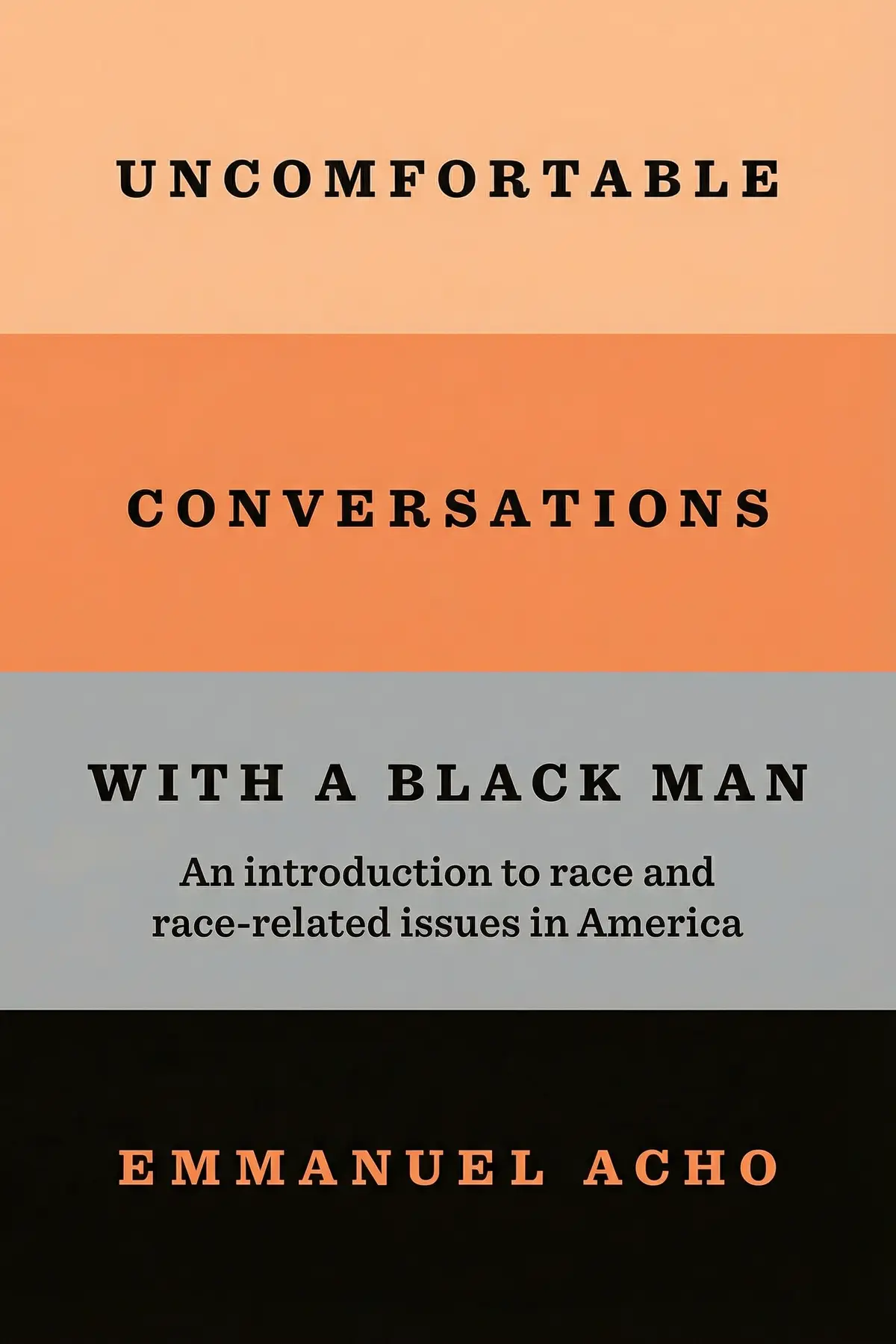
Uncomfortable Conversations with a Black Man
Emmanuel Acho
 English
Former NFL player Emmanuel Acho explains why the sensible path is often just the expected one, and how to back yourself, aim without limits and ignore doubters when you choose a stranger road.
1 min 03 sec
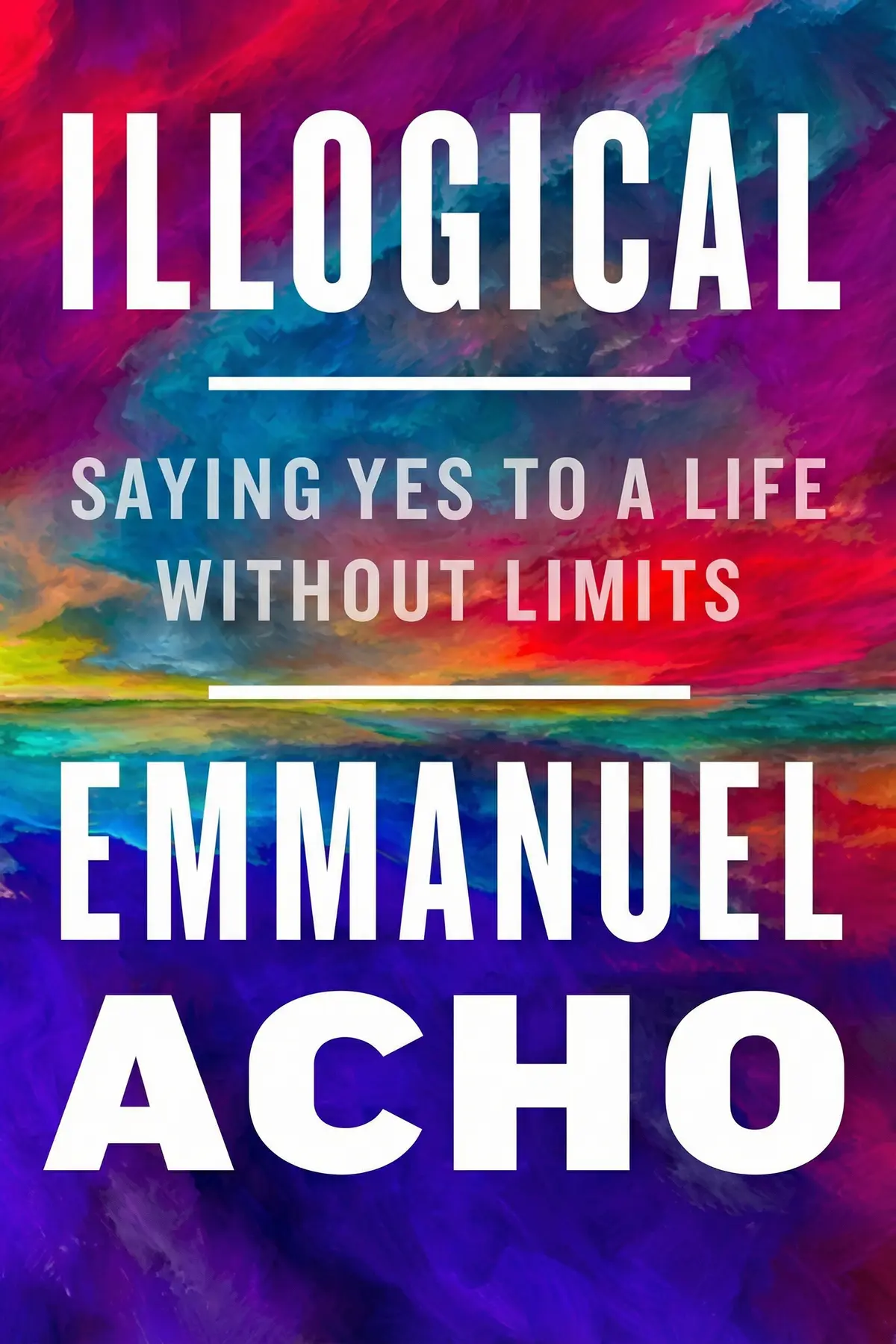
If you are stuck on a path only because everyone agrees it is the sensible one, Emmanuel Acho’s Illogical makes a blunt case: what people call logic is usually conventional wisdom, and conventional wisdom keeps changing its mind. The former NFL player turned broadcaster tells how a broken thumb ended his time as a starter for the Philadelphia Eagles and forced a choice. He could heal, train and wait for a team to call. Or he could throw his energy at the media business, a field in which he had zero experience. He took the second road.
That choice carries his whole argument: a life that makes sense for you often looks illogical to everyone else, and the way through is to believe before the evidence arrives, ignore borrowed fears and refuse limits you never chose. A blackjack player called The Kid, a shepherd with a sling, a child in earmuffs and a surprise call from Matthew McConaughey each become a habit of mind you can try on your own stuck decision.
2 min 00 sec
Everyone around Acho agreed on the sensible next move after his injury. A look at how one era’s idea of beauty became another era’s flaw suggests that sensible may mean far less than it sounds.
1 min 51 sec
A gambler with thousands on the table has a single card left to turn and the numbers firmly against him. What he does next says more about readiness than about luck.
1 min 59 sec
A teenager sure of two awards walked away with neither and cried in front of his family. The lesson he took runs straight against most advice about ambition, and a famous four-minute mile backs it up.
1 min 56 sec
An army froze in front of a giant while a shepherd who came only to deliver food walked forward. Acho faced his own giant in 2020, and he never carried a single protest sign.
1 min 51 sec
Minutes before Acho recorded the video that would change his career, a trusted colleague texted him to stop. A sleeping child at a deafening concert had already shown him what to do.
1 min 33 sec
Years of bad news had taught Acho never to answer unknown numbers. One morning over a bowl of cereal, every instinct told him to let the phone ring, and the caller was someone he never expected.
1 min 15 sec
Acho’s argument comes down to this: the sensible path is often just the crowded one. A broken thumb pushed him toward media, a lost award taught him to be wary of goals, and a doubtful text became a test he passed by ignoring it. The logic he defied was never really his.
The place to start, he suggests, is finding your “it”, the gift you are naturally good at. As a schoolboy Acho spent many hours in detention for challenging teachers and classmates about better ways to think and learn. For years he believed football was his gift. It turned out to be talking. So write down what you were naturally skilled at growing up and what you kept drifting toward. Then put time, money and resources into developing it, even when the cost feels high.
From there, the rest follows. Treat your next big aim as an open direction that no committee can award or deny. Fight with the tools you already have. When doubt gets loud just before you begin, admit it is there and keep going.
And when the phone rings with no name on the screen, consider answering. The call that changes things rarely announces itself.
A broken thumb ended Emmanuel Acho's run as a starter for the Philadelphia Eagles. The logical move was to heal, keep training and wait for another team to call. Instead he turned to media, a field where he had no experience at all, and built a career as an analyst and the creator of Uncomfortable Conversations with a Black Man. In Illogical, Acho argues that what most people call logic is just conventional wisdom, and that conventional wisdom keeps changing its mind. Living by other people's standards means chasing things someone else decided you should value. His alternative is to act on your own belief, even when it looks unreasonable from the outside. He makes the case through vivid stories: a blackjack player who doubles down against the odds, David facing Goliath, a sleeping child in earmuffs at a loud rap concert and an unknown caller who turned out to be Matthew McConaughey. Readers get a set of plain mental habits for a career or life decision that feels stuck: trading fixed goals for open objectives, using the tools they already have, tuning out doubt and finding the gift they are naturally good at.
Professionals thinking about leaving a safe career for one they have no background in.
Young people told their dream has poor odds who want a reason to try anyway.
Anyone whose plans keep getting talked down by worried friends, family or colleagues.
Emmanuel Acho grew up in Dallas, the son of Nigerian immigrant parents. He played college football at Texas and was drafted by the Cleveland Browns in 2012, later playing for the Philadelphia Eagles, and earned a master's degree in sports psychology during off-seasons. After football he became an analyst for ESPN and Fox Sports. He created the video series Uncomfortable Conversations with a Black Man, and the book of the same name and its follow-up both became New York Times bestsellers.
Emmanuel Acho

Listeners find the work highly insightful, with one listener describing how biblical lessons are applied to personal circumstances. Furthermore, the material is considered inspirational, as one listener notes that it highlights both hardships and victories. The writing style also earns praise; one listener remarks on how the author’s passion is clearly evident in the text. The book is an easy, fast read, and one listener mentions it held their focus throughout.
After hearing Emmanuel speak on a podcast, I knew I had to grab this book. The way he breaks down the difference between rigid goals and fluid dreams really clicked for me. He uses his platform to share his personal triumphs and failures, like the homecoming king story, in a way that feels incredibly authentic. Truth is, his energy is infectious, and you can tell he genuinely wants people to stop playing it safe. It’s a quick read but the message about investing in your unique gifts—your 'it'—stays with you long after you finish. If you are feeling stuck in a rut, his passion will definitely provide the spark you need to start moving again.
Show moreWow, this was such an eye-opener regarding how we limit ourselves with 'realistic' expectations. I loved how he explained that failure is just a redirection rather than an end point. Seeing him talk about his own tears after losing out on high school awards made him feel human and relatable. He has a way of taking spiritual truths from the Bible and applying them to modern struggles without it feeling like a sermon. Personally, I found the chapter on objectives versus goals to be a total game-changer for my own business planning. It’s an inspirational guide that encourages you to throw out the rulebook and trust your instincts. Highly recommend the audiobook too, as his narration is fantastic!
Show moreAcho has a specific kind of magnetism that really translates to the page. I’ve followed his football career, so seeing him pivot into this space of 'illogical' thinking is fascinating. He weaves in several biblical parables to illustrate his points about pushing past what the world calls common sense. While some might find the metaphors a bit heavy-handed, I thought they added a nice layer of depth to the self-help format. It's an impassioned plea to stop letting logic act as a cage for your potential. My only minor gripe is that it occasionally feels a bit repetitive in its messaging, but the core advice on adaptability is solid and worth the time.
Show morePicked this up because I wanted something to get me out of a creative rut. There’s a lot of talk about the four-minute mile and taking risks like a high-stakes blackjack bet, which I found surprisingly motivating. Acho writes with a lot of fire, and his transition from the NFL to media is a great example of his 'illogical' philosophy in action. Some of the advice is hard to implement because it requires a massive shift in how we view failure, but that's exactly the point he is trying to make. It’s a light, fast-paced read that challenges the safe, logical paths we’re taught to follow. Not every story landed for me, but the overall encouragement to find your 'it' was exactly what I needed this month.
Show moreThe title is definitely a bit of click-bait, but the core message is actually very rational when you think about it. What Acho calls 'illogical' is really just the ability to adapt when your original plans go sideways, which is something we all need to master. I listened to the version he narrated, and I highly recommend it because his passion as a speaker really carries the text. He talks a lot about finding your 'it'—the intersection of your talent and passion—and how to invest everything into it. While the tone can be a bit over-the-top at times, the underlying sentiment about not being tied to a single vision of success is vital for survival in today's world.
Show moreFinally got around to reading this after seeing it all over my social media feed. I think we often play it too safe because we’re afraid of what others will think, and this book is a great reminder to ignore the naysayers. The writing is very accessible and the chapters are short, which kept my attention throughout a busy week. Acho’s transition from the football field to the bestseller list is proof that his 'illogical' approach works for him. I appreciated that he shared his struggles alongside his triumphs, making the advice feel a bit more earned. Not gonna lie, some parts feel repetitive, but it’s a solid kick in the pants for anyone feeling stuck in their comfort zone.
Show moreEver wonder why some people seem to achieve the impossible while others stay stuck? This book dives into that exact question by suggesting we stop setting limitations on our potential. Acho uses his own life as a blueprint, showing how his 'it' shifted from sports to communication. The inclusion of Bible stories helped frame his points about faith and risk, though I can see how that might not be for everyone. Gotta say, his perspective on the four-minute mile was a highlight for me. It’s a quick read that packs a punch, even if a few of the personal stories felt a little bit like a humble-brag. It’s worth a read if you need a dose of inspiration to take a leap.
Show moreIs it a memoir or a self-help guide? I’m honestly torn on this one because while I respect Emmanuel Acho’s journey, the book felt a bit like a highlight reel of his own achievements. Every chapter seems to circle back to how he succeeded by being 'illogical,' which ironically feels like a very logical way to build a brand. To be fair, the section on why goals can be limiting compared to dreams was insightful, but the writing style felt a bit too much like a college essay trying to sound profound. It’s an easy read, and the Bible stories provide some good context, but I was hoping for more actionable steps and less personal aggrandizement throughout the text.
Show moreAs someone who appreciates a good success story, I enjoyed the anecdotes, but the logic was a bit circular. Emmanuel Acho is clearly a talented communicator, and his pathos is off the charts, but I felt the book lacked enough 'logos' to back up some of his loftier claims. He encourages us to be illogical, yet many of his examples are just stories of people working hard and getting lucky, which is a pretty logical outcome. The book is filled with metaphors that sometimes feel a bit forced, like he's trying too hard to make every sentence sound like a motivational poster. It’s fine for a quick boost of energy, but don't expect a deep dive into psychological theory or nuanced strategy.
Show moreThis book unfortunately leaned way too hard into what I'd call toxic positivity. Look, I enjoyed his previous work, but this felt like he was grasping at straws to turn every minor life event into an epic lesson. The way he interprets biblical stories to fit his personal narrative felt a bit misappropriated and, frankly, quite reaching at times. The 'just think it and get it' mentality ignores the reality of systemic barriers and timing, making the advice feel hollow. Plus, the jumping back and forth through his timeline made it hard to follow the actual growth he was trying to showcase. I finished it, but I wouldn't recommend it if you're looking for practical, grounded strategy rather than just metaphors.
Show moreAcho argues that what society calls logic is really conventional wisdom, which changes over time and often serves other people’s standards. Living by it means chasing what someone else values. He urges readers to take the illogical path when it fits them better, as he did when a broken thumb ended his time as an Eagles starter and he turned to media with no experience.
Acho believes a goal can become a ceiling: once you fix on a target, your mind stops looking past it. Missing a goal can also damage your sense of worth, as he learned when he lost a high school award he felt sure of. He recommends an objective with no limits, a direction for effort instead of a fixed finish line, and refused to aim at being the next Michael Strahan.
At a loud rap concert in New York, Acho saw a child sleeping through the noise thanks to wool earmuffs. He uses the image for handling doubters. Four minutes before recording his first Uncomfortable Conversations episode, a colleague texted urging him to wait. He ignored it, and the video drew 80 million views. His advice is to acknowledge criticism without letting it change your course.
It suits people weighing a risky change, such as a career switch into a field they know little about, and anyone whose plans keep being talked down by others. Readers who respond to sports stories and personal anecdotes will find Acho’s examples, from a blackjack table to an NFL release, an accessible way into ideas about belief, courage and ignoring the crowd.
Start by finding your gift: write down what you were naturally skilled at and drawn to growing up, then invest time, money and resources in it. Decide what you are willing to be illogical about, and turn fixed goals into open-ended objectives. Use the tools you already have, tune out doubt before big moments, and deliberately break one habit of automatic refusal.
Grant Cardone
Arnold Schwarzenegger

David Goggins
Jocko Willink
AUDIO SUMMARY AVAILABLE
Get the key ideas from Illogical by Emmanuel Acho, plus 5,000+ more nonfiction titles.