

14 min 02 sec
Available in: English
How to Winter: Harness Your Mindset to Thrive on Cold, Dark, or Difficult Days
Health psychologist Kari Leibowitz shows how a wintertime mindset, learned from people in Arctic Norway, can turn cold, dark months into a season of rest, coziness, outdoor time and connection, not one to simply endure.
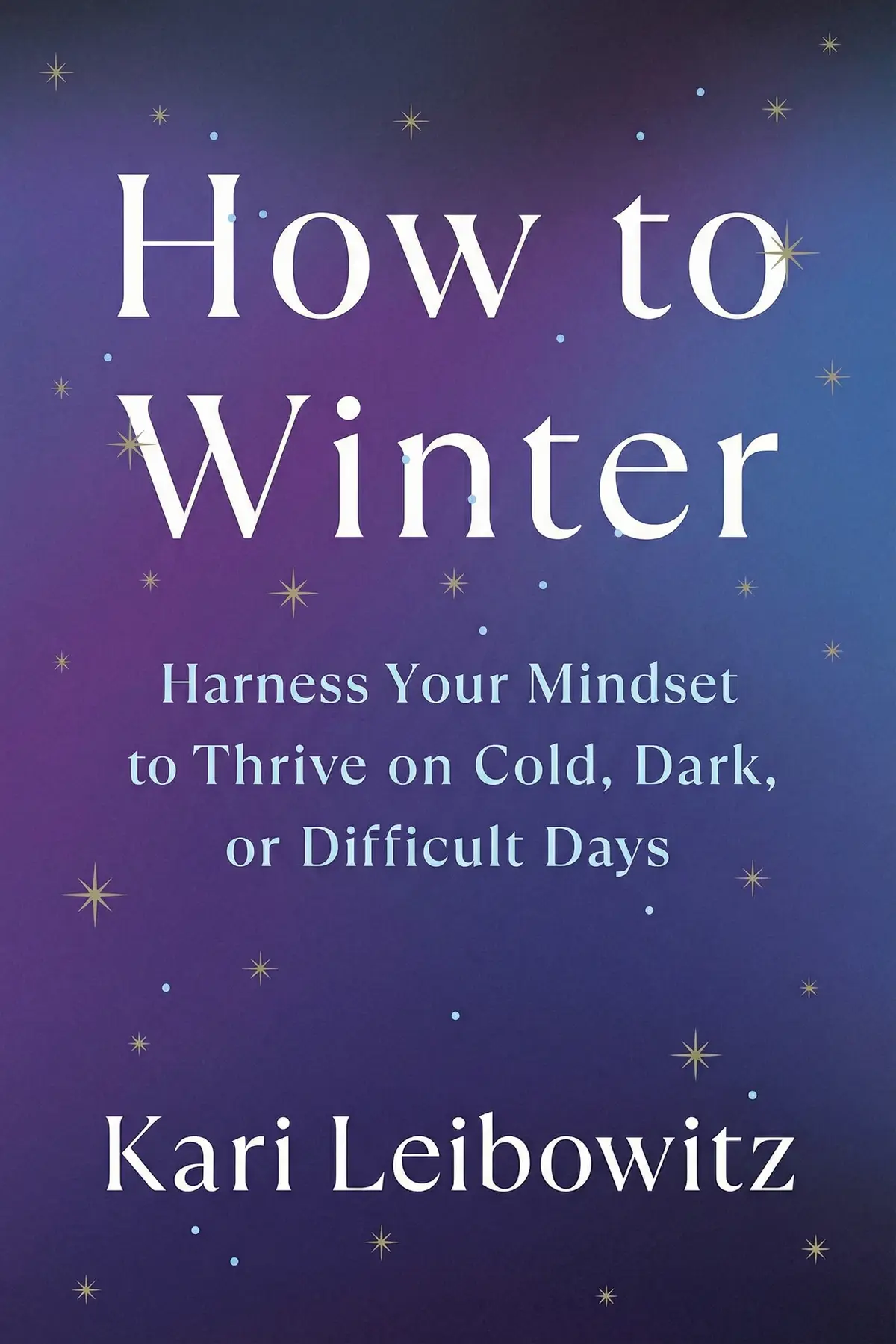
Table of Content
1. Introduction
1 min 01 sec
If the dark months leave you heavy, tired and counting the days to spring, part of the problem may sit in how you think about winter. In How to Winter, health psychologist Kari Leibowitz points to research showing that people living far in the north, where the sun can disappear for months, report relatively low rates of winter depression. That runs against the common belief that less sunlight must mean a lower mood.
Leibowitz, who did her research in Tromsø, Norway, argues that what helps these communities is a wintertime mindset: treating the cold, dark season as one with its own chances for rest, closeness and reflection. Everything else follows from that choice of focus, from the words you use to the lamps you switch on. Along the way you will pick up a Norwegian word for open-air living, an Icelandic word for the smell of cold air, and a handful of small rituals that can make the coming winter, or any hard stretch, feel like a season worth having.
2. Find what winter gives instead of what it takes
1 min 42 sec
In northern Norway the sun can vanish for months, and you might expect a population worn down by gloom. The research on those communities challenges common beliefs about latitude and sunlight, and suggests that mindset can make a real difference.
3. Set expectations that make dark months lighter
1 min 43 sec
The first early sunset of autumn can feel like bad news, and that feeling has a way of proving itself right. Leibowitz explains how the dread works and how a simple calendar habit can interrupt it.
4. Treat winter tiredness as a cue to rest
1 min 39 sec
Feeling sluggish in January is easy to read as a personal failing. A finding about sleep, and a lesson borrowed from plants, suggest your body may simply be doing what the season asks of it.
5. Talk about the cold in warmer words
1 min 44 sec
Icelanders have a single word for the scent someone carries in from the cold. Leibowitz argues that vocabulary like this does more than describe winter: it changes what we notice and how the months feel.
6. A cozy home built from light, comfort and company
1 min 43 sec
Scandinavian cafés on dark afternoons feel welcoming for reasons you can copy in an evening. One of them involves the single switch most homes use first, and turning it off.
7. A cold walk can lift your mood
1 min 42 sec
Going outside on a freezing morning sounds like the opposite of self-care. Norway has a name for doing it every day anyway, and Leibowitz shows how to turn reluctance into a habit you miss when you skip it.
8. Prepare your gear and plan gatherings early
1 min 39 sec
Snowy northern cities run smoothly through winter because they plan for it, and they throw festivals in the dark. Leibowitz shows how to apply both ideas at home, and why the payoff reaches beyond spring.
9. Conclusion
1 min 09 sec
How to Winter rests on a hopeful claim: much of what makes the dark months hard lives in the story we tell about them, and that story can be rewritten. The people of Tromsø still face long weeks without sun. What differs is where they put their attention, on candlelight, ski trails, friends around a table and the clean smell of cold air carried indoors.
That shift does not ask you to move north or to love every gray day. It asks for a few deliberate choices. Mark the start of winter with a ritual you can look forward to, and when the tiredness comes, answer it with an earlier bedtime instead of guilt. Switch off the big light one evening and call someone over. The next morning, take a short walk with a thermos in hand and notice how you feel when you come back in.
Leibowitz’s larger point is that these habits outlast the season. Anyone who has learned to find warmth in a long dark stretch is better prepared for the next difficult one, whatever month it arrives in. Winter will come either way. How it feels is partly yours to decide.
About this book
What is this book about?
For many people, the end of autumn brings a familiar dread: early sunsets, cold mornings, low energy and months of waiting for spring. Kari Leibowitz, a health psychologist who studied how residents of Tromsø, Norway, cope with the Polar Night, argues that much of that misery comes from the way we think about the season. Her case starts with research showing relatively low levels of winter depression among people in the far north, despite months with almost no sun. What sets them apart, she argues, is a wintertime mindset: treating winter as a season with its own pleasures. From there she builds a practical approach. You can set positive expectations before the season begins and treat winter tiredness as a cue to rest. Talking about the cold in warmer words helps too, as do creating hygge at home with soft light and company and making friluftsliv, the Norwegian open-air life, part of your days. Readers get a set of small, concrete rituals for the coming winter, and a way of facing hard stretches that Leibowitz believes builds resilience long after the snow melts.
Book Information
Who it's for
Drained by dark winters
People who dread shorter days and lose energy and mood every winter.
Professionals guilty about resting
Busy professionals who feel guilty slowing down when the dark months arrive.
Facing a hard season
Anyone facing a hard season of life who wants practical rituals for rest, comfort and connection.
About the Author
Kari Leibowitz
Kari Leibowitz is a health psychologist, speaker and writer with a PhD in Social Psychology from Stanford University, where she taught the continuing studies course Mindsets Matter. As a US-Norway Fulbright Scholar she studied in Tromsø, Norway, researching how residents adapt to long, dark winters. She has written about the wintertime mindset for The Atlantic, The New York Times and The Washington Post, and leads winter workshops for businesses, universities and non-profits around the world.
Ratings & Reviews
Ratings at a glance
What people think
Listeners find the research to be credible, with one listener noting how applicable the findings are to other parts of life. Furthermore, the tempo is well-received, as one listener mentions it is an excellent pick-me-up for winter months. The book effectively helps people shift their perspective on the season, with one listener highlighting how it can positively impact one's mindset.
Top reviews
Bun
Wow, I never thought I’d actually look forward to the clocks turning back in October, but this book changed everything for me. Leibowitz identifies three main approaches—Celebrate Winter, Make It Special, and Get Outside—that are simple but surprisingly difficult to implement without a conscious shift in perspective. I’ve started treating the darkness as a cue for rest rather than a hurdle to my productivity, and the mental shift has been massive. The writing style is engaging and the pacing is perfect for a cozy winter read. I especially appreciated the 'Get Outside' chapter; it’s not just about extreme sports, but about noticing the subtle beauty in the frost or the way the fog rolls in. This isn't just a book about snow; it’s a manual for finding joy in any difficult or 'dark' season of life. Highly recommended for my fellow sun-worshippers who struggle every December.
Show moreNatalie
Ever wonder why some people seem to thrive in the snow while the rest of us are huddled by the space heater? This book provides the answer, and it’s all in the head. Kari Leibowitz has written an essential guide for anyone living in a northern climate. Her research is accurate and her personal anecdotes from her time in Norway are both charming and insightful. I loved the idea that rest is not a luxury we earn, but a necessity we should embrace during the darker months. The pacing of the book kept me interested throughout, and I found myself highlight something on almost every page. I’ve already started changing the way I talk about the cold with my coworkers, and I can feel my mood shifting already. It is a fantastic pick-me-up that teaches us to stop fighting the seasons and start flowing with them.
Show moreCamila
As someone who has lived in Jersey my whole life, I've always hated the grey slush and the biting wind of January. This book was exactly what I needed to stop the spiral of winter depression. The truth is, I was my own worst enemy because I spent the whole season complaining. Leibowitz’s research into the residents of Tromsø showed me that you can actually look forward to the polar night if you have the right rituals in place. I’ve started focusing on the 'crispness' of the air rather than the 'bitterness' of the cold, and it makes a world of difference. The book is well-paced and filled with warmth, making it the perfect companion for a snowy afternoon. It's a rare non-fiction book that feels both scientifically grounded and deeply personal. I’m buying copies for all my friends who complain about the snow!
Show morePete
This book is a refreshing change of pace for anyone who treats the colder months like a prison sentence. Kari Leibowitz does an excellent job reframing our outlook on winter by showing that it doesn’t have to be a season of pure endurance. I particularly loved the section on 'making winter special' through small rituals like using warmer lighting and embracing specific seasonal hobbies. Truth is, her research on Norwegian mindsets in Tromsø feels incredibly accurate and provides a great pick-me-up for those gloomy February mornings. My only real gripe is that some of the advice feels tailored strictly to people with flexible desk jobs. Not everyone can simply adjust their work schedule to catch the three hours of available sunlight. Still, the core message about how our language and attitude affect our physical experience of the cold is powerful and widely applicable.
Show moreIsabella
The chapter on how language shapes our reality was the standout moment of this book for me. Instead of just grumbling about the 'bad weather,' the author suggests we adopt more descriptive, nuanced ways of talking about the seasons. It’s a small change, but it really works! To be fair, I felt the section on Japanese and Finnish customs dragged a bit, and I didn't quite buy the idea of the sauna being a 'great equalizer' in the way she described. However, the practical tips at the end of each chapter are excellent. I’ve already bought a few new lamps and started a winter-only craft project because of her advice. Even if you don't agree with every cultural observation she makes, the underlying science about how mindset impacts our health is undeniable. It’s a solid 4-star read that I’ll likely revisit every November.
Show moreNongnuch
Finally got around to reading this, and I was pleasantly surprised by how much of the advice applies to life in general, not just winter. The idea of leaning into 'dark times' rather than resisting them is a powerful metaphor for coping with any hardship. Leibowitz is a great guide, and her Stanford background shines through in the way she presents her data. My only criticism is that the book leans heavily on her experiences in very specific, high-income cultures. I would have liked to see more about how people in less wealthy areas 'winter' without the luxury of fancy outdoor gear or expensive candles. Despite that, the tips on getting outside and changing your home environment are very practical. It’s a quick, informative read that effectively reframes the 'winter doldrums' into something much more manageable and even beautiful.
Show moreBella
In my experience, books about 'wellness' often ignore the systemic issues that make life hard, but Leibowitz actually touches on infrastructure and accessibility. She acknowledges that 'wintering' is easier when you have a warm home and a flexible job, which I appreciated. The three-part structure of the book—Celebrate, Make Special, and Get Outside—is easy to follow and provides a clear roadmap for change. I particularly liked the section on Canadian 'Winter Cities' and how they use light and design to keep people active. While some of the cultural comparisons felt a little repetitive by the end, the overall impact of the book is very positive. It helped me reframe my outlook on the upcoming season from one of dread to one of quiet anticipation. It's a solid, well-researched guide that offers plenty of food for thought for those of us stuck indoors.
Show moreRodrigo
Picked this up because I suffer from what I thought was Seasonal Affective Disorder every year. While I appreciate the author's research and her breezy writing style, I felt the book lacked a bit of depth regarding the biological side of things. Leibowitz argues that mindset is everything, but for some of us, the lack of Vitamin D and sunlight is a physiological battle that a 'positive attitude' can’t entirely fix. Not gonna lie, the repetitive nature of the 'get outside' advice started to grate on me after a while. We get it: wear wool and walk in the park. That said, the section on how governments can improve winter infrastructure was fascinating and something I’ve never considered before. It’s a decent book with some helpful reminders, but it definitely targets a specific demographic of healthy, office-working adults who have the luxury of slow mornings.
Show moreNoi
After hearing so much hype about Leibowitz's research, I found the actual reading experience to be a bit of a mixed bag. On one hand, the central thesis—that our mindset dictates our experience—is life-changing if you actually commit to it. On the other hand, the book feels like a long-form magazine article that was stretched to meet a publisher's word count. It got repetitive around page 120, and I found myself skimming the later chapters about city planning. To be fair, her advice on 'making winter special' is lovely, but I felt like the author was occasionally talking down to the reader. As an American, her 'discovery' of European customs felt a little bit naive at times. It’s a helpful book if you’re looking for a quick mindset shift, but don’t expect anything groundbreaking if you’ve already read about hygge or lagom.
Show moreOmar
Why does a 150-page message need twice that many pages to get across? I was fascinated by the initial concept of the 'wintertime mindset,' but the book became repetitive very quickly and lost its momentum by the halfway mark. Frankly, the author’s observations about European sauna culture and Scandinavian parenting felt a bit superficial, as if she were a tourist looking in rather than an expert. As a parent of two toddlers who are constantly sick in the winter, I found many of the suggestions—like taking long, reflective walks or embracing the 'quiet'—to be completely out of touch with my reality. While the research from Stanford is interesting, the book is written from a very privileged perspective that assumes you have plenty of free time and no physical limitations. It’s a decent essay padded out into a repetitive book.
Show moreQuestions about this book
What is the main idea of How to Winter by Kari Leibowitz?
Leibowitz argues that how we experience winter depends heavily on mindset. Drawing on her time in Tromsø, Norway, she points to research showing relatively low winter depression in the far north despite months of darkness. Her wintertime mindset treats the season as a time for rest, coziness, connection and outdoor life, and she shows how expectations, language, routines and home spaces can all be adjusted to support it.
What is the wintertime mindset?
It is a way of seeing winter as a season to appreciate with its own distinct benefits, not one to merely tolerate. Leibowitz describes people in northern Norway who meet the Polar Night by gathering in warmly lit spaces, skiing and building rituals around rest. The core move is shifting attention from cold and darkness toward peaceful evenings, fresh air and time with others.
Why do I feel more tired in winter, according to How to Winter?
Leibowitz proposes that people, much like other animals, might require extra rest during the winter months. She cites a study in which REM sleep, important for emotional regulation and memory, ran up to 30 minutes longer in winter than in summer. She encourages treating that tiredness as a natural response to less daylight, going to bed earlier, trimming commitments and trying a winter sabbath that pauses nonessential tasks.
How can I apply How to Winter in daily life?
Start by marking the beginning of winter on your calendar with a small ritual. Rephrase winter complaints in warmer words, and split the season into early, mid and late phases. At home, try Big Light Off and use lamps and candles, then invite friends over. Outside, follow the Norwegian idea of friluftsliv: layer up, carry a thermos of tea and bring a friend.
Who should read How to Winter?
It suits anyone who dreads the cold, dark months or feels their mood and energy sink when days get short. It also fits people who feel guilty about slowing down in winter, and those going through any difficult period, since Leibowitz argues that the planning and perspective skills built in winter strengthen adaptability for challenges in every season.
Readers also enjoyed





A Guide to the Good Life: The Ancient Art of Stoic Joy
William B. Irvine




A High-Performing Mind: Strengthen Your Mind and Live Your Best Life
Andrew D. Thompson
AUDIO SUMMARY AVAILABLE
Listen to How to Winter in 15 minutes
Get the key ideas from How to Winter by Kari Leibowitz, plus 5,000+ more nonfiction titles.
- 5,000+ titles
- Listen as much as you want
- 7-day free trial
- Cancel anytime









