

14 min 41 sec
Available in: English
How to Be Your Own Therapist: Reclaim yourself for 2025 with this empowering self-help guide for mental health and stress management from bestselling author of Addicted to Anxiety
By Owen O'Kane
A psychotherapist's toolkit for understanding why you feel and react as you do, tracing anxiety and low mood back to old beliefs, and caring for your mind in ten-minute daily practices.
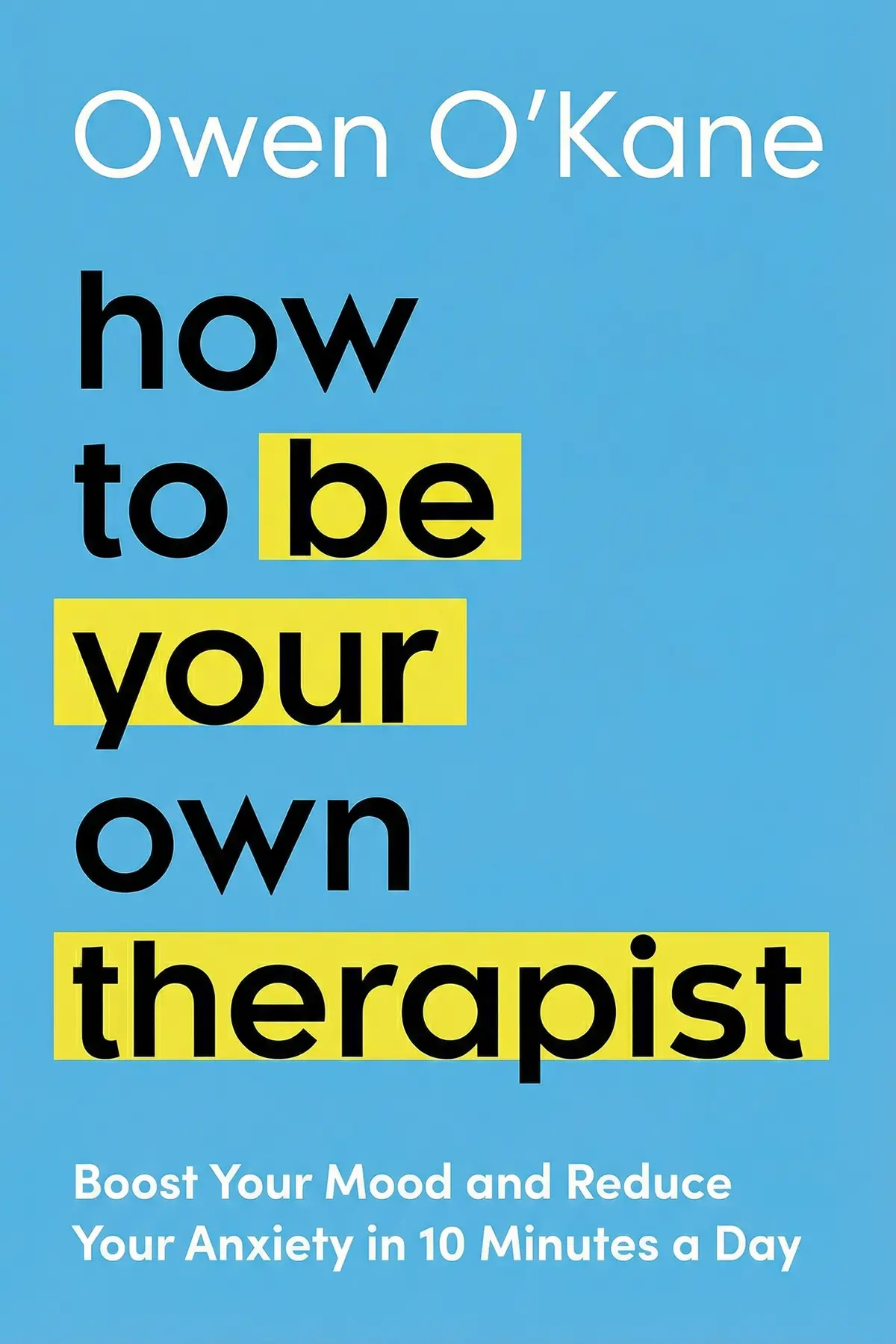
Table of Content
1. Introduction
1 min 02 sec
Plenty of capable adults can run a budget, a team and a home, yet freeze when a hard feeling arrives. In How to Be Your Own Therapist, psychotherapist Owen O’Kane argues that most of us crash-landed into adulthood without ever learning how to manage our minds, and that the basics a therapist teaches can be learned at home. After more than 25 years in mental and physical health, he tells the clients at his London practice that his goal is to make himself unnecessary by the time their work is done. He wrote this book with the same aim, partly because waiting lists in Britain’s overstretched public health service, the NHS, are long and private therapy is expensive.
His case is that self-knowledge is the real work: knowing why you react as you do, where those reactions began and how to calm them. What he offers is a way to read your own story, catch the old beliefs under your anxiety and spend ten minutes a day keeping stress from piling up.
2. Look inward before blaming the boss
1 min 51 sec
When people first walk into therapy, they usually arrive with a clear list of outside culprits. O’Kane finds the real trouble almost always sits somewhere else, and no raise or achievement can reach it.
3. Map your life's highs and lows by decade
1 min 52 sec
Most people describe their childhood with a single word that hides almost everything. A simple drawing exercise can reveal what that word covers up, but O’Kane warns there is a wrong way to do it.
4. Retire the coping habits you learned as a child
1 min 45 sec
Some of the habits that wear you out at work were once clever solutions to problems at home. O’Kane shows where perfectionism comes from, and the two moves that loosen its grip.
5. Rewrite the old beliefs behind anxiety and low mood
1 min 44 sec
Anxiety can feel like weather that arrives from nowhere. O’Kane argues it usually has a source much older than the worry in front of you, and that the source can be edited.
6. Let harsh thoughts drift past like clouds
1 min 40 sec
A single piece of criticism can produce a verdict on your whole worth within seconds. O’Kane explains why arguing with that verdict rarely works, and why some well-meant talking makes anxiety worse.
7. A kinder inner voice that actually calms you
1 min 46 sec
Before yoga, walks in nature or a cleaner diet, O’Kane puts one step first. He also draws a sharp line between calming a painful feeling and simply switching it off for a while.
8. Ten minutes a day that stop stress building
1 min 54 sec
An audience of more than a thousand people revealed a striking imbalance in how they spend their spare minutes. O’Kane’s fix fits into the same small window most of us already give away.
9. Conclusion
1 min 07 sec
O’Kane’s book rests on an unusual promise for a therapist: the work succeeds when the therapist is no longer needed. The skills he teaches are the ones he believes most of us were never given, because we were raised to get on with it. Read your story honestly, see where your coping habits and core beliefs came from, and the symptoms that send people to therapy begin to make sense. Once they make sense, they can be worked on.
None of this requires a clinic or a free afternoon. It asks for a voice that speaks to you kindly, the willingness to let a cruel thought pass without a fight, and a few minutes at the start, middle and end of each day. This weekend, sketch a single decade of your life with its highs and lows. When a harsh verdict lands, swap it for the sentence about doing your best and learning from what happened. And if the pain is more than these tools can hold, go to a professional.
The thousand people at his talk all found ten minutes for their inbox. O’Kane’s quiet challenge is to find the same ten minutes for your mind.
About this book
What is this book about?
Many adults can handle jobs, bills and families with ease, yet have no idea what to do when anxiety, low mood or a feeling of being lost arrives. Owen O'Kane, a psychotherapist with more than 25 years in mental and physical health, argues that most of us were simply never taught. Raised to get on with it, we reached adulthood without the skills to manage our own minds. His answer is to hand readers the basics of therapy itself. He shows how to tell your life story honestly, decade by decade, and how to spot the childhood coping habits, such as people-pleasing and perfectionism, that still run the show. He explains how early core beliefs feed anxiety and depression, and how to replace them with kinder ones. He also teaches how to let critical thoughts pass and how to calm yourself instead of numbing pain. The method fits into short daily practices at the start, middle and end of the day. O'Kane is clear that it does not replace therapy for people in crisis. For everyone else, it offers a preventative routine that keeps stress from building into burnout.
Book Information
Who it's for
Busy professionals feeling lost
Busy professionals who handle work and family well but feel lost when anxiety or low mood arrives.
People-pleasers and perfectionists
People-pleasers and perfectionists who want to understand where those habits began.
Facing barriers to therapy
Anyone facing long waits or high fees for therapy who wants to start understanding themselves now.
About the Author
Owen O'Kane
Owen O'Kane is a psychotherapist with more than 25 years of experience in mental and physical health. He is a former NHS mental health clinical lead, runs a private practice in London and once worked as a palliative care specialist, supporting hundreds of patients facing death. He grew up in Northern Ireland during the Troubles, which shaped his approach. He appeared in the BBC series Change Your Mind, Change Your Life, and his books include Ten Times Happier, Ten to Zen and the Sunday Times bestseller Addicted to Anxiety.
Ratings & Reviews
Ratings at a glance
What people think
Listeners describe the guide as highly practical, with one listener noting it functions as an effective structure for journaling. They also value how easy the text is to read.
Top reviews
Rung
Finally got around to finishing this and I must say the step-by-step plan is exactly what I needed. O'Kane strips away all the medical jargon that usually clogs up self-help books, making the concepts incredibly easy to digest. Personally, I found the section on the amygdala and how it drives our anxiety to be a total game-changer for my daily routine. It feels like having a compassionate professional sitting right next to you, guiding you through your own cognitive hurdles without any judgment. I've already started using the 'Minute of Therapy' techniques whenever I feel overwhelmed during work hours. The tone is remarkably touching and grounded in real-life experience.
Show moreYothaka
Wow. This is hands down one of the most touching and practical self-help books I have ever added to my collection. O'Kane has this incredible way of making you feel seen and understood, using a tone that is both professional and deeply personal. I’ve been struggling with an oversensitive amygdala for years, and his explanation of how to calm that internal alarm system was incredibly helpful. The instructions are so straightforward that you can start implementing them the same day you pick up the book. I love that it’s not just theory, but a real-world plan for someone who wants more functionality. This book has definitely helped me change my mind for the better.
Show moreEmma
This book acts as a fantastic framework for my daily journaling and has really helped me organize my chaotic thoughts. Owen O'Kane delivers a straight-forward approach that is both easy to follow and backed by very clear reasoning. I love how he openly admits to using these plans himself, which makes the whole process feel much more human. The instructions are very doable, even on the days when my motivation is low and I’m feeling particularly stuck. I’ve noticed a significant improvement in how I handle stress since I started following the step-by-step guides. It is a great read that I’ll likely revisit several times over the coming years.
Show moreWanphen
The chapter on the '10-minute daily plan' is a brilliant framework for anyone who enjoys structured journaling. While some sections tend to elaborate a bit too long on specific anecdotes, the overall utility of the book remains very high. Frankly, it provides a much-needed bridge between complex psychological theory and the practical reality of living a functional life. I appreciated how the author admits to using these same techniques for his own struggles, which adds a layer of authenticity. It’s a solid toolkit for self-reflection, even if you have to skim through the occasional repetitive paragraph to find the real gems. Definitely worth the read for the structure alone.
Show moreWeera
Owen O'Kane's approach is refreshingly no-nonsense, providing a clear roadmap for anyone looking to improve their mental well-being. By focusing on the mechanics of the brain without getting lost in academic fluff, he makes the path to happiness feel achievable. Truth is, I struggled a bit with staying focused during the longer philosophical passages, but the actionable steps always pulled me back in. The reasoning behind each exercise makes perfect sense, especially the parts regarding how we process stress and cognitive dysfunction. I bought both the paperback and the audio version to make sure the lessons really sink into my subconscious mind. This is a very doable guide for the average person.
Show moreManika
Picked this up on a whim after seeing it recommended for people who want a more functional lifestyle. Gotta say, the way Owen O'Kane structures the 'Minute of Therapy' is very clever and fits easily into a busy schedule. I did find a few parts a little bit long-winded, which made it hard to stay focused when I was reading late at night. Despite that, the clear reasoning behind the steps helped me understand my own cognitive patterns much better than other books have. It serves as an excellent framework for my morning journaling sessions and keeps me grounded. The author's honesty about his own health problems makes the advice feel much more trustworthy.
Show morePrim
Ever wonder if you could actually manage your own anxiety without a weekly appointment? This book provides a very practical answer to that question through its structured and easy-to-follow exercises. It focuses on increasing your daily happiness by tackling cognitive dysfunction with simple, repetitive actions that anyone can master. I particularly enjoyed the lack of medical jargon, as it made the science of the brain feel accessible rather than intimidating. Some of the sections are a bit dense, but if you stick with it, the rewards are definitely there. It's a great read for anyone who wants a clear plan to follow for their mental health. I’m feeling much more calm lately.
Show moreIsabelle
Look, I’m usually skeptical of 'do-it-yourself' therapy, but the touching tone and simple instructions here won me over. The author has managed to create a guide that feels both professional and deeply empathetic without using any confusing medical terms. It’s very helpful for understanding why we react the way we do, particularly concerning our 'fight or flight' responses. My only real gripe is that some chapters feel a little bit stretched out, making it slightly hard to navigate when you're in a hurry. All in all, it’s a very practical book that offers real tools for anyone wanting to improve their mental functionality. I’m glad I gave it a chance.
Show morePridi
As someone who has read a lot of psychology books, this one felt a bit hit-or-miss depending on the chapter. To be fair, the tone is very kind and approachable, which I think will appeal to many people starting their mental health journey. However, I found myself getting bored with how much some sections were drawn out before getting to the actual point. It works well as a basic framework for journaling and daily check-ins, but it might feel a little too simplistic if you're already familiar with CBT. The lack of medical jargon is a plus for readability, though I wanted more depth in the scientific explanations. It's a decent starting point for beginners.
Show moreFon
Not what I expected given all the hype, as I found the writing style to be quite repetitive and difficult to follow in places. While I appreciate the no-nonsense tone, the book felt like it was constantly circling the same few points without offering much new insight. Some sections elaborate for far too long on things that could have been explained in just a single paragraph. In my experience, the 'step-by-step' plan was a bit too basic and didn't provide the depth I needed for my specific issues. It’s probably great for someone who has never tried therapy before, but for me, it just didn't land. I really wanted to like it more than I did.
Show moreQuestions about this book
What is the main idea of How to Be Your Own Therapist?
Owen O’Kane argues that most adults were never taught to manage their minds, yet the basics of therapy can be learned and practiced at home. The core is self-knowledge: telling your story truthfully, seeing how childhood coping habits and beliefs drive today’s anxiety or low mood, rewriting those beliefs, and maintaining your mind with short daily practices instead of waiting for burnout.
What does rewriting the script mean in Owen O'Kane's book?
O’Kane traces anxiety and low mood to core beliefs formed in childhood. A child raised amid chaos or alcoholism may conclude they are not safe, and later feel anxious; a child without love may feel something is wrong with them, which can lead to depression. Rewriting the script means naming the old belief and replacing it with messages that you are safe now and loveable, after which he says symptoms ease.
How do you apply How to Be Your Own Therapist in daily life?
The book offers short practices of about ten minutes, spread through the day: one to start the morning, one at midday if you drift off track and one in the evening so stress does not carry into tomorrow. O’Kane also suggests letting harsh thoughts pass like clouds, speaking to yourself kindly and drawing a timeline of each decade’s highs and lows.
Is How to Be Your Own Therapist a replacement for therapy?
No. O’Kane says plainly that the book is not a substitute for therapy and does not claim to help people in desperate need. During intense trauma, he urges professional help. Its aim is to get readers started with accurate information and practical tools, and to offer a preventative routine for anyone who wants to understand themselves better at any stage of life.
Readers also enjoyed





Alcoholics Anonymous
Alcoholics Anonymous World Services

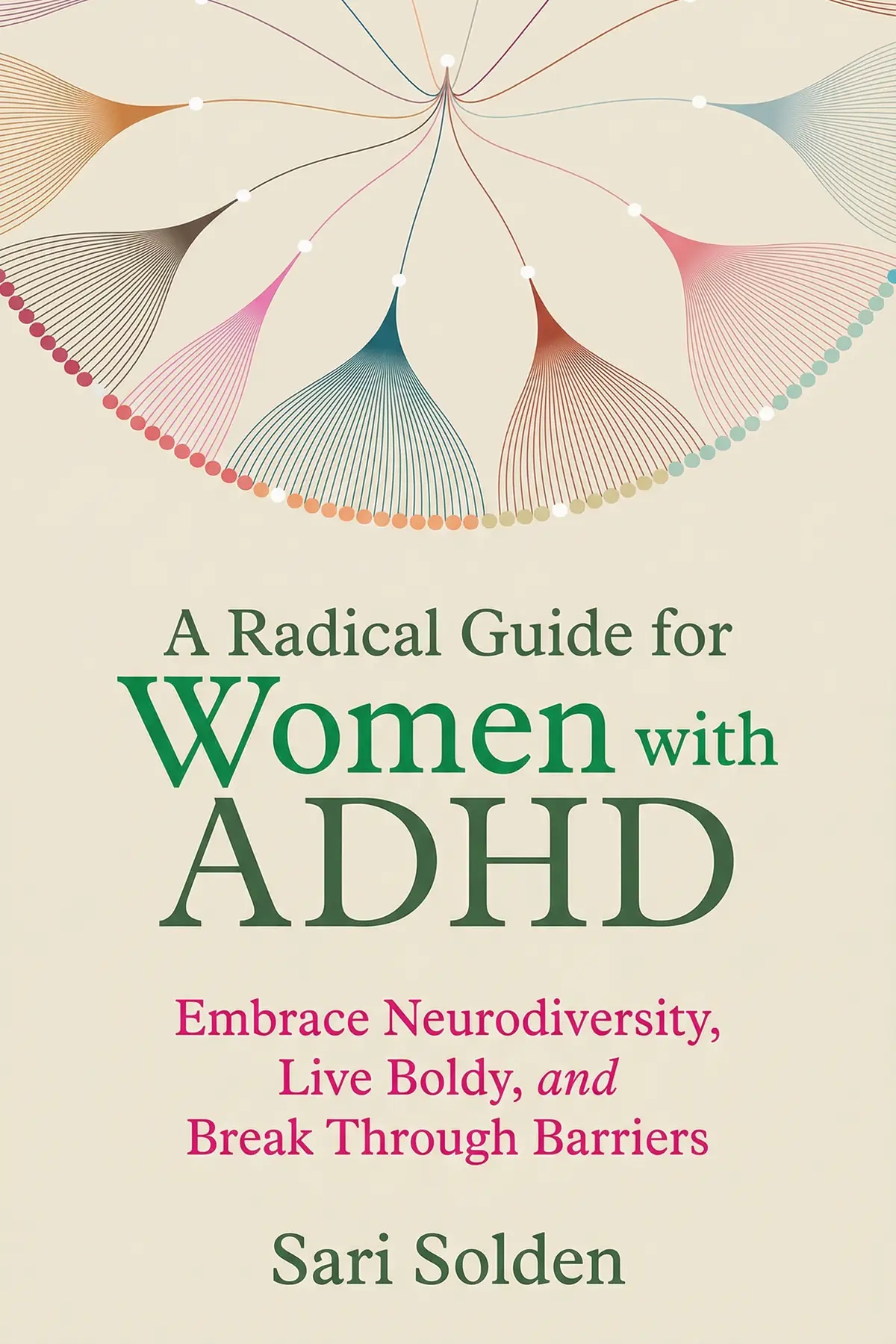
A Liberated Mind: How to Pivot Toward What Matters
Steven C. Hayes


AUDIO SUMMARY AVAILABLE
Listen to How to Be Your Own Therapist in 15 minutes
Get the key ideas from How to Be Your Own Therapist by Owen O'Kane, plus 5,000+ more nonfiction titles.
- 5,000+ titles
- Listen as much as you want
- 7-day free trial
- Cancel anytime









