
13 min 52 sec
Available in: English
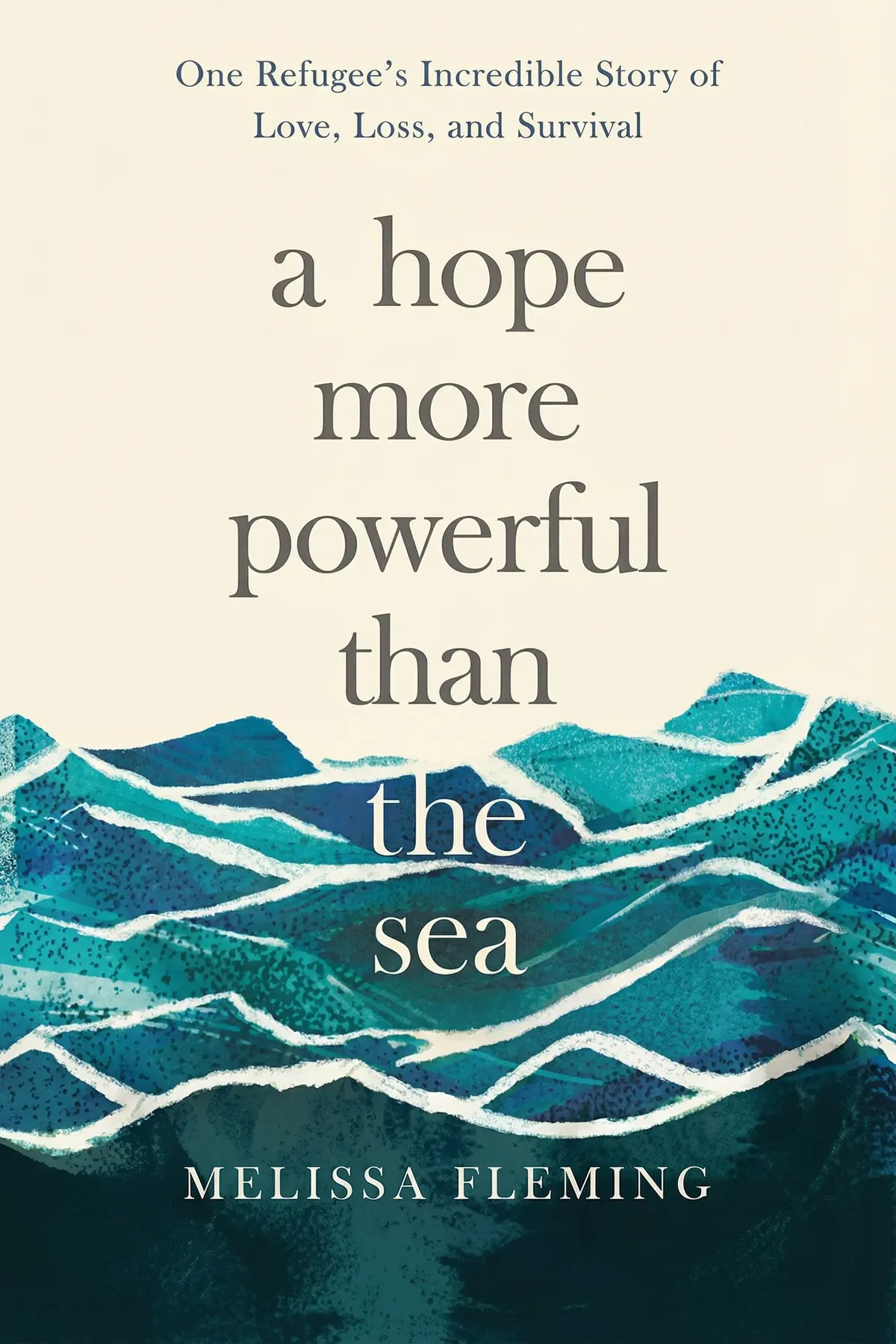
How To Be Like Walt: Capturing the Disney Magic Every Day of Your Life
By Pat Williams
Pat Williams turns Walt Disney's life into habits you can use: finding ideas in ordinary moments, taking bold risks, improving finished work, collaborating openly and mentoring young talent.
Table of Content
1. Introduction
55 sec
Most people wait for inspiration, then drop a big idea the first time money runs short or someone says no. Walt Disney thought anyone could learn to be creative, and he treated a rejection as a reason to come back better prepared. In How To Be Like Walt, Pat Williams, a longtime NBA executive and co-founder of the Orlando Magic, retells Disney’s life as a set of habits worth copying.
His case is that Mickey Mouse, Snow White and Disneyland grew from practices, not a rare gift: gathering ideas from daily life and other people, betting on them past the point of comfort, improving work that already looked finished, and investing in the young. Along the way come a traffic stop that became a cartoon, a bank loan won with pencil sketches and a builder who added fireflies to a ride. Each one carries a habit you can try at your own desk.
2. Turn early hardship into lasting work habits
1 min 42 sec
A boy who rose before dawn to deliver newspapers for no pay also turned up to school dressed as a president. Both sides of that childhood shaped the man who later built a studio.
3. Mine everyday moments for your best ideas
1 min 32 sec
A rival producer took Disney’s character Oswald the Lucky Rabbit, and a traffic officer ruined his morning. Neither left him bitter for long, and the reason says a lot about where good ideas actually come from.
4. Bet on the big idea and outlast the losses
2 min 16 sec
Snow White cost twice its budget and left the Disney brothers with nothing left to mortgage. What rescued them was not a better pitch, and the triumph that followed brought heavy losses of its own.
5. Plus every project, even when it costs more
1 min 37 sec
Disney invented a verb for a habit most of us skip once work is good enough. It brought live fawns into his studio and sent him across the country chasing a conductor.
6. Come back to a no with something visible
1 min 34 sec
Every major television network refused to fund Disney’s park, and his own brother called it folly. The second round of meetings went differently, and the idea itself had barely changed.
7. Let anyone on the team improve your idea
1 min 40 sec
A construction worker from Louisiana and a story artist with messy floors both changed how Disney worked. One gave a ride its glow; the other gave the studio a tool it used for every project.
8. Spend your success on the next generation
1 min 32 sec
Disney once phoned a high school and asked whether any student deserved his help. What he did with the name he was given shows how a career can keep paying off long after it ends.
9. Conclusion
1 min 04 sec
Williams’s portrait adds up to an argument that Disney’s magic was mostly method. A boy who delivered papers at 3:30 in the morning became a filmmaker, a park builder and a patron of young artists by doing a few things more stubbornly than others. He looked for ideas in traffic stops and recording sessions, asked a construction worker what he had missed, paid for one more improvement even though his brother was unhappy about the extra costs, and came back to the networks with a visual plan of the park.
Williams ends on one piece of advice: welcome change. When other producers believed talking cartoons would never catch on, Disney gave Mickey sound. You can start smaller. This week, write down one moment that annoyed or amused you and see whether it becomes a story. Before you hand something in, ask what would plus it. And when a project is turned down, return with something people can see.
Mickey Mouse exists because a stolen rabbit did not make Walt bitter. He simply picked up the pencil and drew again.
About this book
What is this book about?
Most people think of Disney as a giant brand of theme parks, princesses and Mickey Mouse. Pat Williams goes back to the man behind it, a boy who delivered newspapers before dawn for no pay, and asks what in his way of working made the rest possible. His answer is a set of habits. Disney treated creativity as a skill anyone could learn and pulled ideas from traffic stops, recording sessions and construction workers. He staked everything he owned on Snow White, and he pushed ahead with Disneyland when his own brother and the experts doubted him. He invented a verb, plussing, for improving work that already looked done. He opened his storyboards to every employee and spent his later years funding an arts institute and mentoring a high school student. Williams tells the story through specific episodes: the stolen rabbit that led to Mickey, the bank loan won with unfinished pencil scenes, the networks that said no and then yes, the fireflies added to Pirates of the Caribbean. Readers get a short, warm biography and a set of working habits for anyone who makes things, pitches ideas or leads creative people.
Book Information
Who it's for
Creatives waiting for inspiration
Creative professionals who wait for inspiration and want a working habit instead.
Leaders with rejected ideas
Founders and project leads whose ideas keep getting turned down by funders or bosses.
Managers and mentors
Managers and mentors who want their teams to share ideas and grow young talent.
About the Author
Pat Williams
Pat Williams started in sports as a minor league baseball catcher and then worked in a baseball front office. He became an NBA general manager in 1968, and his Philadelphia 76ers won the 1983 championship. In 1987 he co-founded the Orlando Magic and later served as a senior vice president there. He has spoken to companies such as Coca-Cola, Cisco and Honeywell, received the Naismith Hall of Fame's John W. Bunn Lifetime Achievement Award in 2012, and wrote about 100 books. He admired Walt Disney all his life.
Ratings & Reviews
Ratings at a glance
What people think
Listeners view this work as essential for Disney enthusiasts, commending the deeply researched biographical account that offers unique perspectives on Walt Disney’s journey. Furthermore, they describe it as an inspiring narrative filled with anecdotes, and one listener mentions how it translates Disney's principles into specific life applications. The book also earns praise for its inventive material, with one listener emphasizing how effectively it illustrates the power of creativity.
Top reviews
Wacharapol
Finally got around to reading this, and frankly, it is a game-changer for anyone who feels stuck in a creative rut. Pat Williams does a masterful job of breaking down Walt's life into digestible lessons that feel surprisingly applicable to modern office life. I loved the emphasis on how Walt wasn't just a dreamer, but a world-class salesman who believed so much in his product that the world had no choice but to listen. The sections on how to 'plus' an experience really hit home for me. Look, even if you aren't planning to build a theme park, the advice on persistence and ignoring the 'inner critic' is gold. It’s rare to find a biography that doubles as a legitimate blueprint for professional excellence. My favorite part was learning about how he refused to sign away television rights early on—absolute genius.
Show moreDarawan
Wow. I’m a total Disney fangirl, but I still learned so many new details about the man behind the mouse that I had never heard before. Chapter 15 had me absolutely bawling my eyes out—you definitely need to have a box of tissues nearby for that part! Truth is, this book makes you feel a little bit lazy because it shows just how much one person can accomplish with enough grit and imagination. I loved the little tidbits, like how a fourth-grade teacher scolded him for drawing faces on flowers. It’s heartwarming, inspiring, and honestly makes me want to book a trip to Disneyland immediately. This isn't just a book you read once; it’s one you keep on your desk to flip through whenever you need a boost of courage to chase your own big dreams.
Show moreWanphen
As a massive Disney fan, I thought I knew everything about Walt, but Williams proved me wrong. Picked this up on a whim and couldn't put it down. It captures that sense of pixie dust and wonder while grounding it in the reality of hard work and massive financial risks. The book teaches you that failure is just a learning experience in disguise, which is a message I really needed to hear right now. The author used more than a thousand interviews, and it shows in the depth of the anecdotes. From the Kansas City blizzards to the opening day of Disneyland, it’s an emotional rollercoaster. It’s the kind of book that makes you want to get up and actually do something with your life. Simply brilliant and deeply moving.
Show morePhichai
Picked this up because my boss gives a copy to every new employee, and now I totally see why. Not gonna lie, I’m not even a big 'Disney person,' but this book is about so much more than cartoons. It’s about having a servant’s heart and the audacity to try the impossible. The stories about Walt’s persistence, like how he kept his head down and kept trying even when Pinocchio flopped commercially due to the war, are so inspiring. It’s an uplifting read that doesn't just tell you to be better, it shows you how through specific traits like honesty and enthusiasm. Look, if you need a kick in the pants to start your own business or just improve your attitude, this is the book. It’s insightful, emotional, and practically useful.
Show moreMikael
After hearing so much hype about this bio, I finally dived in and was totally blown away. The way it’s structured is just plain neat; it feels more like a conversation with a mentor than a history lecture. I loved the focus on Walt’s 'uninspired' early drawings and how he succeeded by surrounding himself with people who were better artists than he was—that's true leadership. The book really highlights the power of creativity and the importance of never losing your sense of wonder. To be fair, there’s a lot of focus on faith, which might not be for everyone, but the universal lessons on integrity and boldness are incredible. I'll be re-reading this one every few years just to keep my own dreams on track. Five stars for the King of Dreams!
Show moreYaowaluk
This book is essentially a masterclass in visionary leadership wrapped in a very detailed, well-researched biography. I found the structure to be quite neat, moving chronologically but stopping to reflect on specific character traits like courage and competence. To be fair, Pat Williams definitely comes off as a bit of a fanboy at times, which makes the tone feel slightly uneven if you're looking for a critical academic study. However, the stories about the early days of Laugh-O-Gram and the creation of Mickey are incredibly captivating. It really illustrates how failures aren't dead ends but just pivots toward something better. I took off one star because the religious links felt a bit shoehorned in toward the end, but the historical value is undeniable. A must-read for anyone heading to the parks soon!
Show morePim
Ever wonder how one man could revolutionize film, theme parks, and technology all at once? This book provides a pretty compelling answer by focusing on Walt’s character rather than just a dry timeline of events. I especially appreciated the deep dive into Roy Disney’s role as the financial backbone—it’s a great reminder that even geniuses need a solid team. The book is well-written and engaging, though it does get a little 'preachy' in the middle sections. Personally, I found the breakdown of the seven essential components of leadership to be the most useful part of the text. It’s insightful and filled with great quotes from people who were actually there in the trenches with him. A solid four stars for anyone who wants to learn the 'why' behind the 'what' of the Disney empire.
Show moreSara
The sheer amount of research that went into this volume is staggering. It’s part biography and part business guide, which is a combination that shouldn't work as well as it does here. In my experience, most business books are dry, but this one is incredibly captivating because it uses Walt's life as a living example of 'thinking outside the box.' I did find the author's tone to be a bit over-the-top at times—he clearly adores Walt to a fault—but the core message of quality and 'plussing' is timeless. The lessons at the end of each chapter are helpful for implementing these ideas into your own career. It’s a thorough walkthrough of the early company days that left me feeling energized and ready to tackle my own projects. Definitely worth the read.
Show moreChloe
To be fair, there are three distinct elements here: the history of the studio, the motivational life lessons, and the author's frequent detours into faith and religion. While I found the first two elements absolutely fascinating, the constant religious framing was a bit of a turn-off for me personally. Not gonna lie, I almost put it down during a particularly preachy chapter. That being said, the research is top-notch. Hearing about how Walt handled the flop of Pinocchio or the way he 'pollinated' ideas like a bee across the studio was brilliant. It’s a bit of a mixed bag. If you can filter out the overt sermonizing, you’re left with a very solid look at a man who refused to believe in the existence of 'the box.' Just be prepared for a very specific worldview from the author.
Show moreNuk
I really wanted to like this since I admire Walt's creativity, but the writing style just didn't work for me at all. The author's tone is way too worshipful, and it feels more like a long Sunday school lesson than a balanced biography. Every single chapter ends with these 'lessons' that feel incredibly repetitive after a while. Plus, the way it jumps between historical facts and motivational shouting is jarring. I found myself skimming large sections just to get back to the actual history of the animation process. The man was a visionary, sure, but the 'how to' format of this book feels forced and over-simplified. If you want a deep, objective look at Disney as a businessman, you might want to look elsewhere. This felt more like a 400-page fan letter.
Show moreQuestions about this book
What is How To Be Like Walt about?
Pat Williams tells the life of Walt Disney as a series of habits anyone can adopt. He follows Disney from a hard childhood delivering newspapers to Mickey Mouse, Snow White, Fantasia and Disneyland, showing how Disney found ideas in daily life, took big financial risks, kept improving his work, listened to others and mentored young artists.
What does plussing mean in Disney's philosophy?
Plussing was Disney’s own verb for making a project better in any way possible, even when it already looked finished. For Bambi he brought live animals into the studio for the animators to draw. For Fantasia he hired conductor Leopold Stokowski and, according to Williams, invented stereophonic sound, spending extra money his brother Roy did not want to spend.
How did Walt Disney fund Disneyland?
After experts and his brother doubted the park, Disney borrowed $100,000 against his life insurance and also listed his vacation home for sale. He then proposed a television deal, but NBC, CBS and ABC all refused. He raised money from employees and Roy, had the park designed, and returned with a visual plan. ABC then put in $500,000 and helped secure $4.5 million in loans.
How can I apply the lessons of How To Be Like Walt?
Keep a note of everyday moments that annoy or amuse you and test them as stories, as Disney did with a traffic stop. Before finishing any piece of work, ask what single change would plus it. Share work in progress so colleagues can add ideas, and when a proposal is rejected, return with something people can actually see.
Who should read How To Be Like Walt?
It suits people who make things or pitch ideas: designers, writers, founders and project leads who want to keep going after a no. Managers and mentors will find examples of opening ideas to a whole team, like Disney’s storyboards, and of investing in young talent, like the student Ken Wales, whose film studies Disney paid for.
Readers also enjoyed
Ali: A Life
Jonathan Eig

A Life Decoded: My Genome: My Life
J. Craig Venter


A Long Way Gone: Memoirs of a Boy Soldier
Ishmael Beah

All Creatures Great and Small
James Herriot


A Promised Land
Barack Obama


A River in Darkness: One Man’s Escape from North Korea
Masaji Ishikawa
AUDIO SUMMARY AVAILABLE
Listen to How To Be Like Walt in 15 minutes
Get the key ideas from How To Be Like Walt by Pat Williams, plus 5,000+ more nonfiction titles.
- 5,000+ titles
- Listen as much as you want
- 7-day free trial
- Cancel anytime









