
11 min 40 sec
Available in: English
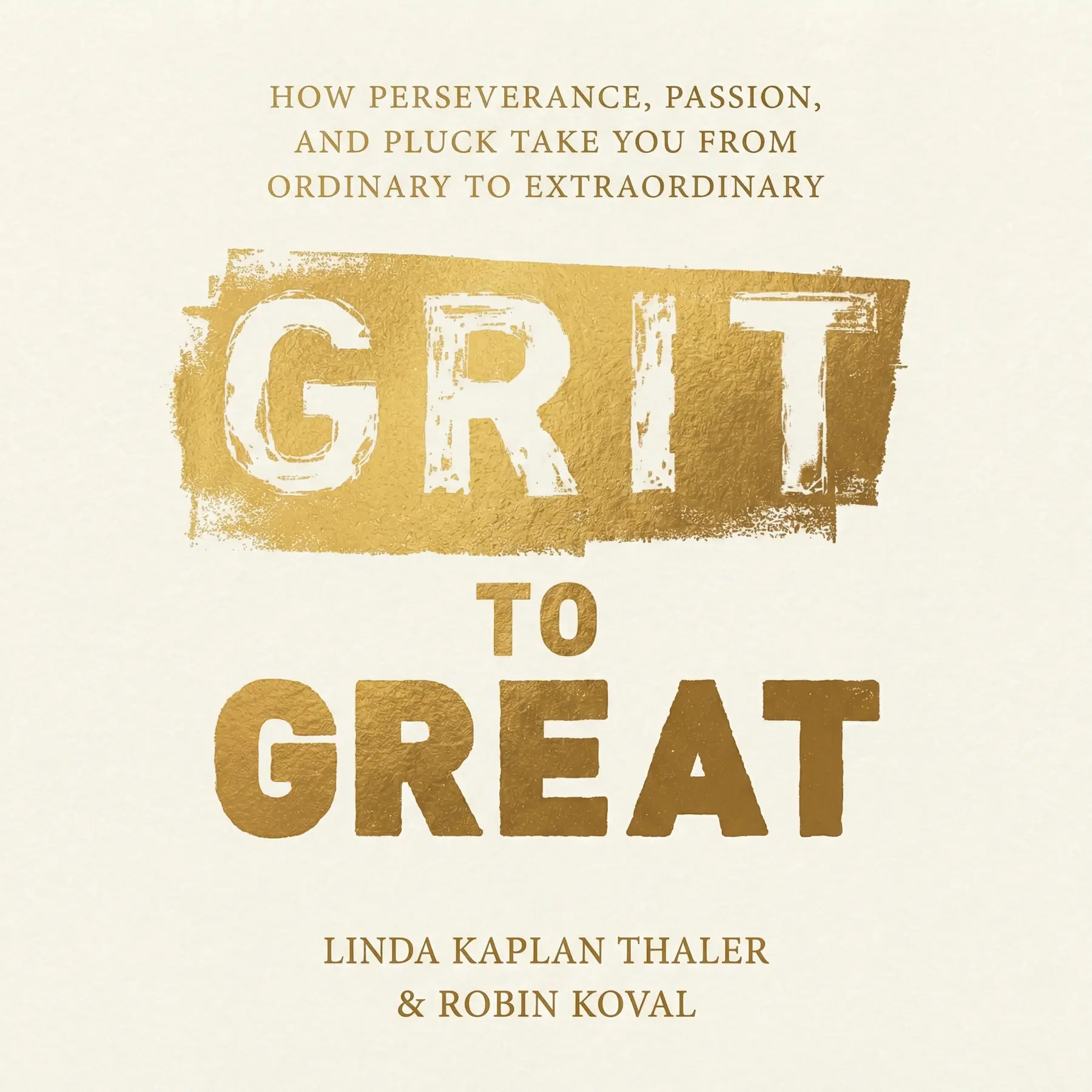
Grit to Great: How Perseverance, Passion, and Pluck Take You from Ordinary to Extraordinary
Shows why hard work, patience and resilience carry people further than natural talent. It also covers how to take smart risks, use rejection and failure, and draw motivation from helping others.

Table of Content
1. Introduction
59 sec
Plenty of people believe they gave up on a big dream because they lacked the talent for it. In Grit to Great, advertising executives Linda Kaplan Thaler and Robin Koval argue that talent is overrated, and that people who coast on it are often overtaken by those who just keep working. They call the deciding quality grit: hard work, patience, passion and the habit of getting back up after a fall.
The authors, who built the agency behind the Aflac duck, see grit behind Michael Jordan’s career, the iPhone and Oprah Winfrey’s rise. Their case is that grit, not natural gifts, carries ordinary people to extraordinary results, and that anyone can build it. Along the way there is a man who turned a hundred rejections into fame and a fisherman who wrote a bestseller at 98. There is also a practical way to decide which risks deserve a leap and which setbacks deserve a second look.
2. Beat natural talent with deliberate hard work
1 min 55 sec
Some classmates seemed to win without ever opening a book. A study of graduate students and one agency’s months-long chase for a restaurant giant suggest those easy winners are not the ones to envy.
3. Leap without a net, but scout first
1 min 59 sec
A man slipped on a wire high above the Grand Canyon with nothing below to catch him. His crossing, and one entrepreneur’s strange daily requests, show when to let go of safety and what to do when it goes wrong.
4. Stay motivated through years of slow progress
1 min 58 sec
One of history’s most admired painters sold almost nothing while he lived, yet he never stopped working. What kept him going, and how can that help someone who feels late to their own ambitions?
5. Fail forward by chasing what you could gain
1 min 46 sec
A woman diagnosed with schizophrenia and a young anchor told she was wrong for television both faced setbacks that could have ended their stories. The way they responded points to a motive most people overlook.
6. Helping others makes your own drive stronger
1 min 41 sec
Carrying a stranger’s heavy bags seems unrelated to reaching your own goals. A stay-at-home mother who went on to reach millions of children shows why giving can refill the very energy that ambition drains.
7. Conclusion
1 min 22 sec
Grit to Great makes an encouraging claim: the qualities behind remarkable careers are open to almost anyone willing to practice them. Kaplan Thaler and Koval’s examples, from an agency working shifts inside Wendy’s to a fisherman learning to read at 92, all point the same way. Persistence carries people further than talent. Grit, as they describe it, mixes hard work, patience, passion and resilience, and each part can be trained.
That makes the book practical. Trade some daydreaming for doing, as the graduate students in Oettingen’s study suggest. Before a big move, study the risks and then commit, and treat rejection as raw material, the way Jia Jiang did. On long projects, keep track of small wins. When you fail, ask what you could still gain. The authors even offer a simple pairing for two goals at once. If you have always wanted to run a marathon and also want to give up junk food, make a training plan. Then reach for your running shoes every time fast food tempts you.
None of these people waited to feel gifted. Van Gogh painted 2,000 canvases with almost no buyers. The real question is not whether you have enough talent, but whether you will keep showing up.
About this book
What is this book about?
Many people suspect they missed their dream career because they were not talented enough. Linda Kaplan Thaler and Robin Koval, the advertising executives behind the agency that created the Aflac duck, argue that talent matters far less than people think. What separates high achievers is grit: hard work, passion, patience and the habit of getting back up after a fall. The authors make their case through stories. Their own agency won Wendy's as a client by working harder than anyone else. Jia Jiang turned a hundred days of deliberate rejection into fame. A state attorney spent years losing before winning $100 billion from the tobacco industry. Eleanor Longden went from a schizophrenia diagnosis to a doctorate in psychology, and a fisherman wrote a bestseller at 98. Readers get a clear picture of grit as a set of habits, not an inborn gift. They learn to trade daydreaming for work and to scout a risk before taking it. They also learn to stay patient through long projects, treat failure as a lesson and use service to others to keep their drive alive.
Book Information
Who it's for
Early-career climbers questioning talent
Young professionals who worry they are not talented enough to reach the top.
Hesitant switchers and founders-to-be
Career changers and would-be entrepreneurs held back by fear of risk and rejection.
Long-haul strivers
Anyone in the middle of a long project or late-life ambition who needs reasons to keep going.
About the Author
Linda Kaplan Thaler
Linda Kaplan Thaler founded the advertising agency The Kaplan Thaler Group in 1997, known for the Aflac duck and Herbal Essences campaigns, and has won 13 Clio Awards. Robin Koval co-founded the agency, later served as CEO of Publicis Kaplan Thaler and led Truth Initiative, the nonprofit behind the Truth youth smoking prevention campaign. Together they also wrote Bang!, The Power of Nice and The Power of Small. The Power of Nice was a New York Times and Wall Street Journal bestseller.
Ratings & Reviews
Ratings at a glance
What people think
Listeners find the book an easy, well-crafted read, packed with useful tips and practical advice. They enjoy the motivational aspects, with one listener mentioning how it encourages people to search their souls. The text is full of actual life examples, and one listener characterizes it as being rooted in reality. The prose style gets high marks, with one review noting that every chapter is authored with passion. Listeners express varied views regarding the central idea of grit.
Top reviews
Rotjanee
Finally got around to reading this and I’m so glad I did. As a small business owner, I needed a reminder that 'grit' is more important than raw talent. The authors argue that success is about character, not charisma, and that really resonated with me. I found the real-world examples, like the story of George Foreman’s comeback, to be incredibly motivational. It’s a very easy read with practical insights that you can start using immediately. One of the best tips was just making yourself uncomfortable to build mental toughness. While some might find the advertising stories a bit much, I thought they provided a grounded look at how hard work pays off in the corporate world. It’s definitely worth a read if you feel stuck in your career.
Show moreChai
This book is a breath of fresh air for anyone tired of hearing that talent is the only way to get ahead. Linda Kaplan Thaler and Robin Koval prove that persistence and 'grit' are the real secrets to long-term success. I loved how they broke everything down into four elements: guts, resilience, initiative, and tenacity. The writing is incredibly well-written and easy to digest, making it perfect for a quick weekend read. It helped me dig deep into my own soul and reevaluate my work habits. To be fair, it is a bit short, but every page is packed with motivational content that actually feels grounded in reality. I’ll definitely be keeping this one on my shelf for whenever I need a boost of inspiration.
Show moreOrathai
Wow, I didn't expect to be so fired up by a book about advertising executives. If you were a kid in the 70s or 80s, you will truly appreciate the old-school work ethic these women promote. They talk about 'pluck' and determination in a way that feels refreshing in our modern world of instant gratification. I didn't realize who they were until they began telling the stories of the marketing campaigns they were a part of, like Aflac and Wendy’s. The stories are relatable and interesting, and the tips they give are actually doable for regular people. I’m even thinking of getting a copy for my nephew who is about to start college. It’s a straightforward look at what it takes to actually succeed when you aren’t the smartest person in the room.
Show moreCarter
Look, success isn't about being the smartest person in the room; it’s about who is willing to work the hardest. Each chapter in this book is written with so much passion that you can’t help but feel motivated. I loved the breakdown of Guts, Resilience, Initiative, and Tenacity. It really helped me dig deep into my own motivations and realize where I was slacking. The authors are incredibly grounded in reality, acknowledging that failure is just a necessary part of the learning process. I’ve started trying some of the novelty exercises to keep my brain sharp and focused. If you need a kick in the pants to get moving on your professional goals, this is the book for you. It’s short, punchy, and incredibly practical.
Show moreNit
The chapter on resilience really hit home for me. I’ve always believed that persistence outweighs IQ, and Thaler and Koval provide plenty of evidence to back that up. They use a clever acronym—Guts, Resilience, Initiative, and Tenacity—to break down what it actually takes to make it in a competitive field. I particularly enjoyed the story about James Patterson; it’s inspiring to see how many times successful people were rejected before they finally broke through. The writing style is punchy and moves fast, which makes it a great choice for busy professionals. My only minor complaint is that some of the advertising anecdotes feel a little self-congratulatory. Still, the core message is solid and the advice is easy to implement into your daily routine.
Show moreTippawan
As someone who has always struggled with self-doubt, I found this book to be quite grounded in reality. It doesn't promise magic results, just the simple truth that hard work eventually pays off. I loved the quirky suggestions for building mental novelty, like brushing your teeth with the opposite hand or saying hello to strangers in an elevator. These small habits are designed to make you comfortable with being uncomfortable, which is a key part of developing grit. The authors' background in advertising gives them a unique perspective, though at times the book feels like a series of commercials. However, the passion in their writing is evident. It’s a helpful guide for anyone who needs a little extra push to stay focused on their long-term goals.
Show moreSirinat
Ever wonder what separates the people who make it from the ones who just dream? Thaler and Koval argue it’s all about sweat, not swagger. While the message is definitely motivational, I found the book to be a bit repetitive. It's a quick read—you can finish it in an afternoon—but it essentially says the same thing over and over: work hard and don't give up. The stories about the advertising world were interesting at first, especially the behind-the-scenes look at the Wendy’s campaign, but after a while, they felt like filler. I liked the focus on resilience, yet I wish the grit-building exercises were a bit more concrete. It’s a decent entry-level self-help book, but don't expect it to change your life overnight.
Show moreGung
Picked this up at my local library after hearing a lot of hype about the 'grit' concept. It’s a decent entry-level self-help book, but it’s quite brief at only around 140 pages. The authors have a lot of passion, but the writing is a bit repetitive. I appreciated their critique of the modern self-esteem movement—I agree that we sometimes celebrate mediocrity too much. However, the exercises at the end of the chapters felt a bit vague for my taste. I wanted more 'how-to' and fewer anecdotes about the authors' marketing wins. It’s a good reminder that perseverance is key, but if you’ve read other books on this topic, you might find it a bit surface-level. Not bad, just not great.
Show moreWachira
I really wanted to like this because the concept of grit is so important, but I couldn't get past the tone. The authors spend a significant amount of time talking down to my generation, painting millennials as lazy and entitled. It’s hard to take advice from people who seem to have such a low opinion of their audience. Beyond the ageist generalizations, the book felt like one long advertisement for their own company. I learned a lot about the Aflac duck, but I didn't get many practical tips on how to build resilience in my own life. The G.R.I.T. acronym is a smart framework, but the content is just too repetitive and anecdotal for me. It’s a quick read, but ultimately, it didn't offer anything I haven't heard before.
Show moreNook
If I have to hear about the Aflac duck one more time, I might actually scream. This book is less of a guide on personal development and more of a 140-page portfolio for the Kaplan Thaler Group. The authors seem more interested in humble-bragging about their advertising triumphs than providing any actionable advice. To be fair, they mention that talent isn't everything, but then they immediately contradict themselves a few chapters later. The stories about George Foreman or James Patterson are fine, but you could find those on Wikipedia. There is zero actual instruction here, just a collection of rags-to-riches anecdotes that rely heavily on luck. Frankly, it felt like a waste of time for anyone looking for real psychological insight.
Show moreQuestions about this book
What is the main idea of Grit to Great?
Linda Kaplan Thaler and Robin Koval argue that grit, not talent, drives success. They define grit as a mix of hard work, passion, patience and resilience. Talented people often coast, while those who must strive pull ahead. The authors show grit at work in calculated risks, in patience on long projects, in learning from failure and in the motivation that comes from helping others.
Why do the authors say talent is overrated?
In their view, gifted people often learn early that they can get by without effort, so they stop improving. Less talented people have to work and tend to choose work they care about. The authors cite Gabriele Oettingen’s study of graduate students. Those who daydreamed about their goals more than they worked toward them got fewer job offers and lower pay after graduation.
How can I use Grit to Great to handle rejection?
The book points to Jia Jiang, who left a technology job to start a business and kept being turned down by investors. He began 100 Days of Rejection, making one request a day that was likely to be refused, such as borrowing $100 from a stranger. His fear faded, and the project made him famous. A smaller version, one expected no each week, applies the same idea.
What does failing forward mean in Grit to Great?
Failing forward means treating each setback as a lesson and a step toward a goal. The authors argue grit should come from focusing on what you can gain, not from fear of losing everything. Their examples are Eleanor Longden, who went from a schizophrenia diagnosis to a doctorate, and Oprah Winfrey, who was demoted from her first anchor job.
Who should read Grit to Great?
It suits people who doubt their natural ability, entrepreneurs afraid of risk or rejection, and anyone tempted to quit a long project. It also speaks to older readers who feel it is too late, using the example of Captain James Henry. He learned to read at 92 and wrote a bestselling memoir at 98.
Readers also enjoyed

60 Seconds & You’re Hired!
Robin Ryan





Be A Free Range Human: Escape the 9 to 5, Create a Life You Love,
Marianne Cantwell
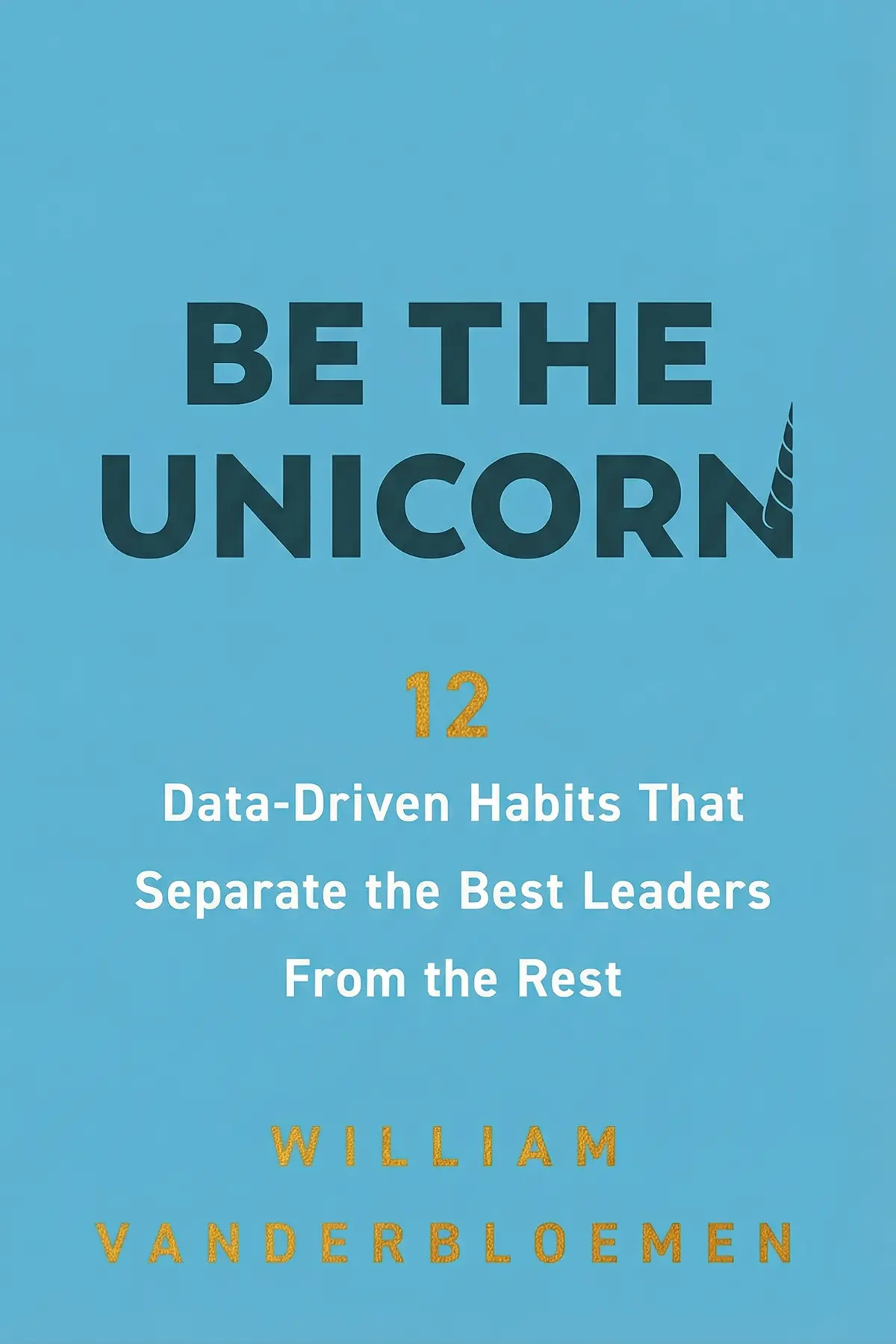
Be the Unicorn: 12 Data-Driven Habits That Separate the Best Leaders from the
William Vanderbloemen
AUDIO SUMMARY AVAILABLE
Listen to Grit to Great in 15 minutes
Get the key ideas from Grit to Great by Linda Kaplan Thaler, plus 5,000+ more nonfiction titles.
- 5,000+ titles
- Listen as much as you want
- 7-day free trial
- Cancel anytime









