
13 min 58 sec
Available in: English
 ไทย
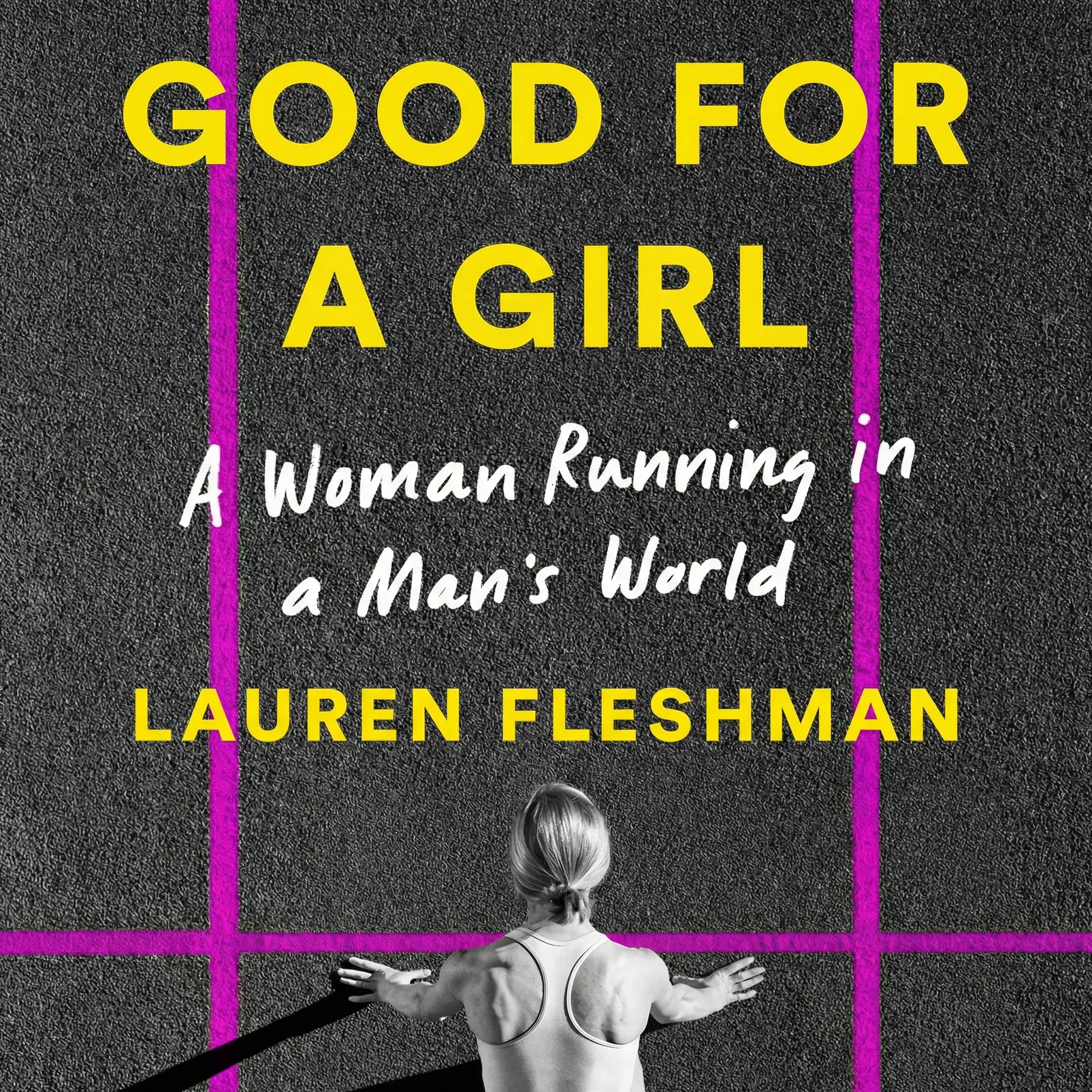
EnglishไทยGood for a Girl: A Woman Running in a Man's World
A champion runner's memoir showing how a sports system built around male bodies harms girls and women, from dropping out at puberty to underfueling and objectification, and what coaches, parents and brands can change.
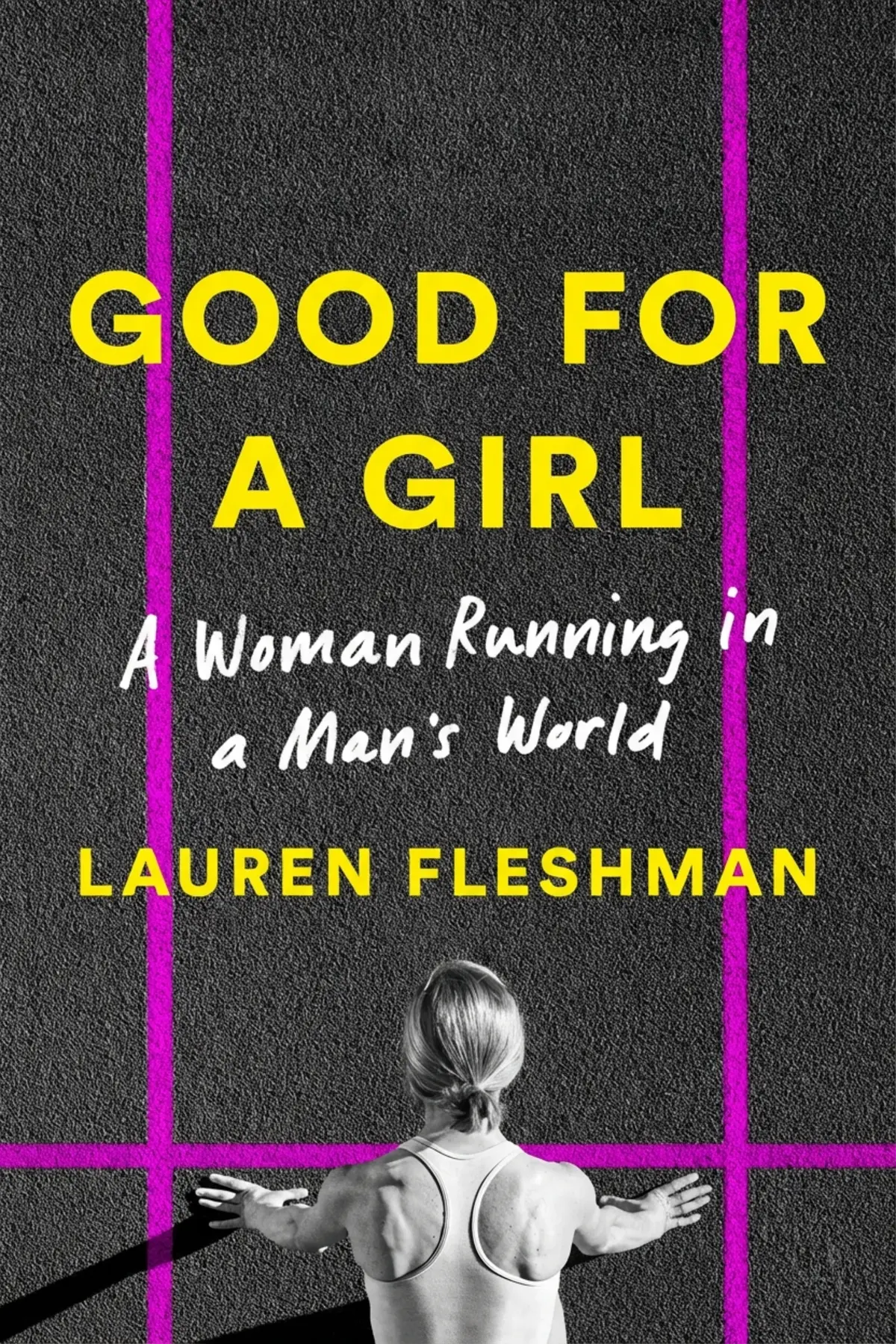
Table of Content
1. Introduction
1 min 03 sec
If you coach, parent or simply care about girls who love sport, you have probably heard a young woman’s slump blamed on effort. In Good for a Girl, elite runner Lauren Fleshman argues the real trouble is a system designed around male bodies. Until about age 12, she notes, girls keep up with boys just fine. Puberty changes that, and the sports world has rarely adjusted.
Fleshman tells it as a memoir, with her own races as the evidence: from beating boys at tetherball to running as a Nike professional, with foot injuries, missed Olympic Trials and a fight over a naked advertisement along the way. Her argument is simple. Ignoring female physiology, prizing thinness and treating women as decoration costs athletes their health, while a voice of their own and health-first coaching help them win back ground. Expect the warning signs to watch for in a girl or woman under pressure, and the specific changes Fleshman wants from coaches, brands and governing bodies.
2. Understand how puberty pushes girls out of sports
1 min 54 sec
A girl who outruns every boy in her class can lose that edge in a single gym lesson. What happens next decides whether she keeps playing, and most adults around her are not ready for it.
3. Treat a second-year slump as biology at work
2 min 08 sec
A whole team of talented women trained hard, did everything asked of them and still fell behind. Their coach saw a lack of effort. The real explanation was sitting in plain sight, and nobody had taught him to see it.
4. Spot the hidden cost of chasing race weight
2 min 02 sec
A strict routine, plenty of sleep and a lighter body looked like the perfect Olympic preparation. Then one small bone gave way, and the cause turned out to be the very thing that felt like progress.
5. Turn a sponsor's demand into your own message
2 min 00 sec
Her sponsor’s catalog was full of women who had never raced, and then the company asked her to pose naked to sell a shoe. She found a way to say no that the public remembered.
6. Build a voice when the media ignores you
1 min 44 sec
Surgery took away a year of racing just as her career peaked. The forced pause handed her something sports journalists had never given her, and she used it to reach girls far beyond the track.
7. A last-place finish that built a better team
1 min 53 sec
She entered her final Olympic Trials knowing she was not fit and crossed the line dead last. What happened in the next few minutes reshaped the rest of her career and the way she coached others.
8. Conclusion
1 min 14 sec
Fleshman’s career is full of near misses: Olympic hopes lost to a metatarsal, then a navicular, then a body that was not ready. Her memoir suggests that many of those losses had causes people could have changed. A coach who expected the second-year dip, a sponsor that saw athletes as athletes, a sport that stopped worshiping race weight: each would have rewritten part of her story. Brands that ask women to undress to sell a shoe, and media that give them a sliver of coverage, belong to the same pattern.
The healthier version starts with knowing what to look for. If a girl you know starts drifting away from sport around 14, ask about her body and her comfort before you question her commitment. If a young athlete’s weight keeps falling, treat it as a possible sign of RED-S rather than progress. And if the institutions around you see women only as models or as problems, build a channel of your own, as Fleshman did with a website and later with a team.
The picture worth keeping is the 2012 Trials: last place, and a crowd applauding anyway. That applause led her to the people who let her coach the way she wished she had been coached.
About this book
What is this book about?
Girls keep pace with boys in sport until puberty, then many quit, and the women who stay often find a system that reads their changing bodies as failure. Lauren Fleshman, an elite American distance runner, tells that story through her own career, from beating boys at tetherball to racing as a Nike professional. At Stanford she watched her whole team slump in its second year and saw coaches respond with shaming and strict diets. As a professional she chased the race weight of fellow pro runner Paula Radcliffe, broke down with a foot injury and missed the Olympic Trials. Later she pushed back against catalogs without real athletes and a request to pose naked for a shoe ad, and she built her own platform when the media paid little attention. The book ends with a team she coached herself, built around health before medals. Readers get a clear picture of where sport fails girls and women: the second-year dip, the energy deficiency known as RED-S, objectification and thin media coverage. They also get the specific changes Fleshman wants from coaches, governing bodies and brands.
Book Information
Who it's for
Girls' coaches and parents
Coaches and parents of girls in sport who want to understand slumps, dropouts and dieting pressure.
Athletes worried about weight
Runners and other athletes, especially women, worried about weight targets and repeated injuries.
Curious about sportswomen's image
Readers interested in how brands and media shape the way women in sport are seen.
About the Author
Lauren Fleshman
Lauren Fleshman is an American runner, coach and author, now retired from professional track and field. At Stanford she won five NCAA championships, and as a professional she was US 5000 meters champion in 2006 and 2010 and competed at three world championships. Good for a Girl became a New York Times bestseller and has won awards. Her writing has appeared in The New York Times and Time, she advises the women's apparel company Oiselle on brand strategy, and she hosts the Wilder Running and Writing Retreats.
Ratings & Reviews
Ratings at a glance
What people think
Listeners find this work essential for female athletes and their coaches, featuring captivating narratives from the life of a professional runner. The prose is expertly written, and listeners respect the author's transparency and thorough research. The book is both poignant and agonizing, and listeners prize its instructional depth, with one listener remarking on its ability to assist future generations of athletes.
Top reviews
Mai
As a mother of a teenage daughter who runs cross-country, this book felt like a necessary manual for survival in a world that wasn't built for her. Fleshman doesn’t just share her trophies; she exposes the structural rot within elite athletics, specifically pointing out how Nike and other giants have historically ignored the female biological reality. The way she describes the transition through puberty—the literal weight of it—was both heartbreaking and incredibly validating. Truth is, we've spent decades trying to fit girls into a male-centric training mold, and the results have been disastrous for their long-term health. Her radical honesty about eating disorders in the sport is a tough but essential read. It’s moving to see a professional athlete finally say out loud what we’ve all been whispering on the sidelines for years. I’ll be buying copies for every coach in our district because the message of empowering the athlete over just winning is one that needs to stick.
Show moreConnor
Wow, I wasn’t prepared for how much this would affect me as a former high school runner who just 'quit' when things got hard. Fleshman captures that specific agony of watching your body change during puberty and feeling like you're losing your edge. She highlights the terrifying reality that major sponsors often view pregnancy as a breach of contract rather than a natural life event. This book is a stinging indictment of the patriarchy in sports, but it’s also a love letter to the act of running itself. I loved the chapters on her professional years with Nike; seeing the 'behind the curtain' reality of their marketing was both cynical and enlightening. It’s a rare look at the mental battle of sport where the author doesn't pretend she had it all figured out. This is moving, educational, and absolutely vital for anyone who cares about the future of female athletics.
Show moreHarper
Ever wonder why we force female athletes into male-designed molds? Lauren Fleshman finally answers that question by tearing down the 'standard' and offering a new philosophy centered on the empowered athlete. The stories about racing through injuries and the fear of 'boobs and hips' ruining a career trajectory were incredibly visceral. I especially found myself gritting my teeth during the sections on how the industry treats aging and motherhood. Personally, I think the most powerful part was her realization that competition doesn't have to be about making enemies of your rivals. It’s a shift from 'good for a girl' to being great on your own terms. The research is solid, the prose is evocative, and the call to action is clear. This isn't just a book for runners; it's a book for anyone who has ever felt like they had to shrink themselves to succeed.
Show morePensuda
Finally got around to reading this after seeing it all over my social media, and it absolutely lives up to the hype. Fleshman’s transparency about the 'alien invasion' of pregnancy and the struggle to return to elite form is something you never hear about in sports media. She exposes the misogynistic underpinnings of major athletic brands without sounding like she's just grinding an axe; she has the data to back it up. I loved the focus on the mind-body-soul balance, which is so often sacrificed for the sake of a podium finish. The book is heartbreaking in its honesty about how many girls we lose to eating disorders and injuries before they even reach their potential. It’s a must-read for parents and coaches who want to do better for the next generation. The ending provides a wonderful philosophy for the future of sport that left me feeling hopeful.
Show moreMason
Truth is, every coach in America needs to have a copy of this on their desk by Monday morning. I’ve been a runner for twenty years, and yet I learned so much about the female body that I should have known decades ago. Fleshman’s critique of the male paradigm in training is spot on and long overdue. She managed to take her own elite experiences and make them feel relevant to the average jogger or the JV high schooler. The chapter on the US Championship 5k was so well-written I could feel the lactic acid in my own legs. It’s a beautiful, damning, and ultimately empowering memoir that doesn’t shy away from the 'messy' parts of a professional career. Five stars for the courage to name names and demand a better environment for our girls.
Show moreFrida
The balance between personal narrative and scientific data in this book is fascinating, though it occasionally makes for a slightly disjointed reading experience. Fleshman writes with the precision of the Stanford graduate she is, blending her race results with a sharp manifesto on how the sports industry treats women. I appreciated the deep dive into the physiology of running, particularly the parts where she challenges the 'thin at all costs' mentality that pervades Track & Field. However, some sections felt a bit like a marketing pivot for her brand, Oiselle, which distracted me from the memoir’s emotional core. Not gonna lie, the transition from her being a competitive, judgmental athlete to a supportive mentor felt a bit abrupt in the text. Still, the insight into contract negotiations and the lack of maternity support for professional runners is eye-opening. It’s a well-crafted piece of work that offers more than just your typical sports autobiography.
Show moreTawee
Picked this up on a recommendation from my daughter's coach and was pleasantly surprised by the depth of research included. Fleshman doesn't just complain about the system; she uses her platform to explain the biological 'why' behind the issues women face in endurance sports. To be fair, the writing style changes quite a bit halfway through, moving from a standard sports memoir to something much more clinical and manifesto-like. I found the earlier chapters about her high school and college days a bit long-winded compared to the high-stakes drama of her pro career. There were moments where the 'clean eating' discussions felt a bit too close for comfort, but her eventual growth is what saves the narrative. It’s a compelling look at the razor-thin line between peak performance and physical collapse. A solid four stars for the bravery it took to write this.
Show moreLuckana
It’s rare to find an elite athlete who is this transparent about the darker corners of their success, including the judging of competitors' bodies. Fleshman’s journey from a self-admitted 'perfectionist' to a coach who values the whole person is a great arc. I did feel that the book was occasionally used as a platform for Oiselle, and some of the scientific facts felt like they were interrupting the best stories. For instance, just as a race recap got exciting, we’d pivot to a three-page lecture on bone density. Despite the jerky pacing, the content is too important to ignore. The way she handles the topic of menstruation in sports—something usually treated as a taboo—was refreshing and necessary. It’s a smart, clinical, and yet deeply personal account of what it means to be a woman in motion.
Show moreKofi
Not what I expected from a standard sports memoir, but in a good way. Fleshman’s 'Good for a Girl' is less about the glory of winning and more about the cost of a broken system. I appreciated the specific details about her time at Nike and how they approached marketing to women versus actually supporting them. Some parts of the book felt a bit dry, especially when she went into the sociological weeds, but the passion behind her message kept me engaged. I wish there had been more about her daily life with her children and less about her high school accolades, but the overall impact is undeniable. It’s a shift in perspective that I think will help a lot of young athletes avoid the traps she fell into. Definitely worth the read for the insights into the 'female athlete triad' alone.
Show moreSamira
While I respect the mission behind this book, I found it difficult to finish due to the highly specific descriptions of disordered eating. Frankly, it felt less like a cautionary tale and more like a detailed account of restriction that could be quite triggering for those in recovery. Fleshman attempts to bridge the gap between being an elite athlete and a relatable human, but the first half of the book often comes across as a drone of her own perfection. She mentions her 'disappointing' 5th place finishes at NCAAs, which is hard to sympathize with if you aren't an Olympian-level talent. The writing is certainly intelligent, but the constant interruptions for history lessons or societal commentary broke the immersion for me. I wanted to love this, especially given the praise from people like Malcolm Gladwell, yet it felt like it was stuck between being a memoir and a clinical study. It is an important message, but the delivery was messy.
Show moreQuestions about this book
What is Good for a Girl by Lauren Fleshman about?
It is a memoir by elite American runner Lauren Fleshman about competing in a sports system built around male bodies. She follows her career from childhood through Stanford and Nike to coaching her own team, and argues that ignoring female physiology, obsessing over race weight and objectifying women harms athletes. Along the way she proposes changes for coaches, the NCAA and sports brands.
Why do girls drop out of sports around puberty, according to Fleshman?
Fleshman explains that girls compete evenly with boys until about age 12, then puberty sends their bodies in different directions. She cites a 2016 study of more than 2,000 British schoolgirls in which 76 percent felt self-conscious about their breasts during sport or exercise, and nearly half said it reduced how active they were. In the United States, girls drop out at a high rate around age 14.
What is RED-S in Good for a Girl?
RED-S stands for Relative Energy Deficiency in Sport. It happens when an athlete eats too little for the energy her body uses. Fleshman says it weakens bones and affects immunity, menstrual function and even the heart. She believes she had it when a reduced diet and a race-weight goal led to a foot injury that kept her out of the 2004 Olympic Trials.
What changes does Lauren Fleshman want in women's sports?
She wants coaches educated in female physiology and in RED-S, and less focus on hitting a race weight. She asks the NCAA to adopt eating disorder policies like its concussion rules. She also pushes brands to show real athletes rather than objectify them, and she argues the whole sports community must work for better policies, guidelines and training.
How can coaches and parents apply Good for a Girl?
Treat a performance dip in a teenage girl or a second-year college athlete as a possible sign of normal physical change before blaming effort. Watch for falling weight combined with injuries as a warning of underfueling. Avoid weight checks and shaming. Fleshman’s own team, Littlewing Athletics, shows the alternative: coaching that ranks long-term health above medals.
Readers also enjoyed
Ali: A Life
Jonathan Eig

A Life Decoded: My Genome: My Life
J. Craig Venter


A Long Way Gone: Memoirs of a Boy Soldier
Ishmael Beah

All Creatures Great and Small
James Herriot


A Promised Land
Barack Obama


A River in Darkness: One Man’s Escape from North Korea
Masaji Ishikawa
AUDIO SUMMARY AVAILABLE
Listen to Good for a Girl in 15 minutes
Get the key ideas from Good for a Girl by Lauren Fleshman, plus 5,000+ more nonfiction titles.
- 5,000+ titles
- Listen as much as you want
- 7-day free trial
- Cancel anytime









