
14 min 24 sec
Available in: English
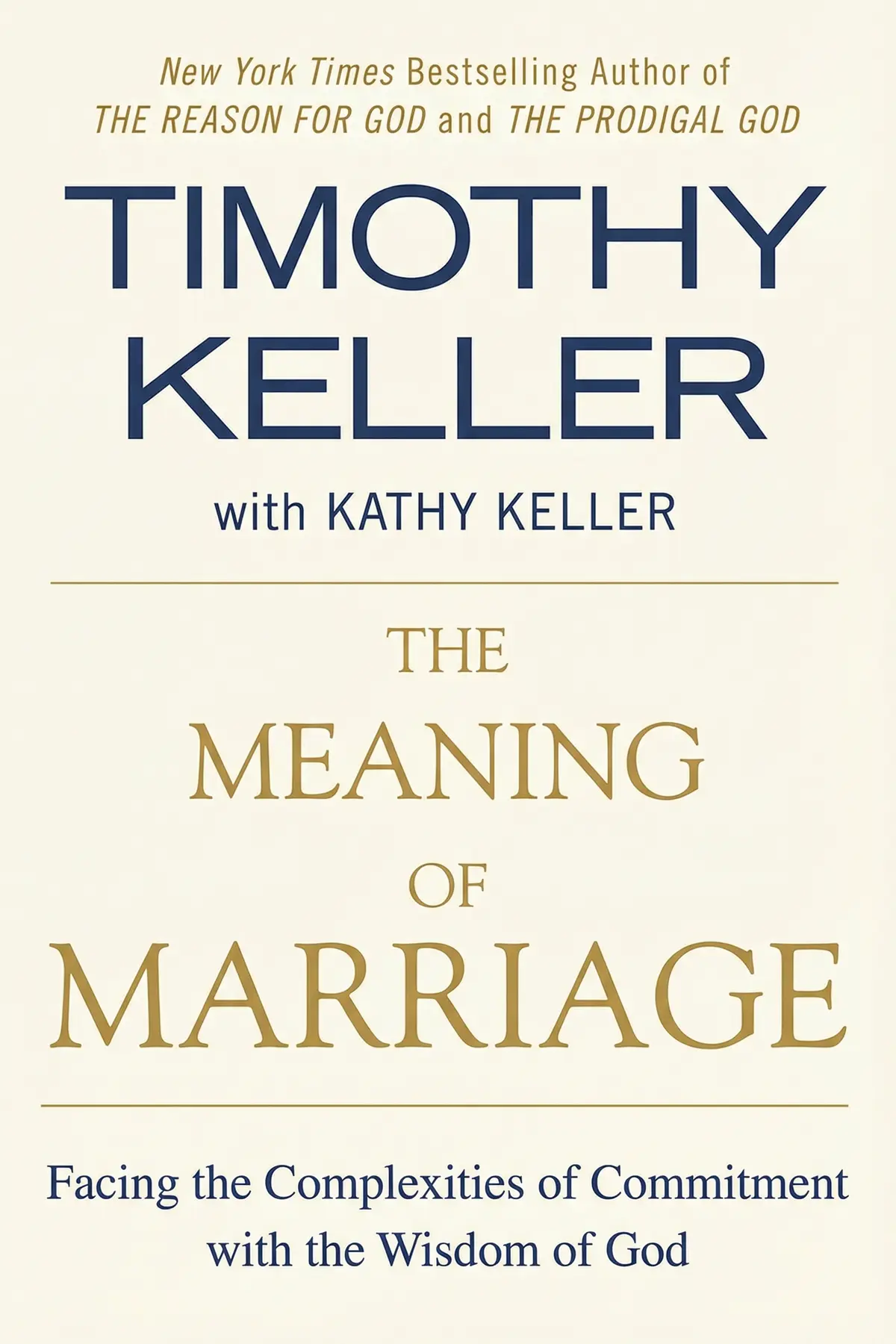
Forgive: Why Should I and How Can I?
Shows what forgiving someone actually involves: naming the wrong, absorbing the cost yourself and seeking repair. It also explains why modern culture resists mercy and why forgiveness can stand alongside justice.
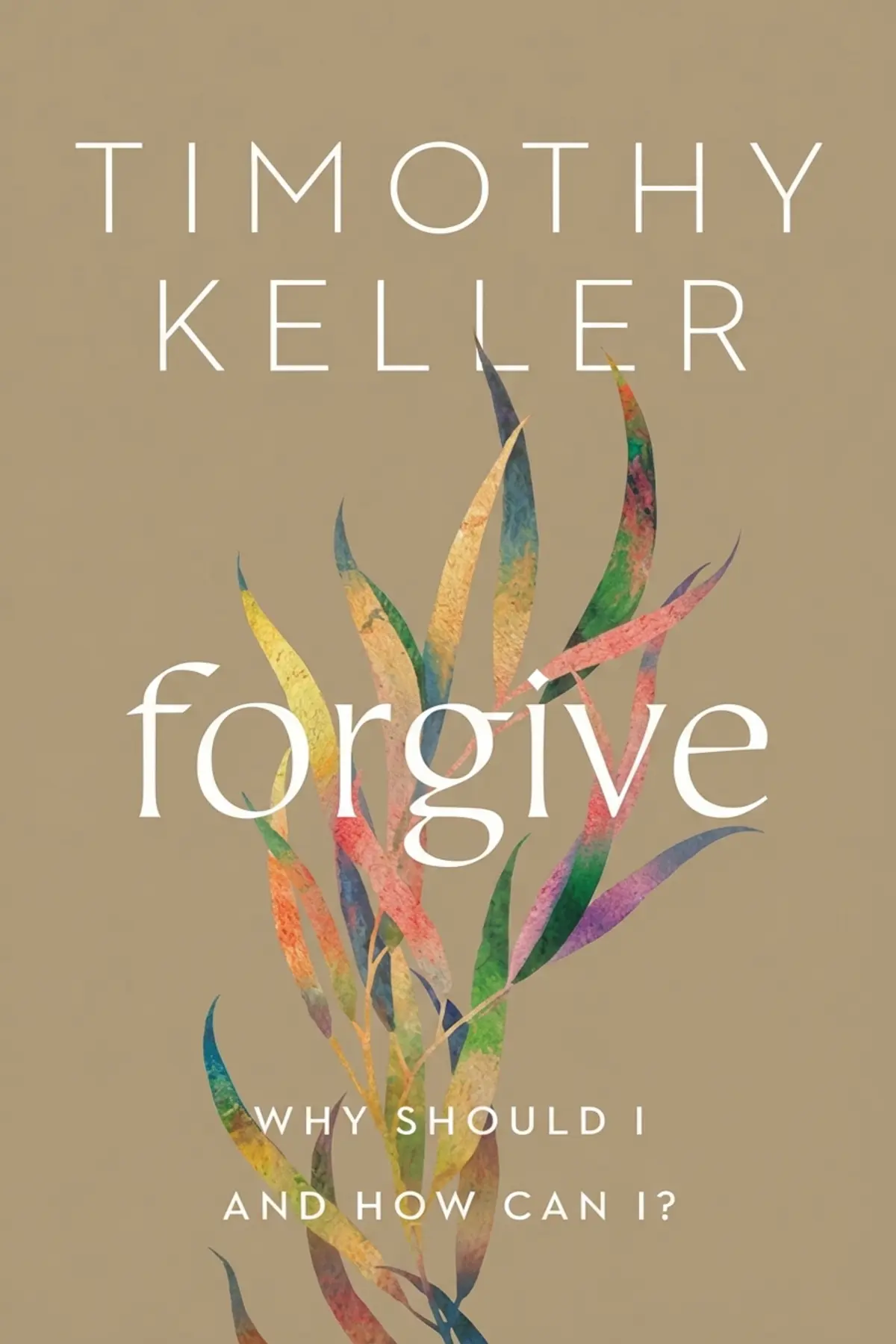
Table of Content
1. Introduction
1 min 06 sec
If someone hurt you and the anger still sits with you months later, Timothy Keller offers a plain picture of what is going on: that person owes you, and forgiving them means canceling the debt. In Forgive, Keller, the pastor who founded Redeemer Presbyterian Church in Manhattan, argues that this canceling is neither weakness nor forgetting. It is a costly choice that drains resentment, gives the offender room to change and can break a chain of harm before it passes to someone else.
Keller writes as a Christian, and his deepest reasons come from his faith, but he insists the benefits reach anyone. His case is that true forgiveness and real justice belong together, and that forgiving is something a person can do on purpose, one step at a time. Along the way, he explains why our culture finds mercy so hard, how to forgive without excusing, and what to do when you are the one who needs to be forgiven.
2. See forgiveness as a debt you cancel
2 min 00 sec
A servant is spared a debt he could never repay, then walks out and attacks a man who owes him almost nothing. Keller finds in that strange story the clearest definition of what forgiving someone really costs.
3. Spot the pressures that make grudges feel right
2 min 06 sec
After a school shooting, grieving families did something that stunned the public. Keller asks why their response feels so foreign, and traces the answer to two habits of modern culture most of us share without noticing.
4. Forgive someone and still demand justice
1 min 55 sec
Many people fear that forgiving means letting a wrongdoer walk away. A former gymnast facing the doctor who abused her showed another possibility, one that names the crime fully and still leaves a door open.
5. Name the wrong, then absorb the cost yourself
1 min 58 sec
Excusing a hurt feels generous, but Keller says it skips the real work. His method turns forgiveness from a vague hope into specific moves, and the decisive one asks you to accept a loss you did not cause.
6. Aim for repair, and own your debts
1 min 53 sec
Letting go privately can feel like the finish line. Keller argues it is only the middle, and he has demanding advice both for the person who forgives and for the one who has to ask.
7. Trade the moral high ground for shared humanity
2 min 10 sec
Two people pass an old woman on a dark street and neither robs her. Keller argues their reasons can be completely different, and that the difference decides whether anything they later call forgiveness is real.
8. Conclusion
1 min 16 sec
Keller’s argument comes back to the gap between two debts: the impossible one the king canceled and the single dollar the servant would not let go. The point of that image is not guilt. It describes how forgiveness works. Every wrong leaves something owed, and someone has to bear the cost. Holding on to it keeps the hurt alive and sends it on to others. Absorbing it ends the transfer, and it can happen while consequences still do their work in the open.
What follows is practical. When a hurt keeps coming back, name exactly what was done and tell the person, instead of letting it harden into silent bitterness. Separate them from their act without making excuses for it, and decide that the loss is yours to carry. Leave the door to repair open, and support real change if they repent, without dropping the accountability that protects others. When you are the one at fault, admit it plainly and ask someone to hold you to your promise to change.
The Amish families did not forget their children, and Rachael Denhollander did not keep quiet about her abuser. Both forgave. Neither one let go of the truth.
About this book
What is this book about?
Almost everyone has been hurt by someone, and almost everyone has hurt someone else. What to do afterward is hard. Should you let it go or make the person pay? If you punish, how much is enough? And why should the one who was wronged carry the burden of forgiving? Timothy Keller answers these questions from his Christian faith, and he argues that his answers serve believers and non-believers alike. He defines forgiveness as canceling a debt, using Jesus' parable of the unforgiving servant. He looks at why today's culture of outrage and personal feeling makes mercy rare, and he uses cases such as the Amish families of a Pennsylvania school shooting and gymnast Rachael Denhollander to show that forgiveness and justice can work together. Readers get a clear method: identify the wrong, separate the act from the person, absorb the debt and seek to restore the relationship. Keller also covers what it takes to ask for forgiveness yourself, and why forgiving out of pride or a sense of superiority is something else entirely.
Book Information
Who it's for
Replaying an old hurt
People who keep replaying an old hurt and want a clear, honest way to let it go.
Christians and curious skeptics
Christians and curious non-believers wondering how mercy fits with justice and accountability.
Giving or seeking forgiveness
Managers, parents and partners who need to give or ask for forgiveness after real harm.
About the Author
Timothy Keller
Timothy Keller (1950 to 2023) was an author born in Pennsylvania who founded Redeemer Presbyterian Church in Manhattan. He studied at Bucknell University and trained at the Gordon-Conwell and Westminster theological seminaries. In 1989 he and his wife, Kathy, started Redeemer Presbyterian Church in Manhattan, and he co-founded Redeemer City to City, which trains pastors and plants churches in cities around the world. His New York Times bestsellers include The Reason for God, The Prodigal God and Prayer.
The Reason For God: Belief In An Age Of Skepticism
Timothy Keller
Ratings & Reviews
Ratings at a glance

What people think
Listeners find that this book emphasizes the core principles of genuine forgiveness while providing actionable steps throughout each chapter. Furthermore, they value its clear style, empathy, and challenging ideas, with one listener highlighting how it merges biblical wisdom with real-life insight. The caliber of the prose is also highly praised, and listeners admire the book's genuine nature. Nevertheless, several listeners mention it is not the easiest read.
Top reviews
Maya
Wow. Keller has a way of taking a concept as overused as "forgiveness" and making it feel like you are hearing it for the first time. He argues that forgiveness isn't just about moving on; it’s about absorbing the cost of the wrong into your own heart, which is profoundly disruptive to our modern sense of justice. While the book can be intellectually dense in places, the Gospel-saturated responses to our cultural hang-ups are incredibly refreshing. I found myself lingering on the idea that our true capacity to forgive others only flows from our own experience of being forgiven by Christ. It is not a light afternoon read, but it is definitely one of his most vital contributions to the church. The writing is clear, reasonable, and masterfully articulate.
Show moreHannah
The chapter on granting forgiveness—specifically Chapter 10—is worth the entire cost of the book on its own. It provides a practical, step-by-step roadmap for a process that often feels vague and unattainable in most Christian literature. I also appreciated how the appendices functioned as a mini-manual for reconciliation, addressing those "what if" scenarios that usually go unanswered. Truth is, Keller doesn't shy away from the hard stuff, like how forgiveness often happens in a hundred small moments rather than one grand gesture. While some might find the structure a bit academic, the heart behind it is clearly pastoral and deeply concerned with the reader's spiritual health. It is a gift to anyone who has ever felt stuck in bitterness.
Show moreThanakorn
This book dusted off cobwebs in my heart that I did not even realize needed dusting in the first place. I went into this thinking I had a pretty firm grasp on the theology of grace, but Keller’s "disruptive" approach proved me entirely wrong. He explains that forgiveness is a form of voluntary suffering, which is a convicting thought when you are nursing a deep grudge. Not gonna lie, I had to put the book down several times just to process the weight of what was being said about the cross of Jesus Christ. It is an encouraging conviction, the kind that draws your heart deeper into truths you already believe but have lost amazement for. Truly, this is Keller at the pinnacle of his writing.
Show moreSven
Ever wonder why it is so much easier to talk about grace than it is to actually practice it in your own relationships? Keller tackles this head-on by showing how the cross is the only pathway to individual forgiveness. He makes a compelling case that we cannot truly forgive others until we have been thoroughly leveled by our own need for mercy. I loved the emphasis on how forgiveness is essentially an act of taking the debt on yourself so the other person does not have to pay it back. It is a hard, Gospel-saturated pill to swallow, but it is the only thing that actually brings peace in the long run. Highly recommended for anyone who feels trapped in a cycle of hurt and retaliation.
Show moreSamroeng
In a culture where "everything is permitted but nothing is forgiven," this book serves as a much-needed correction. Keller is incredibly articulate here, laying open the heart of what it means to live as a forgiven person in a broken world. I was particularly struck by how he describes forgiveness as a process that occurs in the heart before it ever manifests in a conversation. The authenticity of the prose makes it clear that he is not just theorizing; he is speaking from a place of deep conviction and wisdom. It is a timely word that feels both urgent and timeless, providing a roadmap for anyone drowning in a sea of modern outrage. This might honestly be his best work since The Reason for God.
Show moreSayan
Picked this up with a bit of arrogance, thinking I already knew everything there was to know about the topic from a biblical perspective. I was wrong, and I am glad for it, because the insights here are nothing short of life-changing. Keller shows that forgiveness is the only way to break the cycle of retaliation that is currently tearing our society apart at the seams. The way he balances the need to receive grace with the obligation to give it is masterfully done. It is not a light or breezy read, but the richness of the truth it offers makes every page worth the effort. This is definitely a book I will return to many times over the coming years for its profound real-life insight.
Show moreLillian
Finally got around to reading this, and frankly, it lived up to the hype. Keller manages to blend ancient biblical wisdom with a sharp-eyed look at how our current society views accountability and grace. One of the best takeaways for me was the distinction between the internal heart work and the external reconciliation process. Sometimes the prose gets a bit bogged down in philosophical debates, making it not the easiest read for a casual Sunday afternoon. However, the sheer authenticity of the writing makes the effort worthwhile. It is a timely word for a world that seems to have forgotten how to offer mercy without compromising truth. I appreciated the roadmap provided in the early pages, though it took some work to digest.
Show morePla
As someone who sometimes struggles with dense theological texts, I found this to be a bit of a mountain to climb, though the view from the top was excellent. Keller excels at expositing the culture, showing us exactly why our modern world is so quick to cancel and so slow to reconcile. He argues that without a Gospel-centered foundation, we simply lack the capacity to handle the wrongs done to us without becoming bitter. The writing quality is top-notch, though some of the appendices felt like they should have been integrated into the actual chapters to help the flow. It is a thought-provoking piece that demands your full attention and rewards you with a much deeper understanding of God’s character and our own need for mercy.
Show moreDao
To be fair, I expected something a bit more practical and less heavy on the philosophical framework. While the principle stuff was excellent, I occasionally felt like the author was pointing to other resources rather than giving the answers right there in the main text. There were moments where he would say "lots more could be said about this elsewhere," and I was left wishing those insights were included in the body of the book instead of the back. It is a solid read because the theological depth is undeniable, but it felt a bit like a lecture series at times. If you are looking for a quick "how-to" guide with immediate applications, this might feel a little too detached from the messy reality of daily life.
Show moreKwan
Look, I love Tim Keller’s work, but this was not quite what I was looking for in terms of a practical manual. It is deeply Biblical and points everything back to the staples of the faith, but it felt a bit repetitive in the middle sections. I personally would have preferred fewer contemporary philosophical questions and more real-life anecdotes to help ground the theories in everyday situations. That said, the core message about the importance of being forgiven is something we all need to hear over and over again. It is a solid book with great intentions, even if the academic tone makes it feel a bit distant at times compared to his earlier, more accessible works. It requires a lot of mental energy to finish.
Show moreQuestions about this book
What is the main idea of Forgive by Timothy Keller?
Keller defines forgiveness as canceling a debt. When someone wrongs you, they owe you, and forgiving means you stop holding it against them by absorbing the loss yourself. He argues that this ends resentment, gives the offender a chance to change and can break cycles of abuse. He also insists that forgiveness does not cancel justice: wrongdoers should still face consequences so they do not harm others.
What are Timothy Keller's steps to forgiveness?
Keller first asks you to identify the wrong clearly and tell the person what they did. Next, separate the act from the person, seeing their humanity and your own without excusing what happened. The decisive step is absorbing the debt: taking the loss and releasing them from it, even if you still remember. Finally, seek to restore the relationship, supporting their change if they repent.
Does forgiving someone mean letting them off without consequences?
No. Keller argues that justice and forgiveness work together. He points to Rachael Denhollander, who confronted Larry Nassar, the doctor who abused her, and named his crime while hoping he would repent. Forgiving releases your personal claim, but the offender still needs to face consequences and do the work to change, and the relationship need not simply return to how it was.
Is Forgive only for Christians?
Keller writes from his Christian faith, and much of his reasoning rests on the belief that Jesus paid for human wrongdoing. But he directly addresses non-believers, arguing that canceling someone’s debt helps everyone involved. It frees the hurt person from resentment, gives the offender a chance to reform and supports healing in a community. He also argues that all people share an instinctive sense of common humanity.
How do you ask for forgiveness, according to Keller?
Keller says the person asking must admit the wrong honestly, without softening it, and then do the real work of changing. That includes building structures of accountability, such as people or practices that keep you in check, so the same harm is not repeated. Asking for forgiveness, in his view, is a commitment to change, not just a request for relief.
Readers also enjoyed
Aflame: Learning from Silence
Pico Iyer

Alcoholics Anonymous
Alcoholics Anonymous World Services


A Force for Good: The Dalai Lama's Vision for Our World
Daniel Goleman


A New Earth: Awakening to Your Life’s Purpose
Eckhart Tolle
A Return to Love: Reflections on the Principles of a Course in Miracles
Marianne Williamson

Abundance: The Inner Path to Wealth
Deepak Chopra

All My Knotted-Up Life: A Memoir
Beth Moore

Autobiography of a Yogi
Paramahansa Yogananda
AUDIO SUMMARY AVAILABLE
Listen to Forgive in 15 minutes
Get the key ideas from Forgive by Timothy Keller, plus 5,000+ more nonfiction titles.
- 5,000+ titles
- Listen as much as you want
- 7-day free trial
- Cancel anytime









