

14 min 49 sec
Available in: English
 ไทย
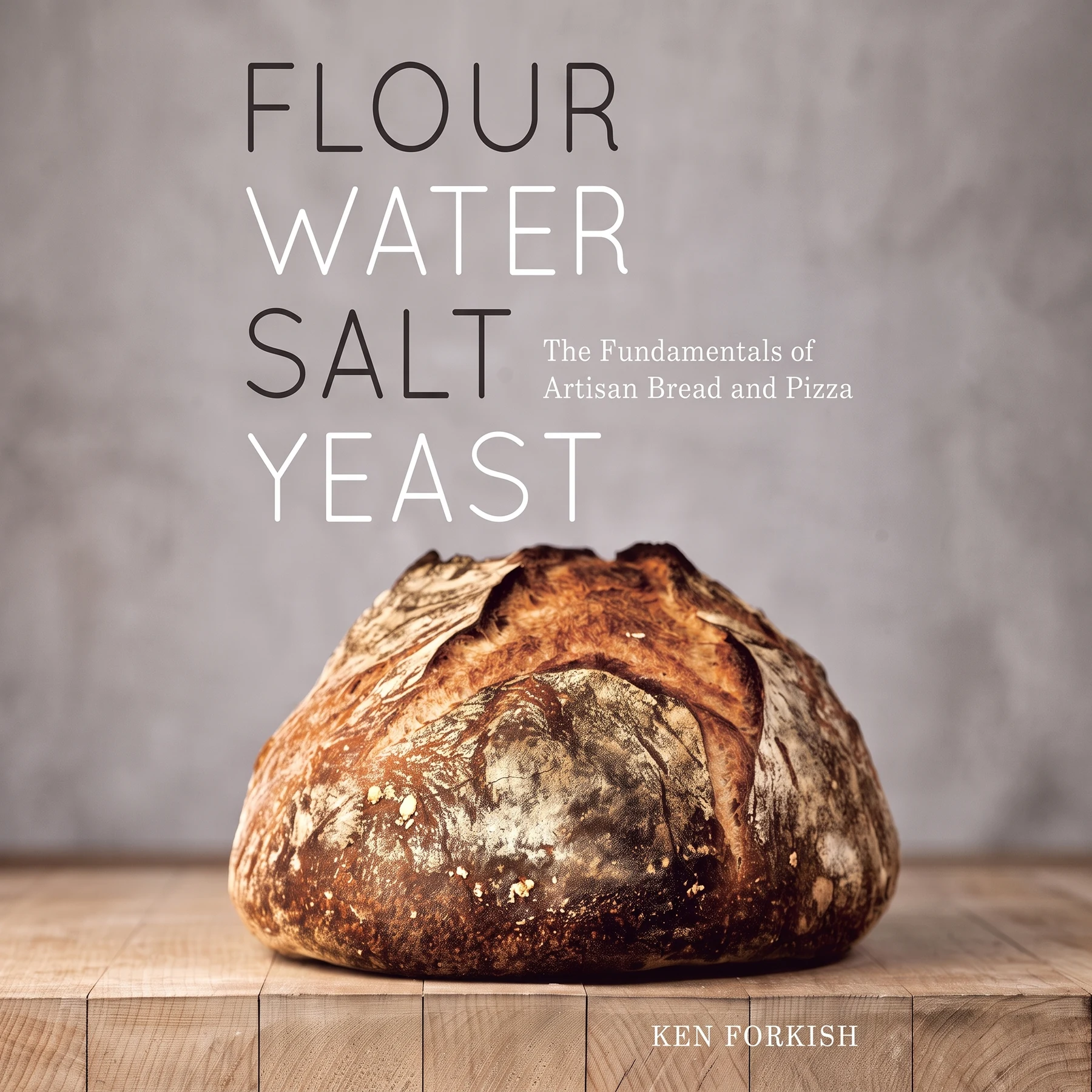
EnglishไทยFlour Water Salt Yeast: The Fundamentals of Artisan Bread and Pizza
By Ken Forkish
Shows home bakers how flour, water, salt, yeast, time and temperature work together, so one flexible method can produce crusty artisan loaves, levain breads, pizza and focaccia in an ordinary kitchen.
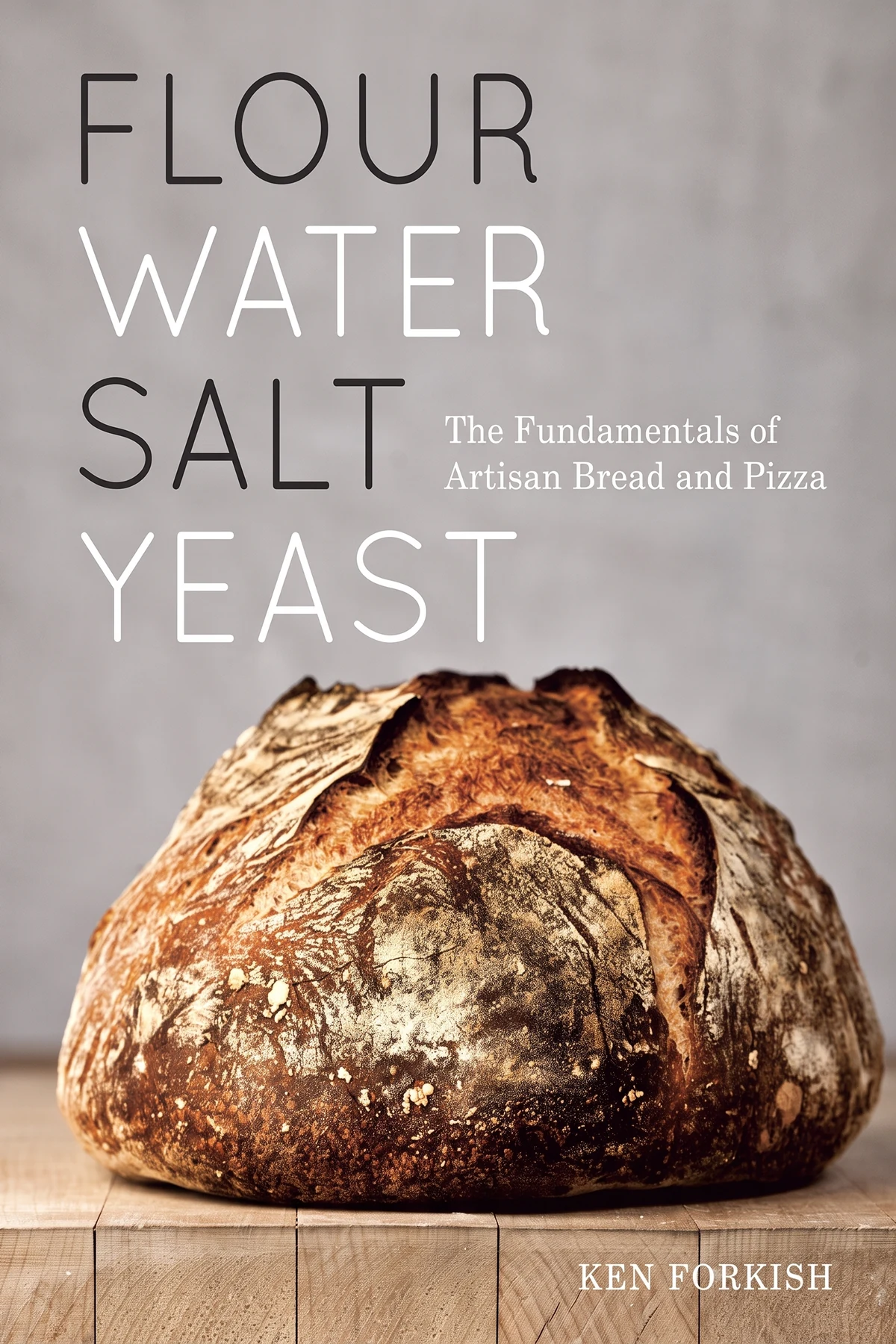
Table of Content
1. Introduction
54 sec
Most home bakers follow a recipe line by line and still pull out a pale, heavy loaf, because nobody explained what each step is for. In Flour Water Salt Yeast, Ken Forkish, a former tech worker who became a professional baker in Portland, Oregon, argues that the cure is understanding rather than a better recipe. Bread, he says, has six ingredients, and two of them never appear on a shopping list: time and temperature.
Once you see how those six push against each other, a single method can give you a quick same-day loaf, a slow overnight one, a bread raised on your own wild yeast, or a thin pizza. That is the case the book makes. Along the way you will learn which few tools matter in a home kitchen, how to tell by touch when dough is ready, and how to shape a bake around a working week instead of the reverse.
2. Treat time and temperature as ingredients
1 min 38 sec
Four items go on the shopping list, yet two invisible ones decide whether the loaf turns out light or heavy, bland or rich. Forkish shows how they trade against the others, and why that trade changes everything.
3. Measure and steam like a professional at home
1 min 34 sec
Forkish’s bakery has an oven weighing more than a truck. A home kitchen cannot compete with that, yet one heavy pot and a cheap gadget close much of the gap.
4. One blueprint for every loaf you bake
1 min 36 sec
Every bread in the book follows the same pattern, whether it rises in five hours or overnight. Learn the pattern once and new breads stop being new recipes.
5. Read the dough, then bake it dark
1 min 37 sec
The last hour is where most home loaves go wrong, and the timer is a poor guide. Forkish’s test needs only one finger, and his idea of done looks almost too dark.
6. Give your bread character with wild yeast
1 min 38 sec
Packet yeast makes reliable bread, and Forkish uses it constantly. Yet the flavor that sets bakery loaves apart comes from yeast already floating around your kitchen, and from one patient extra step.
7. Grow a yeast culture that lasts decades
1 min 37 sec
A living culture sounds like a pet that never stops needing attention. Forkish’s own has survived since the late nineties, and the hard part is over in less than a week.
8. Fit good bread around a working week
1 min 36 sec
For busy people, the real enemy of homemade bread is the calendar. Forkish’s four styles of dough turn out to be four different timetables, one of which probably fits yours.
9. Turn spare dough into pizza and focaccia
1 min 30 sec
A full batch makes more bread than many homes can eat before it goes stale. Forkish’s fix turns the surplus into dinner, and it starts with chilling the dough on purpose.
10. Conclusion
1 min 09 sec
Forkish traded twenty years in tech for a trade that begins before dawn, and his book carries the lesson of that switch into ordinary kitchens: a loaf is a chain of decisions, and each one can be understood. Flour, water, salt and yeast meet time and temperature, and a change to one calls for a change in another. Less yeast means more hours. A colder spot slows everything down. Wetter dough gives a lighter crumb and wants more folding. Once those trades make sense, a perfect recipe matters far less than a scale, a hot pot and your attention.
Forkish’s own first advice is to get the equipment right, above all the Dutch oven, which he treats as central to the quality he wants. Then read the whole method before you mix, so each step has a reason. Bake one simple same-day loaf, and when it has proofed, press it with a finger and watch how slowly it rises back. That gentle, partial return is the whole book in a single gesture: the dough tells you when it is ready, once you know what to look for.
About this book
What is this book about?
Many home bakers follow recipes exactly and still get pale, dense bread, because a recipe tells you what to do without telling you why. Ken Forkish, who left a long tech career to open a bakery in Portland, Oregon, takes the opposite approach. He teaches the principles first. His central idea is that bread has six ingredients, not four. Flour, water, salt and yeast are joined by time and temperature, and every one of them can be traded against the others. Less yeast and more hours give the same rise with deeper flavor. A warm counter speeds dough up and a fridge slows it down. Around that idea he builds a single blueprint method, a short list of tools led by the Dutch oven, and clear instructions for growing a natural yeast culture called levain. Readers get a way of baking that bends around their own schedule, from a same-day loaf to an overnight levain bread, plus a method for turning spare dough into pizza and focaccia.
Book Information
Who it's for
Nine-to-five workers
Office workers who want real artisan bread at home on evenings and weekends.
Cooks troubleshooting their loaves
Home cooks whose loaves come out dense or pale and who want to understand why.
Would-be sourdough bakers
Aspiring sourdough bakers ready to grow their own levain and make pizza from the same dough.
About the Author
Ken Forkish
Ken Forkish worked in the tech industry for twenty years before leaving Silicon Valley to become a baker in Portland, Oregon. He opened Ken's Artisan Bakery in 2001, Ken's Artisan Pizza in 2006 and Trifecta Tavern in 2013. Flour Water Salt Yeast, his first book, won a James Beard award and an award from the International Association of Culinary Professionals. He later wrote The Elements of Pizza.
Ratings & Reviews
Ratings at a glance
What people think
Listeners view this guide as educational and thoroughly researched, noting that the clear instructions offer plenty of detail without becoming burdensome. The methods are simple to follow, and listeners applaud the superior bread they produce, with one highlighting the science behind artisan bread-making. Listeners appreciate how the text helps them master the craft of baking, considering it an essential tool for both domestic and professional bakers. The flavor profiles get glowing reviews, as listeners mention the tasty and visually striking results, with one pointing to the wonderfully caramelized crusts.
Top reviews
Madison
Finally, a bread book that treats baking like the chemistry experiment it actually is. Ken Forkish doesn't just give you a list of ingredients; he explains how temperature and time act as physical components of the dough. Using the Dutch oven method was a total revelation for my home kitchen because it creates that professional steam-injected environment without the thousand-dollar price tag. To be fair, the schedules are quite rigid and require you to plan your entire Saturday around the kitchen, but the results are undeniable. I’ve never seen a crumb structure so open and airy or a crust so perfectly crackled and caramelized. It is an investment in both time and effort, but the payoff is the best bread you’ve ever tasted.
Show moreUraiwan
I never thought I could produce a loaf with a perfectly caramelized, crackling crust in my basic apartment kitchen. This book completely demystified the process of artisan baking by focusing on the "four pillars" of flour, water, salt, and yeast. The instructions for the Saturday White Bread are incredibly clear, guiding you through the autolyse and the folding process without being overwhelming or overly academic. I especially appreciated the deep dive into hydration levels, as it helped me understand why my previous attempts at bread were always so dense and heavy. Not gonna lie, cleaning up after working with 80% hydration dough is a massive chore, but the smell of fresh boules makes it worth it. This is a must-have for anyone who wants to stop guessing and start baking with real precision.
Show moreRoo
The way this text breaks down the relationship between temperature and time changed my entire perspective on fermentation. Instead of just following a recipe blindly, I now understand how to manipulate the environment to get the exact flavor profile I want. Starting a levain was intimidating, but the book walks you through the maintenance of a sourdough culture with such detail that success felt almost guaranteed. I’ve had amazing luck with the pizza dough recipes, which produce a crust that is both chewy and crispy in all the right places. Personally, I think the folding technique is much more meditative than using a loud stand mixer, and it helps you feel the gluten development in real-time. This isn't just a cookbook; it’s a masterclass in the chemistry of artisan baking.
Show moreLuke
Wow, just wow—the depth of flavor you get from these long, slow ferments is unlike anything you can find at a typical grocery store. Before reading this, I didn't realize that using a Dutch oven could create such a professional, thick crust right in a standard home oven. The pizza section is a fantastic bonus, and the overnight pizza dough has become a weekly staple in our household because it's so easy to prep in advance. I love that the book focuses on a few high-quality ingredients rather than overcomplicating things with unnecessary additives. In my experience, the key is to trust the "dark" bake; that deep brown color is where all the complex, nutty flavors are hidden. If you want your house to smell like a French bakery, this is the book you need to buy.
Show moreJoseph
If you are serious about moving past "bread machine" loaves and into the world of artisan baking, just buy this book immediately. It is well-researched, informative, and provides a clear roadmap for mastering everything from a basic white loaf to complex sourdoughs. The focus on weight-based measurements ensures that your results are easy to duplicate, which is a huge relief after years of inconsistent volume-based baking. I particularly appreciated the troubleshooting tips regarding room temperature and water heat, as those variables usually ruin my dough. Not gonna lie, it's a bit of a learning curve to handle such wet dough without adding extra flour, but the payoff is an incredible, airy texture. This is easily the most useful baking book on my shelf, and I recommend it to everyone.
Show moreTod
Forkish’s journey from IBM to a Portland bakery is undeniably inspiring, even if his specific methods feel a bit daunting for the average person at first glance. The photography is stunning, making the book a beautiful addition to any coffee table, yet the real value lies in the technical depth of the recipes. I’ve been experimenting with the poolish-based breads, and the complexity of flavor is significantly better than anything I’ve managed with a stand mixer. My only gripe is that he completely dismisses mechanical mixing, which can be physically taxing on those of us with wrist issues or limited mobility. Frankly, you’ll need some serious hand strength to manage these high-hydration doughs throughout the day. It’s an aspirational guide that produces professional-quality loaves if you're willing to put in the manual labor.
Show morePlernpiriya
This is essentially the "Bread 101" textbook I didn't know I needed, even if the tone feels a bit elitist at times. The truth is, Forkish knows his craft, and his insistence on using a kitchen scale for everything—including water—is the only way to get consistent results. I started with the Saturday 75% Whole Wheat, and the flavor was exceptionally deep, likely due to those long room-temperature fermentations he advocates for. Some might find the "dark" bake a bit much, as the crust often borders on looking burnt, but the taste is pure caramelization. My main struggle is fitting his 12-hour schedules into a busy work week, but the "overnight" recipes offer a bit more flexibility. It's a gorgeous, well-researched guide that will definitely elevate your skills if you are patient.
Show morePrim
Picked this up after failing miserably with a few Pinterest recipes, and the difference in the quality of my output is night and day. The level of detail Forkish provides regarding the "stretch and fold" technique is helpful, though I wish there were more process photos of the actual shaping. His focus on high-hydration doughs results in a spectacular crumb, but it definitely takes a few tries to handle that level of stickiness without making a total mess. To be fair, some of the intro material about his life in France feels a bit long-winded, but the actual recipes are gold. I particularly enjoyed the section on using a biga for added complexity. It’s a solid resource for anyone ready to move beyond basic loaves and into more professional, "artisan" territory.
Show moreChatchai
The chapter on equipment is a lifesaver, especially the recommendation to use a preheated Dutch oven to mimic the steam of a professional bakery. I struggled initially with the "pincer method" for mixing, but after watching a few of Forkish’s YouTube videos alongside the text, it finally clicked. There is a certain amount of privilege baked into the narrative, as not everyone has the time or the high-end kitchen tools he suggests. However, the science of the "poolish" and the "levain" is explained so clearly that even a total novice can understand the "why" behind each step. It’s a very technique-heavy book, so don’t expect quick results if you’re in a rush. If you're willing to invest the time, your bread will be better than anything you’ve ever made.
Show moreBoss
Look, the photography in this book is absolute top-tier, but the actual usability for a casual home baker is somewhat questionable. While the science behind the long fermentation is fascinating, the sheer volume of "folding" required is a nightmare for anyone with carpal tunnel or arthritis. Forkish insists that nobody needs a stand mixer, but some of us physically cannot handle wet, sticky dough for hours on end without assistance. Furthermore, the schedules are so strict that they feel more like a full-time job than a fun weekend hobby. The results are tasty, don't get me wrong, but the amount of flour I ended up wasting during the learning curve was frustrating. If you have the luxury of time and perfectly healthy joints, you might love this, but it’s not for everyone.
Show moreQuestions about this book
What is the main idea of Flour Water Salt Yeast?
Ken Forkish argues that good bread depends on understanding principles rather than following recipes. He counts six ingredients: flour, water, salt and yeast, plus time and temperature. Each can be traded against the others, so less yeast with more time gives the same rise and a richer flavor. With that understanding, one basic method can produce many breads, as well as pizza and focaccia, in a home kitchen.
What equipment do I need for Ken Forkish's bread method?
Forkish puts the Dutch oven first, ideally four quarts, because its lid traps steam the way a professional oven does. He also recommends a digital scale instead of measuring by volume, an oven thermometer, a probe thermometer for water, a large round tub, smaller clear tubs for cultures, a nine-inch proofing basket, oven mitts and towels or plastic bags. A pizza stone helps for pizza.
How do you make a levain culture from Flour Water Salt Yeast?
Start with equal weights of flour and warm water, such as 500 grams each, and keep it warm. Each morning, discard most of it and feed the rest with fresh flour and water. By day three it should double and smell of alcohol. On day five, feed it with white and whole wheat flour at four to one, and it is ready that afternoon. It keeps in the fridge about a month.
How do I know when bread dough is ready to bake?
Forkish’s test is simple: poke the proofed dough with a finger. It should spring back slowly and only part of the way. Times are guides only. Instant yeast loaves usually proof about an hour, refrigerated dough can proof overnight, and pure levain dough needs around four hours at room temperature. Bake in a preheated Dutch oven at 475 degrees Fahrenheit until the crust is deep brown.
Who should read Flour Water Salt Yeast?
It suits home cooks who want bakery-quality bread and are willing to learn why each step works. Beginners get one clear method and a same-day loaf they can bake on a free day. More curious bakers get pre-ferments like poolish and biga, a five-day plan for a levain culture, and ways to turn extra dough into pizza and focaccia.
Readers also enjoyed









AUDIO SUMMARY AVAILABLE
Listen to Flour Water Salt Yeast in 15 minutes
Get the key ideas from Flour Water Salt Yeast by Ken Forkish, plus 5,000+ more nonfiction titles.
- 5,000+ titles
- Listen as much as you want
- 7-day free trial
- Cancel anytime









