

13 min 05 sec
Available in: English
Feeding You Lies: How to Unravel the Food Industry’s Playbook and Reclaim Your Health
By Vani Hari
Vani Hari shows how large food companies shape research, regulation and packaging to sell unhealthy products. She also shows how to read past the friendly claims on a label and choose food with more skepticism.
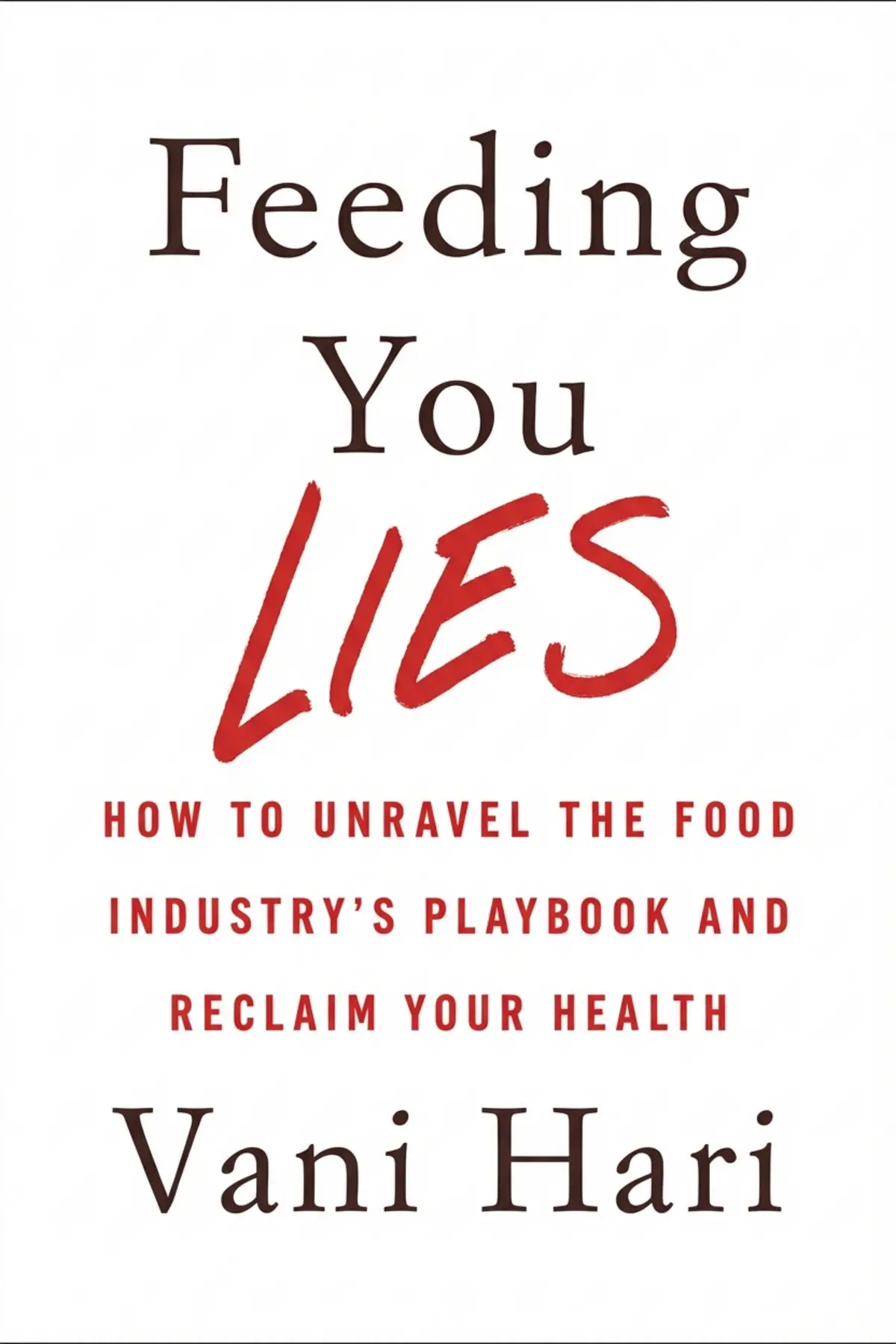
Table of Content
1. Introduction
1 min 01 sec
If you shop by what the package promises, you may be buying exactly what the food industry hoped you would. In Feeding You Lies, activist and Food Babe blogger Vani Hari starts with a stark comparison. Set against 16 other developed nations, the United States ranks last for health outcomes, and it spends about two and a half times as much on health care.
Hari blames what she calls Big Food: the giant corporations, such as Nestlé and Monsanto, that grow, process and sell much of what Americans eat. She argues that these companies keep unhealthy products on the shelf by shaping the science, the regulators and the labels that shoppers rely on. In her view, the problem is built into a system designed to mislead.
Her examples are American, but the tactics are easy to spot anywhere. She follows them through soda lobbying, paid research, weak oversight and clever packaging. Once you have followed her, you will know which claims on a box to doubt, and what she thinks you should buy instead.
2. See through the soda industry's favorite excuse
1 min 59 sec
One can a day sounds harmless, and drink makers insist the real issue is how much you move. Hari follows the money behind that message and finds it reaching all the way into government advice.
3. Check who paid for the nutrition study
1 min 55 sec
A respected Harvard department spent years telling the public that sugar was not a threat to the heart. The truth about who was paying came out decades later, after the idea had already taken hold.
4. Spot when a government safety seal misleads you
1 min 37 sec
Most shoppers assume an official has tested every additive in their groceries. Hari explains who really makes that call, and why the number of additives has grown more than twelvefold.
5. Read the front of the package with suspicion
1 min 27 sec
A drink called lightly sweet can contain as much sugar as a pile of cookies, and a natural flavor can be almost anything. One vanilla ingredient has an origin few shoppers would guess.
6. Diet and fortified foods can keep you stuck
1 min 54 sec
A box marked low-calorie or packed with vitamins feels like the responsible choice. Hari argues that both promises can work against the people who trust them most, especially dieters and parents.
7. Where organic food shows its advantages
1 min 59 sec
Conventional farms can use hundreds of synthetic pesticides that organic farms cannot. Hari explains what that difference may mean for your plate, and why one chemical giant fought so hard to keep its weed killer labeled safe.
8. Conclusion
1 min 13 sec
Hari’s book is, finally, a warning about trust. The friendly words on a box, the study in the news, the government approval and the drink company’s fitness app all look like separate, independent signals. In her telling, many of them trace back to the same companies and the same money. The beaver gland behind a vanilla flavor makes a good story at dinner. The $67 million spent against sugar taxes shows what the industry thinks is at stake.
Some scientists have criticized her views on food safety, so her claims are best tested against your own reading of the label. The habits she supports cost little to try. Turn the package over and read the grams of sugar before you read the adjectives. When a food study makes the news, find out who paid for it. Treat diet and fortified products with the same doubt as the originals they claim to improve on.
If soda is part of your day, Hari suggests cutting it slowly, since some sodas, especially caffeinated ones, can be addictive. Drink a quarter less this week and another quarter less the next. In about a month the can is gone, and with it one of the products the industry fought hardest to protect.
About this book
What is this book about?
The United States spends far more on health care than other rich countries and still ranks last among 17 of them for health outcomes. Vani Hari, the activist behind the Food Babe blog, puts much of the blame on what she calls Big Food: the giant corporations that grow, process and market what Americans eat. Her argument follows the industry's methods one by one. Soda makers fund campaigns against sugar taxes and warning labels. Companies pay for research that favors their products, including industry-funded work at Harvard. Regulators let firms decide for themselves which additives are safe. Labels use words like natural and lightly sweet to hide what is actually inside. Diet and fortified products then promise health while adding new problems. Readers get a skeptic's toolkit for the supermarket: which claims to doubt, which numbers to check, why Hari favors organic food, and a gradual plan for giving up soda. The examples come from the United States, but anyone who reads a food label can use the habits.
Book Information
Who it's for
Unsure about label claims
Shoppers who read food labels but are not sure which claims to believe.
Parents choosing kids' food
Parents choosing cereals, snacks and drinks for their children.
Dieting or quitting soda
People trying to lose weight who rely on diet products, or who want to give up soda.
About the Author
Vani Hari
Vani Hari is an American author, activist and blogger. She started the Food Babe blog in 2011 and has campaigned about the ingredients large food companies put in their products. She also founded Truvani, a company focused on nutritional supplements. Her views on food safety have been criticized by some scientists.
Ratings & Reviews
Ratings at a glance

What people think
Listeners find this work revelatory and thoroughly researched, offering truthful insights into the food sector. The material is accessible and empowers listeners to make healthier nutritional decisions, with one listener highlighting a transformation in their grocery shopping routines. Listeners value the educational benefits, with one remarking that it shifted their outlook on the food industry, and they consider the book quite intriguing.
Top reviews
Ratthapong
This book is a massive wake-up call for anyone who thinks the FDA has our back. Hari exposes how deeply the food industry is intertwined with government regulators, using the same tactics we saw from Big Tobacco decades ago. While she might not be a scientist, her ability to track the money trail is impressive and frankly terrifying. I’ve started looking at ingredient labels in a whole new light since finishing this. It’s not just about calories anymore; it’s about the "excita-toxins" and additives designed to keep us addicted. Truth is, once you see the corruption, you can’t unsee it. My grocery shopping habits have completely shifted toward whole foods. It is a fascinating, necessary read.
Show moreSangduan
Ever wonder why it’s so hard to stop at just one handful of chips? This book breaks down the lies we are fed about nutrition and reveals the chemical engineering behind our cravings. I was shocked to learn about the front groups that fund supposedly independent studies to make junk food look healthy. Personally, I found the appendix of ingredients to be the most useful part of the entire book. It’s like a field guide for navigating the modern supermarket. While she does push her own supplements at one point, the investigative work here is too important to ignore. It makes you feel like an informed consumer for the first time.
Show moreAdam
Finally got around to finishing this, and my perspective on the grocery store has changed forever. The chapter on how universities and even Wikipedia are influenced by corporate funding was particularly jarring. Hari does a great job of showing how we've been conditioned to accept fortified junk as a substitute for real nutrition. Not gonna lie, the 48-hour detox at the end felt a bit like a marketing pitch, but the actual investigative content is stellar. It’s a fast-paced read that manages to make complex industry politics feel personal. I’m definitely being more skeptical of health claims on packaging now. It is a game-changer for my family's shopping list.
Show moreGrace
A powerful tool for anyone feeling gaslit by the modern food system. Hari exposes the "obesogens" in our diet and explains how they contribute to the national health crisis. I loved the label-reading tips because they are practical and provide immediate value during my weekly shopping trips. The connection she makes between pesticide-resistant GMOs and our gut health is something everyone needs to consider. Even if you don't agree with every single point she makes, the underlying message about corporate accountability is undeniable. It’s a fascinating, albeit scary, look at the reality of what we put in our bodies every single day. Everyone should read this.
Show moreTee
Picked this up during a sale and I’m so glad I did. Vani Hari has done the legwork that most of us don't have time for, digging into the shady links between big agriculture and the government. The book reveals how we are essentially being used as lab rats for new additives. I found the discussion on excita-toxins and their effect on our brains to be the most compelling part. While her tone is intense, the evidence she presents about ingredient differences between countries is hard to ignore. It’s an empowering read that makes you want to cook from scratch more often. I finally feel like I know what is in my food.
Show moreBenjamin
The comparison between US and European food standards in these pages really hit home for me. Why are we allowed to eat ingredients that are banned overseas just because it makes processing cheaper? Vani Hari writes in an accessible way, even if she leans into an alarmist tone that can feel a bit repetitive at times. To be fair, some of the science feels a bit simplified, but the core message about corporate transparency is vital. I found the sections on the "Dorito Effect" and addictive flavorings particularly interesting. It’s an easy read that empowers you to question what’s actually in your pantry. I would recommend it for the eye-opening research alone.
Show morePor
After hearing so much about the "Food Babe," I wanted to see if the hype was justified. Feeding You Lies provides a deep dive into the "table of demons" and how chemicals are making us sick and tired. It’s a bit of a chemistry textbook at times, but the way she links the flavor industry to obesity is eye-opening. I’ve always been skeptical of fat-free labels, but this book gave me the ammo to understand why those products are often worse for you. My only gripe is that it’s quite repetitive in the middle chapters. Still, it’s a solid resource for anyone wanting to take back control of their health and stop being lied to.
Show moreRiley
Look, you don't need a PhD to see that our food system is broken, and this book lays it out clearly. I was particularly interested in the sections on sugar-free myths and how zero-calorie drinks can actually lead to weight gain. It’s refreshing to see someone taking on the giants like Coca-Cola and Monsanto without backing down. Some of the language is a bit sensationalist, but given the stakes, maybe that's necessary. I’ve recommended this to several friends who were struggling with food confusion. It simplifies the noise and focuses on the power of whole, real food. The honesty here is truly refreshing in a world of marketing.
Show moreIsabella
To be honest, the information is very important but the book itself isn't the most engaging read. It’s mostly black and white text without many diagrams, which makes the chemistry-heavy sections a bit of a slog. Frankly, a lot of the points could have been made in half the pages because she tends to repeat the same arguments about organic produce. I did appreciate the focus on how natural flavors are used to hide a multitude of sins. It’s a decent primer if you’re new to clean eating, but seasoned health nuts might find it a bit basic. I expected more visual data and less anecdotal storytelling.
Show moreNarong
Not what I expected, and I have to say I’m disappointed. While I agree that big food companies are manipulative, the author’s voice comes off as incredibly privileged and condescending. Not everyone can afford a 100% organic, non-GMO lifestyle, and the book feels like it's shaming those on a budget. As a dietitian, I found her lack of scientific credentials led to some pretty wonky interpretations of research. The tone is very holier-than-thou, suggesting that if you don't shop at high-end health stores, you don't care about your family. It’s an alarmist take that lacks empathy for real-world struggles. It repeats the same three points for three hundred pages.
Show moreQuestions about this book
What is the main idea of Feeding You Lies?
Vani Hari argues that large food companies, which she calls Big Food, sell products full of sugar, additives and untested chemicals, and protect them by shaping research, lobbying regulators and writing misleading labels. Her examples include soda lobbying against sugar taxes, industry-paid sugar research at Harvard, a US system in which companies decide which additives count as safe, and packaging words like natural that reveal little.
What does Vani Hari say about diet soda and low-calorie foods?
Hari argues that diet sodas are as harmful and fattening as regular ones. She says low-calorie sweeteners such as aspartame have been shown to raise the risk of metabolic syndrome by 34 percent. In her view, diet foods trap people in a cycle: they buy them to lose weight, gain weight instead, and then buy even more.
Why does Feeding You Lies recommend organic food?
Hari cites a 2014 study finding more vitamin C, antioxidants and flavonoids in organic tomatoes, and evidence that organic meat and dairy have about 50 percent more omega-3 fats. She also points to pesticides. US organic farms may use about 25, while conventional farms regularly use 900 or more synthetic ones, some of which she links to health problems.
How can I apply the ideas in Feeding You Lies?
Read the sugar content on the back of the package before you trust words like natural or lightly sweet on the front. Check who funded any food study that makes headlines. Be skeptical of products that boast about added vitamins or missing ingredients. If you drink soda, cut it by a quarter each week until, after about a month, you have stopped.
Who should read Feeding You Lies?
It suits shoppers who want to understand what is behind the claims on food packaging, parents choosing breakfast cereals and drinks for children, and dieters who depend on low-calorie products. The examples are American, but the habits it teaches, such as reading sugar content and questioning who paid for research, work in any supermarket.
Featured in
Readers also enjoyed







AUDIO SUMMARY AVAILABLE
Listen to Feeding You Lies in 15 minutes
Get the key ideas from Feeding You Lies by Vani Hari, plus 5,000+ more nonfiction titles.
- 5,000+ titles
- Listen as much as you want
- 7-day free trial
- Cancel anytime









