Being and Nothingness: A Phenomenological Essay on Ontology
Jean-Paul Sartre
 English
 ไทย
Sartre's own short introduction to existentialism argues that with no God or fixed human nature, people define themselves through their choices, carry full responsibility for them, and create meaning through the projects they commit to.
1 min 11 sec
If the values you were handed by family, religion or work have started to feel thin, Jean-Paul Sartre offers a hard but freeing answer: nobody is coming to tell you who to be, and that is exactly where your freedom begins. In Existentialism Is a Humanism, a lecture he gave in Paris in 1945, Sartre packs his whole philosophy into one claim. Human beings exist first and only later define themselves through what they do.
The talk set out to rescue existentialism from its reputation as a fashion for gloomy novelists in smoky cafés. What emerges is a demanding ethics. With no God and no fixed human nature to lean on, each of us is fully responsible for the life we build, and meaning is something we make through our projects.
Along the way come a penknife, a man sickened by tree roots, a king pushing a boulder forever and a student torn between his mother and his country. Each one tests how much of your own life is really yours to decide.
2 min 06 sec
A twelve-year-old waiting for late classmates settled the biggest question of his life in a moment. Europe had been struggling with the same question for decades, and many feared what would happen to morality once it was answered.
2 min 18 sec
A simple penknife holds the key to Sartre’s most famous phrase. Compare how a knife comes into being with how a person does, and a comfortable excuse many of us use every day stops working.
2 min 21 sec
A man on a park bench looks too closely at the roots of a tree and becomes physically ill. His sickness reveals something unsettling about the world, and his recovery points to where meaning actually comes from.
2 min 10 sec
Scientists can measure almost anything, yet no measurement tells you what to do. Sartre explains why people keep turning to facts for moral answers, and what they are really trying to escape when they do.
2 min 01 sec
A king condemned by the gods to a task that can never be finished seems the saddest figure imaginable. Camus insisted we picture him happy, and his reason applies to anyone stuck with work that never ends.
2 min 01 sec
A young man in occupied France faced an impossible choice between his mother and his country. Every moral system failed him, and even the advice he sought turned out to reveal something he had not admitted to himself.
1 min 12 sec
Sartre’s lecture adds up to a refusal and a demand. The refusal is of every alibi: God, human nature, history, the unconscious, the conveniently chosen adviser. The demand is that we live as the authors of our values, because nobody else is available for the job. That is why he could call a philosophy born after the death of God a humanism. It puts the person who chooses and acts at the center of whatever meaning the world will ever have.
The absurdity he describes is no license for nihilism. A universe where nothing has to happen simply hands the pen back to you. In daily life that means catching yourself when you blame parents, the economy or your temperament, and naming the decision hiding behind the excuse. It means taking on a project that makes your surroundings matter, the way Roquentin chose to write his way out of nausea. And when a choice pulls you between two goods, it means admitting you have probably chosen already, then standing behind it.
Sisyphus never got his stone to stay at the top. He did get to decide how he pushed it, and so do you.
Many people inherit their values from family, faith or work and assume those values rest on something solid. Jean-Paul Sartre asks what happens when that ground is gone. In a lecture given in Paris in 1945, he answered the popular picture of existentialism as gloomy café fashion with a clear and demanding philosophy. His starting point is that existence precedes essence. A penknife is designed before it is made, but a human being simply appears in the world and becomes something only through action. Sartre draws out what follows: a universe in which nothing has to happen, values that live in our choices and not in the facts, freedom that circumstances can narrow but never erase, and moral dilemmas no rulebook can settle. His illustrations range from a nauseated man staring at chestnut roots to Camus's Sisyphus and a young man in occupied France torn between his mother and his country. Readers get a compact account of existentialist ethics and a practical lens: spot the excuses you use, find meaning in the projects you take on, and own the decisions you have often already made.
Professionals questioning values they inherited from family, faith or a career and wondering what to build instead.
Students and lifelong learners who want existentialism explained clearly by its best-known voice.
Anyone stuck on a hard decision who keeps asking others what to do.
Jean-Paul Sartre (1905 to 1980) was born in Paris and studied at the École Normale Supérieure. He wrote philosophy, plays, novels and criticism, and won the 1964 Nobel Prize in Literature, though he tried to refuse it. Drafted and captured in World War II, he later co-founded the resistance group Socialisme et Liberté and, after the war, helped start the journal Les Temps modernes. His principal philosophical work is Being and Nothingness.
Jean-Paul Sartre
Listeners find the writing accessible and effectively translated, with one noting it’s a great introduction to Sartre’s Existentialism. Additionally, they value its intellectually stimulating depth and characterize it as a brief read. On the other hand, the book’s physical construction earns varied feedback; while some report it arriving in perfect condition, others received damaged copies.
"Man is nothing else but what he makes of himself." This little volume packs a punch that many five-hundred-page textbooks fail to deliver. Sartre’s central thesis that existence precedes essence is laid out with such vigor that it feels less like a dry lecture and more like a call to arms for the individual soul. I was particularly struck by how he handles the weight of freedom; we aren’t just picking a coffee brand, we are defining humanity through every single action we take. The translation is exceptionally smooth, making complex French thought accessible to those of us who aren't career academics. Frankly, it is the ultimate antidote to the "nothing matters" brand of nihilism that people often mistake for existentialism. It arrived in great condition, which I was worried about after seeing some photos of mangled covers from other buyers.
Show moreFinally got around to this classic after years of hearing people quote it at parties. What a revelation it is to realize that "abandonment" doesn't have to be a negative thing! Sartre explains that without a divine blueprint, we are the architects of our own essence, which is both terrifying and incredibly liberating. The book is remarkably short, yet it manages to clarify misconceptions about existentialism being a "quietist" or depressing philosophy. Look, if you want to understand why your choices matter in a godless universe, this is the definitive starting point. The writing is accessible and devoid of the usual jargon that makes philosophy feel like a chore. I felt a genuine sense of optimism by the final page, realizing that reality only exists in the actions we take today.
Show moreWow, this really puts the 'human' in humanism. People always think existentialism is depressing, but Sartre argues it's actually the most optimistic doctrine because it puts our destiny in our own hands. The idea that we are nothing more than the sum of our actions is a total game-changer for how I view my daily routine. This translation is superb, capturing the subtle humor and the combative spirit of Sartre's public defense. I spent the whole evening underlining passages about how we choose for all humanity when we make a personal choice. It’s an empowering read that makes you want to get up and actually do something with your life. The book arrived in perfect condition, and it’s now a permanent fixture on my nightstand.
Show moreEver wonder if your life's mess is actually your own fault? Sartre says yes, and to be fair, it’s strangely refreshing to hear that we have total agency over our own outcomes. This book serves as a fantastic introduction for anyone curious about why "God is dead" leads to such intense personal responsibility. I loved the snappy phrasing and the way he addresses his critics directly, even if he comes across as a bit of a pompous ass at times. Truth is, the physical book itself felt a little flimsy in my hands, almost like the glue might give way if I cracked it too wide. Despite that, the content is deeply thought-provoking and forced me to pause my reading to just stare at the wall for a bit. It’s a short read that you can finish in an afternoon.
Show morePicking this up was the best decision I made this month. I wasn't expecting a philosophy book to be this readable, but the translation is so natural that it flows like a modern essay. Sartre’s exploration of "anguish" as a byproduct of our total freedom really resonated with my current life situation. My only gripe is that the book arrived with a noticeable crease across the back cover, which is disappointing for a brand-new copy. However, the intellectual value far outweighs the physical flaws of the paperback. It’s a quick read that invites serious introspection about whether we are living in "bad faith" or truly owning our decisions. You don't need a PhD to get something out of this, just an open mind and a willingness to be challenged.
Show moreAs someone who usually finds philosophy dry, I was surprised by how much this grabbed me. The way Sartre explains that man "surges up" in the world and defines himself later is such a powerful image. It shifts the burden of destiny from the stars back to our own hands. In my experience, I had to read a few sections twice because the implications of being "condemned to be free" are quite heavy. The translation keeps the energy of the original 1945 lecture alive, making it feel urgent even decades later. It's a very short book, which is great for busy people, but it packs more wisdom than most novels three times its length. I do wish there was more context provided about the historical period, as it would help explain his defensive stance.
Show moreSartre’s lecture is an essential bridge for anyone intimidated by his longer, denser works. He does a masterful job of breaking down why existentialism isn't just about wallowing in darkness or puppies and bliss. Instead, it’s about the raw, unvarnished truth of the human condition and the absolute necessity of action. I found the section on "despair"—limiting ourselves to what depends on our will—to be a practical guide for living. It’s a thought-provoking piece that forces you to ask: are you actually choosing your life, or just letting it happen to you? The physical quality of this edition is decent, though the paper is a bit thin. Still, for the price, you can't beat this entry point into one of the 20th century's most influential movements.
Show moreAfter hearing about 'existence precedes essence' for years, it was great to finally read the source. This is a remarkably concise and punchy text that demystifies a lot of the gloom surrounding Sartre’s philosophy. He writes with a sense of urgency, clearly wanting to prove that his ideas aren't just for moody intellectuals in cafes. Personally, I think his dismissal of "signs" and omens as things we interpret ourselves is one of the most useful parts of the book. It strips away the excuses we use to avoid making hard decisions. The book is quite thin and portable, though I noticed the cover tends to curl after just one reading. Despite the minor quality issues, the content is a five-star experience for any beginner philosopher. It’s a short read that demands a long reflection.
Show moreThe paper knife metaphor is brilliant, but I struggled with the leap from individual choice to total human responsibility. Sartre argues that when we choose for ourselves, we choose for all mankind, which feels like a massive logical stretch that he doesn't quite justify here. This was originally a lecture, and you can definitely feel the defensive tone as he tries to swat away both Christian and Marxist critics. While the translation is clear and the prose is energetic, the "condemned to be free" angle feels a bit overwhelming without more concrete ethical guidance. I appreciate how it simplifies the heavy themes of his earlier works, yet I found myself wanting more depth on the socio-economic constraints that limit true freedom. It’s a solid primer, though the copy I received had some strange ink smudges on several pages.
Show moreNot what I expected based on the hype. First off, the book arrived in terrible shape with a torn spine and several dog-eared pages right out of the box. As for the actual text, Sartre’s logic feels incredibly dated and frankly a bit pretentious for a lecture intended for a general audience. He brushes off the idea of human nature so casually that it borders on the absurd. If "everything is permitted" because God is dead, then his attempt to build a humanistic morality on top of that feels like building a house on sand. I found the tone to be quite dismissive of anyone who doesn't subscribe to his specific brand of atheistic despair. There are better introductions to existential thought that aren't so smugly convinced of their own brilliance.
Show moreSartre argues that existence precedes essence. A penknife is designed before it is made, but a human being appears first and only later becomes something through choices and actions. With no God and no fixed human nature to define us, we are free and fully responsible for what we make of our lives. Meaning is created through our projects, and no general moral code can make our decisions for us.
We never chose to be born, which is the condemnation. Yet from the moment we exist, the burden falls on us alone to decide what to do with the life that was handed to us. There is no God to justify our deeds and no fixed human nature to blame. Circumstances such as our bodies, our families, our class or our country can limit our freedom, Sartre argues, but they cannot erase it, since we still choose what to do with them.
During the occupation of France, a student had to choose between joining the Free French Forces in Britain to fight the Germans who killed his brother and staying with his abandoned mother, who lived only for him. Christian teaching and Kant’s ethics gave no clear answer. Sartre notes that choosing a priest from the Resistance or a collaborating one would mean choosing the answer in advance. His advice was simply: you are free, so choose.
Not in Sartre’s view. Pessimists feared that without God people would decide life means nothing and anything goes. Sartre accepts that the universe is contingent and that nothing in it has to happen, but he treats this as a call to create. Meaning appears through our projects, the way Roquentin in Nausea recovers by deciding to write, and we must take full responsibility for the values our choices express.
Start by noticing your alibis. When you blame your upbringing, the economy or your temperament for a choice, separate the fact from the decision you made about it. Commit to a project that gives your surroundings meaning. When you seek advice on a hard choice, notice whom you picked and what you expected to hear, since that often reveals your decision. And in endless tasks, take pride in how you do the work.


William B. Irvine

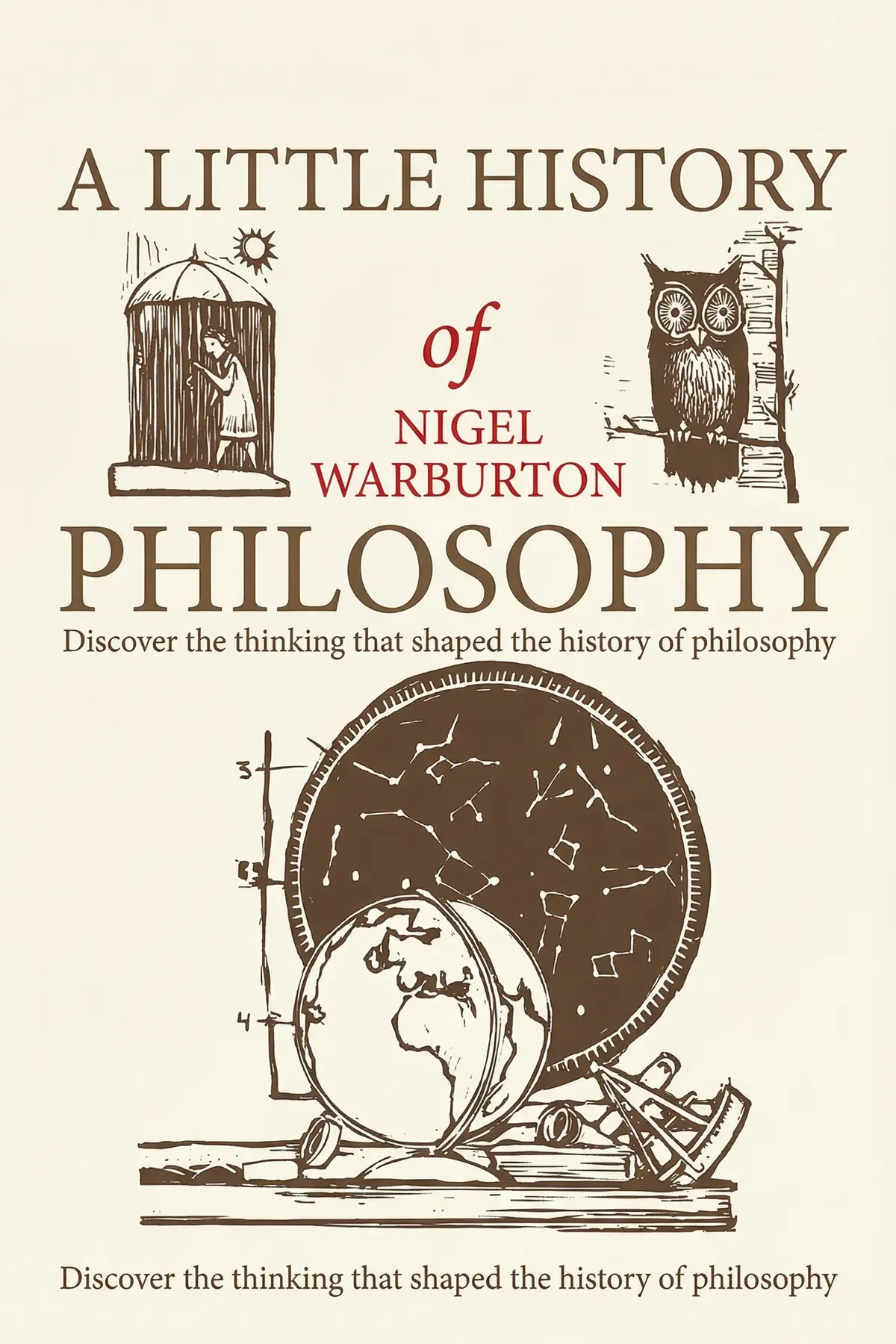
Nigel Warburton

John Rawls


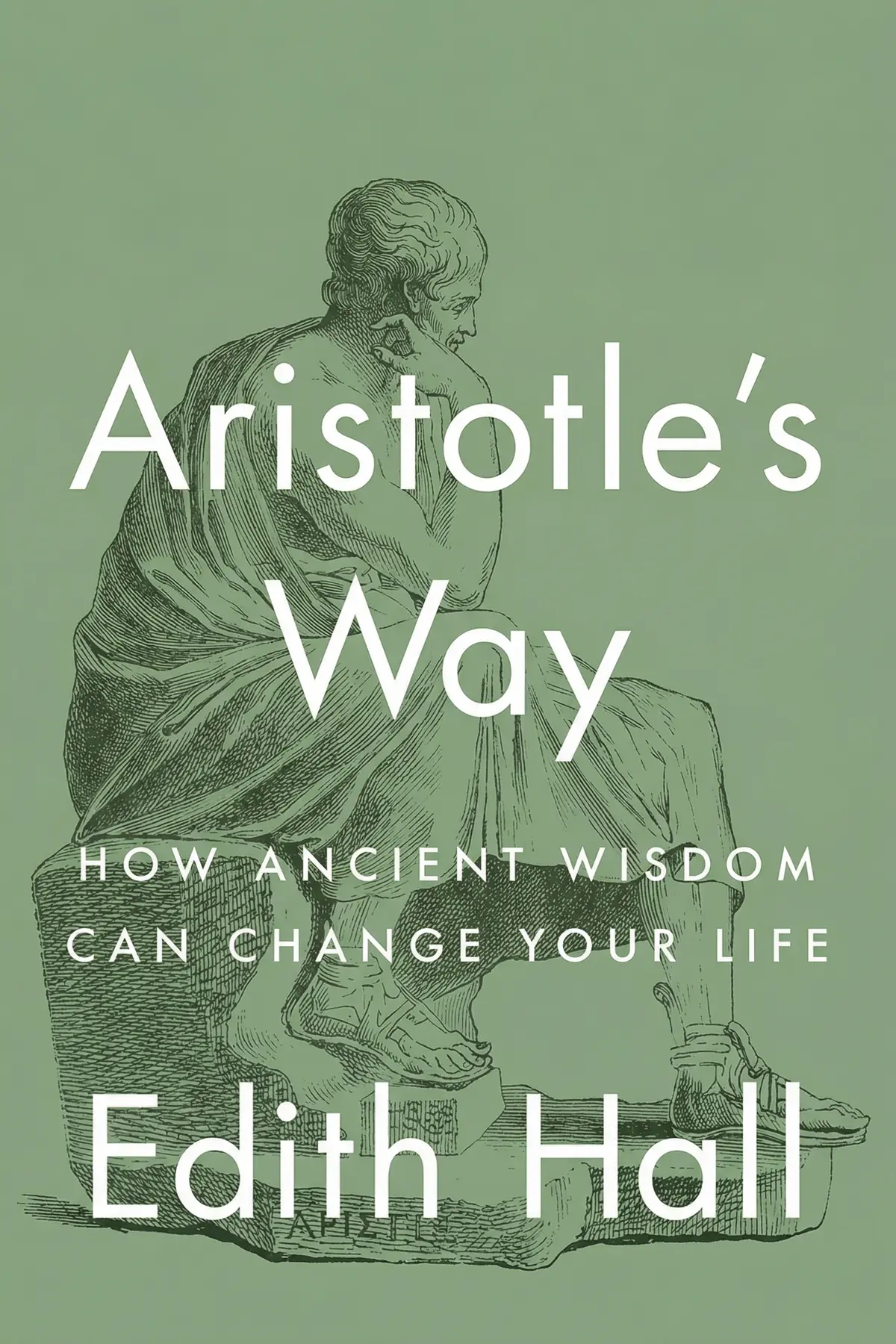
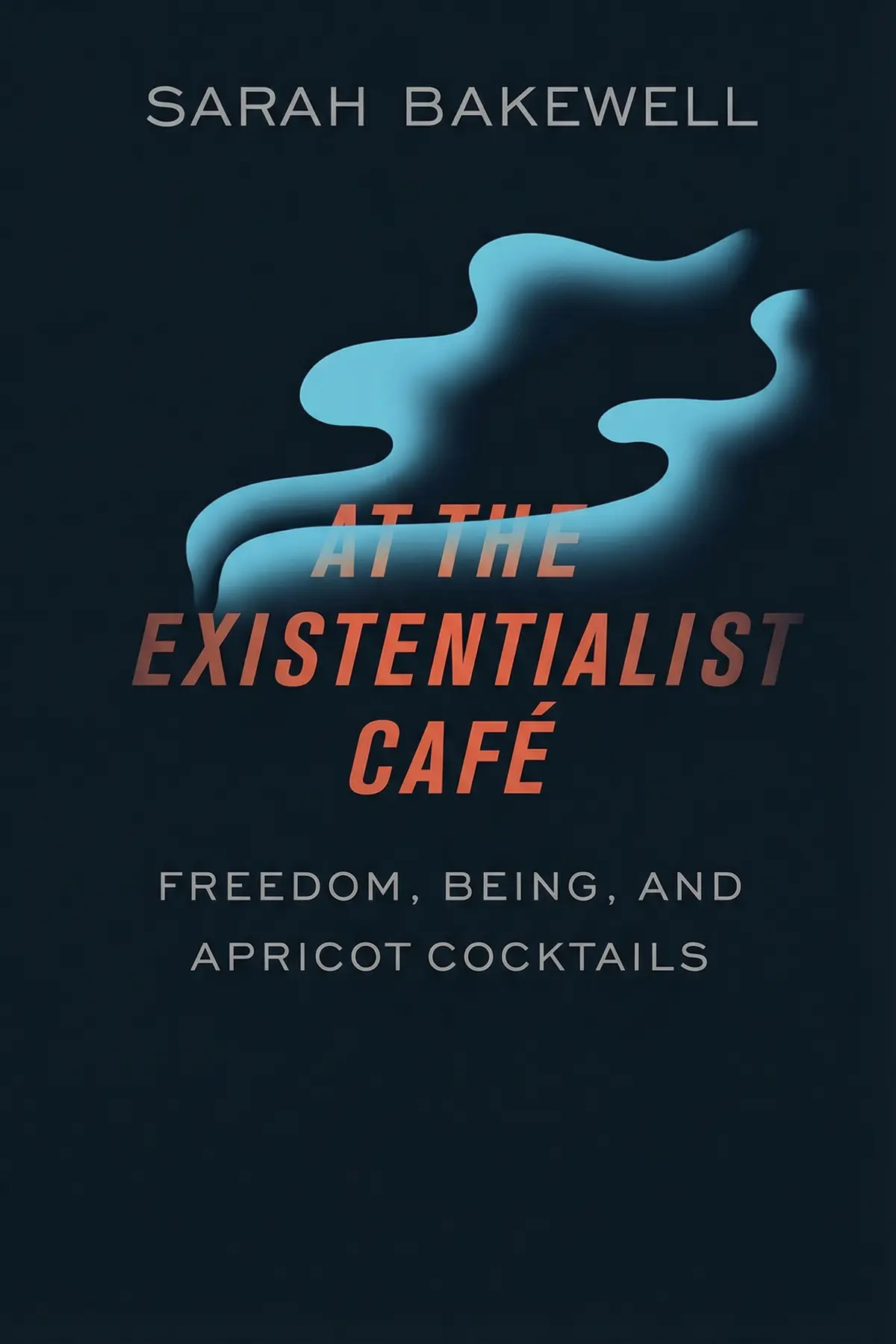
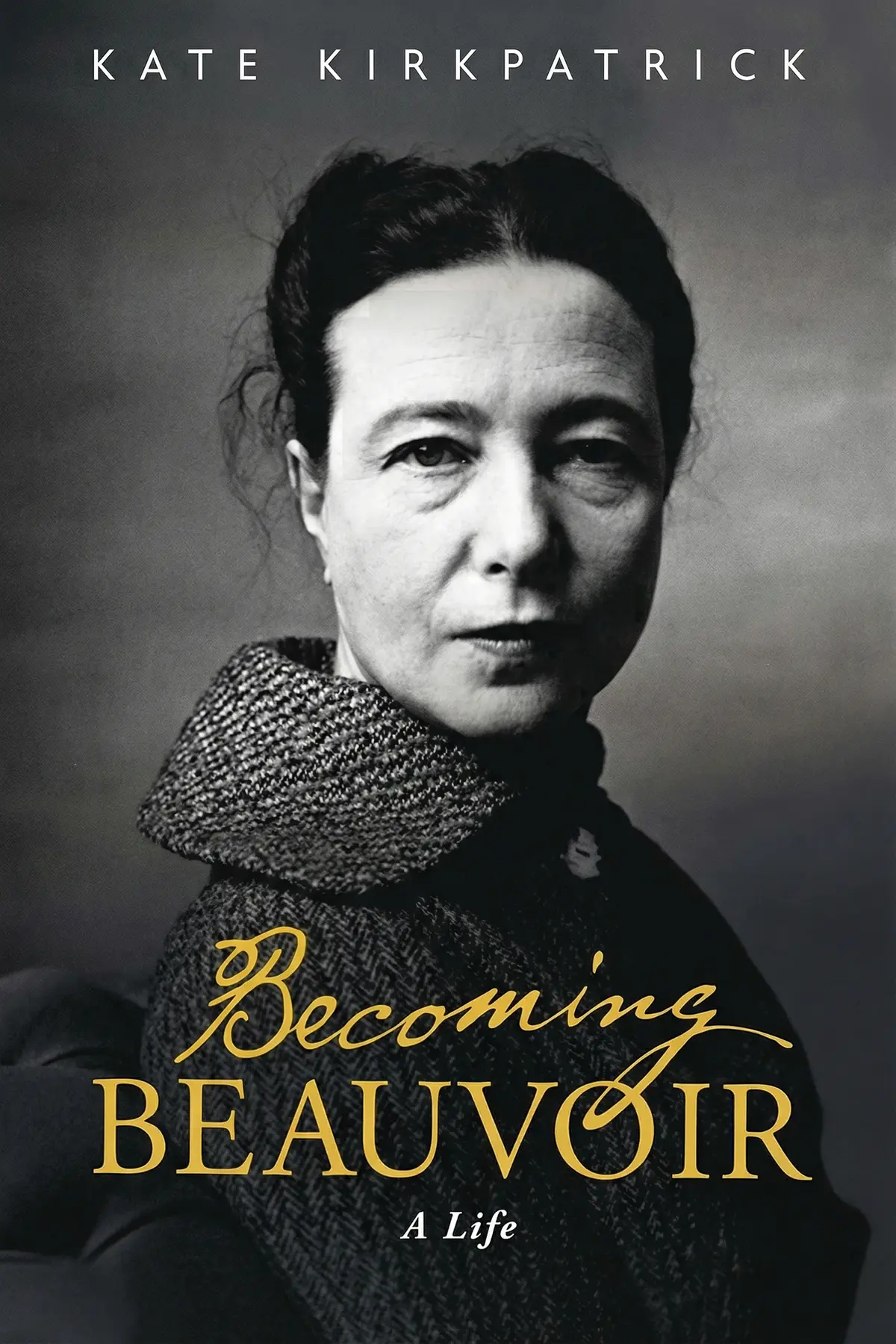
Kate Kirkpatrick
AUDIO SUMMARY AVAILABLE
Get the key ideas from Existentialism Is a Humanism by Jean-Paul Sartre, plus 5,000+ more nonfiction titles.