
14 min 31 sec
Available in: English
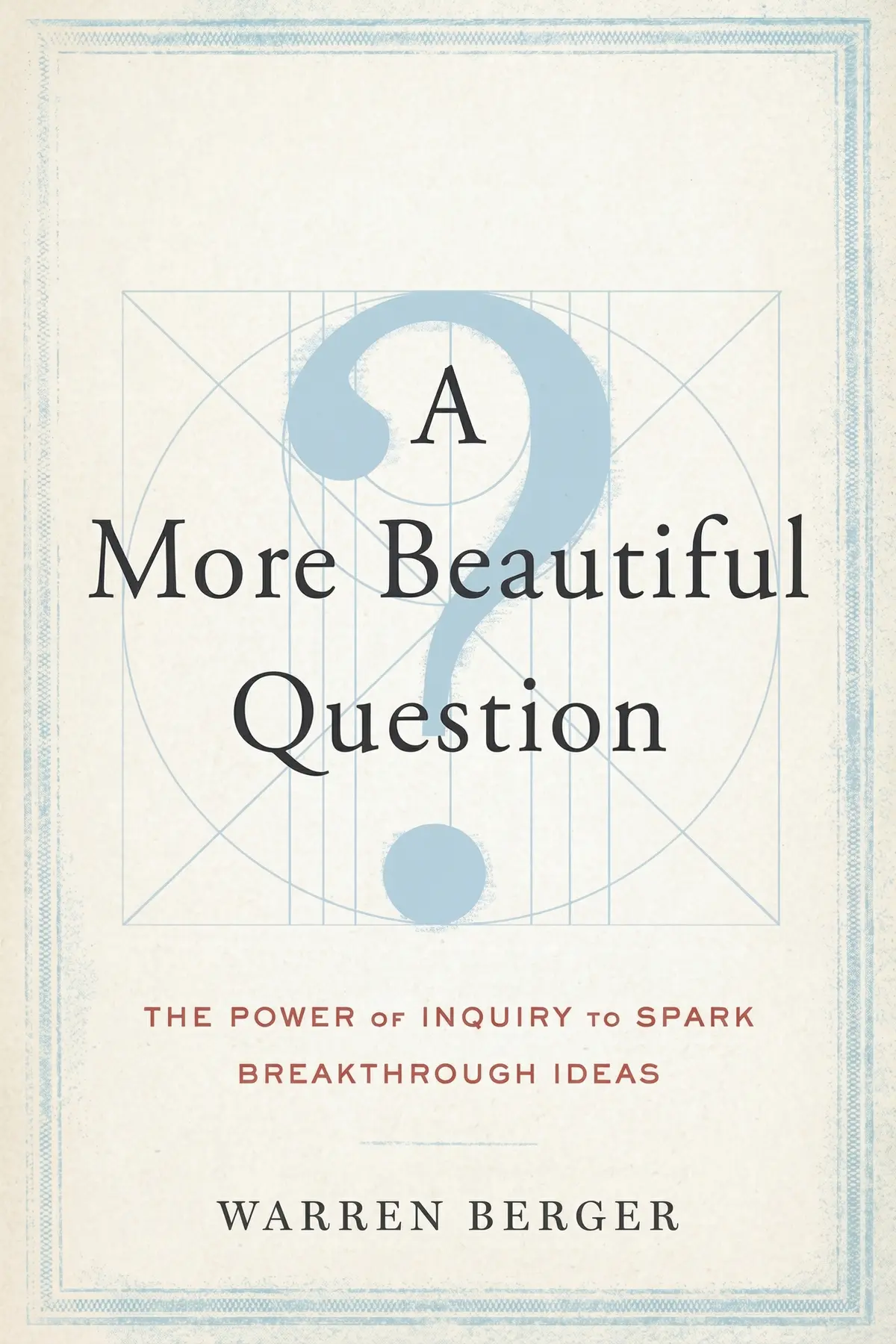
Everybody Has a Podcast (Except You): A How-To Guide from the First Family of Podcasting
A practical guide to starting a podcast with little money and ordinary talent: finding an angle, setting a format, recording in a closet, editing, getting found and eventually earning from the show.
Table of Content
1. Introduction
59 sec
Most people who dream of starting a podcast never record a word, because they assume it takes money, equipment and a special gift. In Everybody Has a Podcast (Except You), brothers Justin, Travis and Griffin McElroy argue it takes none of those. When they launched My Brother, My Brother and Me in 2010, they brought ordinary talent and no particular skills, they admit. Ten years on, they had several number one shows and toured the United States performing live for large crowds.
Their case is that a good podcast rests on things anyone can supply: a topic you are truly obsessed with, a format that respects your listeners’ time, and the stubbornness to keep going through mistakes. Their advice follows the order you will need it, from the first idea and a closet studio to editing, finding an audience and getting paid. By the end, a first episode is something you could actually record this month.
2. Turn your obsession into a show people want
1 min 37 sec
Hundreds of thousands of podcasts already exist, and your favorite subject has probably been covered. The McElroys explain why that rarely kills an idea, and which two honest questions decide whether yours deserves your time.
3. Win loyal listeners with a format they trust
1 min 33 sec
People squeeze podcasts into car rides and weekend chores, and that small fact shapes every choice a new show makes. Get it wrong and even a great idea leaks listeners episode by episode.
4. Make even obscure facts worth hearing
1 min 32 sec
Some podcasts on fascinating subjects still get switched off halfway through. A husband and wife who talk about bizarre old medical treatments show what separates a show people finish from one they abandon.
5. Build a good studio inside your clothes closet
1 min 37 sec
Beginners often believe decent sound means a professional studio and a big bill. The McElroys point to a space most homes already have, and to software that costs nothing at all.
6. Keep conversations alive with focus and energy
1 min 27 sec
Being yourself sounds like the obvious advice for a new host, and the McElroys only half agree. Which version of yourself belongs on the microphone, and how do you keep an unscripted chat from stalling?
7. Shape a raw recording into a tight episode
1 min 32 sec
An hour of messy tape holds a good episode somewhere inside it. The McElroys compare finding it to a famous piece of sculpture, and warn about the cut beginners make too early.
8. Get your show found by the right listeners
1 min 32 sec
A finished episode sitting on a desktop reaches nobody. One early choice is painful to undo later, and the brothers explain what to check before you commit to it.
9. Fund your podcast with patience and creativity
1 min 35 sec
New podcasters often picture money arriving the week they launch. The McElroys are blunt about that fantasy, yet they describe several real routes to paying for a show, and the one that pays most.
10. Conclusion
1 min 07 sec
The McElroy brothers’ story removes most of the excuses people give for never starting. They began with no special skills, recorded in modest conditions and edited in free software. What carried them was persistence through years of trial and error. Their golden rule links every stage: listeners are handing you their time, so treat it as precious. That one rule decides the topic you pick, the length you settle on, the segments you build and every cut you make.
If a show has been living in your head, the book points to a small first step. Write the idea as one sentence and test it honestly: would you give it your time, and would you listen to it yourself? Then find a closet full of clothes, a microphone that costs around a hundred dollars and a copy of Audacity, and record a rough first episode, knowing the mistakes are part of the method.
The brothers started with no special skills and, as they admit, only average talent. What set them apart is that they kept pressing record.
About this book
What is this book about?
Plenty of people have an idea for a podcast and never record it. They assume they need expensive gear, technical skill or a rare gift for talking. The McElroy brothers, who started My Brother, My Brother and Me in 2010 with no special skills, argue that none of that is required. Drawing on a decade of making shows, they walk through the whole process in plain terms. Pick a subject that truly grips you and find a fresh angle on it. Settle on a format, length and schedule your listeners can build a habit around. Entertain, whatever the genre. Turn a clothes closet into a studio, host with focus and energy, and edit in stages like a sculptor working marble. The book then covers what happens after the episode is done: choosing a hosting service, listing the show on the big directories, looking after an audience and paying for it all through crowdfunding, live events and advertising. Running underneath is one rule the brothers return to again and again. Listeners give you their time, so every minute has to be worth it.
Book Information
Who it's for
Sitting on podcast ideas
People with a podcast idea who have held back, worried about cost, gear or talent.
Hobbyists and subject experts
Hobbyists and specialists who want to turn an obsession or professional expertise into a show.
New podcast hosts
New hosts who have released a few episodes and want better editing, a bigger audience and some income.
About the Author
Justin McElroy
Justin, Travis and Griffin McElroy are the brothers behind My Brother, My Brother and Me, a comedic advice podcast on the MaximumFun network, and The Adventure Zone. Justin and Griffin were video game journalists who helped found the site Polygon. Travis trained in acting at the University of Oklahoma and worked in theater until 2014, when he moved to podcasting full time. In 2017 Forbes put Griffin on its 30 Under 30 list for media.
Ratings & Reviews
Ratings at a glance
What people think
Listeners find this guide to podcasting both educational and practical. They mention that it is an enjoyable and lighthearted read, with one listener specifically pointing out that it is the easiest to follow. Furthermore, the book receives praise for its humorous tone.
Top reviews
Brooklyn
If you’ve spent any time with the McElroy brothers via MBMBAM or The Adventure Zone, this book feels like a warm hug from three very loud, very funny friends. It’s less of a dry textbook and more of a conversational roadmap through the cluttered world of digital media. While some might find the constant sidebars and brotherly bickering a bit distracting, I thought it perfectly captured their specific brand of chaos. They provide genuinely useful advice on equipment and finding your 'hook' without ever sounding like corporate shills. To be fair, you have to enjoy their humor to get through some of the meta-commentary, but the heart is there. It’s an easy, pleasant read that actually demystifies the technical hurdles of hosting and publishing. By the end, you’ll feel like you can actually hit record.
Show morePakpoom
Picked this up on a whim as a fan of Sawbones and was surprised by how much actual 'meat' is on the bones here. It isn't just a collection of anecdotes; it's a legitimate how-to manual for anyone who wants to take their audio projects seriously. The brothers are incredibly honest about the grind of editing and the reality of monetization, which I appreciated. They don't sugarcoat how much work it takes to keep a show running long-term. Look, if you aren't a fan of their goofy energy, you might find the 'close your eyes' jokes a bit tiresome. But for the rest of us, it's an entertaining and easy-to-use resource. It really feels like they want you to succeed, which is a rare vibe for a celebrity-penned book.
Show moreTalia
Ever wonder why some podcasts fail after three episodes while others last for a decade? This book answers that question by focusing on the 'why' as much as the 'how.' The McElroys emphasize that your audience's time is valuable, which is a refreshing take. I found the advice on finding the right co-hosts and maintaining a healthy creative relationship to be the most insightful part. It’s written in such an amusing way that I finished it in two sittings. Not gonna lie, I was worried it would be too much 'inside baseball' for their fans, but it’s actually a very accessible entry point for beginners. It’s the easiest to use guide I’ve seen because it removes the intimidation factor from the technical side of things.
Show moreOat
Not what I expected, but exactly what I needed. I’ve been a fan for years, and seeing their process laid out like this was fascinating. It’s an entertaining and informative read that manages to be both a how-to manual and a love letter to the medium. The McElroys don't pretend to be the only experts, but their track record speaks for itself. They offer plenty of good reminders that quality matters more than fancy equipment. I appreciated the conversational tone—it felt like they were in the room with me. Even if you never actually record a single second of audio, it’s a great peek behind the curtain of the first family of podcasting. Definitely recommend it for the humor alone, but the tips are the real prize.
Show moreSupaporn
Finally got around to reading this because I’ve been sitting on a podcast idea for years. The McElroys have a way of making everything feel achievable, even when they’re joking about how they don't know what they're doing. I found the sections on hardware and software choices particularly helpful since that’s where I usually get stuck. They break down mic choices and recording setups in a way that doesn't require an engineering degree. Frankly, the writing style can be a bit disjointed with all the interruptions from the other brothers. It reads exactly like they talk, which is great for fans but might be a struggle for anyone looking for a standard non-fiction flow. Still, the practical tips on sustaining interest over time make it worth the price of admission.
Show moreWaree
As someone who has never wanted to start a podcast, I still found this remarkably fun to read. I’m a casual listener of their shows, and I mostly bought it to see the 'behind-the-curtain' secrets of their success. The McElroy brand of humor is on full display, making what could have been a boring technical manual into something genuinely pleasant. I especially liked the sections on how they come up with ideas and vet them for longevity. It’s a great reminder that podcasting is a labor of love rather than a get-rich-quick scheme. My only gripe is that some chapters felt a little light on research, relying more on their personal anecdotes than industry-wide data. Regardless, it’s a funny, lighthearted look at a medium that usually takes itself way too seriously.
Show moreNuk
The chapter on monetization alone makes this a worthwhile purchase for any aspiring creator. Most people tell you to just 'find sponsors,' but the brothers actually discuss the ethics of advertising and the reality of merchandising. It’s a very practical look at the business side of things that many other guides skip over. I’ve been a long-time listener of MBMBAM, so the humor felt very familiar and welcome to me. I can see how a newcomer might be confused by the 'meta' jokes about the reader being in a book, though. To be fair, the book strikes a nice balance between being a memoir of their journey and a technical manual. It won't make you an expert overnight, but it gives you a solid foundation and the confidence to just start.
Show morePla
After hearing about this on The Adventure Zone, I expected a comedy book, but it’s actually a very solid primer. They cover everything from basic mic choice to the complexities of RSS feeds and hosting. It’s clearly born from years of trial and error, which makes the advice feel authentic and earned. I did find the formatting a bit strange at times; the blank spaces around sidebars felt like a bit of a waste. However, the humor kept me engaged through the more technical bits that might have otherwise been dry. Personally, I think this is a must-read if you’re even slightly considering starting a show. It gives you the keys to success while helping you avoid the most common mistakes beginners make.
Show moreChamp
This guide is a bit of a mixed bag for me. On one hand, the McElroys are clearly experts in the field, and their advice on respecting the 'life minutes' of your audience is a much-needed perspective in an oversaturated market. On the other hand, the physical layout of the book is occasionally frustrating. Those sidebars that cut across the page often break the flow of a good point just for a quick joke that doesn't always land in print. In my experience, the conversational tone works better in their audiobooks than it does on the page. I did appreciate the deep dive into hosting and RSS feeds, which are usually the most confusing parts for beginners. It’s informative, but the polish just isn’t quite there compared to other professional manuals.
Show moreLeo
Look, I love the brothers and I've listened to hundreds of hours of their content, but this book was a struggle. Writing a book exactly as you speak sounds like a good idea in theory, but in practice, it’s incredibly grating. The sentences are often run-ons, and the frequent interruptions from sidebars make it impossible to stay focused on the actual advice. There is a lot of profanity and slang that feels out of place for a guide like this. While they do eventually get to helpful tips about mics and hosting platforms, I felt like I had to dig through too much fluff to find them. Truth is, I probably should have just gotten the audiobook. This format translates poorly to text and felt half-baked in terms of structure and depth.
Show moreQuestions about this book
What is Everybody Has a Podcast (Except You) about?
It is a practical guide to making a podcast from the McElroy brothers, who started My Brother, My Brother and Me in 2010 with ordinary talent. They cover choosing a topic and angle, setting a consistent format, entertaining listeners, recording cheaply, hosting, editing, publishing and making money. Their central rule is to respect the audience’s time and make every minute of a show worth hearing.
How much does it cost to start a podcast according to the McElroys?
Not much. The brothers say a decent microphone costs around $100, and a USB model plugs straight into a computer, which suits beginners. Recording with several XLR microphones needs a soundboard, also about $100. A closet full of clothes makes a good recording space, and the free, open-source program Audacity handles editing, the same software they use for their own shows.
How do you choose a topic for a podcast?
Start with something that genuinely obsesses you, since the brothers believe enthusiasm cannot be faked. Research what already exists, because there are around 850,000 podcasts. If your subject is crowded, find a fresh angle, ideally built on your own expertise. Boil it down to a one-sentence pitch, then check that you will give it your time and would listen to it yourself.
How do podcasters make money, according to the book?
The McElroys describe three main routes. Crowdfunding through Kickstarter, Indiegogo or Patreon works early and builds a bond with fans, though it takes a lot of effort. Merchandise and live events suit shows with an established audience. Advertising is the most common and best paid, especially sponsored episodes, but the brothers insist on keeping ads clearly separate from the show.
What is the best editing advice in Everybody Has a Podcast (Except You)?
Edit in stages, like sculpting marble. First remove obvious problems such as barking dogs, ideally marked during recording with a pause or a clicker. Then listen to the whole recording and note edits with timestamps before cutting anything, since later moments may refer back. Polish transitions, trim ums and silences, add music and get specific feedback from someone you trust.
Readers also enjoyed




AUDIO SUMMARY AVAILABLE
Listen to Everybody Has a Podcast (Except You) in 15 minutes
Get the key ideas from Everybody Has a Podcast (Except You) by Justin McElroy, plus 5,000+ more nonfiction titles.
- 5,000+ titles
- Listen as much as you want
- 7-day free trial
- Cancel anytime









