

14 min 13 sec
Available in: English
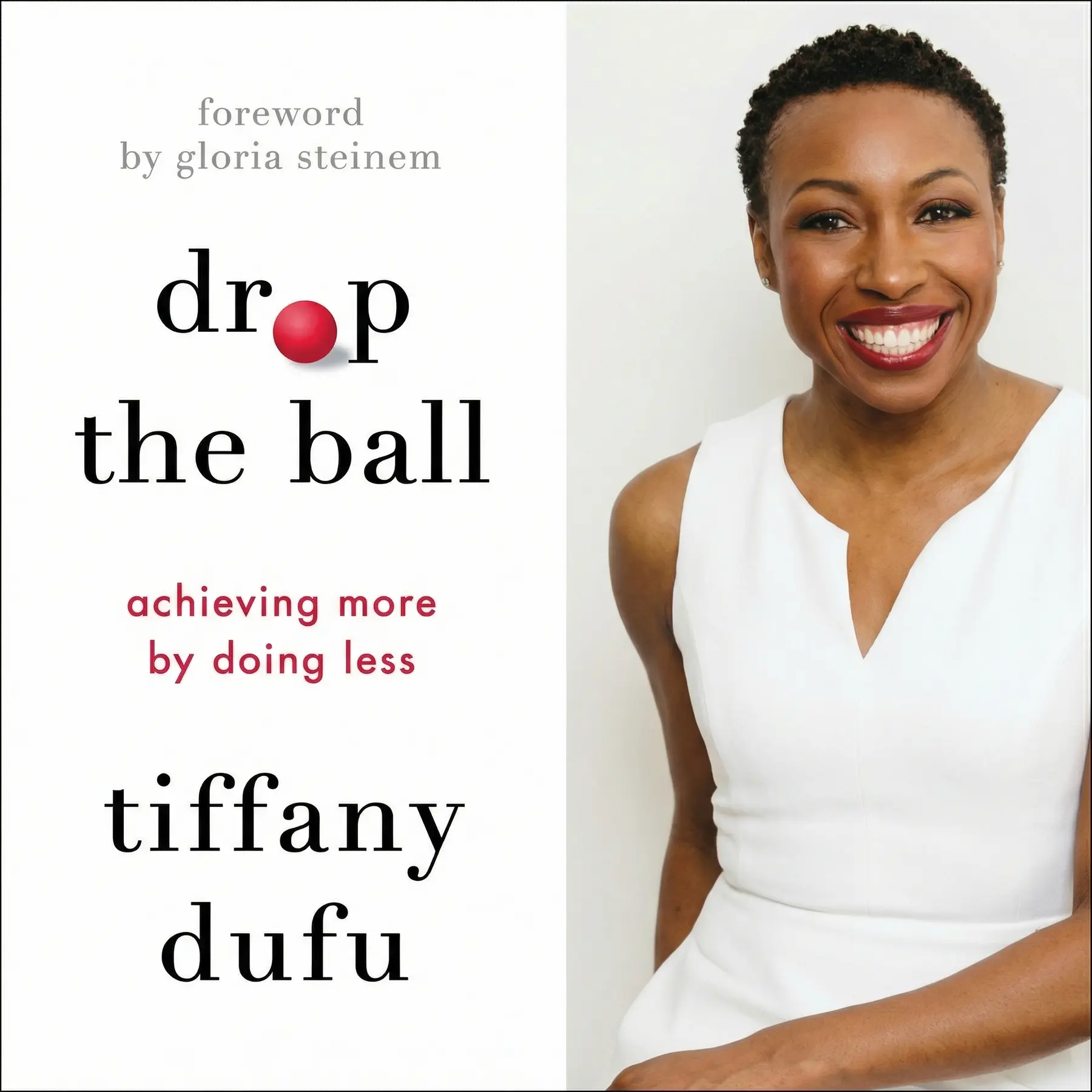
Drop the Ball: Achieving More by Doing Less
By Tiffany Dufu
Shows women balancing careers and households how to achieve more by doing less. The method: drop needless tasks, divide home work openly with a partner, let others do things their way and protect your own energy.
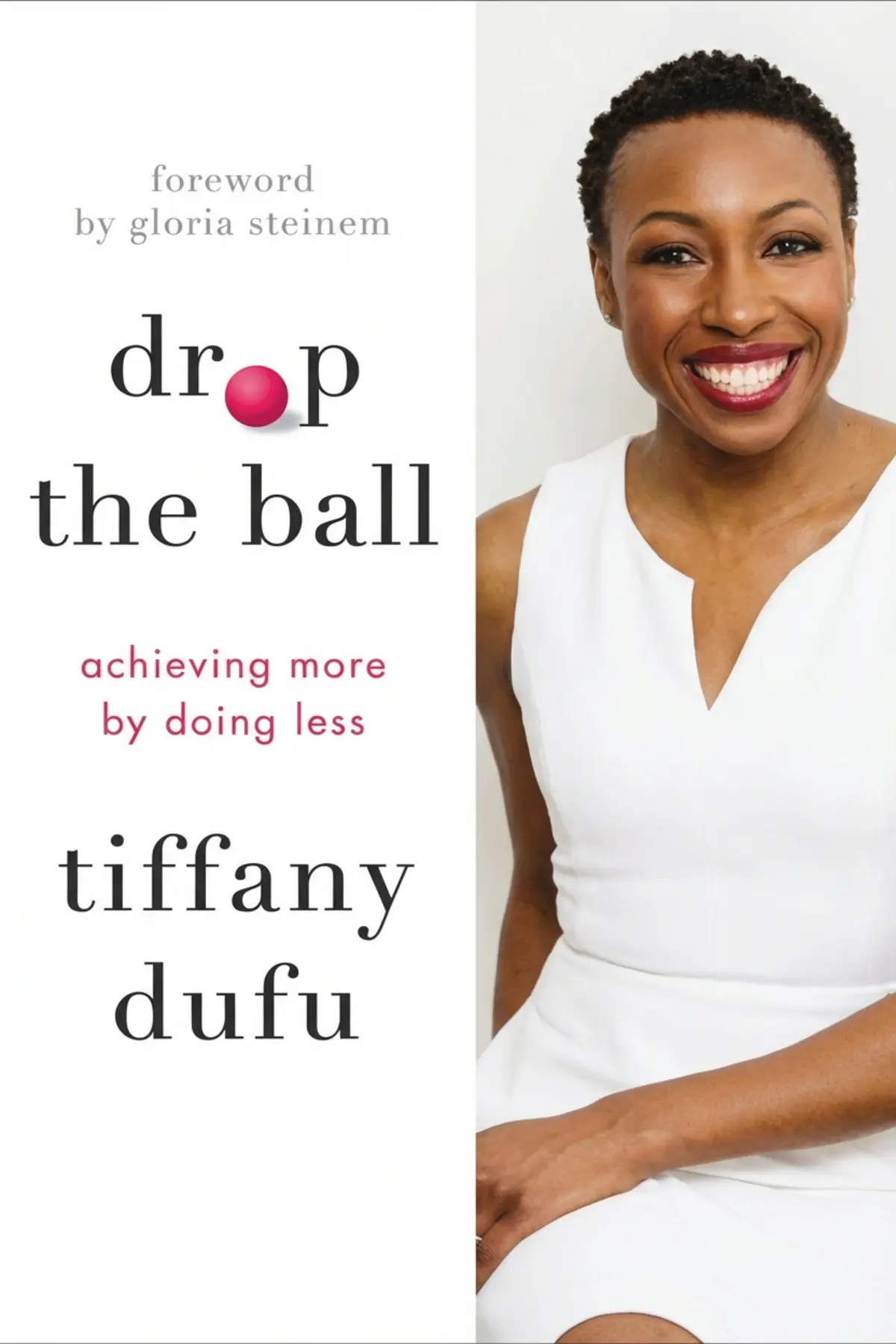
Table of Content
1. Introduction
54 sec
If your workday ends at the office door only for a second shift to begin at home, Tiffany Dufu has an unexpected answer: do less, on purpose. In Drop the Ball, the women’s leadership consultant argues that the ideal of doing it all is a trap. The women who escape it are the ones willing to let some things fall. Her case rests on a plain pattern. Women now make up half the workforce, yet they still carry most of the housework, and that hidden load helps explain why so few reach the top.
Here is the argument the whole book builds: you achieve more by deciding what not to do, sharing the rest openly with a partner, and protecting your own energy. Along the way come an ugly kitchen faucet, a growing pile of unopened mail and a baseball player criticized for staying home with his newborn. Each one ends in a habit you can try at home this week.
2. Stop chasing the goal of doing it all
1 min 48 sec
Women have won a far bigger place at work, yet the gap at the top barely moves. The reason sits in the hours after the office closes, and even hiring help does not make it go away.
3. Decide together who does what at home
1 min 44 sec
Most couples never sit down and agree on who handles the bills or the laundry, yet somehow the jobs get assigned anyway. The way that happens is rarely fair, and it can poison a relationship slowly.
4. Keep the tasks only you can do
1 min 42 sec
An exhausted woman comes home to a husband on the couch asking about dinner. Dufu uses an idea from economics to decide which jobs she should hold on to and which should never have been hers that day.
5. Let the mail pile up when it isn't yours
1 min 42 sec
Your partner agreed to deal with the mail, and the envelopes keep stacking up by the door. Opening them yourself feels responsible. Dufu explains why it may be the most damaging thing you could do.
6. Accept the ugly faucet and say thank you
1 min 52 sec
The leak is fixed, but the new tap is hideous. What you do next decides whether help keeps coming, and a babysitting story from Dufu’s own home shows the other person’s way can beat yours.
7. Raise the bar for men at home
1 min 42 sec
A professional baseball player took a few weeks off when his first child was born, and people treated it as a scandal. That reaction reveals a belief that keeps housework unequal and holds women back at work.
8. Spend freed time on sleep, exercise and allies
1 min 43 sec
Women fill more than half of entry-level corporate jobs, then nearly vanish from the executive floor. Dufu names four daily habits that protect a long career, and they are not what most busy people make time for.
9. Conclusion
1 min 06 sec
Drop the Ball turns the usual advice for busy women upside down. Most guidance adds new systems for getting more done. Dufu subtracts. In her view the second shift survives on silence and habit. It lives on lists nobody discussed, on chores rescued by the person who cannot bear to watch them slide, and on low expectations of men that both partners have absorbed. Break those habits, and the hours that once went into laundry and redone dishes come back for sleep, exercise, friends and a career that had stalled.
The practical start is modest. Sit down with your partner, write out every task in the home and put one name beside each. Keep what only you can do, like the bedtime story, and let a service or someone else take the groceries. When a job is late or done badly, let the mail sit and live with the ugly faucet. Then thank the person for what actually went right.
A dropped ball, in Dufu’s telling, is rarely the disaster it feels like in the moment. Often it means you have finally put down a load that was never yours alone.
About this book
What is this book about?
Women have moved into professional life in large numbers, but the work waiting at home has barely shrunk. Many end each office day by starting a second shift of cooking, laundry and childcare. They feel they are failing at both jobs, or they feel guilty for handing chores to someone else. Tiffany Dufu argues that the ideal of doing it all is the problem, and that the way out is to do less on purpose. Drawing on workplace statistics, studies of household labor and her own marriage, Dufu shows how unspoken habits and old gender roles leave women carrying most of the domestic load. That load helps explain why so few women reach senior roles. Her answer has several parts. Couples talk openly about who does what. You keep the tasks only you can do and hand off the rest. You stop rescuing chores that belong to someone else, and you accept that other people will do things differently. She also asks society to expect more from men at home. Then she shows how the time a woman wins back can go into exercise, sleep, relationships and visibility at work, the habits that support a long career.
Book Information
Who it's for
Working mothers
Working mothers who leave the office only to start a second shift at home.
Couples arguing over chores
Couples who argue over chores and want a fairer, openly agreed split.
Ambitious women feeling burnout
Ambitious women who feel burnout pushing their career goals out of reach.
About the Author
Tiffany Dufu
Tiffany Dufu consults and speaks on women's leadership. She was on the launch team for Lean In and served as Chief Leadership Officer at Levo, a professional network. Fast Company named her to its League of Extraordinary Women in 2012. She has spoken at TEDWomen, MAKERS and Fortune's Most Powerful Women Summit and has consulted for Fortune 500 companies. She earned a bachelor's and a master's degree in English at the University of Washington.
Ratings & Reviews
Ratings at a glance
What people think
Listeners consider this work essential reading for women, especially moms, highlighting its actionable tips and thoroughly vetted material. It utilizes a narrative-driven method and provides a candid look at the challenges that many people encounter. Listeners value the way it is written and feel it is appropriate for audiences across various age groups.
Top reviews
Dao
Wow. This was exactly the kick in the pants I needed to stop obsessing over every little detail at home. Dufu’s storytelling is so engaging that I finished it in two sittings, feeling like I’d just had a long coffee date with a mentor. Her "four practices" for flourishing—especially the focus on sleep and networking—offered a roadmap that felt much more attainable than the usual corporate advice. I’ve already started delegating tasks like the grocery shopping to my partner without micromanaging the results. It isn't just about doing less; it's about making space for what actually matters in your career and life. If you’re a mother trying to climb the professional ladder, you need this perspective on your nightstand. It is an honest look at the messy reality of being a high-achiever.
Show moreNutnicha
As a working mom who perpetually feels like she’s drowning, Dufu’s memoir-style advice felt like a life raft. I’ve come across so many books that suggest "hiring help" as the only solution, so I appreciated that she tackled the messy reality of domestic partnership and the "mental load" women carry. Her vulnerability regarding her marriage with Kojo was refreshing and honest. The way she describes "delegating with joy" really changed my perspective on how I interact with my spouse. I no longer feel like a failure for not being the "key contact" for every single school event or home project. This book is a manifesto for anyone who is tired of the invisible meritocracy of homemaking. It’s a powerful, well-researched call to action for the modern woman of any age.
Show morePia
Tiffany Dufu has a gift for taking these massive, systemic issues and making them feel deeply personal. I loved how she integrated her identity as a woman of color into the narrative, highlighting the extra pressures that come with being "the only" in certain spaces. The way she describes her transition from being a perfectionist "Home Country Manager" to someone who prioritizes her own stamina was eye-opening. Personally, I wish I had read this before I returned from maternity leave. It’s more than just a self-help book; it’s a story about reclaiming your time and your identity outside of just being a "do-it-all" mother. The honesty about her early marital struggles was the highlight for me because it felt so real. This is a must-read for any woman feeling the pressure of modern life.
Show moreDaranee
Finally got around to reading this after seeing it recommended on a podcast. While I don’t agree with every single takeaway, particularly the heavy focus on networking events which sounds exhausting for an introvert, the core message is vital. Dufu is right: we can't do it all, and we shouldn't have to. The chapter on how men and women’s "boxes" and "wires" function was hilarious and felt eerily accurate in my house. I did find the focus on her C-suite ambitions a bit narrow, as not everyone is aiming for that specific brand of success. However, her advice on letting go of perfectionism at home so you can thrive at work is solid. It’s a chatty, fast-paced read that will definitely make you rethink your daily to-do list.
Show moreLily
Picked this up on a whim and was surprised by how much the "mental load" discussion resonated with my current situation. The author does a great job of articulating that specific brand of female guilt we feel when the house isn't perfect. I particularly liked her experiment with getting eight hours of sleep—it’s such a simple concept, yet so revolutionary when you’re used to running on fumes. Truth is, some of the advice on "training" your husband felt a little manipulative at times, rather than just being direct. But I can't deny that her strategies for building a "village" of mentors and promoters are incredibly practical. It’s a great mix of personal anecdotes and actionable career advice that doesn't feel too dry or academic. Definitely a must-read for women entering new life stages.
Show morePisit
After hearing about the lack of career books by women of color, I was excited to find this perspective. Dufu brings a much-needed voice to the table, and her writing is incredibly relatable and warm. I found the sections on building your "village" of promoters and sage mentors to be the most valuable part of the book. It’s not just about doing fewer chores; it’s about strategically positioning yourself for the career you want. My only gripe is that the book assumes a very specific family structure. However, the principles of identifying what is "highest and best" for your time can be applied by anyone. It’s a quick read that packs a punch and encourages some much-needed self-reflection for working parents.
Show moreEarn
This book is definitely a conversation starter, but I'm not sure it's for everyone. I struggled with the fact that "dropping the ball" only ever seems to apply to the home, never to the workplace. Why is it always the laundry that gets sacrificed and never the extra administrative busywork at the office? Dufu’s story is impressive, but it feels like a sequel to 'Lean In' that assumes we all have the same high-powered career goals. I appreciated the inclusion of stories from "average" women, like the bus driver, but they felt like minor footnotes compared to her own experiences. It’s well-written and engaging, but the underlying assumption that we all want to reach the top of the corporate ladder felt a bit limiting to me personally. A decent read, but missing some tougher questions.
Show moreChiw
Is it a memoir or a self-help guide? I found myself wishing for more of the latter. While the stories about her career at the White House Project and Levo were interesting, the book is quite repetitive regarding the domestic division of labor. I’m not convinced by the "boxes vs. wires" brain science, though it makes for a funny anecdote. I did appreciate the "delegating with joy" concept, but I wanted more examples of how to drop the ball at work. The book focuses so much on the home that it ignores the fact that many employers are the ones making work-life balance impossible. It’s an easy, enjoyable read with a nice storytelling approach, but it didn't quite provide the depth I was looking for after the first few chapters.
Show moreAlice
Ever wonder why the solution to "having it all" always seems to involve the husband doing more chores? This book dives deep into that dynamic, and while I found some of Dufu’s realizations about micromanaging to be helpful, the tone occasionally grated on me. Not gonna lie, the chapter titled "Why We Need Men" felt a bit reductive for my taste. Look, I get that she’s writing from her own lived experience as a married woman, but it felt like the book was talking to a very narrow demographic. That said, her advice on letting go of the "stifling pressure" of being a perfect homemaker is something every woman should hear. It’s an honest, well-written book, even if it doesn't solve the bigger systemic problems we face in the workplace.
Show moreSaranya
To be fair, Dufu seems like a lovely person, but this book felt incredibly out of touch for someone who isn't a high-powered executive. My main issue is the presumption that everyone has a partner who is willing and able to pick up the slack. If you drop the ball and no one is there to catch it, the ball just stays on the floor. The constant references to cocktail parties and high-level networking made my head spin as an introvert. I wanted a book with more science and specific organizational steps, but this felt more like a personal manifesto or a memoir. While the writing style is smooth, the "have your husband do more" solution feels a bit dated and doesn't account for the systemic issues at play in the workforce. Not the practical manual I was hoping for.
Show moreQuestions about this book
What is the main idea of Drop the Ball by Tiffany Dufu?
Dufu argues that trying to do it all is unrealistic and holds women back at home and at work. Women are half the workforce but hold 18 percent of leadership roles, partly because they still do most of the housework. Her answer is to do less on purpose. Couples split chores openly, each person keeps the tasks they do best, nobody rescues work that belongs to someone else, and men are expected to carry their share.
What are the Four Go-Tos in Drop the Ball?
The Four Go-Tos are daily practices Dufu sees as essential for long-term success. Exercise relieves stress and builds stamina. Building your network means investing in colleagues, mentors and peers. Visibility comes from attending conferences, seminars and workshops so others in your field see your abilities. Sleep means getting a regular eight hours. She argues that dropping unnecessary obligations creates the time for all four.
How do you divide household chores fairly according to Tiffany Dufu?
Sit down with your partner and list every household obligation, big and small. Assign each task by skill and values, perhaps small recurring jobs to one person and big occasional ones like finances to the other. Then stick to those roles and don’t do the other person’s tasks, since people follow through when they know no one will rescue them. Some jobs can go to hired help, and some can simply be dropped.
Why does Dufu say you should not redo your partner's chores?
Redoing chores wastes time and creates more work for you. Dufu points to a British study which found that each week women lose three hours to redoing household tasks, since they were unhappy with their partners’ way of doing them. Other methods can even work better: her husband found babysitters faster by texting them all at once. She advises accepting different approaches, thanking people for specific things they did well, and letting that praise gradually shape how they work.
Who should read Drop the Ball?
It suits working women, especially mothers, who feel stretched between career and household. It also helps couples who want to share domestic work more fairly. Readers worried about burnout, or about stalling before senior roles, get practical habits: delegating by comparative advantage, holding partners accountable, expecting more from men and protecting time for exercise, networking, visibility and sleep.
Readers also enjoyed

A Guide to the Good Life: The Ancient Art of Stoic Joy
William B. Irvine


A High-Performing Mind: Strengthen Your Mind and Live Your Best Life
Andrew D. Thompson


Abundance: The Inner Path to Wealth
Deepak Chopra

60 Seconds & You’re Hired!
Robin Ryan


AUDIO SUMMARY AVAILABLE
Listen to Drop the Ball in 15 minutes
Get the key ideas from Drop the Ball by Tiffany Dufu, plus 5,000+ more nonfiction titles.
- 5,000+ titles
- Listen as much as you want
- 7-day free trial
- Cancel anytime









