

14 min 37 sec
Available in: English
 ไทย
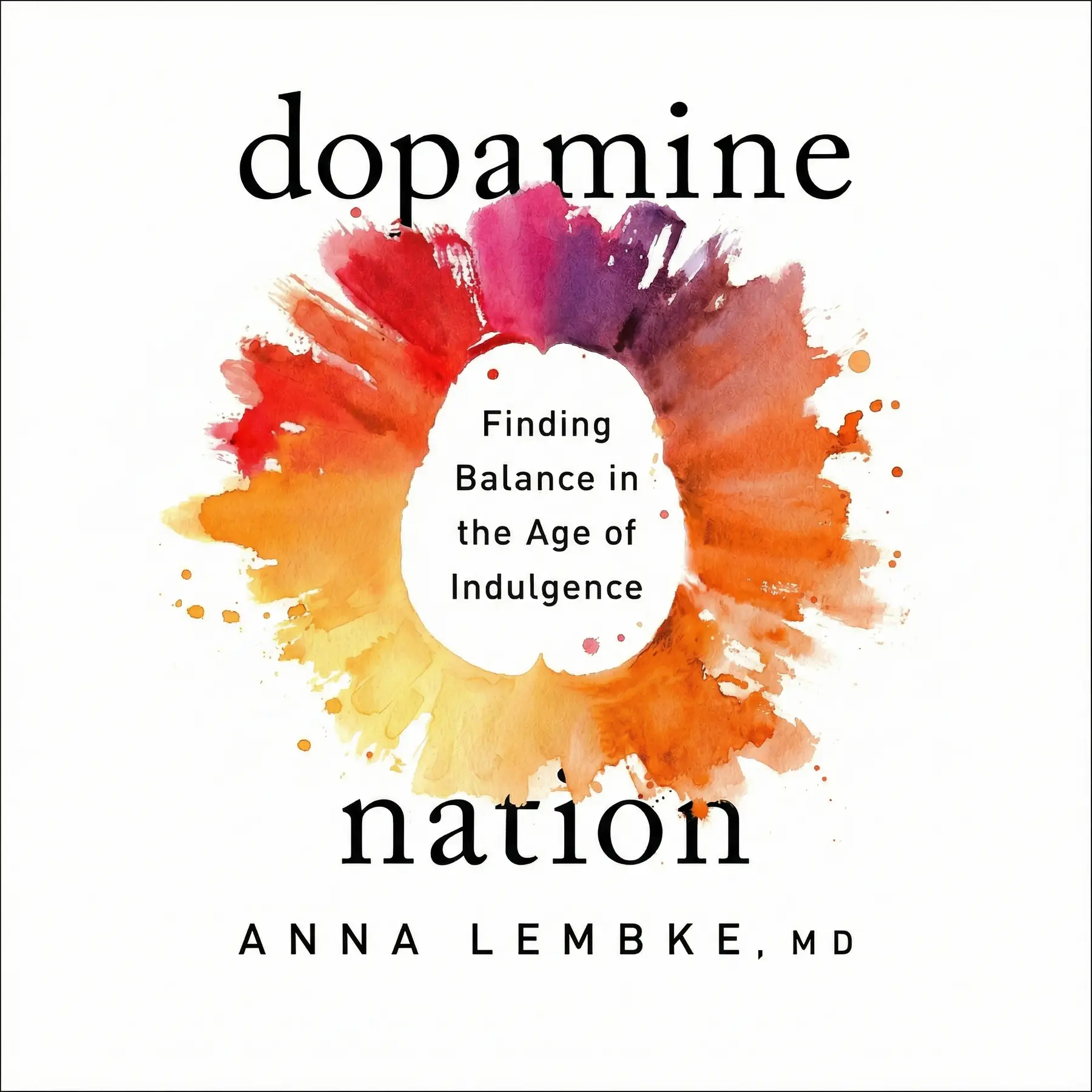
EnglishไทยDopamine Nation: Finding Balance in the Age of Indulgence
By Anna Lembke
Psychiatrist Anna Lembke shows why endless pleasure leaves people anxious and unsatisfied. She explains how a month of abstinence, chosen discomfort, honesty and a forgiving community can reset the brain's pleasure-pain balance.
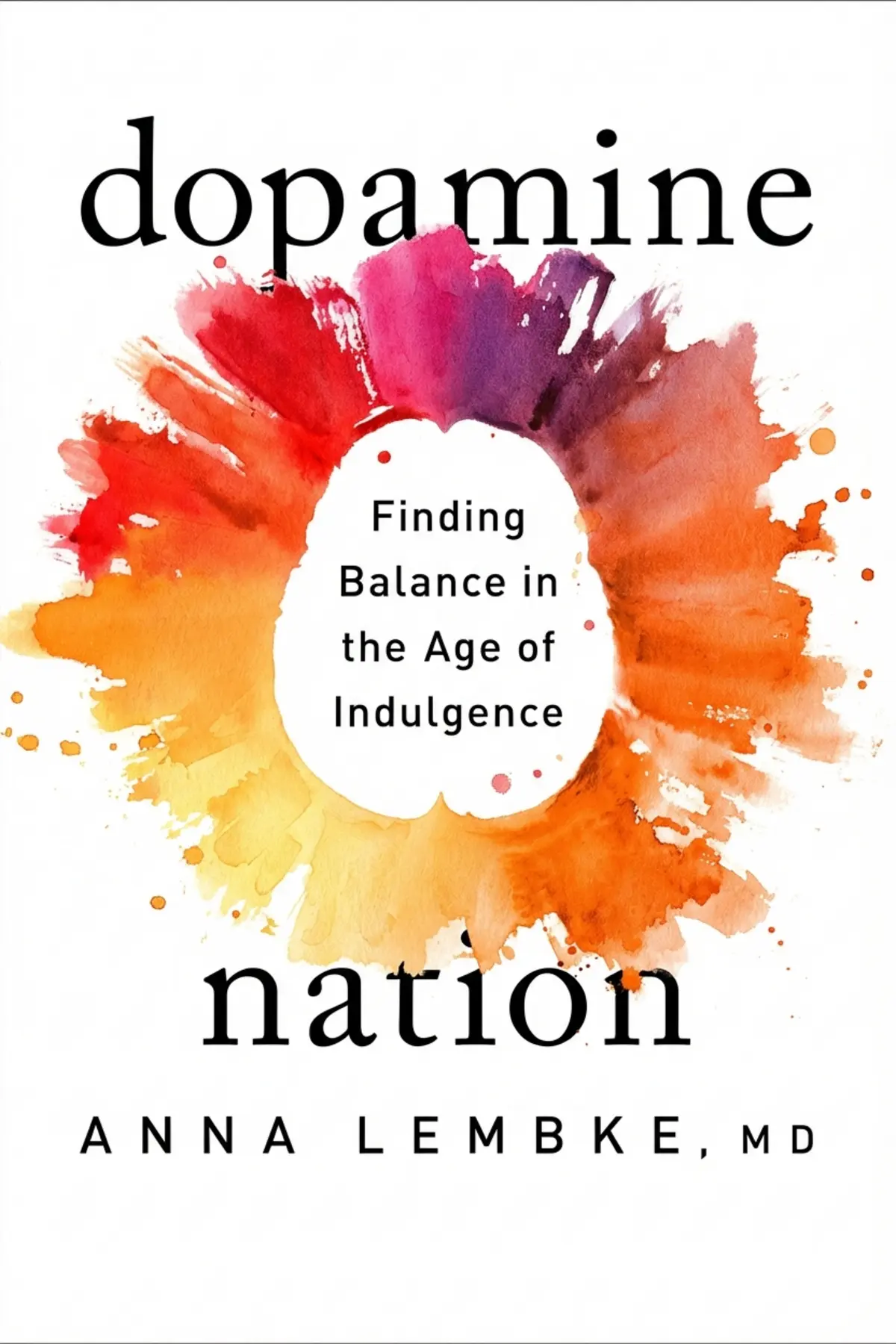
Table of Content
1. Introduction
58 sec
Many people end the day reaching for one more episode, one more scroll or one more glass, and wake up feeling worse. In Dopamine Nation, psychiatrist Anna Lembke, who leads an addiction clinic at Stanford, explains why: the brain weighs pleasure and pain on a single balance, and every push toward pleasure is followed by an equal tilt toward pain. In a world of constant rewards, that balance stays stuck on the painful side, leaving us anxious, restless and less able to enjoy anything.
Lembke’s way out comes from the people who know this trap best, her patients in recovery. Their tools are ordinary: a month away from the habit, a dose of chosen discomfort, honest talk and a community that forgives. Follow her reasoning and you can name your own reward of choice, see why it stopped satisfying you and start resetting the scale this week.
2. See the addiction hiding in your daily habits
1 min 39 sec
The usual picture of an addict leaves most of us out of it. A psychiatrist who readily admits she once compulsively read romance novels on an e-reader argues the line is far blurrier, and points to what makes it so easy to cross.
3. Stop running from small discomforts and feel less miserable
1 min 59 sec
Rich countries have more comfort and medication than ever, yet their people report less happiness. One Stanford student’s daily routine hints at why our efforts to feel better are backfiring.
4. Understand the seesaw behind every craving
1 min 48 sec
A favorite book read four times gave less pleasure each time. Behind that small disappointment sits a brain mechanism that explains tolerance, craving and why people return to habits that no longer please them.
5. Four weeks that reset your reward system
1 min 48 sec
A daily cannabis user with constant anxiety agreed to stop for a set period. The length of that break was not chosen at random, and what it revealed went well beyond the drug.
6. Use chosen discomfort to feel good for longer
1 min 50 sec
A former drug user discovered a new source of pleasure in something most people avoid. Studies on worms, cold water and ancient medicine suggest his discovery is less strange than it first sounds.
7. Tell the truth and loosen addiction's hold
1 min 40 sec
A small lie about an opened package cost a recovering alcoholic a full night of sleep. What she did the next morning shows why owning up can change far more than one relationship.
8. Turn shame into a way back to people
1 min 40 sec
A lifelong churchgoer asked her community for help with drinking and was told to keep quiet. Her story, and that of a man with thousands of lies behind him, shows two very different kinds of shame.
9. Conclusion
1 min 15 sec
Lembke’s diagnosis is uncomfortable because it includes almost everyone. Impossible standards, our own or other people’s, make us crave release, and release is everywhere: the bar, the feed, the streaming queue, the bottomless bowl. Each one tips the balance, and the brain collects payment in craving, anxiety and a dulled capacity for joy. Her patients show that the debt can be paid down.
Her final advice is to stop escaping and turn toward the life you have, paying close attention to it and seeking balance in all things, knowing the rewards come slowly.
One shift makes the start easier. When you hear yourself promising to do better tomorrow, step back and look at your habit across years instead of days. Ask whether you want to be living this way one year from now, or five. Then leave one space empty, a walk without headphones or a month without your habit of choice, and let the scale settle.
A life you no longer need to escape is the reward Lembke holds out, and the way there begins with a little discomfort.
About this book
What is this book about?
Phones, streaming, sugar, pornography and pills are all a tap away, and many of us use them to dull small discomforts. Anna Lembke, a Stanford psychiatrist who treats addiction, argues that this constant relief is making us more miserable. Her evidence ranges from national prescription figures to falling happiness scores in wealthy countries. At the center of the book is a simple model. The brain balances pleasure and pain, so every hit of reward is followed by an equal pull toward craving. Repeat it often enough and tolerance sets in, leaving the scale stuck on pain: less enjoyment, more anxiety and a steady pull toward relapse. Lembke's remedies come from her patients in recovery. A four-week dopamine fast can reset the reward system. Deliberate pain, from ice baths to exercise, can tip the brain toward lasting pleasure. Radical honesty and the forgiving kind of shame practiced in Alcoholics Anonymous give people the awareness and support to change. Readers learn to spot their own compulsions, understand why those habits stopped satisfying them and take practical first steps toward balance.
Book Information
Who it's for
Escaping small discomforts
People who keep reaching for a phone, a drink or a snack to escape small discomforts and feel worse afterward.
Questioning their daily habits
Students and professionals whose anxiety or low mood may be tied to a daily habit.
Team leads, parents, friends
Team leads, parents and friends who want to answer someone's struggle with honest, forgiving support.
About the Author
Anna Lembke
Anna Lembke, born in 1967, is an American psychiatrist who specializes in addiction medicine. At Stanford University she directs the Stanford Addiction Medicine Dual Diagnosis Clinic, and both her research and her teaching have won awards. She is an expert on the opioid epidemic in the United States and wrote Drug Dealer, MD. Dopamine Nation, published in August 2021, became a New York Times bestseller, and viewers also saw her in The Social Dilemma, a Netflix documentary from 2020.
Ratings & Reviews
Ratings at a glance
What people think
Listeners find the book captivating and thoroughly investigated, specifically enjoying the scientific details and practical advice provided. They characterize the content as revelatory and stimulating, assisting audiences in grasping the nature of addiction, while one listener points out that it functions as a great primer. The prose is straightforward and actionable, and listeners appreciate the candid approach, with one remarking that it offers an honest look at addiction.
Top reviews
Ubolwan
The chapter on the pleasure-pain balance completely changed how I view my daily habits. Lembke uses this metaphor of a scale in the brain to explain why we feel 'down' after high-stimulus activities like social media scrolling or junk food binges. It's eye-opening to realize that our brains are constantly trying to compensate for pleasure by dumping 'pain' molecules into our system. I found the scientific explanations very accessible without being too dense for a layperson. While some of the case studies are extreme, they serve as a powerful warning about where unchecked consumption leads. It’s an honest, thought-provoking look at our culture of overindulgence. I’ve already started my own thirty-day fast from certain apps, and the clarity I feel is undeniable. This is a must-read for anyone feeling burnt out by the modern world.
Show moreSuwit
Ever wonder why you feel so empty after a night of binge-watching your favorite show? Lembke answers that question with her 'balance' theory of pleasure and pain, and it’s honestly a revelation. This book is a raw, honest look at why we are never satisfied in a world of 'more.' I loved how she integrated her own personal struggles with those of her patients; it removes the stigma of addiction and shows that we are all on a spectrum. The scientific explanations are clear and provide a great primer for understanding the mesolimbic system without needing a PhD. It’s a thought-provoking piece that forced me to look at my own 'quick-fix' behaviors with radical honesty. Truly eye-opening and highly recommended for anyone looking to find a bit more equilibrium in their life.
Show moreSoontorn
Look, we all know we’re hooked on something, whether it’s sugar, caffeine, or the 'like' button on Instagram. This book explains the 'why' behind those cravings with incredible clarity. Dr. Lembke manages to make neurobiology feel like a gripping narrative. I was fascinated by the idea that seeking out moderate pain can actually increase our long-term happiness. It’s a total paradigm shift. The honesty in this book is what sets it apart; she doesn't just judge her patients, she includes herself in the struggle. It’s a beautifully written, eye-opening guide to finding balance in a world that wants us to keep consuming. I’ve recommended it to several friends already because it sparks such great conversations about how we live our lives. A brilliant, scientific, yet deeply human exploration.
Show morePla
Picked this up after hearing the author’s interview on a popular podcast, and the book definitely lives up to the hype. Dr. Lembke is incredibly brave to share her own struggles with romance novels; it makes the clinical advice feel much more human and relatable. Truth is, the 'pleasure-pain' equilibrium she describes explains so much about why we are a 'nation' of addicts. The writing style is simple enough to finish in a weekend, yet the implications stayed with me for weeks. My only gripe is that she occasionally leans a bit too hard into anecdotal evidence from her psychiatry practice rather than hard data. Some of the stories about her patients felt a little voyeuristic and extreme. Still, it's a great primer on how dopamine works in a world of infinite variety and constant availability.
Show morePloy
Wow, I didn’t realize how much my phone scrolling was actually hurting my mental health until I read this. Lembke explains the 'downside' of dopamine in a way that just clicks. It’s not just about drugs; it’s about how we use everything from Instagram to sugar to escape discomfort. The idea of the dopamine fast—taking a full month to let your brain reset its 'set point'—is a game-changer. Personally, I found the book very well-researched, even if the tone gets a little preachy in the middle sections. The way she links physical pain and mental pleasure through the same neurological pathways is brilliant. If you’ve been feeling unmotivated or 'gray' lately, this book might explain why. It’s a quick, engaging read that offers a solid roadmap for reclaiming your focus.
Show moreNit
Finally got around to reading this after seeing it recommended everywhere, and it’s a solid addition to the self-help genre. The writing is incredibly accessible, which I appreciated. Lembke doesn’t hide behind medical jargon; instead, she uses metaphors that anyone can understand to explain complex brain chemistry. I particularly enjoyed the section on 'pro-social' pain, like cold showers or exercise, as a way to boost your baseline happiness. To be fair, she does get a bit repetitive regarding the 'pleasure-pain scale' metaphor, but it helps drive the point home. My main takeaway was the importance of 'radical honesty' in maintaining our mental health. It’s an engaging, fast-paced read that will definitely make you rethink your relationship with your smartphone and your snacks. A very helpful guide for the modern age.
Show moreHana
Lembke's work serves as a necessary wake-up call for our digital age of instant gratification. The book is deeply thought-provoking, especially the way it highlights how 'availability' is the biggest driver of addiction. Whether it’s legal weed, endless porn, or social media, we are drowning in dopamine triggers. I found her discussion on the 'dark side of capitalism' quite compelling, even if it was a bit brief. The prose is simple and easy to implement in your own life. Not gonna lie, some of the case studies are pretty graphic and might not be for everyone, but they illustrate her points perfectly. It’s a well-researched look at the biology of why we can’t seem to stop ourselves once we start. Definitely worth the time for the 'dopamine fasting' advice alone.
Show moreNarongrit
This book is a fascinating but flawed exploration of the neurobiology of desire. On one hand, the concept that our brains are ill-equipped for the 'abundance' of the 21st century is a brilliant observation. On the other hand, the author sometimes feels a bit like a moral puritan masquerading as a scientist. She tends to view everything through the lens of addiction—when your only tool is a hammer, everything looks like a nail, right? I was particularly bothered by how she equated moderate indulgences, like a glass of wine, with the severe struggles of her opioid-addicted patients. It felt slightly alarmist and moralistic at times. However, the practical advice regarding 'radical honesty' and delayed gratification is genuinely helpful. It’s worth a read for the core concepts, but take the anecdotal horror stories with a grain of salt.
Show moreWilliam
Not what I expected from a book written by a Stanford psychiatrist. While the core message about dopamine overstimulation is vital, the delivery felt strangely outdated. Lembke’s tone shifts between clinical observation and what feels like moralistic hogwash. For instance, her suggestions for curbing sex addiction felt like they were pulled from a nineteenth-century handbook rather than modern therapy. I also found her narration of the audiobook a bit distracting when she tried to mimic her patients' accents or mispronunciations. That being said, the fundamental explanation of how the brain seeks equilibrium is very well-presented. It’s a mixed bag—great concepts buried under some questionable anecdotes and a slightly judgmental worldview. Read it for the science of the 'opponent process theory,' but don't feel like you have to agree with her social prescriptions.
Show moreSatit
As someone who values rigorous scientific data, I found these pages to be a bit of a letdown. Dr. Lembke clearly knows her field, but she often relies on 'tabloid-style' anecdotes to scare the reader rather than presenting balanced research. Some of her claims about pain being 'good' for us felt incredibly cavalier, especially considering the debilitating reality of chronic pain. Frankly, it felt more like a polemic against modern capitalism than a medical text. The chapter where she admits to her own 'addiction' to vampire novels was just bizarre and made it hard to take her broader points about heroin addiction seriously. It seems she generalizes the behaviors of her most severe patients to the entire population. There are better books out there on the science of habits that don't rely so heavily on moralizing or purity-culture undertones.
Show moreQuestions about this book
What is the main idea of Dopamine Nation?
Anna Lembke argues that the brain balances pleasure and pain, so every hit of reward is followed by an equal pull toward pain, usually felt as craving. In a world full of easy rewards, from phones to sugar to pills, that balance stays tipped toward pain, leaving people anxious and less able to enjoy life. Her remedies, drawn from patients in recovery, include abstinence, deliberate discomfort, radical honesty and a forgiving community.
What is a dopamine fast according to Anna Lembke?
It is a break from your drug or behavior of choice, usually for four weeks, so the brain’s reward pathway can reset. Lembke cites research suggesting two weeks is often too short, while in one four-week study 80 percent of daily drinkers were no longer clinically depressed. She warns that stopping alcohol, benzodiazepines or opioids can be life-threatening, so withdrawal from those must be medically supervised.
Why does Lembke recommend ice baths and other kinds of pain?
Because the balance works both ways. Press on the pain side and the brain answers by tilting toward pleasure, an effect that lasts longer than a drug’s spike. Lembke describes a patient who took ice baths twice a day and cites a Prague study in which an hour in cold water raised blood dopamine by 250 percent. She also points to gentler versions, such as exercise and intermittent fasting.
Who should read Dopamine Nation?
It suits anyone who suspects a phone, a drink, food, games or shows has become more than a pastime, and anyone curious about why wealthy societies report rising anxiety and falling happiness. Lembke writes from her work treating addiction at Stanford, so her advice also helps people supporting a friend, partner or colleague through compulsive use.
How can I apply Dopamine Nation in daily life?
Start by naming one thing you reach for compulsively, then judge it across years, asking whether you want to live this way one or five years from now. Leave small empty spaces, such as a walk without headphones, and consider a month away from a behavioral habit. Add a healthy hardship like a cold shower or a workout, and correct one lie you have been keeping up.
Readers also enjoyed

ADHD an A-Z: Figuring It Out Step by Step
Leanne Maskell

A Liberated Mind: How to Pivot Toward What Matters
Steven C. Hayes




Acting with Power: Why We Are More Powerful Than We Believe
Deborah Gruenfeld

AUDIO SUMMARY AVAILABLE
Listen to Dopamine Nation in 15 minutes
Get the key ideas from Dopamine Nation by Anna Lembke, plus 5,000+ more nonfiction titles.
- 5,000+ titles
- Listen as much as you want
- 7-day free trial
- Cancel anytime









