
14 min 09 sec
Available in: English
 ไทย
EnglishไทยCooked: A Natural History of Transformation
Pollan shows how fire, yeast and bacteria turn raw ingredients into food our bodies can use, and why handing cooking to industry has left modern diets poorer, sweeter and less healthy.
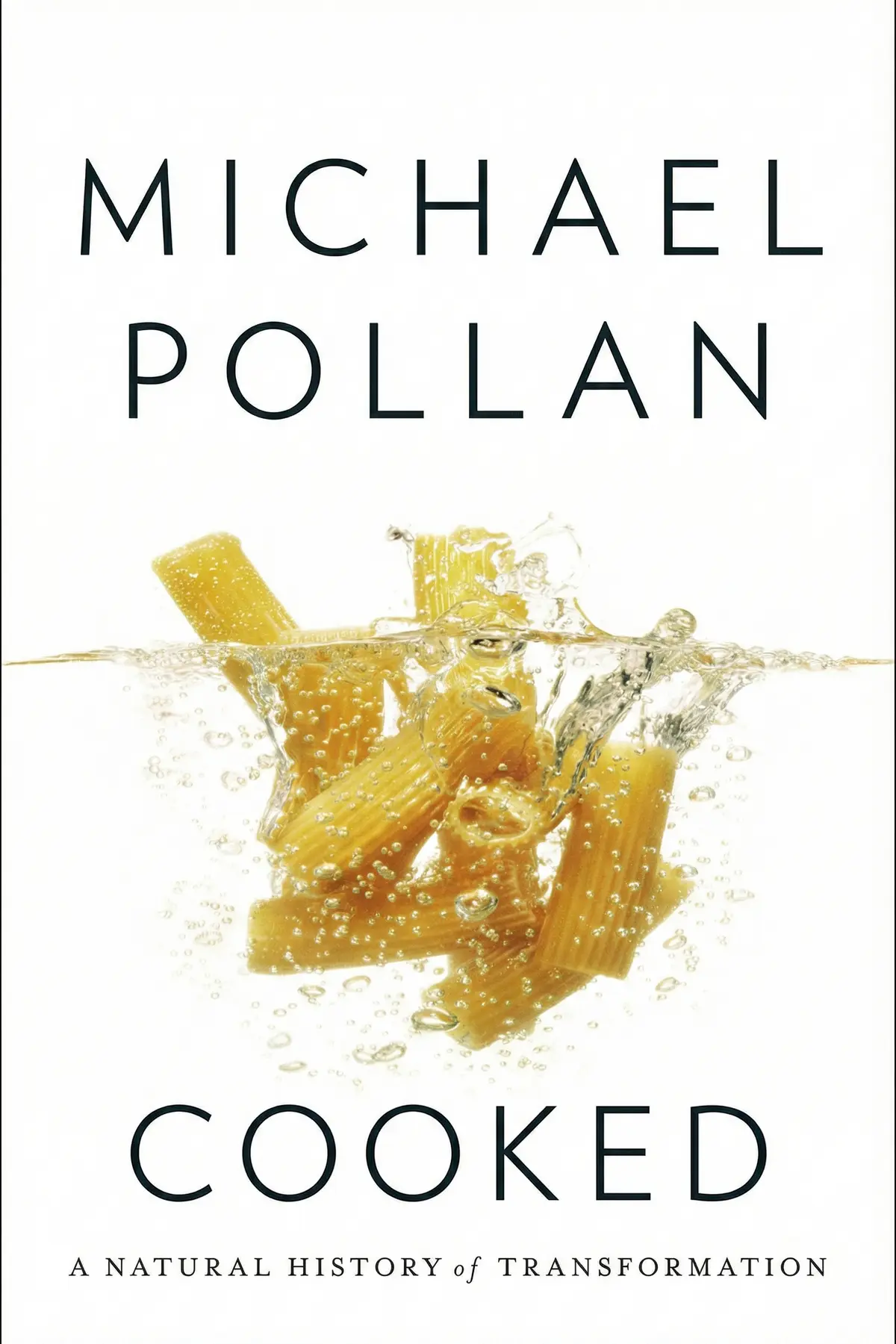
Table of Content
1. Introduction
1 min 00 sec
If most of your meals come out of a box, a freezer or a delivery bag, you have handed over one of the oldest things humans do, and Michael Pollan thinks it is costing you. In Cooked, the food journalist argues that cooking, more than speech or empathy, is what makes us human. Heat turns a raw egg the gut can only partly use into one it digests almost completely.
That act of transformation, first by fire and later by yeast and bacteria, let our species thrive far beyond what foraging allowed. The case Pollan builds is that cooking remade raw nature into food that built us, and every step we have given to factories has made eating less nourishing and less pleasurable. Along the way come a Japanese chemist studying kelp, an Egyptian bowl of mush that began to bubble, and soldiers who mistook cheese for corpses. The reward is a reason to get back in the kitchen, plus a few small experiments to begin with.
2. Cooked food is easier to digest and more nutritious
1 min 38 sec
Raw food diets promise a return to nature, yet a chimpanzee chewing meat shows what that return would really cost. The difference between a boiled and a raw egg is bigger than most people would guess.
3. Taste the fifth flavor behind bacon and broth
1 min 50 sec
Scientists once insisted the tongue knew only four tastes. Crystals on a strip of dried seaweed told a Japanese chemist otherwise, and the molecule he found tastes of almost nothing on its own.
4. Understand why bread could keep whole peoples alive
1 min 41 sec
Flour alone cannot sustain a person for long, yet the same flour, left in a warm corner and then baked, can. An accident in ancient Egypt explains the difference, and it involves organisms nobody could see.
5. Spot the nutrition lost in a white loaf
1 min 48 sec
Ancient Romans had sensible reasons to prize pale bread. A nineteenth century machine took that old preference to an extreme, and the labels meant to repair the damage still deserve a careful second look.
6. Spend more time in your kitchen to stay leaner
1 min 42 sec
After the Second World War, companies that fed soldiers needed someone new to feed. What they sold was praised as progress, and a Harvard study later found a surprising measure that predicts obesity better than income.
7. Feed the microbes that do your digesting
1 min 41 sec
Most of the cells in your body are not human, and they are busy with work you depend on every day. A famous sea captain understood their value long before anyone could explain it.
8. Learn why some fermented foods disgust outsiders
1 min 40 sec
Tigers and rhinos gather under rotting fruit, and rats in a lab keep a weekly party schedule. Meanwhile, during World War II, American troops were ordered to burn warehouses they believed held corpses, when they actually stored pungent Camembert.
9. Conclusion
1 min 09 sec
What Pollan offers, in the end, is a new way of seeing the kitchen. It is the place where raw nature becomes something a human body can use: fire loosening proteins, a Japanese stock stacking three savory molecules, wild yeast lifting Egyptian dough, bacteria turning cabbage into a defense against scurvy. Each of those changes left us better fed. Each one we handed to a factory came back emptier, from roller-milled white flour to the frozen pizza that asks nothing of us.
Winning some of it back takes no dramatic change. Give more of your week to preparing food yourself, since the Harvard economists found kitchen time tracked obesity more closely than income. Bake one loaf of bread from scratch, pickle a jar of vegetables or try making mead from honey, and watch fermentation happen on your own counter. When you shop, favor bread without added sugar and fermented foods that are still alive.
The first risen loaf came from a cook curious enough to bake a bowl of mush that had started to bubble. That same curiosity is still the best thing to bring into a kitchen.
About this book
What is this book about?
Most people now eat food that someone else has prepared: a frozen pizza, a sliced white loaf, a sterile jar of pickles. Michael Pollan argues that this is a bigger loss than it looks, because cooking is the trait that defines our species. Heat and microbes change food physically and chemically, making it easier to digest, safer and richer in nutrients than anything we could eat raw. Pollan follows that transformation from the fire to the bread oven to the fermenting crock. He explains why a boiled egg feeds you far better than a raw one, how a Japanese chemist identified the fifth taste, how a bubbling bowl of Egyptian mush became the first risen loaf, and why the microbes in your gut matter as much as the food on your plate. He also tracks what industry did to these processes, from roller mills that stripped wheat of its nutrients to postwar convenience foods. Readers come away with a clear case for spending more time in the kitchen, and simple ways to start, such as baking bread or pickling vegetables at home.
Book Information
Who it's for
Professionals on ready meals
Busy professionals who live on ready meals and suspect their diet is paying for the convenience.
Science-curious home cooks
Home cooks curious about the science behind bread, umami and fermentation.
Health-minded eaters
Health-minded readers who want to understand gut microbes, white flour and processed food.
About the Author
Michael Pollan
Michael Pollan, born in 1955, is an American journalist who specializes in food. He is a professor of journalism at the University of California, Berkeley, and also teaches at Harvard University. His books on food and plants, including The Botany of Desire, The Omnivore's Dilemma and In Defense of Food, were all New York Times bestsellers. In 2010, TIME magazine named him one of the 100 most influential people in the world.
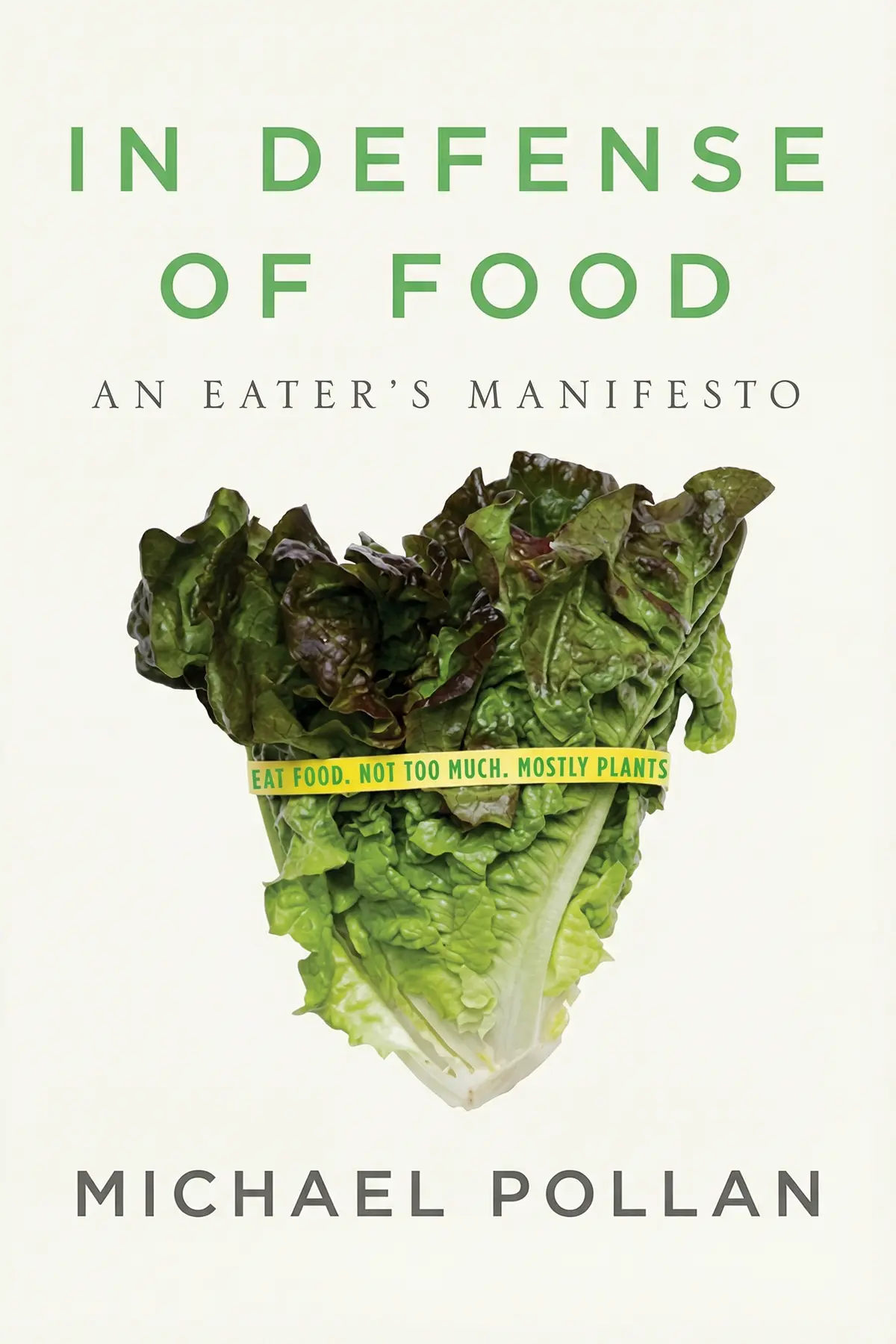
In Defense of Food: An Eater's Manifesto
Michael Pollan

The Botany of Desire: A Plant’s-Eye View of the World
Michael Pollan
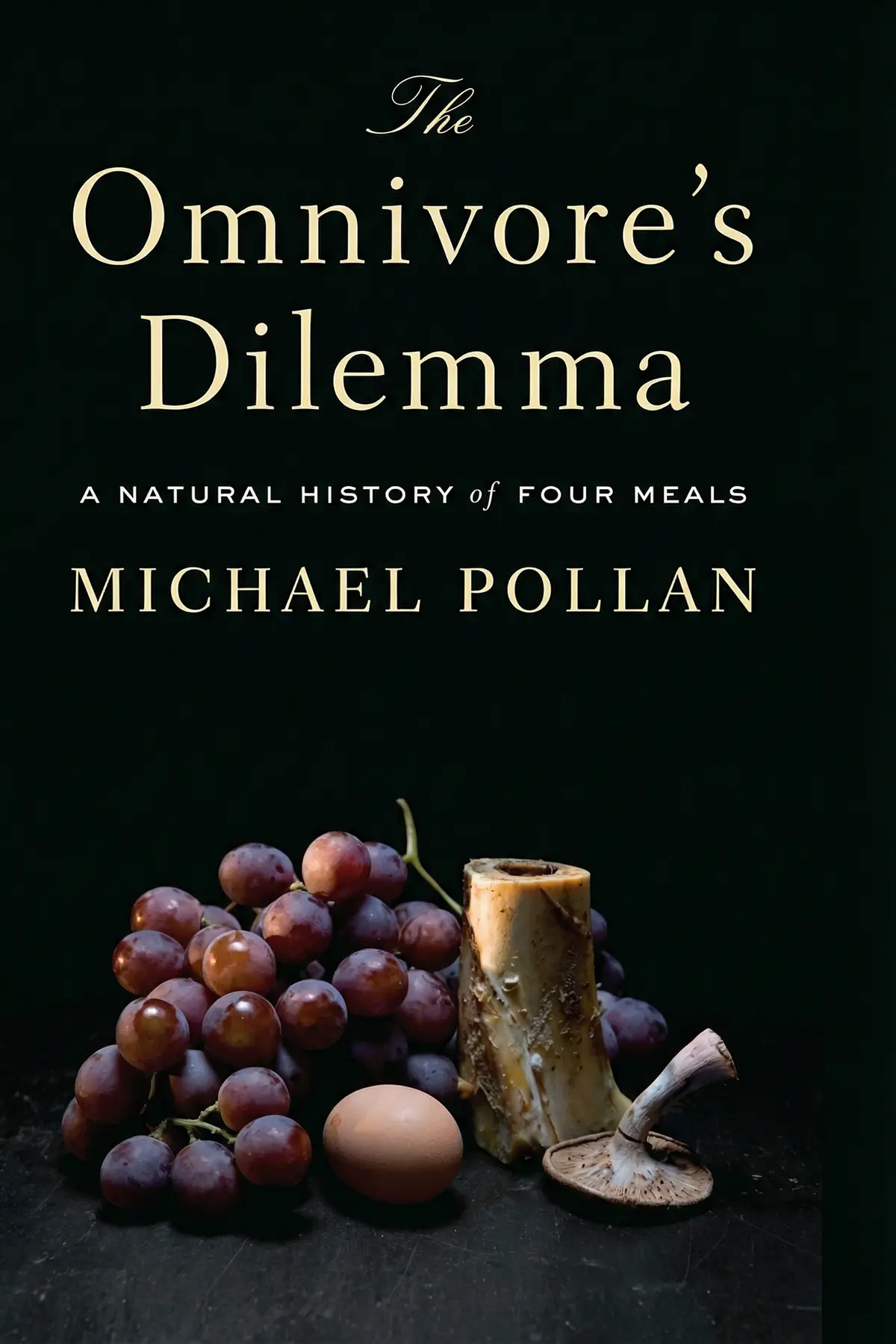
The Omnivore’s Dilemma: A Natural History of Four Meals
Michael Pollan
This Is Your Mind on Plants
Michael Pollan
Ratings & Reviews
Ratings at a glance

What people think
Listeners find this work exceptionally educational and meticulously documented, featuring superb prose that makes for a captivating experience. They value how it reawakens a passion for culinary arts and offers deep dives into the cooking process, while providing a wealth of historical details regarding human development. Listeners characterize the content as stimulating and motivational, with one listener highlighting the way it transforms both raw foods and people.
Top reviews
Jin
Ever wonder why we feel so disconnected from what we eat? Pollan explores the alchemy of the kitchen through four primary elements: fire, water, air, and earth. It’s a beautiful, occasionally dense meditation on how we lost our way by outsourcing our meals to corporations. The section on 'Air' and bread-making was particularly moving to me because it elevates a simple staple to something nearly divine. Frankly, this isn't just a cookbook; it’s a philosophical argument for regaining our humanity through the act of cooking. You might find his prose a bit flowery at times, but the depth of his research on the evolution of the human brain is fascinating. After finishing this, I immediately wanted to go out and start a sourdough culture.
Show moreJom
Picked this up because I loved Pollan's previous work, and I wasn't disappointed by this sprawling exploration of culinary history. The first part on 'Fire' is a masterpiece of food writing that manages to weave together the evolution of Homo sapiens with the smoky reality of a pig roast. I loved how he didn't just stay in his kitchen but went out to learn from the real masters, like Ed Mitchell. Truth is, I never realized how much politics and sociology were baked into the way we prepare meat. His writing is witty and charming, making even the most complex chemical reactions feel accessible to a layman like myself. If you are looking for a book that revitalizes your interest in the 'magic' of the stove, this is the one. It truly transforms the way you look at a raw piece of meat or a handful of flour.
Show moreKae
Wow. This book is a total game-changer for anyone who feels like they've lost their connection to the natural world. Pollan manages to turn the act of making a stew into a profound meditation on our evolution as a species. I was particularly fascinated by the idea that cooking meat is what actually allowed our brains to grow so large. The writing is cheerful and engaging, even when he's diving deep into the microbial life of a jar of sauerkraut. Personally, I found the section on barbecue to be the most gripping, as it touched on race relations in the South in a way I didn't expect from a 'food book.' It’s an inspiring piece of work that has already changed the way I spend my Sunday afternoons. I'm currently waiting for my first batch of home-brewed ale to finish fermenting!
Show moreNan
After hearing so much about this, I was worried it wouldn't live up to the hype, but it absolutely did. The way Pollan structures the book around the four elements is brilliant and gives a sense of ancient importance to everyday chores. I loved the anecdotes about his family and his honest admission that he used to rely on frozen ravioli just like the rest of us. It’s a very human book that acknowledges the difficulty of finding time to cook while still insisting on its vital importance. The descriptions of the 'crumb' in a loaf of bread or the 'crackling' on a pig are so vivid you can almost smell them through the pages. Not gonna lie, it's a long read, but it’s one that will stay with you long after you've finished it. It really does transform your perspective on the simple act of making dinner.
Show moreMadison
Michael Pollan is undoubtedly a brilliant researcher who knows how to craft a compelling narrative around the most mundane ingredients. In Cooked, he takes a deep dive into the four classical elements, looking at everything from pit-masters in North Carolina to a microbiology-obsessed nun. To be fair, some of the sections feel a bit long-winded, and he does have a tendency to wander into academic territory. However, the historical facts regarding how fire allowed our ancestors to develop larger brains are worth the price of admission alone. It’s an inspiring read that makes you want to step away from the microwave and reclaim your kitchen. While he clearly writes from a place of significant privilege, the core message about the dangers of processed foods remains vital for everyone.
Show moreLeila
As someone who has always been intimidated by the chemistry of the kitchen, I found Pollan’s latest to be surprisingly approachable. He breaks down the process of cooking into four elemental categories, which provides a really solid structure for what could have been a very messy book. I particularly enjoyed the section on 'Water' where he learns the art of the braise from Samin Nosrat. The focus on 'patience, presence, and practice' really resonated with me as a home cook. Look, the book is quite wordy and Pollan does like to remind us how much research he's done, which can get a bit tiring. Despite that, the insights into how bacteria are actually our friends in the kitchen were eye-opening. It's a thought-provoking read that will likely make you want to start a batch of kimchi in your basement.
Show morePridi
Finally got around to reading this and I was immediately struck by Pollan’s ability to make the invisible visible. The chapter on 'Earth' and the world of fermentation was easily the highlight for me, especially his encounter with the 'Cheese Nun,' Sister Noella. It’s fascinating to learn about the historical importance of rot and how humans have harnessed it to survive the long winter months. Gotta say, some of the philosophical musings about Christ and the transcendence of bread felt a bit overwrought and unnecessary. However, the science behind how fermented foods help our gut microbiome is presented with such clarity that I couldn't stop reading. It’s a dense book, but it’s filled with so many 'nuggets of wisdom' that you’ll forgive the occasional wordiness. It really makes a compelling case for why we should all be eating more 'live' foods.
Show moreThawee
Michael Pollan has a gift for taking scientific material and translating it for the layman without losing the complexity of the subject. In Cooked, he invites us into his kitchen as he experiments with fire, water, air, and earth to transform raw ingredients into something divine. The book is heavily researched and provides a wealth of historical facts that I found genuinely surprising. My only real gripe is that he can be a bit repetitive, and the book could have easily been trimmed down by about fifty pages. To be fair, though, his enthusiasm is so infectious that you almost don't mind the extra wordiness. He makes a very strong case for the idea that cooking is the defining human ability. It's a thought-provoking read that definitely encourages a return to whole foods and home-cooked meals.
Show moreRoo
This book is definitely a mixed bag for me. On one hand, Pollan’s passion for fermentation and barbecue is infectious, and his prose is undeniably polished. On the other hand, it feels like he’s treading very similar ground to The Omnivore’s Dilemma, just with a slightly different hook. To be honest, I found the 'Air' section about bread-making to be quite repetitive, as if he needed a 'tutor' to explain something that shouldn't be that complicated. I also couldn't help but notice how much time and money one needs to follow his 'simple' advice. It’s a well-researched book, but it often feels like it was written for people who have nothing but free time to spend on a three-day braise. I enjoyed the bits about gender roles and race in BBQ culture, but the rest felt a little bloated.
Show moreGor
Not what I expected at all. While I appreciate the research that went into this, the book feels incredibly out of touch with the reality of most modern families. Pollan spends hundreds of pages romanticizing labor-intensive processes that require organic, locally-sourced ingredients that are simply too expensive for the average person. Frankly, I don't have the time to spend a whole weekend whispering to a sourdough starter or building a fire pit in a backyard I don't even own. The writing is undeniably clever, but the tone often slips into a kind of preachy elitism that I found difficult to stomach. It's a 'food book' for the well-off, masquerading as a manual for everyone. If you enjoy long, poetic descriptions of fermentation, you might like it, but for me, it was just too much fluff and not enough practical value.
Show moreQuestions about this book
What is the main idea of Cooked by Michael Pollan?
Pollan argues that cooking is the trait that defines humans. Heat and microbes change food physically and chemically, making it easier to digest, safer and more nutritious, which let our species thrive beyond a foraging diet. He also contends that as we have passed more of our cooking to corporations, from milling bread to making convenience meals, our food has grown less healthy and less enjoyable.
Why is cooked food easier to digest than raw food?
Heat unravels the structure of proteins in foods like meat, so the enzymes in the human stomach can break them down easily. Pollan gives the example of the egg: a boiled egg is about 90 percent digestible, a raw one only about 65 percent. Cooking also makes some plants, such as cassava, safe to eat and helps food keep longer.
What does Cooked say about white bread?
Pollan notes that most of the wheat Americans eat comes as white flour, which he compares to pure sugar. Nineteenth century roller mills removed the germ and bran, where most of the grain’s vitamins, minerals and antioxidants sit. Later fortification and whole-grain loaves only partly fixed this, and many of those loaves contain added sugar and additives.
Does cooking at home really affect weight?
Pollan cites a 2003 study by Harvard economists comparing cooking across cultures. People who spent more time preparing food in the kitchen were less obese overall, and kitchen time predicted obesity better than income or the share of women in a country’s workforce. He links this to processed food being so easy that people simply eat more of it.
How can I apply the ideas in Cooked?
Pollan’s own suggestion is to try fermentation at home: bake a fresh loaf of bread, pickle a jar of vegetables or make mead from honey. The book also supports spending more time cooking from scratch, choosing naturally fermented foods over sterile supermarket pickles, and combining savory ingredients such as fish and mushrooms to build umami flavor.
Readers also enjoyed



AUDIO SUMMARY AVAILABLE
Listen to Cooked in 15 minutes
Get the key ideas from Cooked by Michael Pollan, plus 5,000+ more nonfiction titles.
- 5,000+ titles
- Listen as much as you want
- 7-day free trial
- Cancel anytime









