

12 min 13 sec
Available in: English
Beyond the Pill: A 30 Day Program to Balance Your Hormones, Reclaim Your Body, and Reverse the Dangerous Side Effects of the Birth Control Pill
Jolene Brighten explains how the birth control pill can affect gut health, mood and fertility, even after you stop it. She shows how diet, targeted supplements and hormone-free contraception help women take back control of their bodies.
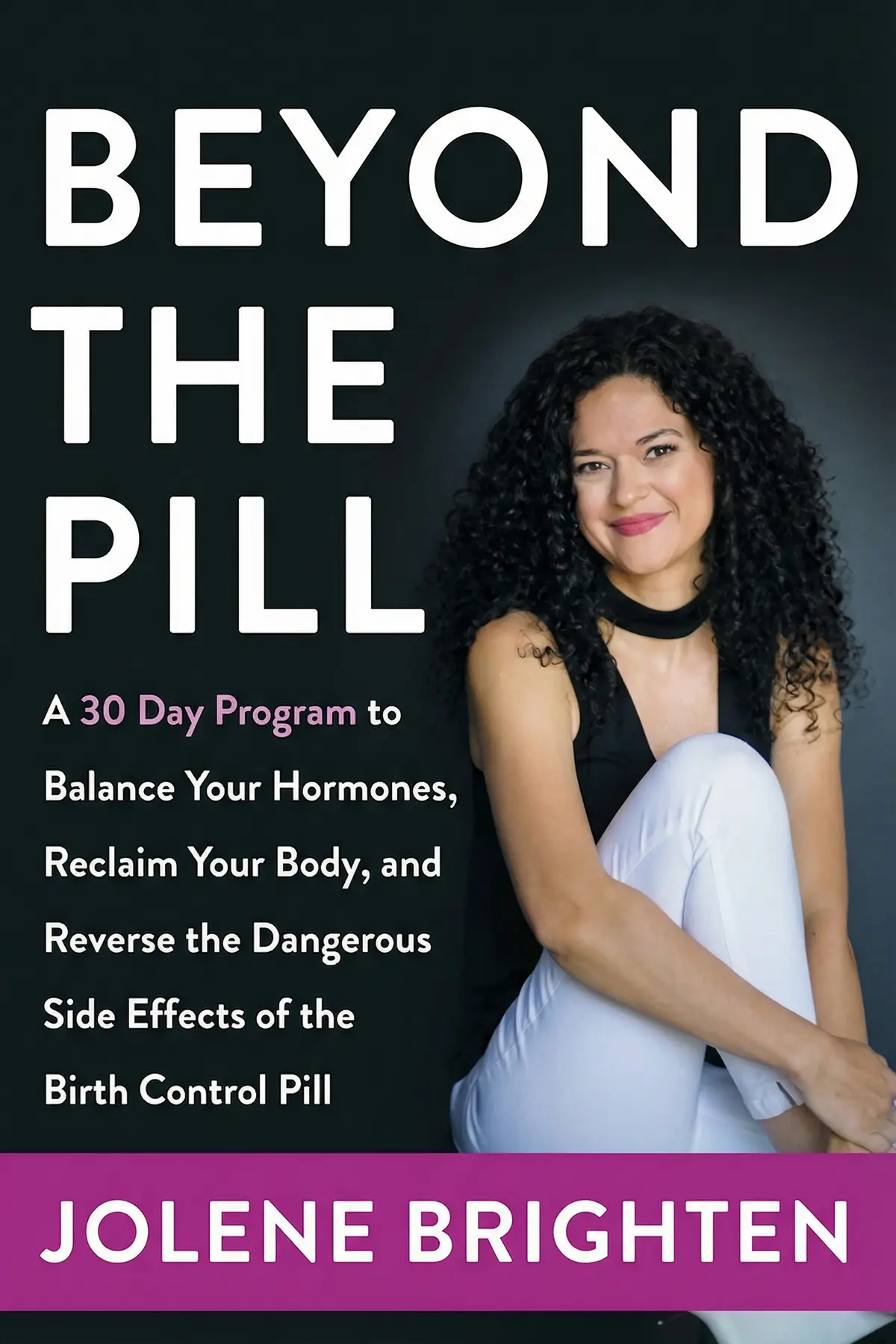
Table of Content
1. Introduction
1 min 00 sec
Many women take the pill without knowing what it may be doing to their gut, their mood or their fertility, or what to do when problems linger after they stop. In Beyond the Pill, naturopathic endocrinologist Jolene Brighten argues that symptoms many doctors never mention, from missing periods to depression, can trace back to the pill, and that they can be treated.
She is not against the pill. Her case is that it floods the body with synthetic hormones whose effects reach well beyond contraception, and that a woman can repair much of the damage with food, targeted supplements and informed choices, whether she stays on it or not. Her evidence comes from her patients, among them a woman whose period stayed away for a year, and from a large study linking the pill to depression.
By the end, you will know which symptoms deserve attention, what to change in your diet first, and how one hormone-free method compares with the pill.
2. Ask why you are still on the pill
1 min 51 sec
Most women on the pill are not taking it for contraception at all. Brighten argues that a choice made years ago deserves a fresh look, given everything the prescription may be doing beyond its original purpose.
3. Recognize the symptoms that outlast the pill
1 min 55 sec
One woman stopped the pill to start a family, then waited a full year for her period to return. Her story reveals a pattern many women live with and few doctors name.
4. Protect your gut, whether you stay on or stop
1 min 58 sec
Bloating and constipation might seem unrelated to contraception. Brighten traces a direct line between the pill, digestion and hormonal balance, and offers fixes simple enough to start at your next meal.
5. Take mood changes on the pill seriously
2 min 06 sec
One woman who had stopped the pill still found herself crying often, and wondered whether the two were even connected. A study of a million women suggests an answer, and Brighten describes the way back.
6. A hormone-free method nearly as reliable as the pill
2 min 05 sec
Leaving the pill raises an urgent practical question: what protects you instead? Brighten favors a method many people dismiss, and she reports effectiveness figures that come surprisingly close to the pill’s.
7. Conclusion
1 min 18 sec
Beyond the Pill turns a daily habit back into a medical decision worth revisiting. Brighten’s argument is that the pill’s synthetic hormones reach the gut, the brain and the cycle itself, and that their effects can linger long after the last pack. Yet her patients’ stories end well. Angela’s period came back and she became pregnant. Ava worked on her gut without giving up the pill. Samantha, who once felt she had lost her love of life, found her energy again within 10 months.
The common thread is that a woman does not have to choose between blind trust and fear. Start by noticing. Write down the symptoms you live with, from bloating to low mood, and treat them as information worth acting on. Then feed your body what the pill takes from it: more fiber and water, a probiotic, foods like berries and fish oil, and nutrients Brighten names, such as vitamin B12 and zinc. If you are thinking about a change, learn your cycle well before you rely on it, and talk the options through with your doctor.
Whatever you decide about the pill, Brighten’s point holds: the decision belongs to you, and so does your body.
About this book
What is this book about?
A lot of women are on the pill for purposes besides birth control, painful periods being one example, and they may never pause to consider whether they still want to keep going. Some later face problems no one warned them about: missing periods, bloating, anxiety, depression. Some find those problems stay after they stop. Jolene Brighten, a naturopathic endocrinologist, is not against the pill. She credits it with giving women real control over their fertility. Her argument is that its synthetic hormones reach far beyond pregnancy prevention, into the gut, the brain and the body's own regulation. She names the lingering effects Post-Birth Control Syndrome and draws on patients such as Angela, Ava and Samantha, along with a study of 1 million women linking the pill to depression. The book's promise is practical. Alongside her 30-day program, Brighten recommends steps such as more fiber, probiotics, water and supplements for nutrients the pill depletes, from vitamin B12 to zinc, which can help whether a woman stays on the pill or not. For those ready to stop, she explains the Fertility Awareness Method, a hormone-free option she reports is nearly as effective as the pill when done properly.
Book Information
Who it's for
Women on the pill
Women on the pill who have bloating, low mood or low libido and wonder whether it is connected.
Women off the pill
Women who stopped the pill and are still waiting for their periods, energy or mood to return.
Weighing hormone-free contraception
Anyone weighing hormone-free contraception and wanting to know how reliable it is.
About the Author
Jolene Brighten
Jolene Brighten is a board-certified naturopathic endocrinologist and nutrition scientist whose work centers on women's hormones and health, with a clinical focus on autoimmune disease. She earned her doctorate in Naturopathic Medicine at the National College of Natural Medicine in Portland, Oregon, and holds a BS in Nutrition Science. Besides Beyond the Pill, she wrote Is This Normal? and Healing Your Body Naturally After Childbirth, and she hosts The Dr. Brighten Show podcast.
Ratings & Reviews
Ratings at a glance

What people think
Listeners feel this work is filled with essential insights regarding hormonal balance and contraception, offering a wealth of actionable advice and thorough guidance. Listeners celebrate its clear style, noting it is simple to digest, and view it as required reading for every woman, especially mothers and their daughters. They value the way it empowers them to reclaim their wellbeing, with one listener emphasizing its all-encompassing method for healing the gut and liver. Listeners characterize the book as a total game changer within the field of female wellness.
Top reviews
Sayan
This book is a masterclass in understanding what hormonal contraceptives actually do to your internal systems over the long term. Dr. Brighten offers a roadmap for reclaiming your health that feels both radical and deeply necessary in today’s medical landscape. I was particularly impressed by the comprehensive approach to restoring liver and gut health, which are often overlooked when discussing female hormones. The instructions are detailed and easy to follow, making the daunting task of rebalancing your body feel achievable. Frankly, it’s a game changer for anyone who has felt dismissed by conventional doctors. Every woman should have this on her shelf to better understand the nuances of her own biology.
Show moreThanit
Finally, someone is talking about Post Birth Control Syndrome in a way that feels empowering rather than just clinical and cold. I bought this for myself but quickly realized it’s a must-read for my daughter as well. The way Dr. Brighten breaks down the connection between our skin, our mood, and our digestive tract is incredibly eye-opening. Not gonna lie, the dietary restrictions are intense, but the results I’ve seen in my energy levels make the effort worthwhile. It’s about taking back control of your own body. This is more than just a health book; it is a vital tool for female advocacy and self-care.
Show moreAroon
Wow, I wish I had this resource twenty years ago when I was first handed a pack of pills for my skin issues. Dr. Brighten provides a comprehensive look at how synthetic hormones mask underlying problems rather than fixing them. The instructions for the 30-day plan are clear, and I love how she emphasizes that we aren't 'broken,' just imbalanced. It’s rare to find a book that addresses gut health, liver function, and thyroid issues all through the lens of reproductive health. This is a game changer for women’s wellness. I’ve already recommended it to three of my friends who are struggling with similar hormonal symptoms.
Show moreWoravit
In my experience, finding a roadmap for hormonal recovery is nearly impossible in the current medical landscape, but this book delivers. It’s packed with valuable information that helped me connect the dots between my digestive issues and my history with birth control. The focus on detoxing the liver and healing the gut is presented in a way that is easy to follow and highly practical. I felt truly seen by the author, as if she was answering the questions I’ve been asking for years. It is an essential read for any woman looking to understand the intricacies of her hormonal health. Truly a life-changing resource.
Show moreChon
Picked this up after a decade of hormonal birth control, and truth be told, it opened my eyes to things my gyno never mentioned. Dr. Brighten’s tone is very casual—almost like she’s trying a bit too hard to be the 'cool doctor'—but the core information is solid. I appreciated the practical tips for managing Post Birth Control Syndrome, even if the constant mention of her own supplement line felt a bit like a sales pitch. To be fair, the 30-day program is structured well, and the science behind the hormone cycles is explained in a way that finally makes sense. It’s a very helpful guide, provided you can filter out the self-promotion.
Show moreBoy
After hearing so much buzz on Instagram, I decided to dive into the 30-day protocol to see if it lived up to the hype. The wealth of information regarding nutrient depletion caused by the pill is something every woman deserves to know. While I found the lack of direct footnotes throughout the chapters frustrating, the bibliography at the back is extensive. In my experience, the dietary suggestions are a bit extreme, yet the underlying message of hormone literacy is invaluable. The writing is accessible and moves at a fast pace, keeping you engaged through the more technical biological explanations. It’s an essential primer for anyone navigating life after the pill.
Show moreAir
The chapter on the hormonal cycle and its purpose alone is worth the price of the book. It’s shocking how little we are taught about our own bodies in school or at the doctor’s office. I found the practical tips for managing acne and mood swings particularly useful as I transition off my prescription. My only gripe is the heavy emphasis on the author's own brand of products, which can feel a bit predatory at times. However, the core message of using food as medicine is one I can get behind. If you want to understand the 'why' behind your symptoms, this is a great place to start.
Show moreChai
Ever wonder why your digestion goes haywire after stopping the pill? Dr. Brighten explains the gut-hormone connection quite well, but I had a hard time with the delivery. The book feels a bit disorganized, jumping from legitimate medical advice to 'detox' rhetoric that feels more like marketing than science. I appreciate the focus on liver health, but the suggestion that we need to throw out every chemical in our house is overwhelming and creates unnecessary panic. It’s a decent resource if you want to understand your cycle better, but I’d recommend cross-referencing this with other books like the Period Repair Manual for a more balanced perspective.
Show moreJulian
Not what I expected from a medical professional, but there is definitely some gold buried underneath the heavy sales pitches. To be fair, the information about PBCS is vital, and I haven't found it explained this clearly anywhere else. But the constant 'buy my supplements' vibe and the somewhat condescending tone made it a bit of a slog to get through. Also, the meal plan is incredibly expensive to maintain if you follow it to the letter. It’s a helpful book for those with the time and money to overhaul their entire life, but it might leave the average reader feeling a bit discouraged.
Show moreLuckana
Look, I really wanted to find actionable advice here, but the barrier to entry is just too high for the average person. The book relies heavily on a level of privilege that ignores the reality of most women’s lives. Expecting readers to purchase organic-only produce, expensive oils, and hundreds of dollars in supplements is simply unsustainable and exclusionary. While the chapter explaining how hormones function was genuinely illuminating, the rest of the text felt like a fear-mongering campaign designed to sell a specific lifestyle. Some of the claims, like syncing your pelvis to the moon, are completely unsubstantiated and frankly embarrassing to read in a book written by a medical professional.
Show moreQuestions about this book
What is the main idea of Beyond the Pill?
Jolene Brighten argues that the birth control pill’s synthetic hormones affect far more than fertility. She links the pill to gut problems, mood disorders and higher risks of serious illness, and describes Post-Birth Control Syndrome, symptoms that persist after stopping. Her 30-day program uses diet, probiotics and targeted supplements to restore balance, whether a woman stays on the pill or not.
What is Post-Birth Control Syndrome?
Post-Birth Control Syndrome, or PBCS, is the name for symptoms that linger after a woman stops the pill, and Brighten is a leading expert in it. She lists missing periods, infertility, gut issues and an underactive thyroid. She explains it by how the pill works: it interrupts communication between the brain and the ovaries, and that signaling does not always recover right away once the pill is stopped.
Does the birth control pill cause depression according to Jolene Brighten?
Brighten points to a study that followed 1 million women over a long period. Those on the combination pill had a 23 percent higher chance of being prescribed an antidepressant, and teenagers on it were 80 percent more likely to develop depression. She also links hormonal contraceptives to a higher suicide risk, and suggests women with a personal or family history of depression consider other options.
How can I support my health if I stay on the pill?
Brighten recommends starting with the gut: more fiber, a probiotic, plenty of water and a daily ginger supplement. For the brain, she suggests berries, fish oil, magnesium and turmeric. She also advises supplementing nutrients the pill depletes, such as vitamin B12, vitamin C and zinc, as part of a diet rich in nutrients.
How effective is the Fertility Awareness Method compared with the pill?
Brighten reports that the Fertility Awareness Method is 95 to 99 percent effective when done correctly, close to the pill, without any added hormones. It works by tracking a fertile window of about 8 days each cycle. She recommends learning it from a trained educator, and names the Natural Cycles app, approved by the FDA, as 99 percent effective with correct use.
Readers also enjoyed




AUDIO SUMMARY AVAILABLE
Listen to Beyond the Pill in 15 minutes
Get the key ideas from Beyond the Pill by Jolene Brighten, plus 5,000+ more nonfiction titles.
- 5,000+ titles
- Listen as much as you want
- 7-day free trial
- Cancel anytime









