
12 min 06 sec
Available in: English
 ไทย
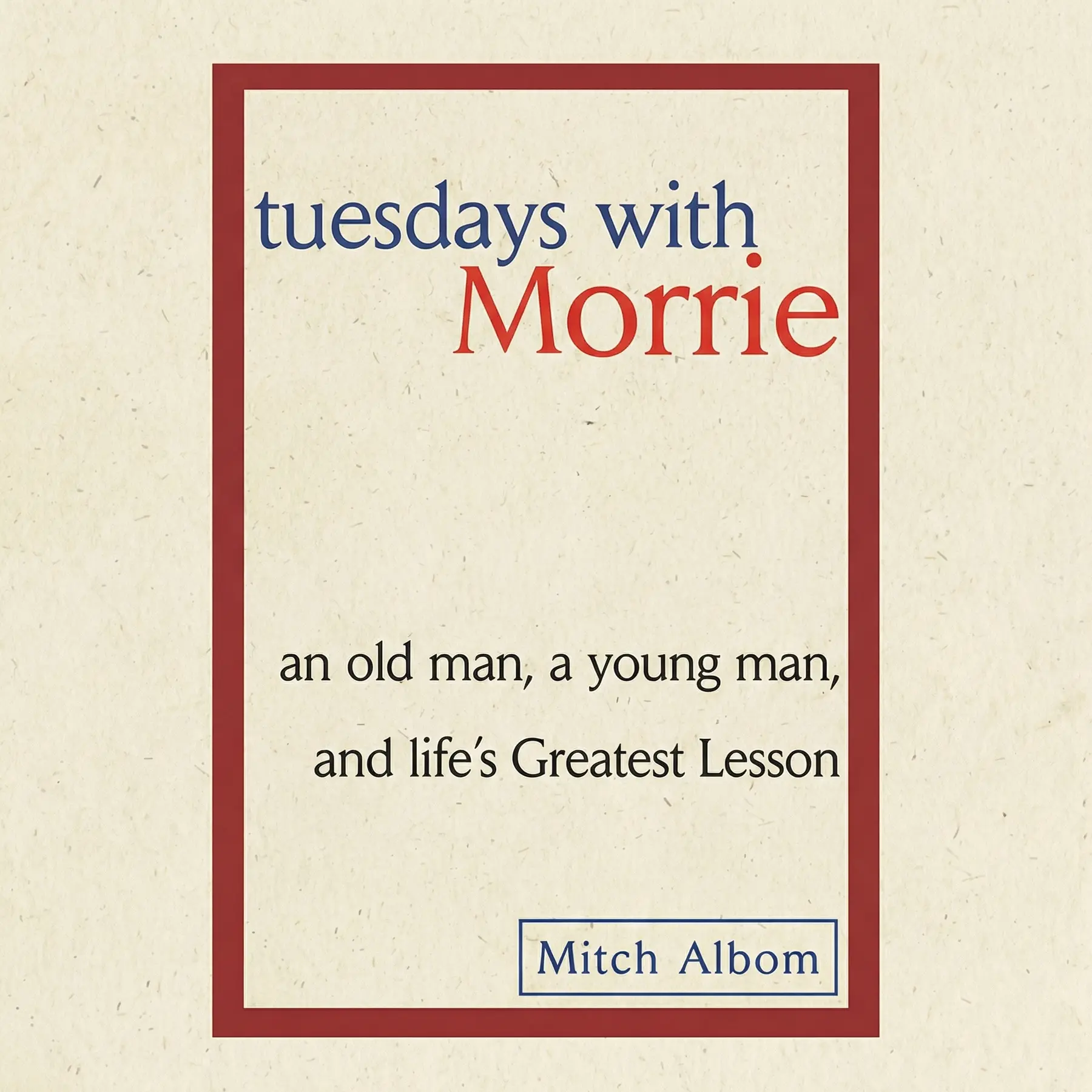
EnglishไทยTuesdays with Morrie: An Old Man, a Young Man, and Life's Greatest Lesson
By Mitch Albom
A successful sportswriter reconnects with his dying college professor and learns, over fourteen Tuesday visits, why love and connection give a life more meaning than achievement, money or the usual picture of success.
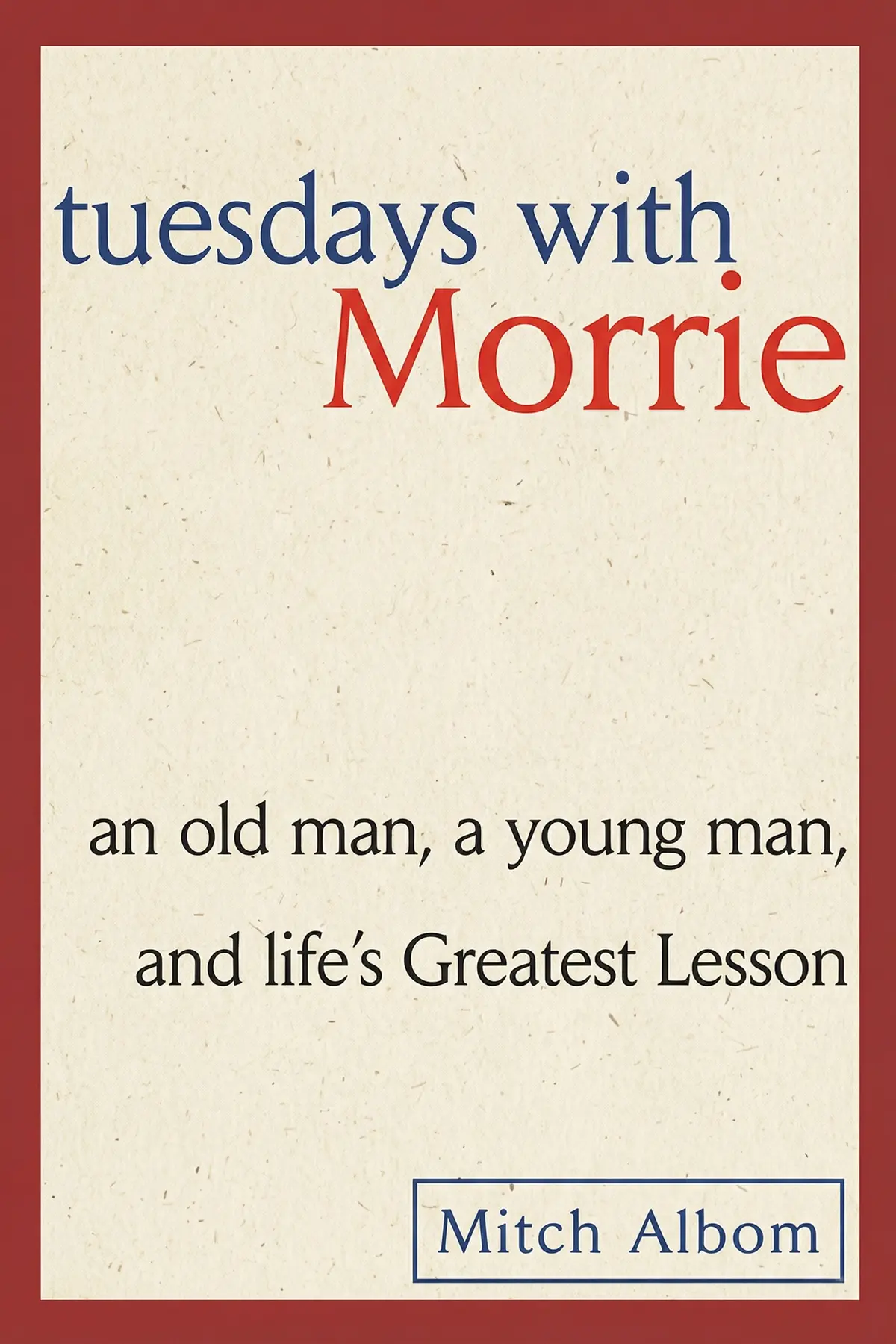
Table of Content
1. Introduction
1 min 05 sec
Plenty of people reach their late thirties with the career, the house and the income they once wanted, and still feel they are falling behind. In Tuesdays with Morrie, sportswriter Mitch Albom describes exactly that restlessness, and the unlikely cure he found: visits to a dying college professor he had not called in 16 years. Morrie Schwartz had ALS and only months to live, yet he seemed to have what his successful former student lacked. Over 14 Tuesdays the two men talked about aging, family, society and death, and treated those talks as one last thesis written together.
Its argument is easy to say and hard to live. A life measured by achievements and possessions leaves people empty, while loving and being loved is what fills it, and choosing that means resisting the culture around us. Along the way come a living funeral, a newspaper strike and a teacher who refused to be handled like a patient. There is also a simple test for where your own hours and money are going.
2. Recognize the teacher who saw more in you
1 min 40 sec
A single question on the first day of class told a guarded young student that this professor would be different. What followed shaped him for years, and set up a promise he was sure he would keep.
3. A full resume can still leave you feeling empty
1 min 23 sec
By every outside measure, Albom’s life at nearly 40 was a success story. Each new achievement, though, left him more restless, and the thing he had lost along the way was easy to miss.
4. Reach out before the news forces you to
1 min 42 sec
An aging professor’s small stumbles turned into a diagnosis with a short clock attached. How he chose to use that time is what finally reached a former student flipping through television channels late one Friday.
5. Return to old friends as your real self
1 min 55 sec
After sixteen years of silence, Albom planned to play the eager student he used to be for one afternoon. The man in the wheelchair had other plans, and the conversation went somewhere neither small talk nor guilt could.
6. Build your own culture when the default fails
1 min 38 sec
Morrie believed most people borrow their idea of a good life from advertisers and media without noticing. His alternative asks for some nerve, and his crowded final months offered the clearest evidence for it.
7. Treat the end as one more chance to give
1 min 29 sec
Near the end of his life, Morrie hosted an event most people only get after they are gone. The way he faced his final months, and his final moment, changed what dying meant to everyone around him.
8. Conclusion
1 min 14 sec
Albom came looking for a goodbye and left with the life he had been too busy to live. After Morrie died he wrote this book, their final thesis together, went back to an old ambition of making music for a living, and went on to publish many more books. The young man who had promised to stay in touch finally did, sixteen years late and just in time.
That is the real weight of the story. Morrie had a fatal diagnosis and less than two years, and he spent them more fully than his healthy, successful student was spending his. The difference was where each man put his attention. One chased the next win and the next purchase. The other kept people close, refused to be treated as a patient, and let his friends say their goodbyes while he could still hear them.
Two things are worth doing this week. Think of one person who once believed in you, the way Morrie believed in a guarded young student, and contact them now instead of waiting for news. Then look honestly at where your hours and money went last month, and move a little of both from things toward people.
No diagnosis is needed to begin. Morrie’s Tuesdays were simply a calendar with the right names on it.
About this book
What is this book about?
At nearly 40, Mitch Albom had what many people chase: a successful career as a sportswriter, money, fine cars, a house and a marriage he valued. He also felt restless, unsatisfied and afraid of being replaced. He had lost touch with almost everyone who had mattered to him in college, including his favorite professor, Morrie Schwartz. When Albom learned from a television program that Morrie was dying of ALS, he went to see him. That visit became fourteen Tuesday conversations during Morrie's last months, covering aging, family, society and death. Morrie refused to be treated as a patient and even held a living funeral. He argued that when a culture fails to give you a fulfilling life, you have to build your own meaning, and that love and connection matter far more than achievement or possessions. The result is a memoir of a teacher and a student meeting again. It is also a prompt for readers to look honestly at where their time, money and attention actually go, while the people they love are still within reach.
Book Information
Who it's for
Restless midlife professionals
Professionals near midlife who have hit their goals and still feel restless or empty.
Meaning to reconnect
Anyone who has lost touch with a mentor, teacher or old friend and keeps meaning to call.
Rethinking the time left
Readers facing a parent's or friend's serious illness who want a gentler way to think about the time left.
About the Author
Mitch Albom
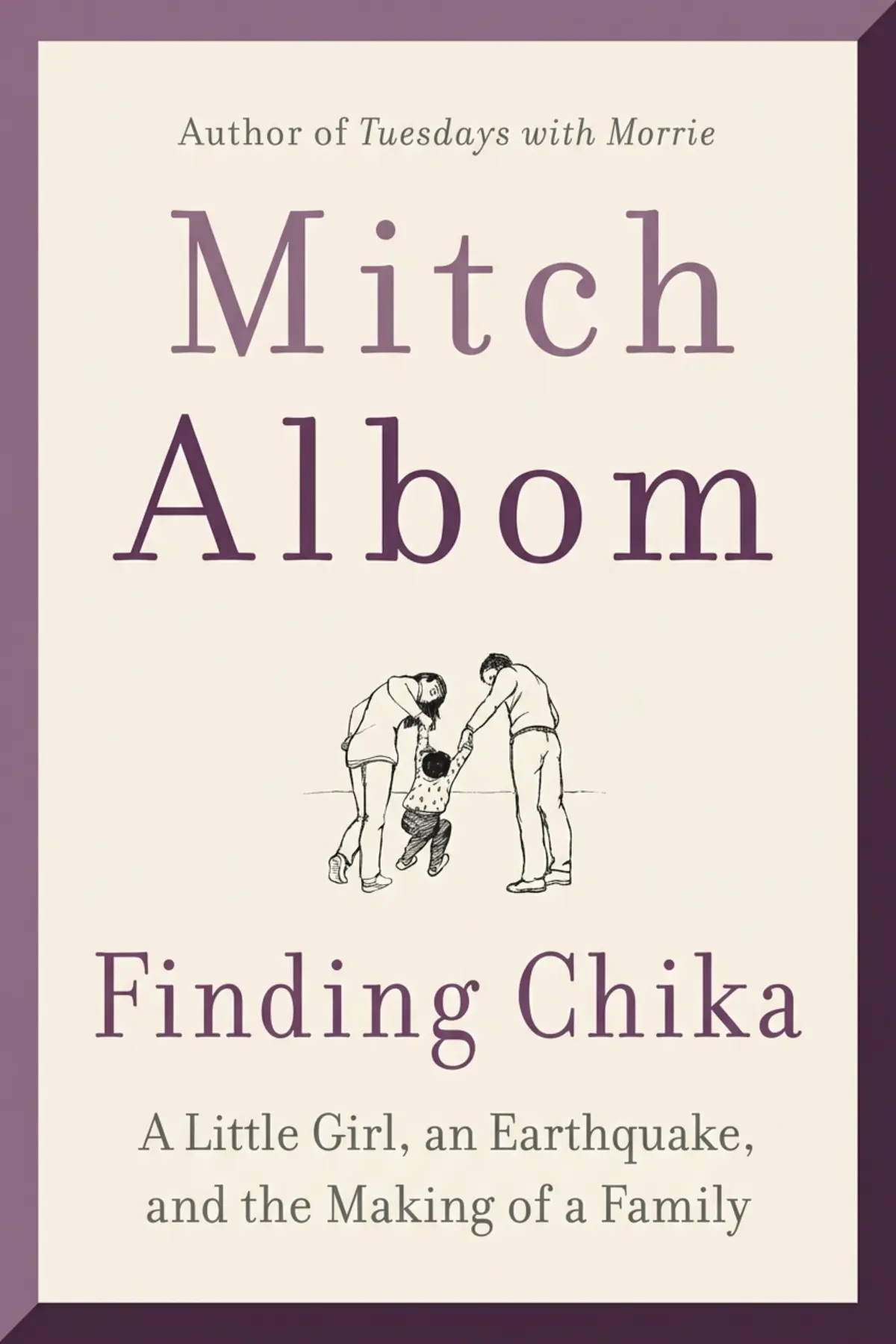
Mitch Albom, born in 1958, first became known as a sports journalist, and the Associated Press Sports Editors named him the best sports columnist in America thirteen times. He later turned to inspirational stories, and Tuesdays with Morrie was an early and widely read example. His books have sold more than 40 million copies worldwide. He has also written a syndicated column, stage plays, screenplays, a musical and another memoir, Finding Chika. In 2006 he founded SAY Detroit, a nonprofit for people in need, and he runs Have Faith Haiti, a home and school for children in Port-au-Prince.
Ratings & Reviews
Ratings at a glance
What people think
Listeners find this work deeply reflective and life-altering, offering profound insights and a rejuvenating outlook on existence. Furthermore, they view it as essential literature worthy of repeat visits, and one listener notes it is a necessary experience before loved ones pass away. In addition, listeners depict it as a superb narrative centered on honoring life, featuring poignant segments that move people to tears. The prose is skillfully written, with one listener highlighting that the author’s voice feels like an intimate conversation, while the tempo ensures audiences stay captivated from start to finish.
Top reviews
Natchaya
Finally got around to reading this classic and it completely gutted me in the best way possible. Mitch Albom has this incredible way of making you feel like you're sitting right there in the room, eavesdropping on a conversation that was never meant for your ears but somehow holds every answer you’ve been seeking. The pacing is deliberate yet engaging, mirroring the slow, cruel progression of Morrie’s ALS while emphasizing the vibrancy of his spirit. Not gonna lie, I was a sobbing mess by the final Tuesday, yet I felt strangely light and refreshed. It’s a transformative piece of work that forces a hard look at how we prioritize our daily grind over actual human connection. Truth is, we all need a Morrie in our lives to remind us that dying is just one thing to be sad about, but living unhappily is something else entirely.
Show moreOwen
Wow. I didn’t expect a book about a dying sociology professor to leave such a permanent mark on my soul. This is truly required reading for anyone who feels like they’re just going through the motions of existence. Morrie doesn’t just teach about death; he celebrates the messy, beautiful act of living through his own physical decline. The way he handles his emotions—leaning into them so he can eventually detach—offered a refreshing perspective I hadn't considered before. Albom’s writing is well-crafted and sparse, never getting in the way of the wisdom being shared. It’s heart-rending to watch the disease take hold, but Morrie’s crooked teeth and crinkled eyes seem to leap off the page. I'll definitely be coming back to this one whenever I need a reminder of what actually matters.
Show moreNaomi
As someone who typically avoids 'inspirational' non-fiction, I found myself completely captivated by Morrie’s story. The truth is, we often treat death like a taboo subject, but this book brings it into the light with such warmth and honesty. Morrie Schwartz is a remarkable figure, showing us how to stay human even when your body is failing you in the most intimate ways. His advice on family, forgiveness, and the 'culture' we create for ourselves is something I’ve been thinking about for weeks. It’s a heart-rending journey that manages to be life-affirming rather than depressing. Gotta say, the ending had me in tears, but they were the kind of tears that make you want to call everyone you love. Truly a transformative read that lives up to the hype.
Show morePhichai
This book feels like a warm hug from a grandfather you never knew you needed. Mitch Albom writes with such a conversational tone that you forget you’re reading a book; it’s more like you’re sitting on that purple recliner right next to them. The wisdom contained in these pages is transformative, offering a refreshing perspective on everything from aging to greed. I loved how Morrie didn't shy away from the ugly parts of ALS, yet still found a way to be the 'last great lesson' for his student. It’s a heart-rending story that celebrates life in a way that feels authentic and deeply earned. I truly think this should be on everyone’s must-read list before their loved ones pass away. It’s a short book, but the impact it leaves is massive.
Show moreYui
Picked this up on a whim after hearing so many people rave about it for years. Honestly, it’s one of the few books that actually lives up to its reputation as a life-changing read. The wisdom Morrie shares isn't necessarily groundbreaking, but the context of his mortality makes every word carry so much weight. It’s heart-rending to see the progression of the disease, yet the book never feels like a 'tragedy' in the traditional sense. Instead, it’s a celebration of a man who refused to wither up and disappear. The writing style is simple and accessible, which I think makes the message even more powerful for a general audience. I found myself crying through the last few chapters, moved by the bond between professor and student. It’s a refreshing reminder to stop chasing the wrong things.
Show moreMan
Ever wonder what you would say to a mentor if you knew it was the last time you’d see them? This book explores that question with such grace and intimacy that it’s impossible not to get choked up. Mitch Albom captures the friction between his high-pressure career as a sports reporter and the slow, quiet Tuesdays in Morrie’s study perfectly. While some might find the 'lessons' a bit direct, there is something deeply comforting about the simplicity of the wisdom offered. It’s a thought-provoking look at mortality that doesn't feel morbid, but rather enlightening. My only minor complaint is that some sections felt a bit spoon-fed, but the emotional payoff is so strong that it hardly matters. This is a beautiful study of how love always wins the wrestling match of life.
Show moreSing
The chapter on detachment really struck a chord with me. Frankly, I’ve never seen someone describe the process of experiencing and then letting go of an emotion so clearly. Morrie’s bravery while facing Lou Gehrig’s disease is nothing short of heroic, yet he remains so wonderfully human and relatable throughout. Mitch Albom did a fantastic job with the pacing, keeping the narrative moving while still allowing the heavy moments to breathe. While the tone is definitely sentimental, it never felt unearned because the stakes—a man’s final days—are so real. It’s a thought-provoking meditation on what we owe to the people who shaped us. Not every lesson hit home for me, but the ones that did were powerful enough to make me rethink my own priorities. This is a beautiful, heart-rending tribute to a life well-lived.
Show moreMonthon
Mitch Albom writes in a way that feels incredibly intimate, like he's sitting across the table sharing a secret with you. This book is a masterclass in celebrating life even when faced with the most daunting circumstances imaginable. While some might call it sappy, I found the directness of Morrie’s lessons to be exactly what I needed to hear. The focus on love, community, and the rejection of a business-obsessed culture is a message that feels even more relevant today than when it was first published. It’s a heart-rending look at the human condition that manages to be both sad and deeply hopeful at the same time. In my experience, very few books have the power to make you stop and reassess your entire life path, but this one does. A truly beautiful, thought-provoking piece of non-fiction.
Show moreCarlos
To be fair, I can see why some readers find this a bit too saccharine for their tastes. At times, the lessons felt like they were pulled straight from a collection of greeting cards, and the dialogue occasionally bordered on being overly sentimental. However, even with those minor gripes, the core message about the 'meaning of life' is hard to ignore because it feels so grounded in genuine suffering. Morrie’s bravery in the face of his nerves melting away like a candle is genuinely moving, even if Mitch’s narration can feel a bit repetitive at times. It works better as a philosophical meditation than a complex piece of literary fiction. Personally, I think it's a solid 3-star read that offers some much-needed perspective when life gets too noisy with business and money.
Show moreJiraporn
Look, I know this is a beloved classic, but it felt like reading a compilation of eighty greeting cards stapled together. It’s well-intentioned, sure, but the writing is just so incredibly sappy that it was hard to take the lessons seriously. Mitch comes across as a bit of a one-trick pony here, spoon-feeding the reader clichés about how money doesn't buy happiness. We’ve heard these themes a million times before, and I wish there had been more depth to the conflict between his Detroit life and his Brandeis visits. The inconsistencies in Morrie’s philosophy—preaching lack of embarrassment while being mortified by his own physical needs—made the narrative feel a bit disjointed. It’s a quick read, but it lacks the substance of great literature. If you like direct, sentimental advice, you’ll love it, but it just wasn't for me.
Show moreQuestions about this book
What is Tuesdays with Morrie about?
It is Mitch Albom’s memoir of reconnecting with his former college professor, Morrie Schwartz, after sixteen years apart. Albom learned from a television program that Morrie was dying of ALS. He then visited him every Tuesday for 14 weeks during Morrie’s last months, and the two talked about aging, family, society and death. Albom treats the book as the final thesis they wrote together about living a meaningful life.
What is the main lesson of Tuesdays with Morrie?
Morrie’s central lesson is that love and connection give life its meaning, far more than achievement or possessions. He told Albom that when your culture is not giving you a fulfilling life, you need the strength to turn away from it and create your own purpose. That could mean choosing time with loved ones over endless office hours, or spending on shared experiences instead of objects.
What was Morrie's living funeral?
During the final six months of his life, Morrie asked friends and loved ones to come to his home and do what people typically do at a funeral: share favorite memories of him and the lessons he had taught them. Because he was still alive, he could hear and appreciate everything they said. Albom presents it as an example of going against convention to make room for love and connection.
How can I apply Tuesdays with Morrie to my life?
The book points to two simple actions. First, contact someone who once mattered to you, such as a mentor or old friend, rather than waiting for bad news to set the timing. Second, look at where your time and money actually go, and shift some of both away from chasing success and possessions toward the people you care about, as Morrie did in his final months.
Who was Morrie Schwartz?
Morrie Schwartz was a university professor whose subjects were sociology, psychology and how people relate to each other, and he was Mitch Albom’s favorite teacher, whom Albom called Coach. He was diagnosed with ALS in the summer of 1994, taught a final class that autumn, and asked people not to treat him differently. He died in November 1995, less than two years after his diagnosis.
Featured in

Readers also enjoyed

A Year in the Life of William Shakespeare: 1599
James Shapiro



Agent Sonya: The Spy Next Door
Ben Macintyre

A Different Kind of Power: A Memoir
Jacinda Ardern

Alexander Hamilton
Ron Chernow
A Higher Loyalty: Truth, Lies and Leadership
James Comey
Alexander the Great
Philip Freeman
AUDIO SUMMARY AVAILABLE
Listen to Tuesdays with Morrie in 15 minutes
Get the key ideas from Tuesdays with Morrie by Mitch Albom, plus 5,000+ more nonfiction titles.
- 5,000+ titles
- Listen as much as you want
- 7-day free trial
- Cancel anytime









