
15 min 25 sec
Available in: English
The Way We Eat Now: How the Food Revolution Has Transformed Our Lives, Our Bodies, and Our World
By Bee Wilson
Explains why a world with more food than ever is eating worse, from soy oil and snacks to fake juice and shrinking lunch breaks, and which habits and policies help people eat well amid plenty.
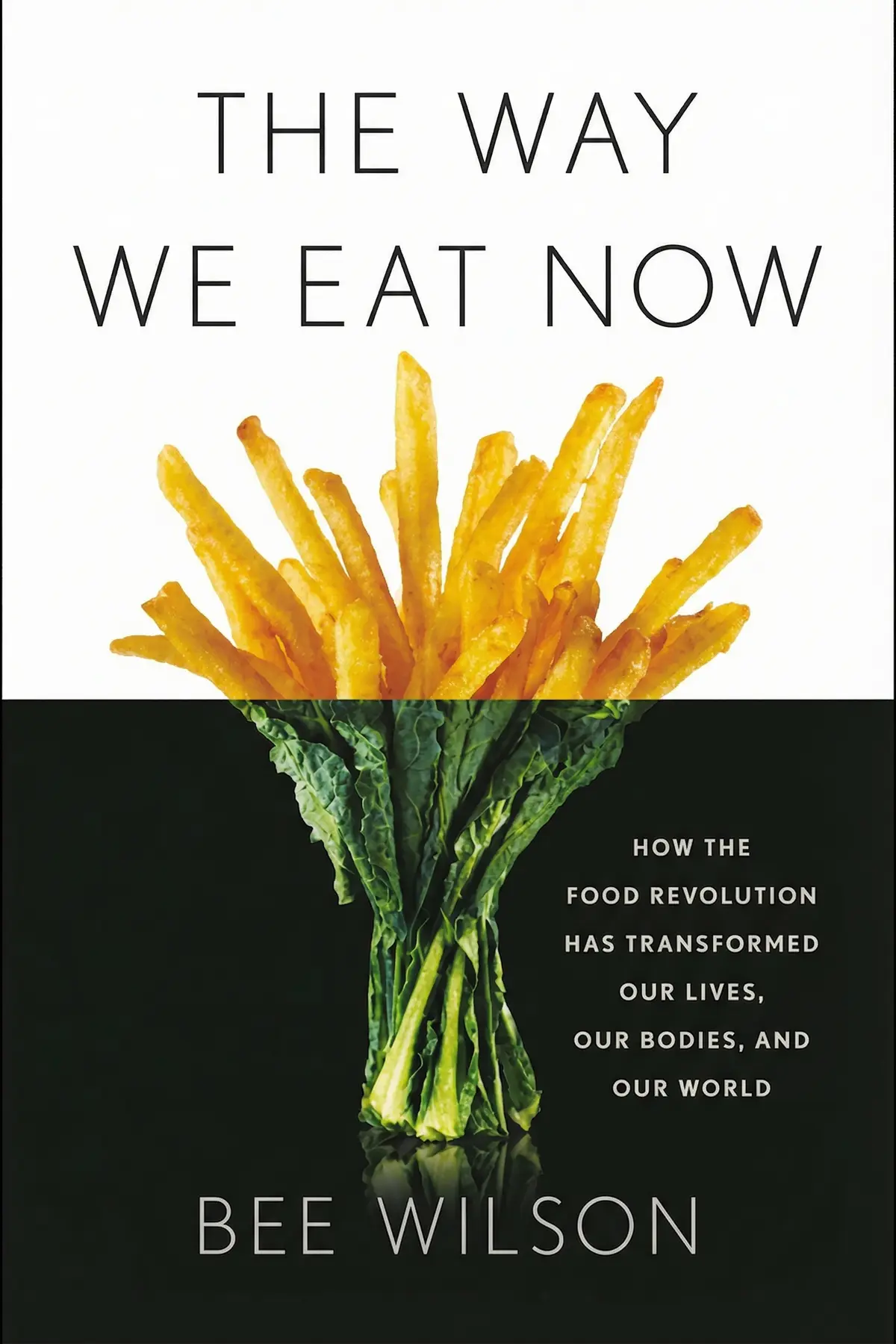
Table of Content
1. Introduction
1 min 03 sec
Most people today can eat a wider range of food than their grandparents ever imagined, yet feel less sure than ever about what a good diet is. In The Way We Eat Now, historian and food writer Bee Wilson marks the turning point with one fact: in 2006, the world for the first time held more people who were overweight or obese than people who were underfed. Hunger is shrinking, but diet-related disease is rising fast.
Wilson’s argument is that food has changed more in the last few generations than ever before, and our bodies, our routines and our economies have not caught up. Abundance arrived, and balance did not. She follows that gap from young Indian adults with diabetes to fake pomegranate juice, from vanishing lunch breaks to a Chilean soda tax. Expect sharper eyes for what sits in your glass, your snack drawer and your shopping cart, plus a handful of small habits that push back against the tide.
2. See why plenty of food still leaves us poorly fed
2 min 02 sec
The world is eating more fruit every year, yet diet-related disease keeps climbing. A short history of food in four stages shows how winning the fight against famine created a problem nobody planned for.
3. Count the calories hiding in your glass
1 min 39 sec
Doctors in India met a wave of diabetes patients who did not fit the usual picture at all. Their story, and a striking number about what Americans drink, reveal what happens when food changes faster than bodies.
4. Spot the cheap oil behind extra calories
1 min 47 sec
Sugar takes most of the blame for modern weight gain. Wilson points to a different ingredient, one that hides in noodles and sweet drinks alike, and to price shifts that made the healthy choice the expensive one.
5. Protect the shared meal from the snack machine
1 min 49 sec
Factory workers a century ago, on 54-hour weeks, still found time for a long lunch together. Today nurses grab whatever a vending machine offers, and children get over a third of their energy from snacks.
6. Test the superfood before trusting the trend
1 min 55 sec
A grain beloved by health-conscious shoppers priced its traditional growers out of their own staple. A juice boom grew so fast that a university professor realized the numbers simply could not be true.
7. Simple food rules that tame endless choice
1 min 52 sec
A supermarket with 50,000 products feels like freedom, and a fast-food outlet near a school feels like convenience. Psychology and one economist’s school study suggest both can work against us, and point to a surprising remedy.
8. Policies and campaigns that make healthy eating easier
2 min 10 sec
Kitchen gadgets and meal kits promise to bring cooking back, but at a price many cannot pay. A South American country and one British campaigner show what can shift a whole population’s diet.
9. Conclusion
1 min 08 sec
Wilson tells the story of a victory that turned into a new problem. For most of history people fought scarcity, and within a few generations much of the world won. The win came faster than our bodies, lunch breaks, prices and shopping habits could adapt. Thin-fat babies near Pune and pomegranate juice stretched with apple are two faces of that one mismatch. The way forward, as she sees it, is building habits and rules suited to plenty.
Some of that work belongs to governments and campaigners, as Chile and Peas Please show. Some of it fits in your own kitchen. Reach for water before any other drink. Let vegetables lead the meal. Eat with other people when you can. And look hard at your dinner plates: in the 1950s a plate 25 centimeters across counted as large, while today’s standard is 28. Older plates, easy to find at flea markets and garage sales, hold smaller portions and often carry lovely patterns too.
Plenty is here to stay. Living well with it can begin with the size of the plate.
About this book
What is this book about?
In 2006, for the first time, the world held more overweight and obese people than hungry ones. Hunger is falling while diabetes and other diet-related diseases are climbing. Historian and food writer Bee Wilson sets out to explain how an age of plenty came to produce such unbalanced diets. Her answer is speed. Food has changed more in a few generations than in all the centuries before, and our bodies, daily routines and markets have not adjusted. Wilson follows this mismatch through thin-fat babies in India, calorie-heavy drinks, cheap soy oil, solitary desk lunches, snack economies, a quinoa boom that priced Bolivians out of their own grain, and pomegranate juice stretched with apple. She also looks ahead. Readers see why too much choice can backfire, how personal food rules help, what meal kits and kitchen gadgets do and do not solve, and how Chile's soda tax and a British vegetable campaign called Peas Please changed what companies sell. The result is a clearer view of the forces behind every meal, plus a few practical habits, down to the size of your dinner plate.
Book Information
Who it's for
Professionals eating at desks
Busy professionals who eat at their desks and live on snacks and want to understand why.
Shoppers who buy superfoods
Health-conscious shoppers who buy superfoods and juices and want to read past the marketing.
Educators, managers and campaigners
Managers, teachers and campaigners interested in how policy can change a population's diet.
About the Author
Bee Wilson
Bee Wilson is a historian with a PhD and an award-winning food writer. The Guild of Food Writers named her food journalist of the year three times, for her Sunday Telegraph column The Kitchen Thinker, and she wrote the Table Talk column for The Wall Street Journal until August 2024. Her other books cover kitchen technology and children's eating. The Way We Eat Now won the Fortnum and Mason Food Book of the Year award in 2020. She co-founded TastEd, a charity helping children enjoy fruit and vegetables, and was made an MBE in 2025.
First Bite: How We Learn to Eat
Bee Wilson
Ratings & Reviews
Ratings at a glance
What people think
Listeners value the high quality of information provided in this book, with one listener specifically pointing out its thorough history of food production and selection. Furthermore, the material is eye-opening; one listener observes that it remains educational without coming across as condescending or elitist. The work also offers an international perspective on agriculture and eating habits, and listeners generally find the experience enjoyable.
Top reviews
Cee
After hearing Bee Wilson on a podcast, I expected a dry history of agriculture, but this is a vibrant, urgent look at our modern plates. She expertly navigates the transition from seasonal eating to our current "anywhere, anytime" calorie culture without falling into the trap of being overly preachy. I particularly loved the global scope, moving from the impact of fast food in Chile to the changing shapes of bodies in India. It’s a sobering read that manages to remain pleasant because Wilson’s prose is so fluid and engaging. While she clearly misses the flavor of the old Gros Michel bananas, her argument about the blandness of the Cavendish is a perfect metaphor for the monoculture of our modern diet. This is essential reading for anyone who wants to understand why we eat the way we do.
Show moreWyatt
This book changed how I look at my own kitchen table. Wilson does an incredible job of showing how our current abundance is actually a form of malnutrition in disguise, especially for the world's poorest populations. I loved the way she connected the dots between feminist history, the rise of the snack bar, and the way Instagram has transformed food into a visual trophy. The prose is warm and inviting, making complex economic and biological concepts easy to digest for a casual reader like me. Even the parts about the decline of heart disease—counterintuitive given our rising weights—were handled with such nuance and clarity. It’s a global view of farms and factories that feels deeply personal. I’ve already started eating more vegetables and paying closer attention to the "hidden" ingredients in my pantry.
Show moreAraya
A masterful survey of how our modern landscapes have shifted the very act of eating. Wilson isn't just talking about recipes; she's talking about time, labor, and the way our cities are designed to favor the quick snack over the communal meal. I was particularly struck by the discussion of how "time poverty" is the biggest barrier to healthy eating in the 21st century. The truth is, most of us want to eat better, but the system is rigged to sell us cheap, addictive, ultra-processed calories. Her writing style is elegant and research-heavy, yet it never feels dense or inaccessible to a general audience. It's rare to find a book that balances a history of food making with such a sharp critique of corporate consumerism. I felt enlightened, not scolded, by her insights into the global farm-to-table disconnect.
Show moreYui
Picking this up felt like taking a deep dive into the hidden machinery of the global food industry. Wilson provides an enlightening perspective on why we are surrounded by so much choice, yet feel so unsatisfied with our options. I was fascinated by the success stories she included, like the government-led changes in Chile, which offer a glimmer of hope in a world of corporate dominance. The book is comprehensive and manages to touch on everything from the chemistry of flavor to the psychology of dieting. It’s written with a pleasant, conversational tone that makes the alarming statistics much easier to process. I came away from this feeling like I finally understood the complex web of history and economics that dictates my daily cravings. Truly a global view that every consumer should read.
Show moreDen
Finally got around to reading this, and the chapter on the NOVA food classification system was a complete eye-opener for me. It’s easy to feel guilty about what we eat, but Wilson shifts the blame from individual willpower to the systemic structures of the global food industry. I was fascinated by the section on how our kitchen equipment and even the size of our plates have changed our relationship with food. To be fair, her disdain for the modern banana seems a bit excessive, but her point about the loss of biodiversity is well-taken. The book provides a comprehensive history of how our work lives and decreasing time for home cooking have forced us into the arms of ultra-processed convenience. It’s an enlightening read that doesn't just point out problems but actually makes you think about the politics of your dinner.
Show moreJin
Ever wonder why you can find the exact same slice of pizza in Tokyo as you do in New York? Wilson explores this global homogenization of taste with a keen eye for detail and a genuine curiosity about our changing habits. I appreciated that she avoided the "clean eating" traps and instead focused on the socio-economics of how poverty drives obesity. The book is informative without feeling like a textbook, though I did find her occasional jabs at "Instagrammers" a bit out of touch. Still, the breakdown of how the food industry targets vulnerable populations was genuinely chilling and necessary. It’s a massive survey of the state of food today that manages to be both overwhelming and deeply satisfying. Definitely a book that will make you pause before your next supermarket run.
Show moreFord
Look, I’m a snacker, so Wilson’s slight disdain for grazing was a little hard to swallow at first. However, once I got past my initial defensiveness, I found her analysis of the "snackification" of the world to be incredibly compelling. She digs deep into how we’ve lost the ritual of the meal and replaced it with constant, mindless consumption driven by clever marketing. I also appreciated the brief but important mention of how gender roles have influenced the shift away from home-cooked meals over the last sixty years. The book is a bit long-winded in places, and she definitely has some strong opinions on produce that I don't always share. But the overall message about reclaiming our food choices from the hands of "Big Food" is powerful. It’s a thoughtful, global perspective on a topic we often take for granted.
Show moreSuthida
Bee Wilson is clearly a researcher with a deep well of knowledge, but I found this particular volume quite repetitive at times. The information about how big corporations have hijacked our taste buds with sugar and salt is important, but I felt like I had heard it all before in other food documentaries. Some chapters felt a bit scoldy, especially when she went on a long polemic against the snacking habits of millennials or the ubiquity of pizza. Frankly, the book oscillates between romanticizing a lost "golden age" of seasonal produce and providing hard socio-economic data about food deserts. I appreciated the discussion on the NOVA classification system, which gave me a new way to categorize my grocery shopping. However, the inconsistent tone made it a bit of a slog to finish, and I wish it had been more focused.
Show moreIsaiah
Personally, I felt this book was a bit of a mixed bag. On one hand, the history of food technology and the rise of the global food industry is fascinating and well-researched. On the other hand, Wilson's personal anecdotes about bananas and her nostalgia for "real" food often felt like they were getting in the way of the facts. To be fair, she makes excellent points about the morality of targeting poor children with sugary snacks, which is a conversation we need to have more often. But the writing can be a bit redundant, hitting the same notes about the loss of food culture over and over again. If you’ve read a lot of food journalism, you might find yourself nodding along rather than learning anything truly groundbreaking. It’s a decent survey, but it lacks the punch of her earlier works.
Show moreBunyarit
Not what I expected from a food history book. I was hoping for an exploration of diverse food preparations and the evolution of global cuisines, but instead, I got a lecture on why modern food is "unnatural." Wilson seems to hanker after a mythical past where everyone ate seasonal, sour grapes and was somehow magically healthier, despite data suggesting otherwise. The section comparing Indian and Western body fat percentages felt like she was cherry-picking statistics to fit a specific, slightly alarming narrative. Look, I agree that bottled water is a waste and that big food companies are manipulative, but the tone here is just too condescending. Her hatred for the Cavendish banana is truly weird; it's just a fruit, not a personal affront to culinary history. I ended up skimming the last third because the repetition of "food is bad now" became exhausting.
Show moreQuestions about this book
What is the main idea of The Way We Eat Now?
Bee Wilson argues that food has changed more in the last few generations than ever before, and that our bodies, routines and economies have not adjusted. In 2006 the world held more overweight and obese people than hungry ones for the first time. Cheap processed food, sugary drinks, snacking and solitary meals have made plenty unbalanced, and she calls on individuals, governments and campaigners to build a healthier next stage.
What are the four stages of food history in Bee Wilson's book?
Wilson describes hunter-gatherers living on wild plants and animals, then farming, which narrowed diets to staples like rice and wheat and brought famine risk. From around the 1800s, fertilizer and crop rotation made diets more varied. After the Second World War came the age of plenty, with subsidized industrial farming and processed foods. She hopes a fifth stage will teach us to choose well amid abundance.
What does The Way We Eat Now say about drinks and snacks?
Wilson reports that by 2010 Americans got 450 calories a day from beverages, roughly a meal’s worth, and that people rarely eat less to compensate because liquids fill us less. Snacks supply about a third of an average American’s daily calories, and by 2010 they gave American children 37 percent of their energy but only 15 to 30 percent of needed micronutrients.
How can I apply the ideas in The Way We Eat Now?
Start small. Swap sugary or caloric drinks for water. Make vegetables the base of your meals, a rule Wilson herself favors to cope with overwhelming choice. Protect a real, shared lunch break. Be skeptical when a health food suddenly floods the shelves. And try older, smaller dinner plates: a 25-centimeter plate was large in the 1950s, while today’s standard is 28.
Who should read The Way We Eat Now?
It suits readers curious about why diets worsened in an age of plenty: people who snack through busy workdays, shoppers drawn to superfoods, parents worried about children’s eating, and anyone interested in food policy. Wilson combines history, health research and examples like Chile’s soda tax and the British Peas Please campaign, so it serves both personal change and wider debate.
Featured in
Readers also enjoyed



AUDIO SUMMARY AVAILABLE
Listen to The Way We Eat Now in 15 minutes
Get the key ideas from The Way We Eat Now by Bee Wilson, plus 5,000+ more nonfiction titles.
- 5,000+ titles
- Listen as much as you want
- 7-day free trial
- Cancel anytime









