
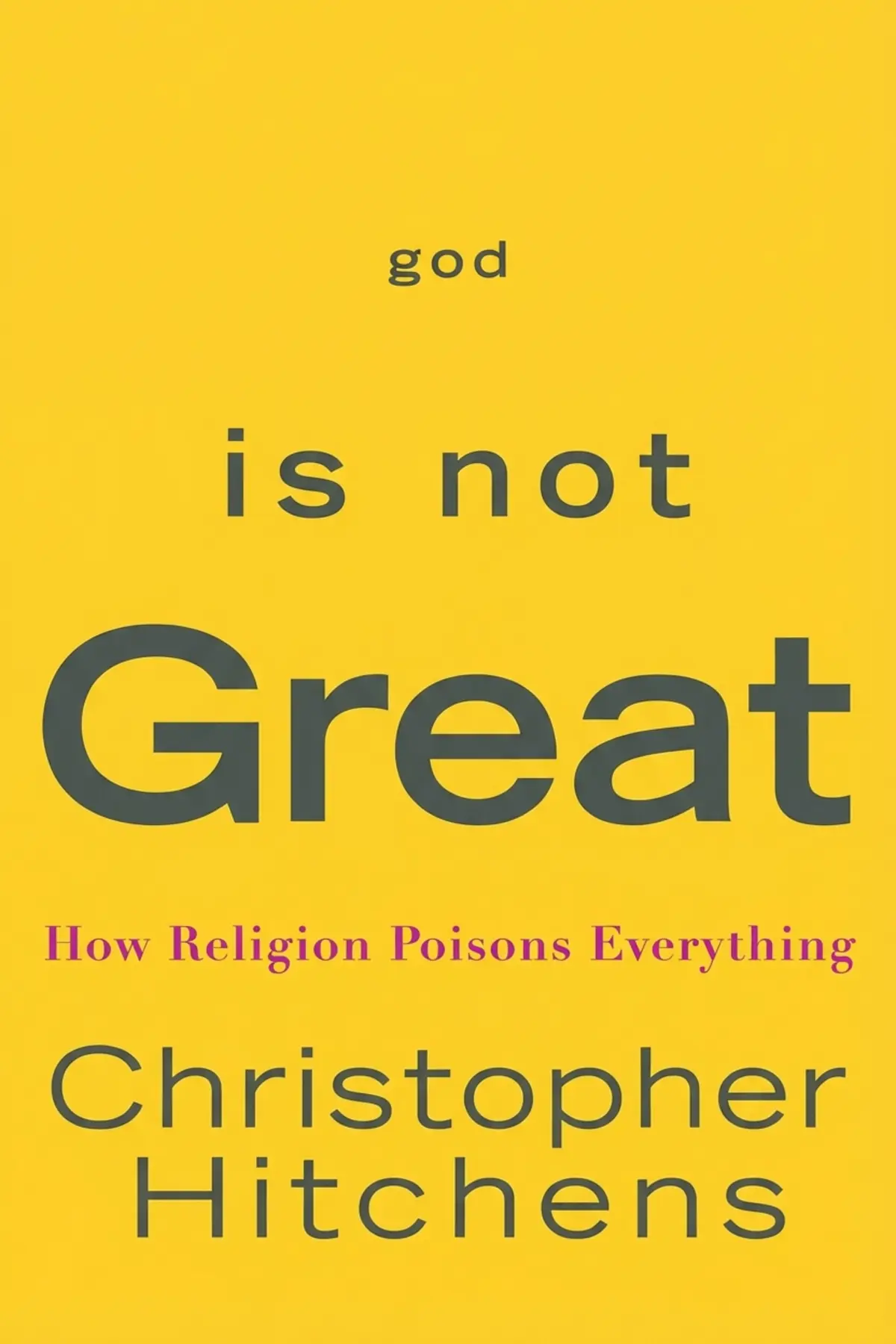
God Is Not Great: How Religion Poisons Everything
Christopher Hitchens
 English
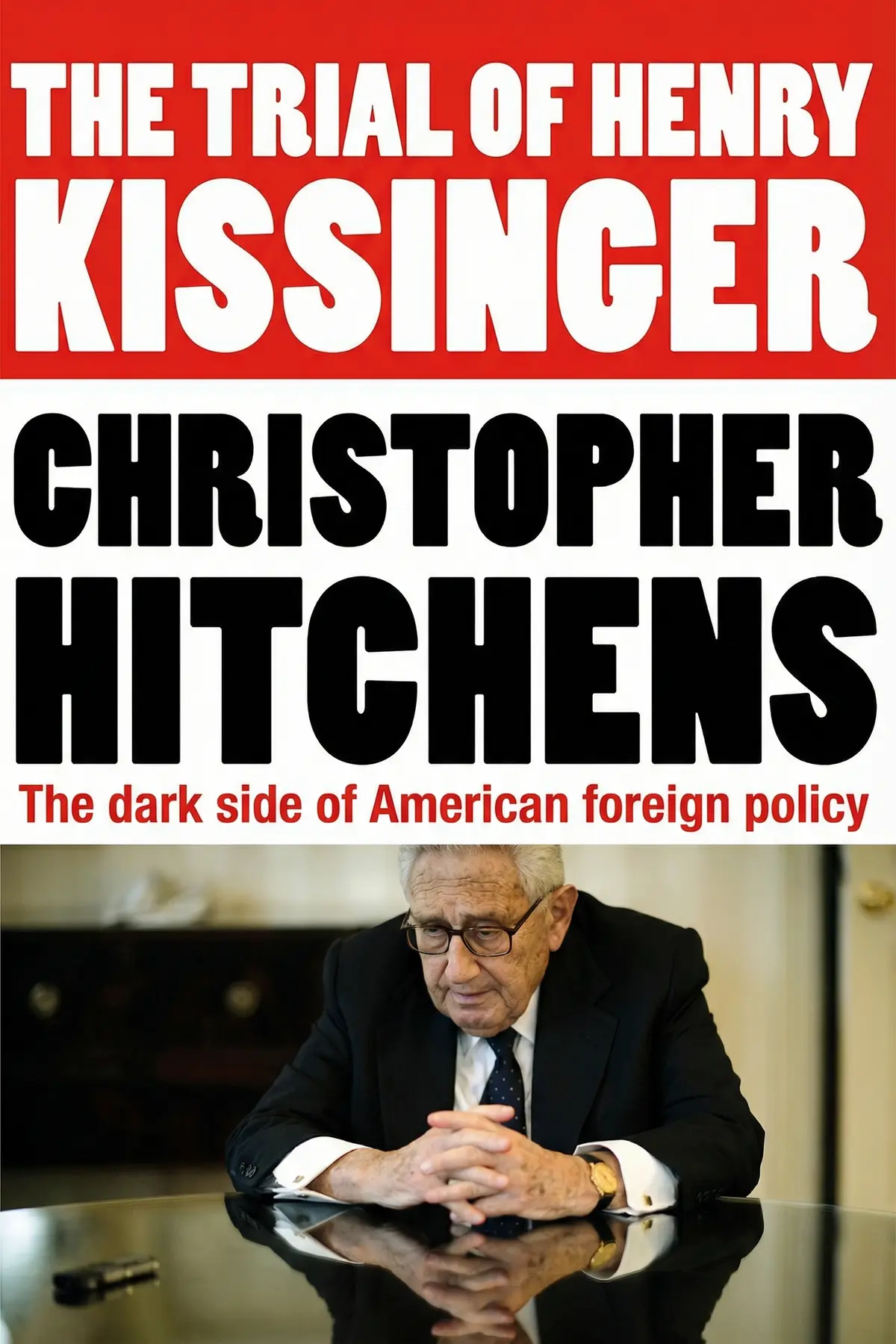
Christopher Hitchens builds a prosecutor's case against Henry Kissinger. He argues that the celebrated diplomat prolonged the Vietnam War, enabled mass killing from Bangladesh to East Timor and later profited, while a double standard kept him from trial.
1 min 04 sec
Most people know Henry Kissinger as the model statesman: the realist who opened relations with communist China and won a Nobel Peace Prize in 1973 for peace deals in Vietnam. In The Trial of Henry Kissinger, the journalist Christopher Hitchens argues that the same man helped wreck an earlier chance at peace in Vietnam, five years before, to advance his own career.
From there Hitchens builds a prosecutor’s case. In Indochina, Bangladesh, Chile and East Timor, he holds, Kissinger ordered or enabled crimes that would put a less protected official in front of an international court. Later he turned some of those relationships into business. The throughline is blunt. A record of human rights abuses sits behind the diplomatic triumphs, and only a double standard keeps it out of a courtroom.
What you gain is a way of reading power that looks past the famous handshake to the bombing maps, the arms shipments and the consulting contracts behind it.
1 min 47 sec
In 1968 a peace deal for Vietnam was on the table in Paris, and then it collapsed days before an American election. Hitchens names the adviser he blames and the reward that adviser expected.
1 min 55 sec
One military sweep left about 11,000 people dead and very few guns behind. Hitchens sets those two numbers side by side, and the comparison tells a story the official reports did not.
1 min 59 sec
A new nation tried to break away, and its leader wanted to stay out of the superpower contest. Hitchens explains why that wish made Washington side with the army that crushed it.
2 min 12 sec
One Chilean general refused to overturn an election because he believed soldiers should stay out of politics. Hitchens follows what happened to him, and how his fate opened the road to dictatorship.
1 min 48 sec
A diplomat met a president, and the next morning an invasion began. The diplomat said he learned of it only on his way out. Released government files tell Hitchens a different story.
1 min 46 sec
Defending a regime in public can look like plain Cold War realism. Hitchens traces where a former Secretary of State later did business, and the overlap with his old decisions is hard to ignore.
2 min 01 sec
Imagine the same record attached to the leader of a small, weak country. Hitchens uses that thought experiment, and a precedent from the end of the Second World War, to ask why no court has acted.
1 min 20 sec
Hitchens wrote something close to an indictment for the public, not a judge. Its force comes from placing episodes usually told separately side by side: a peace talk in Paris, bombers over Cambodia, machine guns for officers in Chile, a meeting in Jakarta, a gold and copper mine. Each one alone can be filed under Cold War necessity. Together, Hitchens argues, they show one man trading lives for position, for alliances and later for profit, while his diplomatic successes kept the record out of view. The book concedes that a trial is unlikely. Its claim is that the evidence for one exists.
What it leaves a listener with is a set of habits for reading power. Set a death toll beside the weapons recovered and see whether both can be true. Look for what a memoir leaves out, and check it against released documents. Before trusting a former official’s view of a country, ask where their firm does business. And when you judge any leader, swap in a ruler from a weaker nation and see whether your verdict holds.
The Nobel Prize tells one story about Henry Kissinger. Hitchens asks that General Schneider, the dead of the Mekong Delta and the people of East Timor be entered into the same file.
Henry Kissinger is remembered as one of the great American diplomats. He served as Richard Nixon's National Security Advisor and Gerald Ford's Secretary of State, he opened relations with communist China, and he was awarded a Nobel Peace Prize in 1973 for peace deals in Vietnam. Christopher Hitchens sets out to show the record that reputation leaves out. Writing as a prosecutor would, Hitchens takes the case episode by episode. He covers the 1968 Paris peace talks, the bombing of Cambodia and Laos, American arms for Pakistan's war in Bangladesh, the plots against Chile's elected president Salvador Allende, and the green light for Indonesia's invasion of East Timor. He then follows Kissinger into private business, where his consulting firm earned money in some of the same places. The result is an argument about responsibility and about double standards. Hitchens contends that a leader from a weaker country with the same record would already face an international tribunal, and he names the laws under which Kissinger could be charged. Readers get a hard-edged account of Cold War power, and a set of habits for reading official stories, death tolls and memoirs with more care.
Readers who know Kissinger as a celebrated diplomat and want to hear the prosecution's side.
Students of the Cold War, Vietnam and Latin American history looking for a sharp, argued account.
News followers who want sharper habits for checking official claims, memoirs and expert commentators.
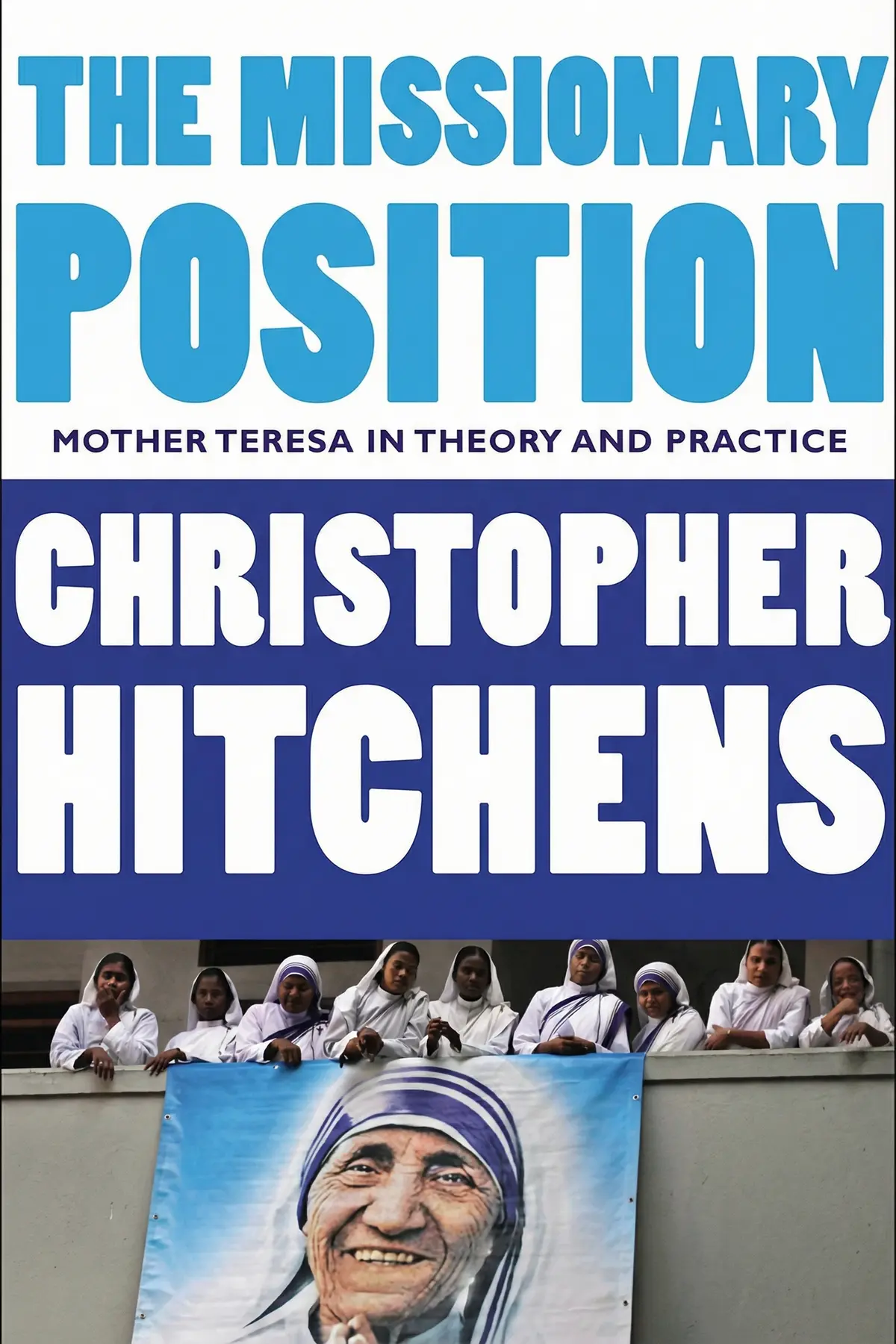
Christopher Hitchens was born in Portsmouth, England, and earned a degree in philosophy, politics and economics from the University of Oxford in 1970. He moved to the United States in the early 1980s and wrote for The Nation and Vanity Fair, and he also contributed to The Atlantic and Slate. He wrote 18 books, including the bestseller God Is Not Great and The Missionary Position, a critical biography of Mother Teresa. He died in December 2011, aged 62.
Christopher Hitchens
Christopher Hitchens
Christopher Hitchens
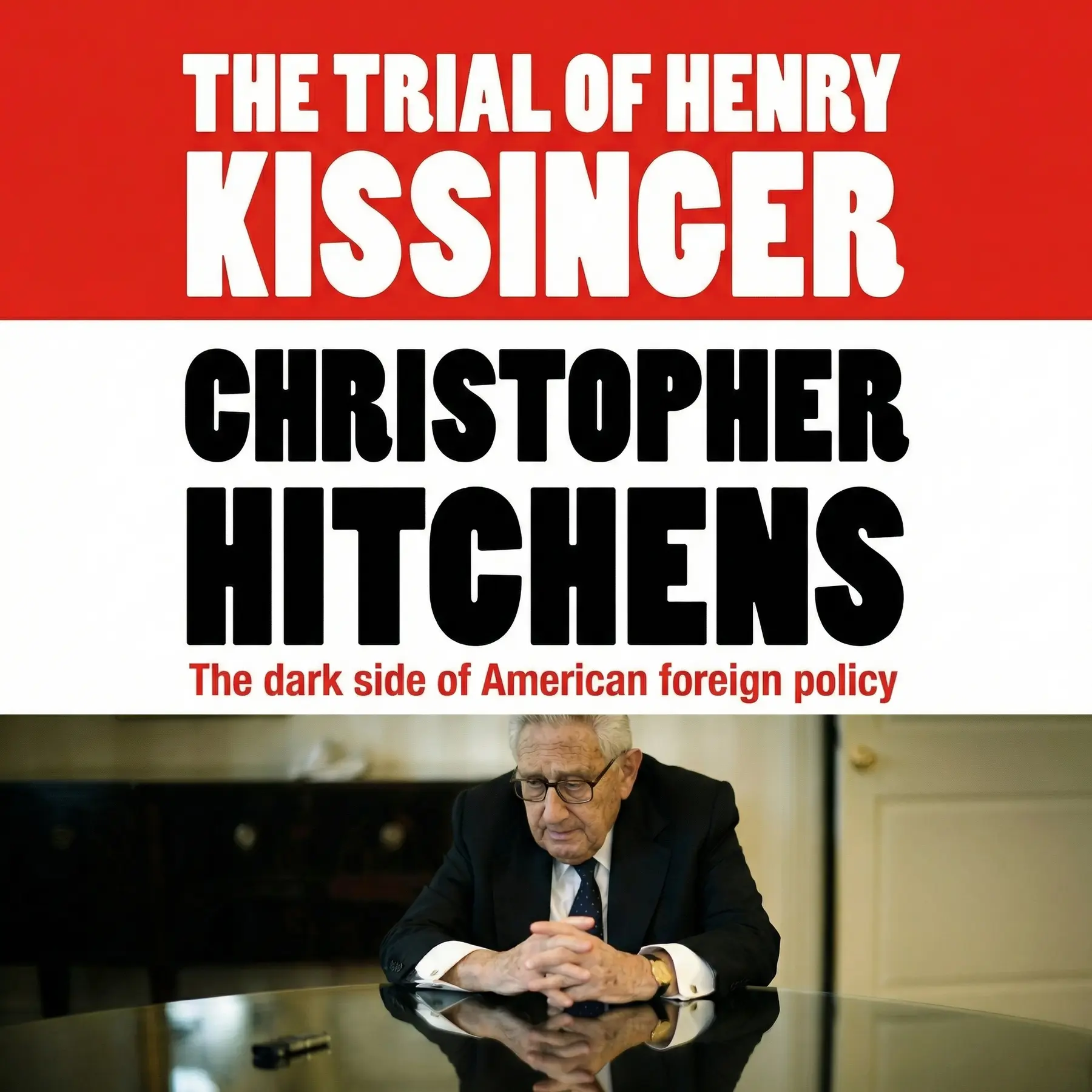
Listeners find the work thoroughly researched, with one listener noting it includes actual classified documentation, and they consider it well worth their time. Additionally, the quality of the prose receives high marks, with one listener characterizing it as a wonderfully written history. The title also delivers deep historical perspectives, with one listener emphasizing how it masterfully documents Kissinger's war crimes. Nevertheless, reactions concerning the pacing and authenticity are mixed among listeners.
Finally got around to reading this classic polemic, and it certainly lives up to the reputation. Hitchens operates here as a relentless prosecutor, laying out a devastating case that goes far beyond mere political disagreement. What impressed me most was the inclusion of actual classified documentation and declassified cables that support his claims regarding the 1968 election and the destabilization of Chile. The writing is sharp, witty, and unapologetically aggressive, which makes for a gripping read despite the heavy subject matter. Frankly, it is a masterclass in how to hold power to account when the official record tries to smooth over the rough edges. While some might find his tone a bit much, the sheer weight of the evidence regarding Indochina is difficult to dismiss once you see it laid out so clearly. It is a wonderfully written history that feels more relevant than ever in our current political climate.
Show moreWow. I was absolutely floored by the level of research that went into this relatively short volume. Hitchens takes the 'cowboy' persona that Kissinger cultivated and strips it away to reveal something much more sinister. The sections on the genocide in Bangladesh and the deliberate prolongation of the Vietnam War are some of the most harrowing pieces of non-fiction I have ever encountered. Every sentence is packed with meaning, and the varied sentence lengths keep the momentum moving like a legal thriller. Not gonna lie, I had to take breaks because the content is so heavy, but the quality of the prose kept pulling me back in. He masterfully documents how a single individual could influence the fate of millions with such cold-blooded indifference. If you want to understand the dark side of American foreign policy, this is an essential read.
Show moreThe chapter on East Timor is easily the most chilling section of this entire volume and worth the price of admission alone. Hitchens manages to distill incredibly complex diplomatic maneuvers into a narrative that is both easy to digest and deeply infuriating. He doesn't just make vague accusations; he points to specific meetings and memos that show a clear awareness of the atrocities being committed. Frankly, the book changed the way I look at that entire era of American history. The prose is sharp and moves at a breakneck pace, which helps when dealing with such grim subject matter. While it's true that the book is an angry polemic, the anger feels entirely justified given the evidence presented. It’s a slim book that carries the weight of a much larger tome. Absolutely worth your time if you value investigative journalism.
Show moreThis book reads less like a standard biography and more like a focused legal indictment designed for an international court. Hitchens skips the usual literary ornamentation he is known for to provide a hard-nosed brief on war crimes. The historical insights regarding the invasion of East Timor and the secret bombings of Cambodia are genuinely chilling and well-supported by the text. To be fair, the book does presume a high degree of prior knowledge from the reader, and the pacing can feel a bit rushed as he jumps between different global atrocities. I occasionally found myself needing to look up additional context to fully grasp the significance of some minor players mentioned in the Cyprus chapters. Still, the core argument is powerful and the documentation is robust. It is a necessary counter-narrative to the standard 'statesman' image often presented in mainstream media.
Show moreLook, Hitchens isn't hiding his bias here, but the sheer volume of declassified information he provides is hard to ignore. The way he documents Kissinger's involvement in the overthrow of Allende is meticulous and deeply disturbing. I appreciated how he connects the dots between different theaters of operation, showing a consistent pattern of realpolitik that ignored human costs. My only real complaint is that the authenticity of some of the more speculative leaps regarding the Greek journalist Elias Demetracopoulos felt a bit thinner than the rest of the book. Truth is, the Indochina sections are so strong that the weaker chapters don't detract too much from the overall impact. It is a dense read, and you might find yourself squirming with rage by the final page. Hitchens has a way of making you feel the weight of every decision made in those closed rooms.
Show moreAs someone who only knew the basics of the Nixon era, this was an eye-opening deep dive into the mechanics of state power. Hitchens focuses on the specifics of Kissinger's actions in Cambodia and Chile, using actual records to build a case for accountability. The book is wonderfully written, though the author's notorious biting tone can sometimes feel like it's overshadowing the facts. Personally, I think the argument that Kissinger should be held to the same standards set at the Tokyo War Crimes trials is the most compelling part of the work. There are some pacing issues in the middle sections where the names of minor diplomats come at you fast and furious. However, the overall historical value of the work is undeniable. It forces you to question why certain figures are allowed to remain in the good graces of the establishment despite such a track record.
Show morePicked this up after seeing the documentary, and the book provides much more of the 'legal brief' feel that Hitchens was aiming for. It is a whirlwind tour of bad acts around the world, from Cyprus to Bangladesh, and it rarely stops for breath. The way he uses Kissinger's own words and public statements against him is quite clever and effective. Gotta say, the book is quite dense and occasionally the pacing feels a bit off, especially when he moves quickly between different decades. I would have liked a bit more detail on the domestic political fallout of these decisions. However, as a condemnation of a ruling class that views human lives as pawns, it is incredibly effective. It is a hard-hitting piece of work that doesn't pull any punches. You won't look at a black-tie Washington event the same way again.
Show moreAfter hearing so much about Kissinger's legacy, I wanted to see the case against him, and Hitchens certainly delivers. This is a clear-eyed and devastating look at the human cost of realpolitik. The documentation regarding the secret bombing of Cambodia is particularly well-presented and difficult to argue with. To be fair, Hitchens does have a tendency to assume you already know a lot about 20th-century history, so keep your phone handy to look up some of the references. The writing is punchy and direct, avoiding the flowery language he uses in his later essays. Some might find the lack of a traditional narrative structure off-putting, but it works for the 'trial' format he intended. It provides essential historical insights that you won't find in a standard textbook. Definitely a solid four-star read for anyone interested in international justice.
Show moreNot what I expected after hearing all the hype about Hitchens' brilliance as a writer. While the book certainly provides some eye-opening historical insights, the structure felt incredibly fragmented and frustrating at times. In several chapters, he makes a bold allegation and then provides a plethora of information that doesn't quite close the logical argument. It felt like watching a trial where the prosecutor keeps getting distracted by his own cleverness instead of finishing the syllogism. The chapter on East Timor was the only one where I felt the evidence truly matched the intensity of the rhetoric. In my experience, the book is a bit too short to cover such a wide range of complex geopolitical events effectively. It serves as a good starting point for research, but I wouldn't call it the definitive account of these events.
Show moreAbsolutely dreadful experience. I don't know if Hitchens is right about the specific allegations regarding the 1968 election, but his obnoxious tone makes it impossible to enjoy the book. He seems more interested in blasting insults than in providing a balanced historical account. The writing quality is technically fine, but the constant snide remarks and aggressive posturing undercut the seriousness of the charges he is making. I kept finding myself saying 'okay, then what?' because he often fails to finish his logical arguments before moving on to the next insult. It felt more like a long, angry blog post than a serious work of history or law. If you are looking for an objective look at this period, you should probably look elsewhere. I hated almost every page of this one.
Show moreChristopher Hitchens argues that Henry Kissinger, celebrated for opening relations with China and awarded a Nobel Peace Prize in 1973, has a hidden record of human rights abuses. He covers the 1968 Paris peace talks, the bombing of Cambodia and Laos, Bangladesh, Chile and East Timor, then Kissinger’s later business. His conclusion is that enough evidence exists to put Kissinger on trial, even though that is unlikely to happen.
Hitchens claims that in 1968 Kissinger, while advising Johnson’s negotiating team in Paris, secretly fed information to Richard Nixon, which helped persuade South Vietnam to leave the talks days before the election. By his account the war lasted seven more years. He also links Kissinger to Operation Speedy Express, where about 11,000 died but only 748 weapons were found, and to the bombing of Cambodia and Laos.
Kissinger met Indonesia’s President Suharto in Jakarta on December 6, 1975, and Indonesia invaded East Timor the next day. Kissinger said he learned of it only at the airport, but Hitchens cites documents released under the Freedom of Information Act that he says show approval. Military aid doubled after the invasion, and about 200,000 people, one third of the population, died during the occupation.
Hitchens points to a double standard. A leader from a weaker country with the same record would face an international tribunal, he argues, and the United States itself executed Japanese generals after the Second World War for similar commands. He names possible legal grounds, from international criminal law to American laws against kidnapping and murder, but says Washington protects its own officials.
The book suggests habits for reading power. Test a death toll against a second number, as Hitchens does with weapons recovered in the Mekong Delta. Compare an official’s public account with released documents and notice what a memoir leaves out. Check whether a former official advising on a country earns money there. And judge leaders by imagining the same facts attached to someone from a weaker nation.

John Rawls

Ben Macintyre




James Shapiro

Miles Taylor
Ben Macintyre

Charles C. Mann
AUDIO SUMMARY AVAILABLE
Get the key ideas from The Trial of Henry Kissinger by Christopher Hitchens, plus 5,000+ more nonfiction titles.









