
15 min 27 sec
Available in: English
The Pegan Diet: 21 Practical Principles for Reclaiming Your Health in a Nutritionally Confusing World
By Mark Hyman
Shows how to combine the best of paleo and vegan eating: plants as the base, slow carbs over refined ones, the right fats, ethically raised meat in context, and sugar kept as an occasional treat.
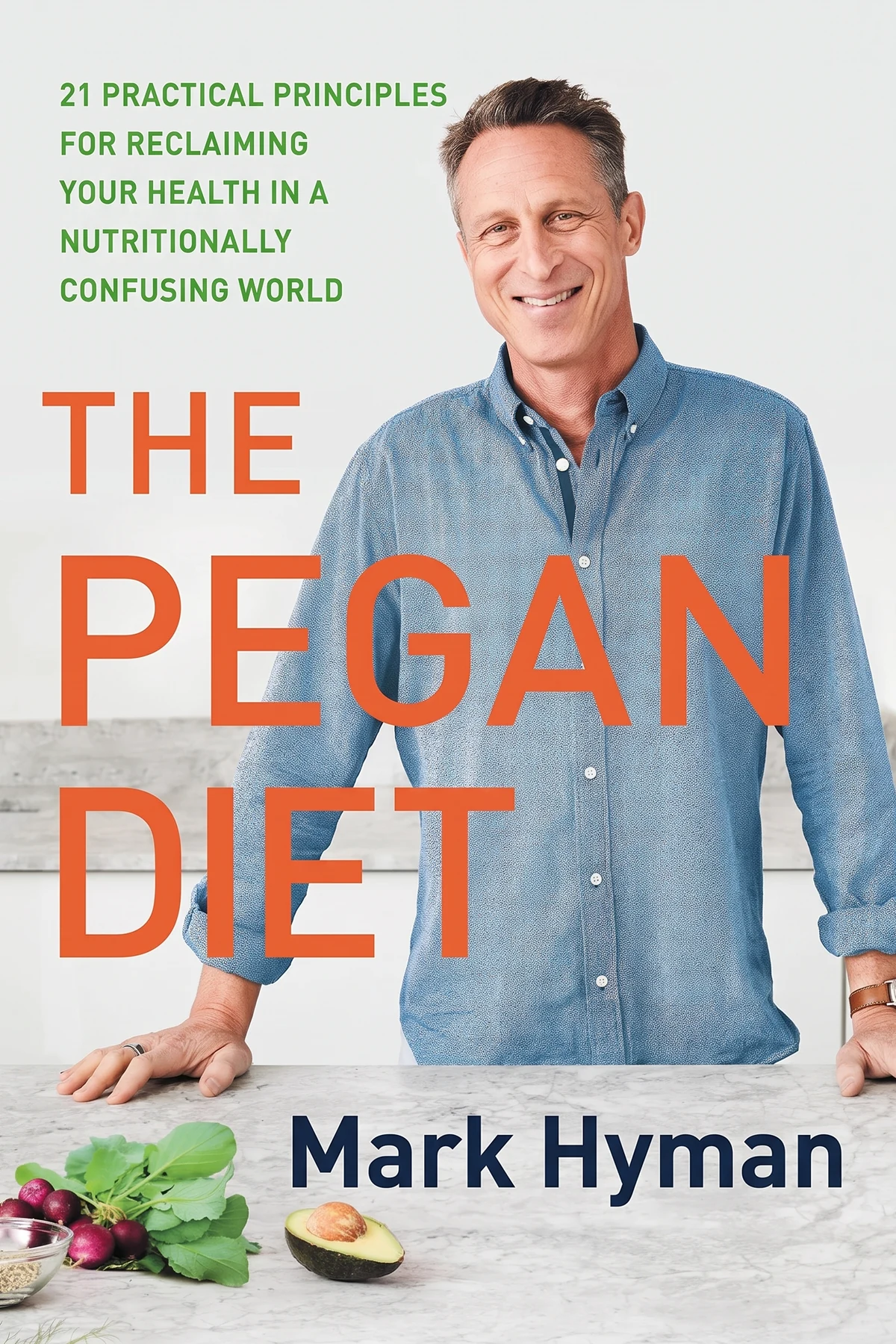
Table of Content
1. Introduction
57 sec
If every food headline seems to contradict the last, here is a calmer starting point: two diets famous for disagreeing actually agree on most things. In The Pegan Diet, physician Mark Hyman notes that paleo eaters and vegans, meat aside, both build meals on plants and whole foods, and both avoid sugar, starches, dairy and additives.
He blends the two into one approach. Its argument is simple: plants form the foundation, and for everything else on the plate, quality and context matter more than any blanket rule.
What follows gives you tools for the next meal: a color check for vegetables, a share for your plate, a sane way to treat dessert and a question to ask about any steak. There is also a case for ethically raised meat, evidence that food can lift mood, and two cooking methods that make vegetables worth eating.
2. Eat every color of plant, every day
1 min 47 sec
Plants produce thousands of defensive chemicals, and many of them seem to protect us as well. Finding them takes no lab test or label reading, only a habit of looking at your plate in a particular way.
3. Fill three quarters of your plate with slow carbs
1 min 31 sec
Cutting carbohydrates entirely is a popular response to blood sugar worries, and Hyman thinks it is the wrong one. A single proportion, easy to picture at any table, does more of the work.
4. Treat sugar the way you treat a drink
1 min 37 sec
Nobody binges on arugula, yet a whole pack of cookies can vanish in one sitting. Hyman traces that difference to our ancestors and offers a rule for sweets that needs no ban at all.
5. Choose the right fats and stop fearing them
1 min 40 sec
For decades the official advice was to cut fat, and people obeyed. What happened to waistlines over the same years suggests the advice missed something, though the fix is not to eat fat freely.
6. Choose better meat by knowing what the cow ate
1 min 45 sec
More than 100,000 studies on meat and health reach opposite verdicts, from superfood to poison. Hyman thinks both camps are measuring the wrong thing, and two very different tomatoes show what they are missing.
7. Meat you can eat with a clear conscience
1 min 50 sec
Factory farming wrecks soil, poisons wildlife and keeps animals in cruel conditions. Yet Hyman argues that a different way of raising food could repair land and even slow climate change, for a surprisingly modest price.
8. Feed your brain to lift your mood
1 min 48 sec
A study comparing two ways of eating found one far more effective against depression than the other. The changes behind that result are ordinary ones, and one of them goes against a popular habit.
9. Cook vegetables so they become the star of your plate
1 min 29 sec
Most kitchens treat vegetables as a side dish and serve them as a gray afterthought. Two basic methods, a few minutes each, can turn even the ones you think you hate into the part you finish first.
10. Conclusion
1 min 03 sec
The Pegan diet settles the paleo versus vegan argument by showing how little there was to fight about. Both camps put plants first and keep sugar, refined starch and additives off the plate. Hyman adds the second half of the lesson. Once plants form the base, the useful question about any other food is rarely whether it is allowed; it is where it came from and what it is eaten with. A grass-fed steak beside broccoli and a feedlot steak beside white pasta are different meals.
Hyman admits that whole foods, good meat and quality fats can raise the grocery bill. His answer is to master five simple, wholesome meals for busy or tight weeks and to keep their ingredients always at home, canned sardines in a quick tomato sauce being his kind of example. Build them on a plate that is three quarters non-starchy vegetables, lightly cooked, in as many colors as you can find, and save sugar for the occasional square of chocolate.
Eat the rainbow, and remember to ask what your food ate.
About this book
What is this book about?
Nutrition advice seems to change every year. Fat was the enemy, then carbs, then meat, and the arguments between paleo and vegan camps can make healthy eating feel like picking a side in a war. Physician Mark Hyman argues that the two camps share far more than they admit. Leave meat aside, and both build meals on plants and whole foods while avoiding sugar, starches, dairy and additives. The Pegan Diet blends the two into a set of plain guidelines. Plants come first, chosen by color. Slow carbs fill most of the plate. Fats are chosen by type and by the company they keep. Meat is judged by how the animal was raised and what it is eaten with, and sugar is treated like alcohol, as an occasional pleasure. Readers get rules they can use at the next meal, a case that regenerative farming can make meat both healthier and kinder to the land, evidence linking food and mood, and two simple ways to cook vegetables so they become the best thing on the plate.
Book Information
Who it's for
Eaters wanting simple rules
People worn out by conflicting diet headlines who want a few clear rules for everyday meals.
Plant-curious omnivores
Meat eaters curious about plant-first eating who don't want to go fully vegan.
Cooks bored by vegetables
Busy home cooks who find vegetables boring and want quick ways to make them taste good.
About the Author
Mark Hyman
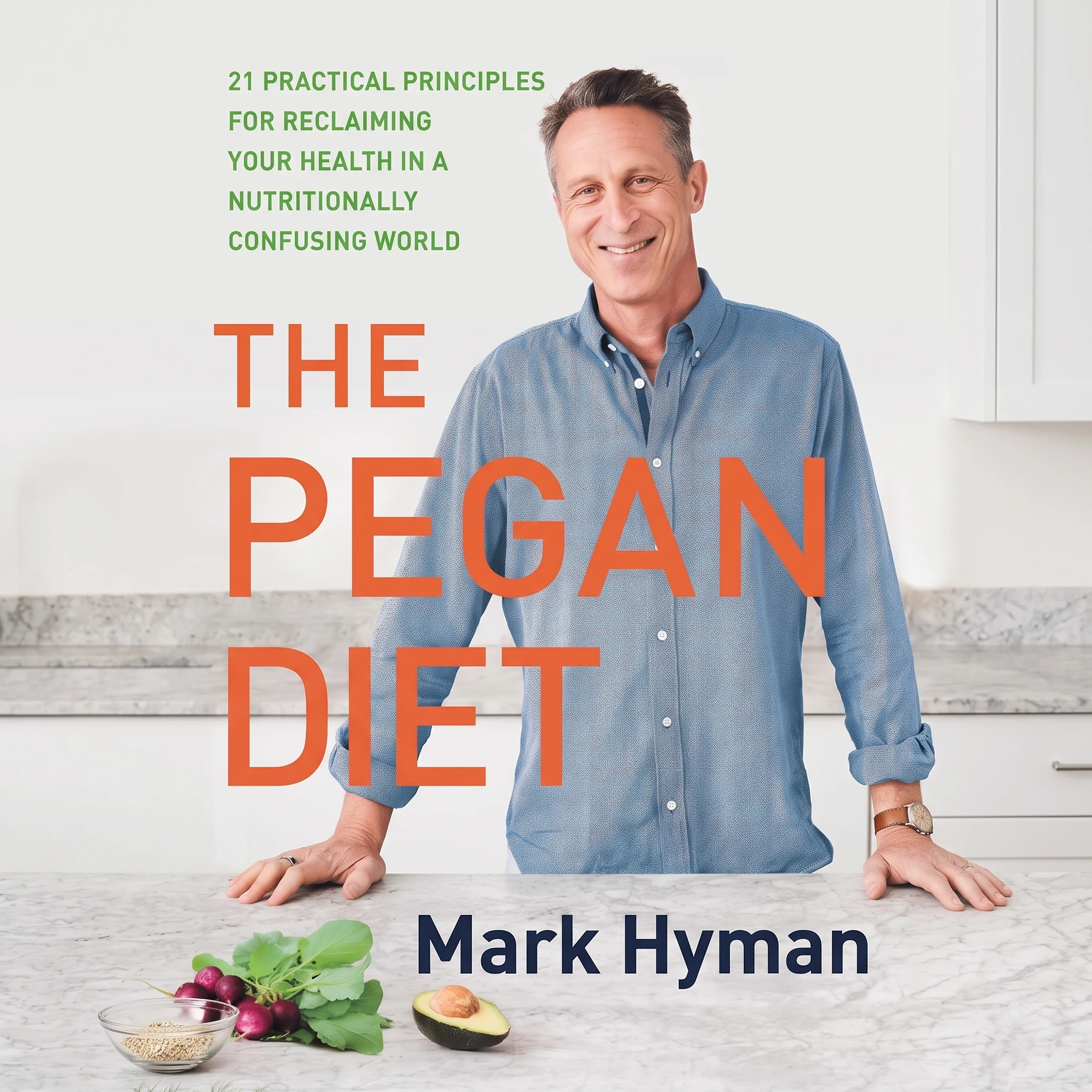
Mark Hyman, born in 1959, is an American physician and bestselling author. He founded The UltraWellness Center, where he is medical director, and the Center for Functional Medicine at the Cleveland Clinic. He has written several books on nutrition and longevity, including Food Fix and Young Forever, and hosts The Dr. Hyman Show, a podcast on human health. He has also been a Huffington Post columnist and a regular guest on Katie Couric's talk show.
Ratings & Reviews
Ratings at a glance
What people think
Listeners find that the book provides thorough details on each topic and helps them grasp healthy eating habits, guiding them toward improved wellness. Furthermore, the writing is straightforward and accessible, offering solid guidance, and one listener noted it follows the principles behind the science. They also value the weight loss advantages, as one listener mentioned dropping pounds by consuming the suggested items. On the other hand, views on the recipes vary; some listeners claim there is a high volume of recipes, whereas others feel there are not enough.
Top reviews
Air
Picked this up because I was tired of feeling sluggish and bloated every single morning. Dr. Hyman makes a compelling case for treating food as actual medicine, and his explanation of insulin resistance really clicked for me. I’ve already noticed some weight loss after just a few weeks of following the core guidelines. The book is incredibly easy to read, though I’ll admit some of the science gets a bit dense in the middle chapters. Truth is, you don't have to follow every single rule to see a difference in your energy levels. It’s a solid roadmap for anyone feeling lost in the constant noise of the health industry.
Show moreGung
The chapter on how starchy foods contribute to chronic inflammation was a total game-changer for my daily routine. After just ten days of cutting back on the 'white stuff' Hyman warns about, my joint pain started to subside significantly. I used to wake up feeling stiff and old, but focusing on healthy fats and berries has made a noticeable difference. To be fair, I haven't touched the recipe section because the ingredient lists look like a science experiment. However, the core advice on eating whole natural foods is something I can actually stick to long-term. This is much more than just a weight loss book; it’s a manual for longevity.
Show moreNum
Dr. Hyman has a way of making you feel like he's sitting right there in the room with you, explaining things clearly. I love that he emphasizes 'bio-individuality' and encourages readers to pay attention to what actually works for their own unique bodies. The 21 rules aren't meant to be shackles, but rather a set of goalposts to aim for in your daily life. Since switching to this way of eating, my energy levels have stabilized and I no longer crash in the afternoon. It’s a very comprehensive guide that covers everything from pantry staples to the ethics of the food industry. Five stars for the life-changing perspective.
Show moreSofia
As someone who has cycled through every diet under the sun, Hyman’s 'Pegan' approach feels like the most balanced middle ground yet. He basically takes the best parts of the vegan and paleo worlds—lots of plants, but with some high-quality animal protein—and creates a sustainable framework. I especially liked the emphasis on regenerative agriculture and how our food choices impact the planet's health too. Not gonna lie, I skipped over some of the more technical, 'in the weeds' scientific explanations to get to the summaries. The end-of-chapter charts are a lifesaver for quick referencing when you're actually at the store.
Show moreValentina
Ever wonder why everyone seems to have a different opinion on whether eggs or grains are 'toxic' these days? This book tries to clear up that confusion by blending the two most popular dietary camps into one cohesive strategy. Dr. Hyman is a great writer, making complex biological processes like muscle inflammation and blood sugar spikes feel easy to understand. Look, I don't agree with every single rule he lays out, especially the strict avoidance of all grains, but his logic is sound. It’s a great starting point for cleaning up your lifestyle without jumping on a fad bandwagon.
Show moreTak
Finally got around to reading this after hearing Dr. Hyman on a podcast, and I’m glad I did. He does a fantastic job explaining why the quality of our meat matters, specifically focusing on the benefits of regenerative farming. It’s refreshing to see a doctor connect human health so directly to the health of our soil and the climate. While some parts felt like a repeat of his previous books, the 21 principles provide a very clear structure to follow. I’ve lost about five pounds without really trying, just by being more mindful of my insulin response. Definitely worth a read if you're confused by the current food landscape.
Show moreDao
Small doses of Dr. Hyman are usually all I can handle, but this specific book felt more grounded than his earlier works. He focuses heavily on the 'Pegan' balance, which is basically 75% plants and 25% high-quality proteins. I appreciated the specific tips for people dealing with diabetes or heart disease, as it shows he's thinking about clinical applications. The recipes are definitely the weakest part—they are way too involved for someone with a 9-to-5 job. Still, the underlying science is solid and the writing is engaging enough to keep you turning the pages. It’s a helpful resource for anyone trying to navigate the mess of modern nutrition.
Show moreSiriporn
This book is a bit of a mixed bag for me personally. While the 21 principles make total sense on paper, the execution in the kitchen is a whole different story. Many of the recipes are way too complicated for a working parent, sometimes requiring twenty different ingredients for a simple breakfast. Who has time to hunt down pasture-raised tallow or ostrich meat at a normal grocery store? I appreciate the 'Pegan' philosophy of combining paleo and vegan ideas, but the elitism of the ingredients makes it feel inaccessible. It’s a good theoretical guide, but it lacks the 'easy' approachability promised on the cover.
Show moreKoi
After working in the nutrition field for several years, I found much of this information to be quite standard, though it's presented well. It’s a great primer for beginners who are just learning about the 'food as medicine' movement or the concept of a low-glycemic diet. Dr. Hyman’s personal journey from being a vegan to adopting these 'Pegan' guidelines adds a nice touch of authenticity to the text. My biggest gripe is the lack of photos in the recipe section, which makes the complex dishes even harder to visualize. If you're already a health nut, you might find yourself skimming through the more repetitive sections.
Show moreWei
Not what I expected at all, and frankly, I’m more frustrated than when I started. Dr. Hyman claims this is a guide for everyone, but most of the suggestions feel like they’re designed for people with unlimited budgets and time. Do I really need to eat natto and elk to be healthy? The tone is a bit prescriptive and at times feels like he’s talking down to the reader if they don’t buy into every single technical detail. I agree that processed sugar is bad, but that's common sense, not a revolutionary dietary breakthrough. I’ll stick to my basic whole foods and leave the 20-ingredient smoothies to the influencers.
Show moreQuestions about this book
What is the Pegan diet by Mark Hyman?
It is a blend of paleo and vegan eating. Hyman points out that, meat aside, both diets favor plants and whole foods and avoid sugar, starches, dairy and additives. The Pegan approach keeps that common ground, makes plants the foundation of every meal, and allows high-quality animal protein and fats. Its guiding idea is that the quality and context of a food, not blanket bans, decide whether it helps your health.
What is the 75 percent rule in The Pegan Diet?
Hyman recommends that three quarters of every plate be slow carbs, mostly non-starchy vegetables with a very low glycemic load, such as broccoli, cauliflower, bok choy, zucchini, mushrooms and tomatoes. Starchy slow carbs like potatoes, yams, squash and pumpkin fit in the remaining quarter, at no more than about three and a half cups a week. Refined carbs such as white bread and pasta are best avoided.
Does the Pegan diet allow meat?
Yes, but the kind matters. Hyman argues that grass-fed meat from regenerative farms carries better omega-3 and fatty acid profiles, more CLA and plant compounds from the meadows the animals graze. Feedlot meat passes on the corn, antibiotics and hormones the animal was fed. He also stresses context: meat eaten with vegetables and legumes is a different matter from meat eaten in a diet heavy in sugar and refined carbs.
How does The Pegan Diet treat sugar and fat?
Hyman treats sugar like alcohol: fine as an occasional pleasure, harmful as a daily habit, and worth checking labels for hidden forms like high-fructose corn syrup. Fat he rehabilitates. The body needs it, and even extra virgin olive oil is 20 percent saturated fat. His warnings are about processed vegetable oils and about fat combined with sugar and starch, a mix he links with inflammation, weight gain and diabetes.
How can I start the Pegan diet on a budget?
Hyman acknowledges that whole foods, ethically raised meat and quality fats can cost more. His suggestion is to master five easy, wholesome meals you can return to when time or money is short, and to keep their ingredients always on hand, canned sardines with a quick tomato sauce being one example. Pair that with simple sautéed or steamed vegetables to keep plants at the center.
Readers also enjoyed






AUDIO SUMMARY AVAILABLE
Listen to The Pegan Diet in 15 minutes
Get the key ideas from The Pegan Diet by Mark Hyman, plus 5,000+ more nonfiction titles.
- 5,000+ titles
- Listen as much as you want
- 7-day free trial
- Cancel anytime









