
11 min 33 sec
Available in: English
The Joy of Saying No: A Simple Plan to Stop People-Pleasing, Reclaim Your Boundaries, and Say Yes to the Life You Want
By Natalie Lue
Shows people pleasers where their reflexive yes comes from and which of five pleasing types drives it. A six-stage plan, starting with a two-week experiment, helps them set boundaries and live more honestly.
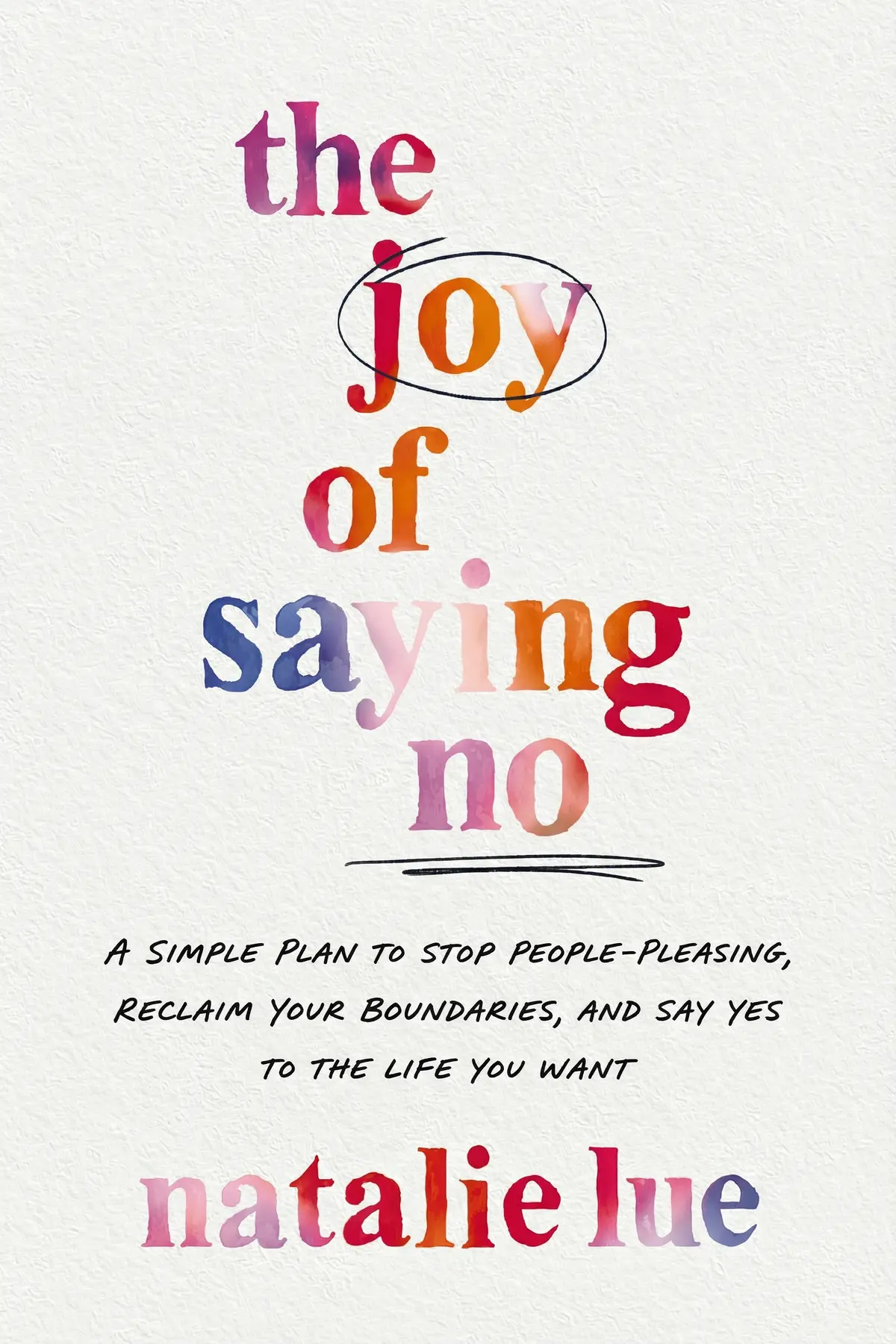
Table of Content
1. Introduction
1 min 06 sec
If you say yes when every part of you means no, Natalie Lue argues the habit is not a character flaw: it is old childhood training running on autopilot, and training can be redone. In The Joy of Saying No, the creator of the Baggage Reclaim blog traces her own wake-up call to a doctor’s verdict. At 28, after a year and a half of tests for an immune disease called sarcoidosis, she heard that reaching 40 might be optimistic.
She had hidden the illness from her family and colleagues so she would not burden them. She had also obeyed every expert without question. Then, in August 2005, she surprised herself by refusing her consultant’s latest advice. That refusal started her recovery from two conditions: the disease and the pleasing.
Her throughline is simple. Compulsive pleasing was learned, so it can be unlearned, one observed yes at a time. Ahead are a way to find the fear behind your own yeses, a two-week experiment to test them, and a plan for the awkward stretch that follows.
2. See where your automatic yes comes from
1 min 48 sec
Many capable adults still reach for the same approval tricks they used at six. Lue traces that reflex to a part of the brain that never asks whether a habit is doing you any good.
3. Name the fear behind your people pleasing
2 min 03 sec
Some pleasers polish their image, others rescue everyone in sight, and some treat suffering as proof of their worth. Which one you are says less about your flaws than about what you secretly value.
4. Test your yeses in a two-week experiment
1 min 49 sec
Before changing anything, Lue asks pleasers simply to count. Fourteen days of notes tend to reveal a pattern most people never suspected: their worst yeses cluster around the same few faces and situations.
5. Give yourself what you missed as a child
1 min 45 sec
Even a happy childhood leaves gaps, and Lue says the pleasing role will not loosen until someone fills them. She also explains why a sudden wave of resentment can be a good sign.
6. Ask plainly and recover kindly from slips
1 min 52 sec
Pleasers who learn to refuse often keep one old habit: hinting instead of asking. Lue shows why that habit undoes the rest, and what to do on the days you slide back.
7. Conclusion
1 min 10 sec
Lue’s book comes down to a trade. For many people, pleasing has been the default for so long that it feels like personality, and she admits the habit is hard to tell apart from the self. Yet she argues that the life you actually want and the pleasing ways cannot coexist. A life full of the yeses that matter is built from many nos to the ones that do not.
The surprise in her account is who benefits. Being true to yourself, she says, turns out to be good for the people around you as well. They finally get your honest answers.
The first move is small. For one week, write down every yes, no and maybe and how each felt. Then look for the few people who trigger you most and ask what old story they stir up. When you need something, say it plainly. When you slip back into an automatic yes, treat it as a data point and carry on.
Lue’s own recovery began with a single refusal to her consultant, from someone who had never refused an expert before. The first no is rarely graceful. It only has to be said.
About this book
What is this book about?
Plenty of people say yes when they badly want to say no. They put their own needs aside for others and follow other people's advice over their own judgment. Natalie Lue argues this is no personal failing. It is conditioning from a childhood in which being good meant obeying. The brain's habit system keeps repeating that conditioning long after it stops serving us. Lue writes from experience. At 28, seriously ill with an immune disease she had hidden from everyone, she finally refused a doctor's advice, and that refusal began her recovery. She sorts pleasers into five types, Gooding, Efforting, Avoiding, Saving and Suffering, and shows how each type's fear reveals what that person values most. The core of the book is a six-stage plan. It starts with a two-week experiment in logging and reducing your yeses. Then you trace your triggers to old baggage and give your younger self what it lacked. Later stages treat resentment as a signal, teach you to make clear requests and show how to handle relapses with self-compassion.
Book Information
Who it's for
Overcommitted professionals
Professionals who agree to every request and then resent the overload.
Hiding their own needs
People who hide their own needs to avoid burdening family, friends or colleagues.
Hoping to set boundaries
Anyone who rescues, overworks or keeps the peace by habit and wants a step-by-step way to set boundaries.
About the Author
Natalie Lue
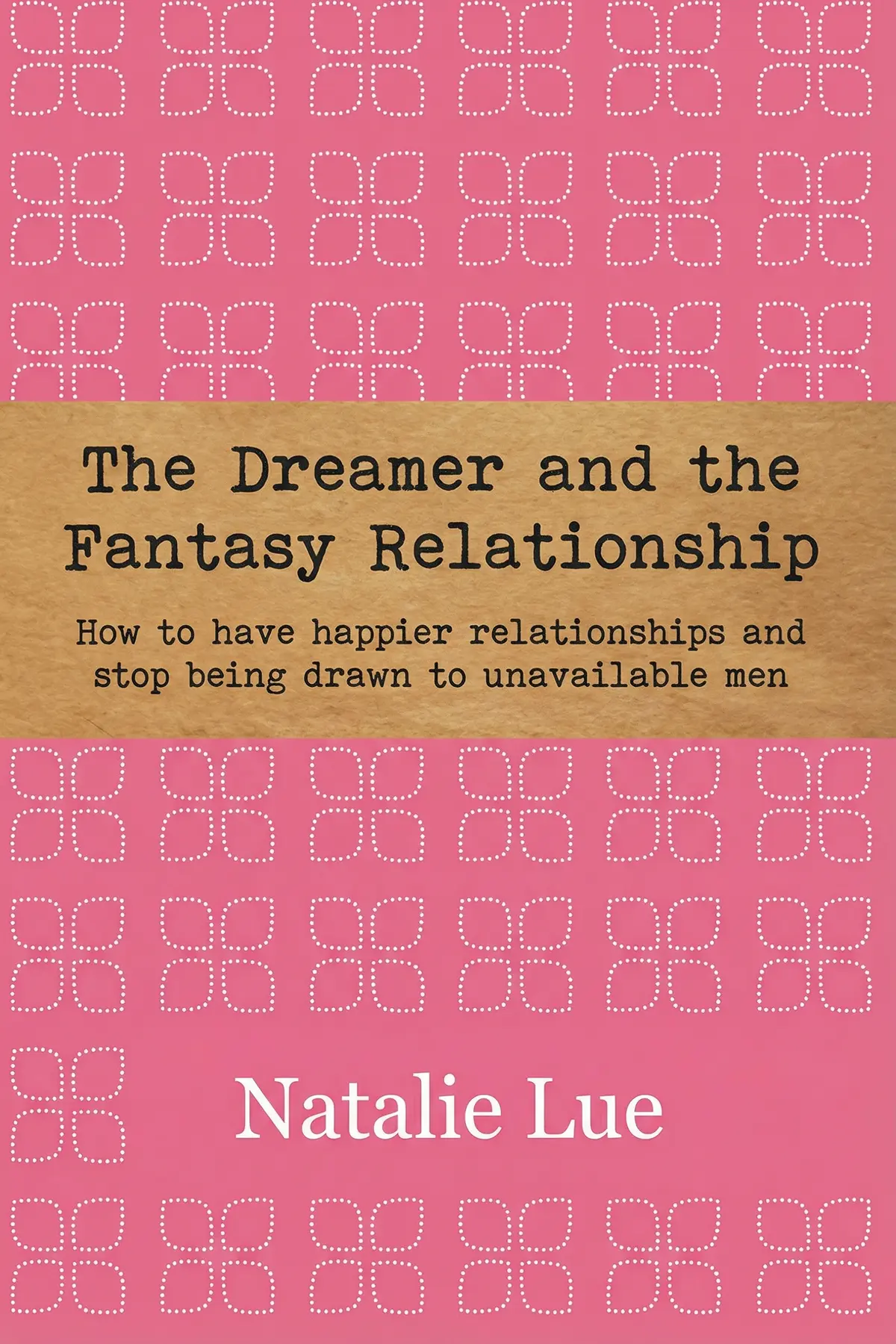
Natalie Lue created Baggage Reclaim, a blog about relationships and self-esteem, and hosts The Baggage Reclaim Sessions podcast. Outlets including The New York Times, the BBC and USA Today have featured her work. She has written five books, among them Mr Unavailable and the Fallback Girl, The Dreamer and the Fantasy Relationship, published in 2012, and The Joy of Saying No, published through HarperCollins.
Ratings & Reviews
Ratings at a glance
What people think
Listeners value the practical steps provided for setting sound boundaries and escaping the cycle of chronic people-pleasing. While some listeners believe the descriptions of the five types of pleasers are a bit broad, many consider the six-step system a life-changing method for taking back control of their schedules. Furthermore, listeners appreciate the emphasis on uncovering the root motivations behind their actions, with one listener describing the work as "essential reading" for those prone to perfectionism. They also remark that the author’s straightforward style and personal stories make the advice feel highly approachable.
Top reviews
Thida
As someone who has struggled with perfectionism for decades, this book felt like a personal intervention. Natalie Lue doesn't just tell you to 'say no'; she digs deep into the psychological 'why' behind our need to constantly over-extend. The five types of people-pleasers—especially the 'Good' and 'Best' styles—were eye-opening for me. It’s not just about being nice; it’s about a compulsive need for validation that drains your spirit. The six-step framework is incredibly actionable and provides a clear roadmap for reclaiming your time without the crushing weight of guilt. I’ve read a lot of self-help, but this one actually sticks because it addresses the underlying causes rather than just offering surface-level scripts. It’s essential reading for anyone who feels like they’re living their life for everyone else except themselves. I’ve already started 'gathering data' on my own habits, and the clarity I'm gaining is truly life-changing.
Show moreIce
Wow, I didn't realize how much of my energy was being leaked into people-pleasing until I read the 'rescue' type description. Lue hits the nail on the head regarding how we use 'helping' as a way to control our environment or avoid our own problems. This isn't just a book about saying the word 'no'—it’s about rediscovering your authentic self and aligning your actions with your actual values. The anecdotes provided are relatable and help ground the concepts in real-world scenarios. I’ve already recommended this to several friends who struggle with burnout. The six-step framework is the real star here; it’s a transformative tool that moves beyond theory and into actual practice. It’s rare to find a self-help book that feels both compassionate and kick-in-the-pants motivating, but Lue manages to strike that balance perfectly. My boundaries have never felt sturdier.
Show moreLiam
Finally got around to finishing this, and I can say it's easily one of the most practical self-help books on my shelf. I’ve been an ALC listener on Libro.fm and hearing Natalie’s voice really brought the personal anecdotes to life. She has this way of calling you out on your nonsense without making you feel like a bad person. The 'gathering data' section was a game-changer for me; it forced me to see the patterns of when and why I say 'yes' when I really want to say 'no.' This book is essential for anyone who feels like they’re constantly running on empty. It teaches you that 'no' isn't a dirty word—it's a tool for creating a life that actually belongs to you. I’m planning on buying a physical copy just so I can highlight the frameworks and refer back to them when I feel my resolve slipping.
Show moreChamnong
Picking this up felt like a chore at first, but once I hit the section on the five types of pleasers, things really clicked. I’m a 'Good' pleaser through and through—constantly trying to follow every rule to avoid conflict at the expense of my own peace. Natalie Lue’s clear writing and personal stories made the advice feel highly accessible and less like a lecture. While I think some of the categorization is a bit broad, the underlying message about reclaiming your time and power is incredibly powerful. The six-step framework provides actionable guidance for establishing healthy boundaries in a way that feels sustainable and real. I did find the pacing a bit slow in the second half, but the practical 'how-to' sections at the end more than made up for it. It's a solid, life-changing manual for anyone tired of being a 'yes man' and ready to live more authentically.
Show moreCha
After hearing so many people rave about Natalie Lue, I finally dove into her latest work. The Joy of Saying No is a comprehensive guide that treats boundaries as a form of self-care rather than a conflict. I particularly liked the distinction between being a 'rescuer' and actually being helpful. It made me realize how often I jump in to solve problems that aren't mine to fix. The writing style is conversational yet authoritative, making it easy to digest even when the topics get a bit heavy. I did feel that some of the 'this is your style if...' statements were a bit broad, but they served as a good jumping-off point for deeper reflection. The practical advice on how to handle the inevitable pushback from others was the most valuable part for me. It’s a great tool for anyone looking to foster more intimate, honest relationships.
Show moreTeng
Many thanks to NetGalley and the publisher for an early copy of this insightful guide. Having followed Lue’s blog for a while, I had high expectations, and for the most part, she delivered. The structure of the book is its strongest asset, moving logically from identifying the problem to providing a concrete solution. I found the section on the 'Sufferer' pleaser type particularly convicting, as it highlighted how staying silent and resentful is just another form of pleasing. The prose is clear and accessible, though it can get a little repetitive in the middle sections where she applies the six steps to each of the five types. Despite that, the wisdom here is profound. It’s a book that invites you to be honest with yourself about why you’re so afraid of disappointing others. Definitely worth a read if you're feeling overwhelmed by the demands of others.
Show moreRome
The core message here is undeniably important, but the execution felt a bit circular. I appreciate Lue’s vulnerability in sharing her own journey, but I found the categorization of the five pleaser types to be overly generalized at times. It felt like a 'one size fits all' approach that didn't quite account for the complexities of workplace dynamics or cultural expectations where saying 'no' isn't always a safe option. To be fair, the six-step plan is well-structured, but the book could have been about fifty pages shorter without losing much substance. I found myself skimming through the repetitive examples halfway through. It’s a solid introduction for someone who has never thought about boundaries before, but if you’ve already done a fair amount of therapy or self-reflection, you might find it a bit elementary. It's okay, just not the revolutionary text I was expecting based on the hype.
Show moreDek
Truth is, I think I'm already pretty good at setting boundaries, which might be why this didn't land for me. I read it for a book club, and while the discussion it sparked was great, the book itself felt a bit like it was preaching to the choir. It’s very focused on a specific type of personality—the chronic over-giver—and if you don't fit that mold, the advice feels a bit repetitive. Look, the author is clearly knowledgeable and the writing is accessible, but it lacked the 'depth' I was hoping for in terms of the social and cultural nuances of saying no. Some of the scenarios felt a bit simplistic, like they were pulled straight out of a HR training manual. It’s a good starting point for 'recovering' pleasers, but it didn't offer many new insights for someone who has already been working on this for several years.
Show moreSun
In my experience, this wasn't what I expected from the title. I was looking for a punchy, practical guide on time management and saying no to extra work projects, but this is much more of a deep-dive into childhood trauma and 'people-pleasing' as a personality disorder. It felt like I was reading a clinical textbook at points, which made it hard to stay engaged. The tone is very 'therapy-speak,' and while I'm sure that resonates with some, it felt a bit dry and impersonal to me. I also felt like the five categories were a bit forced; I didn't really see myself in any of them, which made the subsequent advice feel irrelevant. If you’re a chronic 'pleaser' who struggles with deep-seated identity issues, this might be your holy grail. However, if you're just a busy person looking for tips on how to turn down a brunch invite, this book is probably overkill.
Show moreMonthon
This was a hard pass for me after the first few chapters. Natalie Lue’s stance on obedience as a negative trait really rubbed me the wrong way, especially since society relies on certain rules for safety and cohesion. If we all just decided to 'say no' to speed limits or basic social etiquette, we’d be living in absolute chaos. I found the tone to be a bit too radical and frankly dangerous in its rejection of common-sense structure. While I understand the author is targeting toxic people-pleasing, the message felt a bit like it was encouraging anarchy rather than healthy boundaries. The writing itself is clear enough, but I couldn't get past the philosophical differences in how we view authority. I ended up DNF-ing around the 10% mark because I just didn't want to hear anymore. It’s definitely not my cup of tea and I wouldn't recommend it.
Show moreQuestions about this book
What is the main idea of The Joy of Saying No?
Natalie Lue argues that chronic people pleasing is conditioning learned in childhood, when being good meant obeying, and that the brain’s habit system keeps replaying it in adult life. Because it was learned, it can be unlearned. She offers five pleasing types to help you see what drives your yeses, and a six-stage plan for setting boundaries and living closer to what you actually want.
What are the five types of people pleasing in Natalie Lue's book?
Lue names Gooding, Efforting, Avoiding, Saving and Suffering. Gooders care about being seen as good. Efforters seek approval through constant achievement. Avoiders dodge conflict and discomfort. Savers fix and rescue others. Sufferers give up their own well-being to feel valued. Most people mix types, but each has a main one, and its core fear points to what that person values most.
How do you start to stop people pleasing according to Lue?
Her first stage is a two-week experiment. In week one, you record every yes, no and maybe you give and how each felt, aiming for awareness, not perfection. In week two, you cut back on yeses that come from habit, using short scripts such as saying you are already at full capacity today. Then you review your notes for recurring triggers.
What should you do when you slip back into people pleasing?
Lue expects relapses and says recovery is never finished in one step. When you stumble, she recommends as much self-compassion as you can manage, then steadying yourself, taking any lesson available and continuing when ready. She also suggests treating each slip as a data point, since it often shows where your conditioning runs deepest, with certain people or situations.
Featured in
Readers also enjoyed

59 Seconds: Change Your Life in Under a Minute
Richard Wiseman





A Guide to the Good Life: The Ancient Art of Stoic Joy
William B. Irvine


A High-Performing Mind: Strengthen Your Mind and Live Your Best Life
Andrew D. Thompson


Abundance: The Inner Path to Wealth
Deepak Chopra
AUDIO SUMMARY AVAILABLE
Listen to The Joy of Saying No in 15 minutes
Get the key ideas from The Joy of Saying No by Natalie Lue, plus 5,000+ more nonfiction titles.
- 5,000+ titles
- Listen as much as you want
- 7-day free trial
- Cancel anytime









