

59 Seconds: Change Your Life in Under a Minute
Richard Wiseman
 English
 ไทย
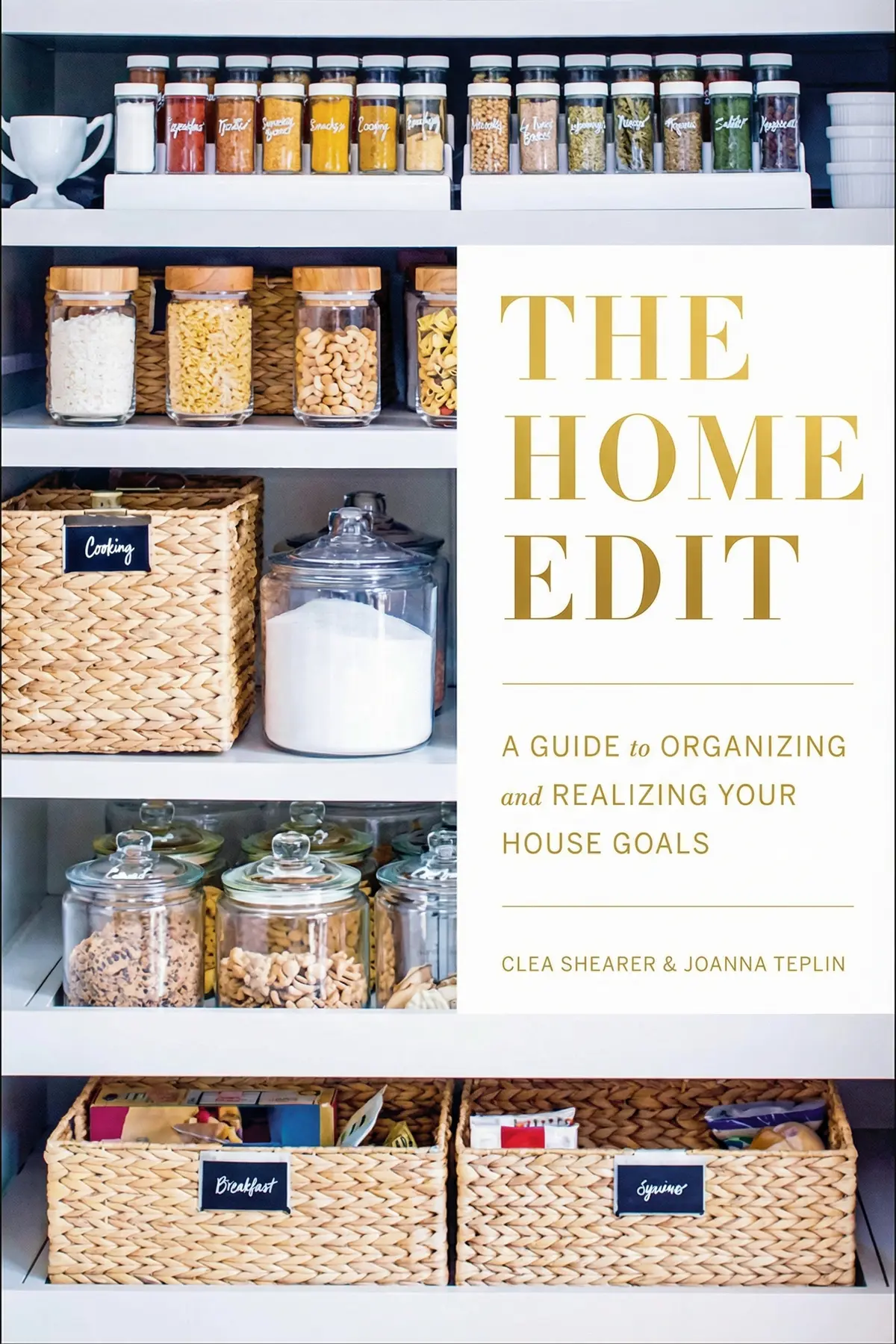
A step-by-step method for organizing any space in your home, from one drawer to the fridge, and for keeping it that way with labels, spare room and help from the household.
53 sec
If your home feels like a pile of jobs you never get to, Clea Shearer and Joanna Teplin offer a different starting point: the state of a room shapes how you sleep, work and feel, and fixing it can begin with a single drawer. In The Home Edit, the two founders of a home-organizing business lay out one routine that works for any space, from the fridge to the closet.
Empty it, sort it, cut it down, give each group a labeled container, then protect the result with help from everyone who lives there. Their claim is that order built this way is easier to create than people expect, and that it pays back in time, money and calm.
Follow the method and you will know exactly what to do first on a Saturday morning, how to build a system your children can use, and how to keep it from falling apart a month later.
1 min 42 sec
Organizing looks like a chore that ends with a neat shelf. The authors see returns that reach much further, into grief, family arguments, the household budget and how grounded you feel walking through your own front door.
1 min 42 sec
Facing a whole house, most people lose interest before the first box is opened. The fix begins somewhere almost embarrassingly small, followed by one step that feels like making a bigger mess.
1 min 37 sec
The moment of deciding what goes is where most people stall. A little planning makes letting go far easier, and it changes when, and what, you should buy to hold the things you keep.
1 min 52 sec
A tidy shelf that only one person understands rarely stays tidy. The authors show how a few containers, a color trick children enjoy and one small habit can make a fridge or a closet run itself.
1 min 36 sec
Freshly organized rooms have a way of unraveling within weeks. The authors name the real threat to a new system, and it is not the mess your children make on a busy afternoon.
1 min 53 sec
Small homes often feel full long before they really are. A washing machine, the back of a door and an empty guest room all hide space, and a few simple shelf rules make the house safer for children.
1 min 06 sec
Shearer and Teplin’s real argument is that a calm home comes from sequence. Every space, from a cutlery drawer to a family fridge, yields to the same moves done in the same order, and each finished space makes the next one easier. Labels and spare room in each container turn a private effort into a shared system that partners, children and guests can keep running without you.
The place to begin is deliberately small. Pick one drawer, empty it fully, sort what comes out into broad groups and let go of what you never use. Give what remains a container with a little breathing room and a label anyone can read. Then guard it: when something new arrives, let something old leave, and ask the people you live with to help.
The tissues you no longer buy twice and the toys that find their own way back to the shelf are the early signs it is working. Order, in this book, is a habit of the whole house. It starts with one drawer you opened once and never had to fight again.
Most people like the idea of an organized home and dread the work of getting there. Clea Shearer and Joanna Teplin, founders of a home-organizing business, argue that the work can be easier than it looks, and even fun, if you follow the same routine in every space. Their method starts with the smallest area you can finish in one go. Empty it completely, sort what comes out into groups, let go of what you never use, and only then buy matching containers that fit. Each group goes into its own labeled organizer with a little room to spare, so a partner, child or guest can find things and put them back without asking. The authors also show how to stop the system from slowly collapsing, through daily attention, family help and a one-in-one-out rule for new purchases. They add practical touches for hidden storage, safer shelves and a more pleasant home, and they tie it all to real returns: less time searching, less money spent on duplicates and a calmer place to live.
Busy parents tired of searching for keys, toys and school papers every morning.
People in small apartments or crowded houses who feel they have run out of storage.
Anyone who has organized a room before and watched it fall back into mess within weeks.
Clea Shearer and Joanna Teplin are American entrepreneurs who co-founded The Home Edit, a company that organizes homes. Together they co-host the Netflix series Get Organized with The Home Edit and have co-written two New York Times bestsellers, The Home Edit and The Home Edit Life. Shearer, raised in Los Angeles, studied at the Parsons School of Design in New York City and also co-hosts the ABC revival of Extreme Makeover: Home Edition.
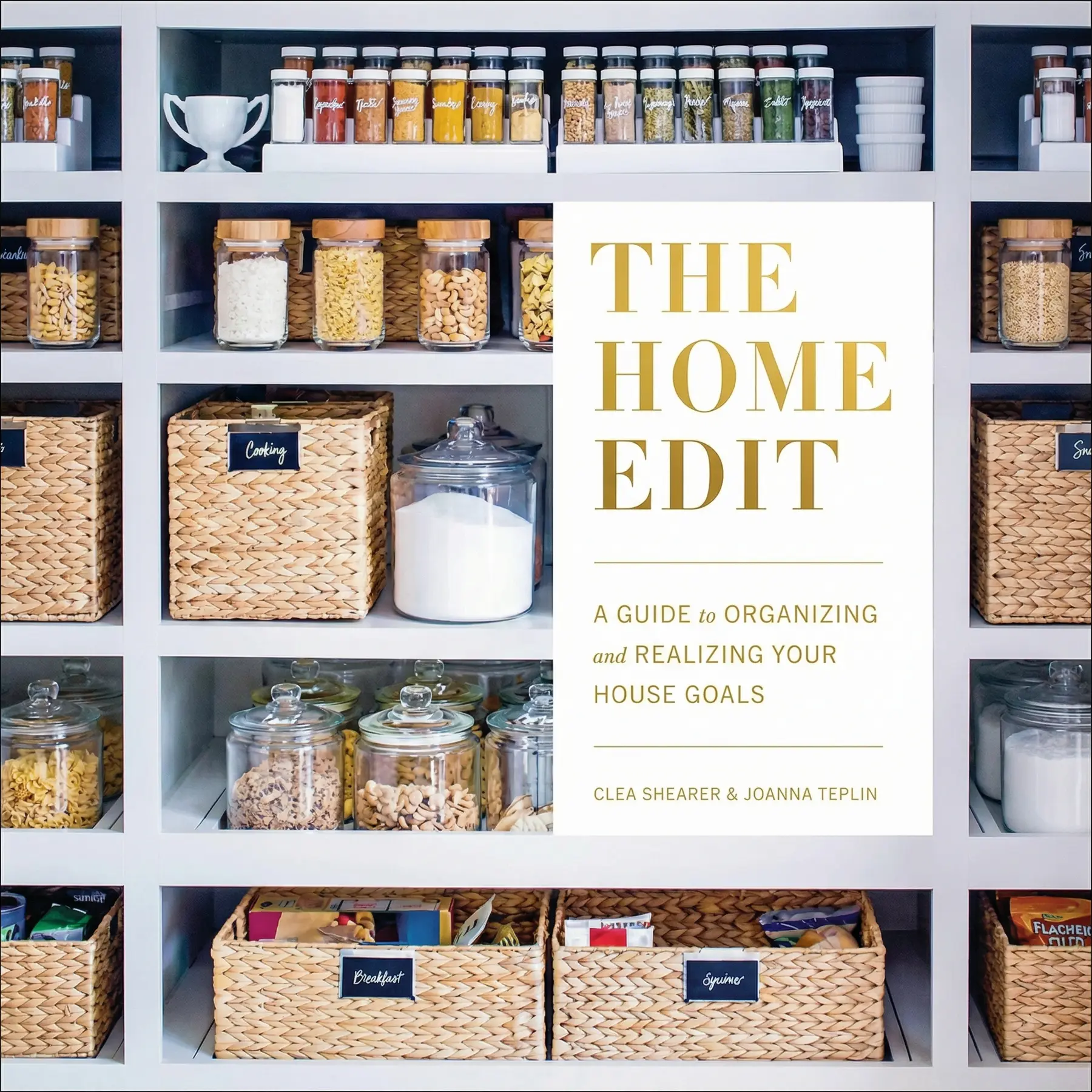
Listeners find this title to be an ideal manual for streamlining organization, offering practical advice for everyday individuals and showcasing beautiful photos of tidy spaces. Furthermore, the work is an enjoyable read, as one listener points out that the authors make the content truly engaging. Also, listeners value the brilliant suggestions, such as the labels provided at the end, and describe the book as motivating; one listener shared that it specifically encouraged them to overhaul their bathroom and closet.
After hearing so much buzz about the Netflix series, I finally bit the bullet and bought this guide to see if the hype was actually worth it. I am happy to report that Clea and Joanna have created something truly special here. The book is way more than just a collection of pretty pictures; it’s a total mindset shift for anyone feeling buried by their own belongings. I spent the last three days redoing my master closet using their rainbow method, and the sense of peace I feel every morning now is priceless. The included labels in the back are such a thoughtful touch and saved me a trip to the store. Some might call it "extra," but for me, having a system that actually looks beautiful makes me want to maintain it. It's funny, inspiring, and surprisingly easy to follow once you get the hang of their core steps. If you want a home that feels like a sanctuary, start here.
Show moreEver wonder why your pantry never looks like the ones on Instagram? This book finally explains the "why" behind those perfectly curated spaces. Personally, I found the "maintain" chapter to be the most valuable part of the whole experience. Most organizing books tell you how to clean up, but they don't tell you how to keep it that way for more than a week! Clea and Joanna’s system of labeling everything—even the vegetable bins in the fridge—might seem obsessive to some, but it actually creates a "road map" for the rest of my family to follow. My husband no longer has an excuse for putting things in the wrong spot! The book itself is beautiful, with thick pages and vibrant colors that make the whole process feel like a fun project rather than a chore. I’ve already used the stickers in the back to redo my entire bathroom cabinet.
Show moreAs someone who struggles with clutter, I found Clea and Joanna’s approach to be a breath of fresh air compared to more rigid methods. They don't demand that you get rid of everything you love; they just want you to give your items a proper home. The "categorize" phase was a huge eye-opener for me, especially when it came to my overflowing craft room. I spent a whole Saturday grouping things by type and suddenly, I could actually see what I owned! I'll admit I skipped the parts about decanting my pasta into glass jars because that just seems like too much work for a Tuesday night. But the overall philosophy is very encouraging and the writing is lighthearted and funny. It’s the kind of book that makes you want to get up and start labeling things immediately.
Show moreWow, I didn't expect a book about decluttering to be such a page-turner! The overall layout and photography are absolutely spectacular. It's filled with what I like to call "organization porn"—those perfectly straight lines and color-coordinated shelves that just make your brain feel calm. While it might be a bit aspirational for someone living in a tiny apartment with limited storage, the basic principles of "Edit, Categorize, Contain, Maintain" are solid. I found the section on kids' spaces particularly helpful, even if I don't agree with every single one of their parenting tips. It’s a great resource for anyone who wants to simplify their life without sacrificing style. Plus, the whole experience is just incredibly fun! The authors don’t take themselves too seriously, which makes the daunting task of cleaning feel much more manageable.
Show morePicked this up during a weekend cleaning frenzy and found it surprisingly delightful. I’ve read a lot of minimalism books that feel very strict and cold, but Clea and Joanna have a cheeky, irreverent style that actually made me laugh out loud a few times. Their four-step method—edit, categorize, contain, and maintain—is straightforward enough for even the most disorganized person to grasp. I will admit that some of the suggestions, like decanting literally everything into glass jars, feel a bit impractical for my daily life with toddlers. However, the sheer visual inspiration provided by the glossy photos gave me the kick I needed to finally tackle the mountain of chaos in my pantry. The layouts are gorgeous and the printing quality is top-notch. It’s not a deep philosophical dive into why we own things, but it’s a fun, energetic guide to making your space look professional.
Show moreLook, the photography here is absolutely stunning, making it the perfect coffee table book for anyone who loves a good rainbow aesthetic. I sat down with it hoping to gain some deep organizational wisdom, but the truth is, most of the "advice" is stuff you’ve already seen on Pinterest. They focus heavily on the "contain" part of the process, which usually involves buying dozens of plastic bins. While it looks incredible in a Gwyneth Paltrow-style playroom, I’m not sure how it translates to a real-world pantry where boxes of cereal change size every week. I did appreciate the section on the "Edit," as it forced me to be honest about what I actually use. Still, the constant references to their famous clients got a bit exhausting after a while. It’s a fun read and very soothing to flip through, but don't expect it to solve a chronic hoarding habit.
Show moreFinally got around to reading this and I’ve already color-coded my entire closet! I'm not gonna lie, I was skeptical of the whole rainbow thing at first, but it actually makes finding my clothes so much faster. The authors have this fun, "relatable mommy" energy that makes you feel like you're just chatting with friends over a glass of wine. I especially liked the specific ideas for awkward spaces like under-the-sink cabinets and laundry rooms. While some of the celebrity name-dropping felt a bit unnecessary, the actual results they achieve are undeniable. This book helped me realize that organization doesn't have to be a boring, hidden task—it can actually be a part of your home's decor. It’s a great gift for anyone moving into a new place or just looking to simplify their daily routine.
Show moreThe truth is, I enjoyed the banter between the authors more than the actual organizing tips. Their friendship and shared passion for neatness really shine through the text, making it a very quick and entertaining read. However, as an information source, it's a bit of a mixed bag. The "how-to" sections are quite brief, and they often assume you're starting with a blank slate rather than a cluttered, lived-in house. I would have loved to see more before-and-after photos of regular people's homes, rather than just pristine celebrity pantries. It feels very much like a companion piece to their Netflix show, so if you've seen that, you probably won't find much new information here. That said, it’s still a very pretty book to have on your shelf, and the included labels are high quality.
Show moreTo be fair, the "rainbow" method looks incredible in pictures, but trying to implement it in a house with three kids and a messy spouse was a total disaster. The book is very bougie and assumes you have a massive amount of square footage to dedicate to "zones" for things like gift-wrapping supplies or dog treats. I was frustrated by how much plastic the authors suggest we use; it feels very out of touch with current environmental concerns. Also, the suggestion to purge your children’s toys when they aren't looking? That just seems like a recipe for a tantrum and a lack of trust. The writing is entertaining enough, but it felt more like a promotional brochure for their business than a helpful guide for the general public. If you live in a mansion and have a personal assistant, this is for you. Otherwise, it's just expensive eye candy.
Show moreThis book is essentially just a catalog for clear plastic bins and expensive acrylic containers that most of us simply cannot afford. I was looking for actual strategies to declutter a lived-in home, but what I found instead was a lot of celebrity name-dropping and unrealistic "after" photos that look like staged museum exhibits. The authors constantly encourage you to buy more stuff to hold your stuff, which feels completely backward if you’re trying to be eco-conscious. Where is the advice for those of us with mismatched dishes or small closets from the 1920s? It seems they only cater to elite clients with pristine white walls and massive budgets. I found the tone a bit too "influencer-chic" for my taste, and the lack of before-and-after miracles was disappointing. It’s a lovely coffee table book for those who want to look at pretty jars of pasta, but as a "how-to" manual, it’s remarkably thin on substance.
Show moreClea Shearer and Joanna Teplin argue that any space can be organized with the same routine: start small, take everything out, group similar items, discard what you don’t use, then put each group into a labeled container that fits the space. They say this makes organizing easier and more enjoyable, and that an orderly home saves time and money and lowers stress.
Start with a space you can finish in one session, such as a single drawer or the cabinet under the sink. Finishing a small area keeps you motivated, and you can do the pantry another day. Only after several small wins do the authors suggest tackling bigger projects like a wardrobe or closet.
The authors see labels as the key to keeping a home organized over the long run. When every container is named, partners, children and guests can find what they need and put it back without asking you. That turns one person’s effort into a system the whole household can follow and maintain.
The authors recommend steady attention, fixing small problems as they appear, and asking your partner and children to help. They also suggest leaving spare room in every organized space for future purchases and following a one-in-one-out rule, so that something new comes into the house only after something you already own leaves.
Richard Wiseman





William B. Irvine


Andrew D. Thompson


Deepak Chopra
AUDIO SUMMARY AVAILABLE
Get the key ideas from The Home Edit by Clea Shearer, plus 5,000+ more nonfiction titles.









