

12 min 54 sec
Available in: English
The Fifth Trimester: The Working Mom’s Guide To Style, Sanity, and Big Success After Baby
A practical plan for mothers going back to work after a baby: how to ease in without quitting, share care with a partner, choose day care, manage pumping and handle wary colleagues.
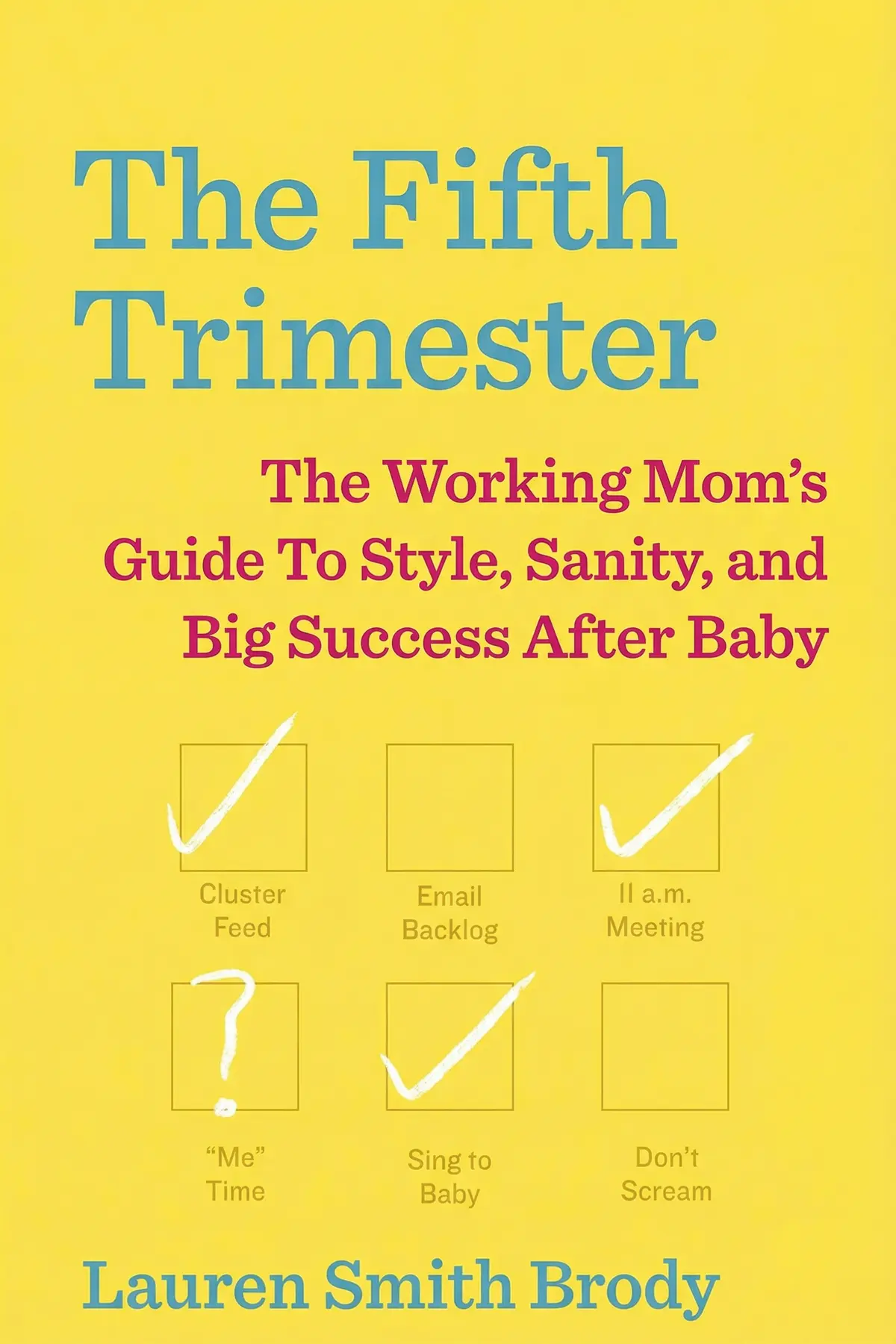
Table of Content
1. Introduction
1 min 00 sec
Going back to work after a baby can feel like starting two demanding jobs at once, with no training for either. In The Fifth Trimester, Lauren Smith Brody, a former executive editor of Glamour, points to a finding that tells you where to aim your energy. Whether a new mother goes back to her old job depends less on her field, her seniority or her husband’s income than on how rewarding she finds the work itself.
Brody treats the return as a stage of its own, a fifth trimester you can prepare for. Her argument is that this stage goes well when you build the practical systems early and stop trying to carry every piece alone. That means a partner trusted with real responsibility, a caregiver chosen by clear standards, colleagues treated with honesty, and some daily care for yourself. Along the way you get a short test for judging a day care, a pumping kit that survives forgotten bags, words for wary coworkers and a makeup routine that takes one minute.
2. Ease back in and remember why you work
1 min 48 sec
The urge to resign can creep in, and regrets about coming back make it stronger. One factor predicts whether a new mother stays, and it is not her rank, her field or her partner’s salary.
3. Hand your partner real responsibility from day one
1 min 51 sec
Nearly half of new mothers expected their partner to need weeks before coping with the baby. Brody’s survey shows how wrong that guess usually is, and what the doubt is really about.
4. Choose day care by three clear standards
1 min 51 sec
Leaving a baby with strangers is frightening, and a pleasant tour proves little. A child health institute’s research summary offers three markers worth checking, and one uncomfortable feeling turns out to be perfectly normal.
5. A pumping setup that survives a busy workday
1 min 42 sec
Most working mothers go back while still breastfeeding, and small slips cause most of the stress. A few purchases, the right shirt and a freezer rule can prevent the worst mornings.
6. Feel like yourself again in the mirror
1 min 52 sec
Brody was managing work, the nanny and the pump just fine. Then she looked in the mirror. Her fix took less time than most people expect, and it touches on mental health, not just looks.
7. Win over colleagues who resent working parents
1 min 42 sec
Almost a third of working mothers admit they once resented coworkers coming back from maternity leave. Knowing why that resentment forms shows you how to earn goodwill instead, and which one habit guarantees the opposite.
8. Conclusion
1 min 08 sec
Brody’s book sounds like advice from a colleague who went through it last year. Its larger lesson is that feeling overwhelmed when you go back is normal, and that much of the strain comes from trying to hold everything at once. The mothers in her surveys underestimated their partners. In Brody’s poll, 30 percent of working mothers admitted they had resented returning coworkers before having a child themselves. In both cases, trust and honesty eased the pressure that extra effort could not.
So the preparation starts before the leave ends. Write down why you chose your job and ask your manager for a phased return, so the first weeks feel like a ramp rather than a wall. Take a class such as baby CPR with your partner, and treat your return to work as an emergency in which you can’t control everything. Put a second pump at the office and two days of milk in the freezer, so one forgotten bag does not wreck a morning. And when you ask a colleague for a favor, offer one back in the same breath.
The fifth trimester ends the day you stop proving you can do it all and start building a life where you do not have to.
About this book
What is this book about?
The end of maternity leave can feel like the start of two demanding jobs at once. There is a baby to feed and hand over to someone else, a body that does not feel like your own yet, and a workplace where some colleagues may quietly resent your new schedule. Many new mothers start wondering if they should quit altogether. Lauren Smith Brody, a former executive editor of Glamour, treats this stretch as a fifth trimester, a stage worth preparing for. Drawing on her own return, her polls of working mothers and advice from experts such as psychotherapist Nitzia Logothetis and marriage researcher Carolyn Pirak, she argues that the strain eases when you build systems early and let other people carry part of the load. Readers get concrete tools: why a phased return lowers the chance of quitting, three standards for judging a day care, a pumping setup built around two pumps and a two-day frozen supply, ways to rebuild confidence in front of the mirror, and how to earn goodwill from coworkers instead of resentment.
Book Information
Who it's for
Moms ending maternity leave
Mothers in the last weeks of maternity leave who dread going back to work.
Parents rethinking jobs, childcare
New parents wondering whether to quit, and how to share childcare fairly at home.
Leaders welcoming back parents
Managers and team leads who want to welcome returning parents without resentment on the team.
About the Author
Lauren Smith Brody
Lauren Smith Brody spent many years working in women's magazines and became executive editor of Glamour, where she led the editorial staff and produced the magazine's annual Women of the Year awards. She grew up in Ohio, Texas and Georgia. She went on to found the Fifth Trimester movement, which connects parents and employers to build workplaces that work for families.
Ratings & Reviews
Ratings at a glance
What people think
Listeners view this as an excellent guide for professional mothers, noting its helpful suggestions and polished writing. Acting as a tireless advocate for better family leave policies, the book resonates with listeners through its authenticity and humor, with one listener mentioning how it holds their attention. They also appreciate its tempo; one listener shared that it assisted them during tough periods, while another values how it tackles the emotional challenges of re-entering the workforce.
Top reviews
Kob
Every working mother needs a copy of this on her nightstand during maternity leave. I was spiraling about how to balance 'Mom-Me' with 'Professional-Me,' and this gave me the pep talk I desperately needed. The 'sub-sixty-second' plan for chaotic mornings saved my sanity during my first week back in the corporate grind. It’s funny, relatable, and doesn’t sugarcoat how messy the transition actually is. I love how the author advocates for better family leave policies while giving us practical hacks to survive our current reality. If you feel alone in your return-to-work anxiety, just read this and breathe. It’s the ultimate survival guide.
Show moreDaranee
As someone who recently transitioned back to a junior leadership role, this book spoke directly to my ambitions. I appreciated that Brody doesn't suggest we should lean back; instead, she shows us how to lean in without burning out. Her focus on mentoring and modeling balance for the next generation of women is something I’ve started implementing immediately. The anecdotes from other high-achieving women were both grounding and inspiring for my own career path. It’s not just about surviving the first few months; it’s about reimagining your professional identity as a parent. This is a must-read for any woman aiming for the C-suite while raising a family.
Show moreWichai
Let's be real: going back to work after having a baby is an absolute emotional rollercoaster. This book served as the perfect pep talk when I felt like I was failing at everything. It’s relatable, funny, and provides a much-needed sense of community for women who feel like they’re drowning in laundry and deadlines. The focus on the mental aspects of the transition, rather than just the logistics, is what sets this apart from other parenting books. I'm so thankful that Lauren Smith Brody is talking about this often-ignored phase of motherhood. If you need a reminder that you're doing a great job, buy this book immediately.
Show moreBrooklyn
The chapter on the 'generous minimum' completely changed how I approach my morning routine and my housework. I realized I was holding myself to an impossible standard that no man in my office would ever attempt to meet. Brody encourages us to be 'messy mavericks' rather than buttoned-up perfectionists, which has been incredibly liberating for my mental health. Not gonna lie, I skipped the parts about smoky eyes, but the sections on child care and workplace relationships were spot on. It’s a tireless advocate for better policies and a gentler approach to ourselves during a vulnerable time. Truly a great read for any new working mom.
Show moreAstrid
Finally got around to reading this while pumping at 3 AM. It’s a lifesaver for anyone dreading that first day back in the office. Brody writes like a supportive friend who has seen it all, and her 'Work Wife Wendy' concept really hit home for me. While some parts feel a bit tailored to high-power executive roles, the advice on setting boundaries is universal. I appreciated the emphasis on finding supportive relationships in the workplace rather than just surviving the commute. To be fair, not every tip works for my specific industry, but the mindset shift is invaluable. It’s less about being a perfect mom and more about being a functional human being again.
Show moreUraiwan
Why didn’t anyone tell me that the fifth trimester was the hardest part of the entire journey? Brody’s humor is a breath of fresh air, especially when she’s discussing the 'generous minimum' we should expect from ourselves. I stopped trying to be the perfect employee and the perfect mom simultaneously after finishing this book. The pacing is quick, making it easy to digest in those tiny pockets of free time between feedings. It’s a tireless advocate for mothers, pushing us to ask for what we actually need at work. I did find some of the makeup advice a bit dated, but the emotional support is timeless.
Show morePaiboon
Brody's writing style is like sitting down for coffee with a mentor who actually gives you the real talk you need. I was particularly impressed by the final chapters regarding crucial conversations and how to leverage your value during a return-to-work negotiation. It’s practical, actionable, and doesn't rely on fluff to fill the pages. Even if you don't agree with every single tip, the framework for returning to work with your dignity intact is excellent. To be fair, the book is definitely geared toward corporate environments, so your mileage may vary if you're in a different field. Still, the advice on self-care and professional boundaries is top-notch.
Show moreBam
Picked this up on a recommendation after my second baby was born last fall. While it contains some fantastic nuggets of wisdom, it definitely shows its age in a post-pandemic world where hybrid work is the norm. The chapters on professional attire and 'easy' makeup felt a little out of sync with my current Zoom-heavy schedule. However, I can't deny that the sections on negotiating with bosses and having crucial conversations are still incredibly relevant. It’s a solid 3-star read because while the heart is there, some of the logistical advice needs a serious update. It's helpful if you’re in a traditional office, but less so for the remote crowd.
Show moreWeera
I really wanted to love this, but I felt like it was trying to help me fight nature rather than embrace it. Parenthood changes your brain and your priorities, yet this book seems intent on helping you distance yourself from your baby to feel better about working. The advice on leaving bottles for partners to 'connect' felt like it undermined my breastfeeding goals and supply. I’m a stubborn overachiever with an expensive degree, but I’ve found that a smile from my baby is worth more than any corporate accolade. There is value here if you want to stay in the rat race, but it misses the mark on the biological transition.
Show moreLena
The truth is, I found this book incredibly frustrating from a data perspective. As a researcher, the lack of a clear methodology section for the surveys mentioned throughout the text made the advice feel anecdotal at best. Brody’s writing is punchy, but it often ignores the reality of women who aren't in senior management or executive positions. It felt like I was reading a guide specifically designed for a very narrow, wealthy demographic. Also, the advice regarding breastfeeding and pumping was quite discouraging for anyone committed to attachment parenting or long-term nursing. Frankly, I expected more rigorous analysis and a broader scope of testimonials.
Show moreQuestions about this book
What is The Fifth Trimester about?
Lauren Smith Brody treats the return to work after maternity leave as its own stage, a fifth trimester you can prepare for. She covers easing back in without quitting, trusting a partner with childcare, choosing day care, planning a pumping routine, rebuilding confidence after birth and handling colleagues who may resent new parents. Her core point is that the return goes better when you build systems early and stop carrying everything alone.
How can I avoid quitting my job after maternity leave?
Brody reports that the strongest predictor of a mother going back to her job is how rewarding she finds it. She suggests recalling why you chose the work, whether the tasks, the people or the confidence it gave you. She also recommends returning part-time and building up over several weeks, since shorter leaves were linked to more daily reentry regrets, and more regrets to quitting.
What should I look for in a day care for my baby?
Brody takes her three markers from an NICHD source. For babies aged six to 18 months, each adult should care for no more than three children, in groups of six at most. Staff should hold a certificate or university degree in child development or a related field. And caregivers should be cheerful, sing and read with children, and praise good behavior. A steady caregiver also helps children feel secure.
How do I manage pumping breast milk at work?
Brody recommends two pumps, one kept at work and one at home, plus ice packs and spare storage bags. Wear button-down shirts or wrap dresses, and avoid back zips and silk. Keep two days of milk frozen so a caregiver’s mistake never leaves the baby short, and introduce the bottle before your first day back. In her poll, the average mother pumped comfortably for the first eleven months.
How should a new mom handle resentful coworkers?
In Brody’s poll, 30 percent of working mothers admitted resenting colleagues who came back after a baby, before they had children themselves. She advises offering to repay any favors, being open about time off and reminding colleagues they will get the same flexibility for a sick relative. Avoid acting as if parenting outranks every other job, and share the hard parts of new parenthood along with the cute photos.
Readers also enjoyed


60 Seconds & You’re Hired!
Robin Ryan




Be A Free Range Human: Escape the 9 to 5, Create a Life You Love,
Marianne Cantwell
AUDIO SUMMARY AVAILABLE
Listen to The Fifth Trimester in 15 minutes
Get the key ideas from The Fifth Trimester by Lauren Smith Brody, plus 5,000+ more nonfiction titles.
- 5,000+ titles
- Listen as much as you want
- 7-day free trial
- Cancel anytime









