
14 min 46 sec
Available in: English
 ไทย
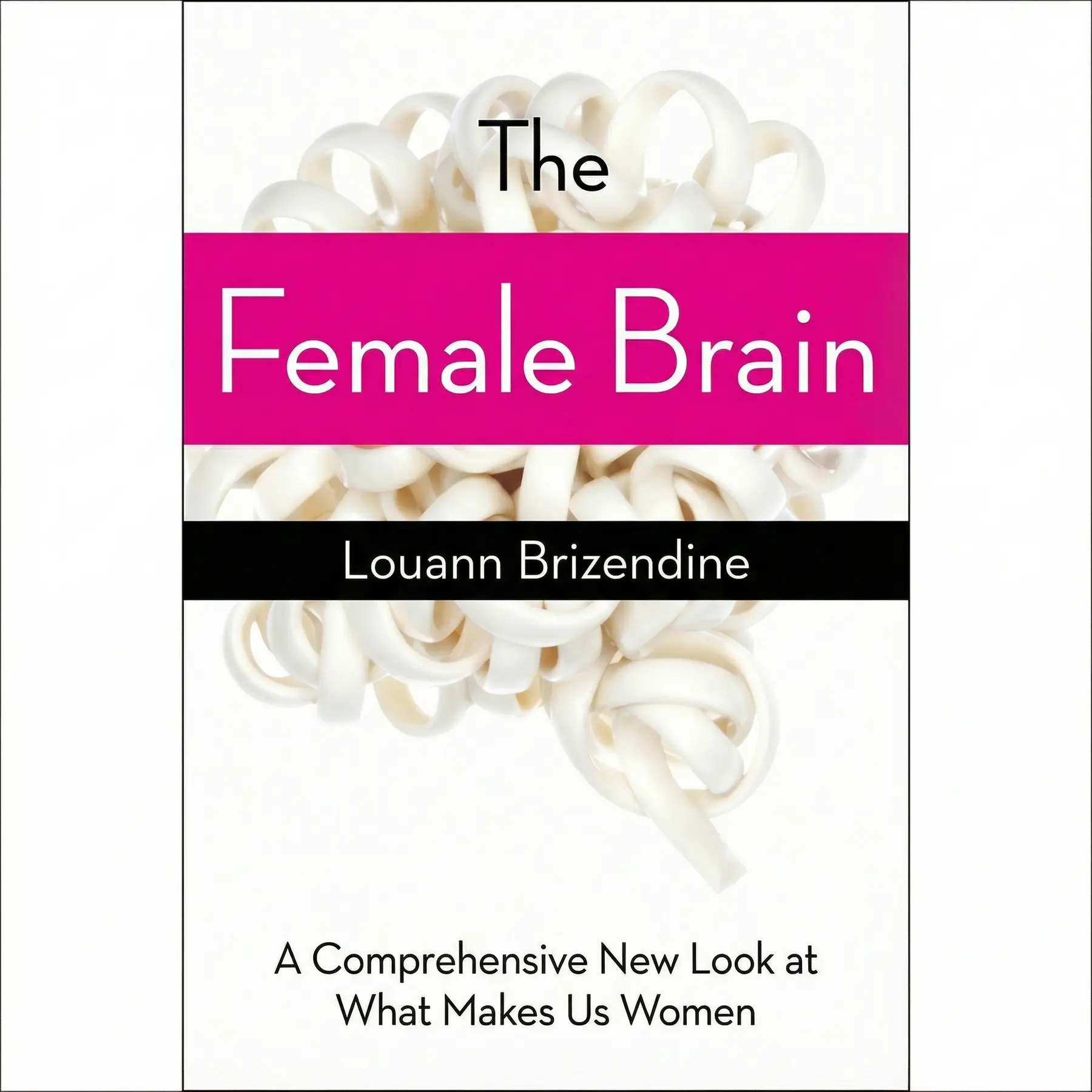
EnglishไทยThe Female Brain: A Comprehensive New Look at What Makes Us Women
Neuropsychiatrist Louann Brizendine traces how estrogen, progesterone and oxytocin rebuild the female brain from the womb to menopause, and why moods, cravings and turning points that feel personal are often biology a woman can learn to read.
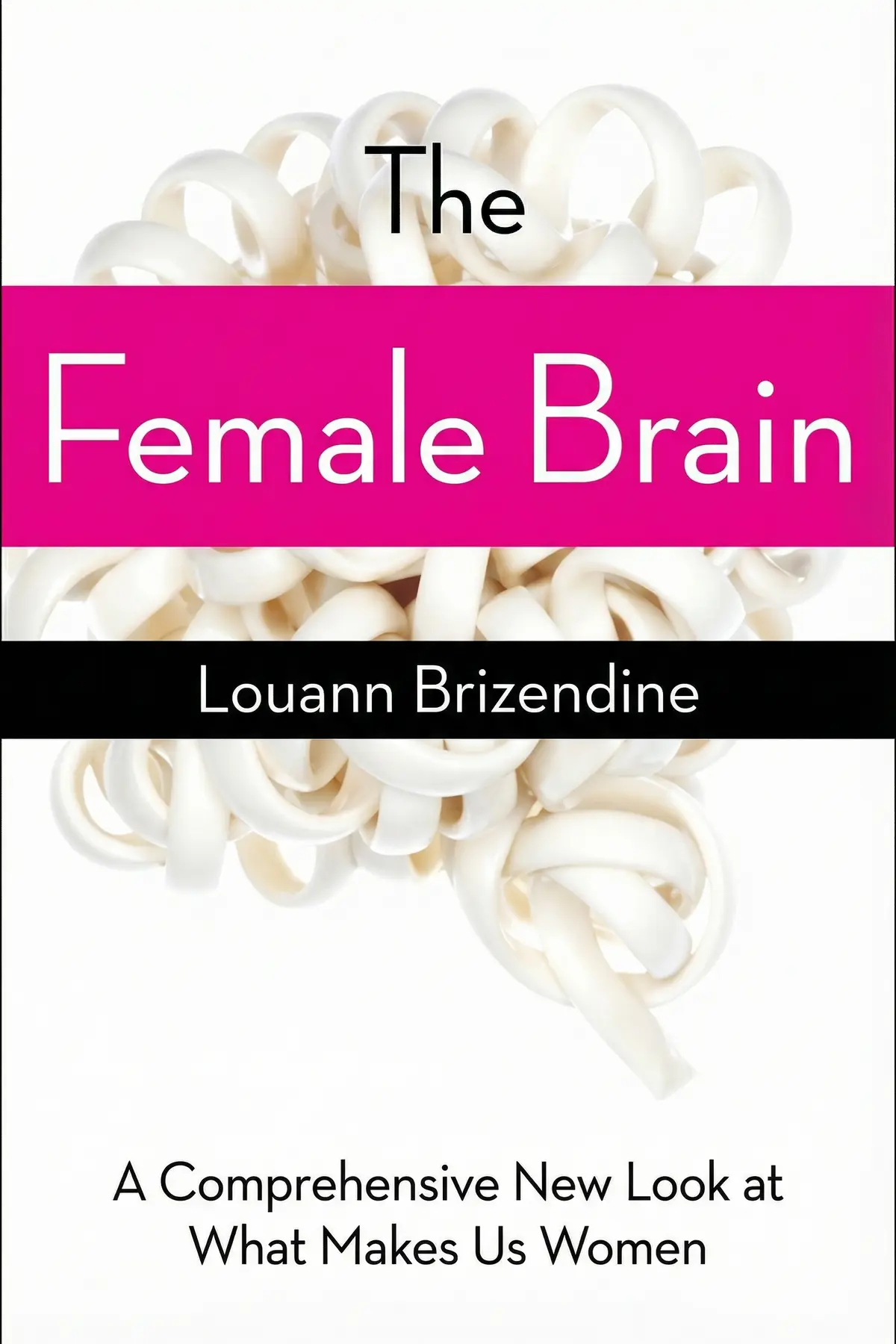
Table of Content
1. Introduction
1 min 03 sec
Many women spend years blaming themselves for moods, cravings and sudden changes of heart that, according to neuropsychiatrist Louann Brizendine, are written in brain chemistry. In The Female Brain, she argues that estrogen, progesterone and their partner hormones rebuild the female brain at every stage of life, from the womb to old age. Brizendine trained in neuroscience in the 1970s and 80s, when research treated the male brain as the default, partly because women’s cycles were thought too complicated to study. She founded a clinic to close that gap, and the book grew out of her years of practice there.
Her central claim is simple: much of what feels like a personal failing, from teenage meltdowns to a sudden urge at fifty to rebuild everything, is hormones acting on a brain built to respond to them. Know which stage is doing the talking, and confusion turns into something a woman, and the people around her, can understand and plan for.
2. A girl's love of talk starts in her first year
2 min 04 sec
Long before she has a single word, a baby girl may spend months staring at faces and demanding to be heard. Brizendine traces that habit back to a chemical event that happens before birth.
3. Read a teenager's mood swings as chemistry
2 min 06 sec
Confident one week, furious and withdrawn the next, and in tears over an unanswered message. Brizendine argues the pattern follows a calendar, and that the pain behind it is closer to withdrawal than to drama.
4. Understand why partners seem like different planets
2 min 10 sec
One partner wants to talk it through, the other wants to escape into action. Brizendine believes the standoff starts in adolescence, and she shows why the pull of a bad romance can be so hard to break.
5. Keep a long hug from deciding whom you trust
2 min 04 sec
A twenty-second embrace can tilt your judgment of another person, and an experiment with investors shows how far. The same chemistry explains why a happy relationship can start to feel flat after a couple of years.
6. What pregnancy and birth do to a mother's mind
2 min 00 sec
A pregnant woman’s body grows while her brain gets smaller, and then a single hormone rewires it within hours of birth. Brizendine explains the fog, the euphoria and the fierce protectiveness that follow.
7. A calmer, bolder mind after menopause
2 min 02 sec
The perimenopausal woman who wakes up one day and decides to change everything is a familiar figure. Brizendine explains what has shifted in her brain, and why the years that follow can bring unusual focus.
8. Conclusion
1 min 17 sec
Brizendine’s book works like a map of a life drawn in chemistry. At each turn, from the estrogen bath that primes a baby girl to speak to the steady quiet after menopause, hormones reshape the female brain, and the brain reshapes how she talks, loves, worries and decides. Her larger claim is that these changes, which often feel private and even shameful, are grounded in biology, and that seeing them clearly gives women more control over them.
That knowledge is practical. Track your mood across a whole month before deciding something is wrong with you or with your teenager. Treat a long hug or a dizzy early romance as a chemical signal of trust, and check the facts before acting on it. When a relationship of a few years starts to irritate, remember that the pleasure centers have stopped covering for critical thinking, and that a steady glow is what lasting love feels like. If desire falls after menopause, take it to a doctor rather than read it as proof that love has gone.
The book began with a scientist who found the female brain missing from research. What it leaves behind is a way for a woman to read her own changes, and for the people around her to read them too.
About this book
What is this book about?
For decades, brain research treated the male brain as the standard. Women were left out because their monthly cycles were thought to make them too complicated to study. Louann Brizendine, a neuropsychiatrist, set out to fill that gap, and The Female Brain is the result of her years of clinical work. Her argument is that hormones shape the female brain at every stage of life. Estrogen readies a baby girl to talk and read faces. Monthly cycles of estrogen and progesterone drive the highs and lows of puberty. Dopamine and oxytocin make dating feel like a drug and turn a hug into a reason to trust. Pregnancy and birth rewire a mother's brain within hours, and menopause brings a calm, steady focus after decades of surges. Readers get a stage-by-stage map of a woman's life told through brain chemistry. It explains teenage meltdowns, why long relationships start to grate, mama-bear protectiveness and midlife bluntness. Brizendine's promise is that understanding this biology lets women, and the people close to them, respond with less blame and more control.
Book Information
Who it's for
Women curious about themselves
Women who want to understand the moods, cravings and turning points of their own lives.
Parents and puzzled partners
Parents of daughters facing puberty, and partners puzzled by a loved one's changes.
Nearing pregnancy or menopause
Women approaching pregnancy or menopause who want to know what their brain is going through.
About the Author
Louann Brizendine
Louann Brizendine is an American neuropsychiatrist who works as both a researcher and a clinician. She studied neurobiology at UC Berkeley, went on to Yale School of Medicine and completed her internship and residency at Harvard Medical School. She has taught at Harvard and is a professor at the University of California, San Francisco, where she founded the Women's Mood and Hormone Clinic in 1994. She later wrote The Male Brain and The Upgrade, and her work inspired a 2017 film.
Ratings & Reviews
Ratings at a glance
What people think
Listeners find this work enlightening and useful for grasping the immense complexity of the female brain. They also view it as an essential read for everyone, praising its accessible style and entertainment factor. The book is lauded for its informative content, particularly for gaining insight into women and girls, and its scholarly foundation, with one listener remarking that it's anchored in good science. Additionally, listeners value its exploration of cognitive development over time and its emotional resonance, with one listener highlighting its compassionate approach to emotional issues.
Top reviews
Sebastian
Ever wonder why girls and boys behave so differently even when raised with the same toys and expectations? Dr. Brizendine dives deep into the neurological machinery that drives female behavior from infancy through menopause. Personally, I found the breakdown of how estrogen and oxytocin influence our social connections to be incredibly eye-opening. While some critics argue it’s oversimplified, I think the readability makes these complex concepts accessible for everyone. It’s not just a textbook; it’s a compassionate look at the biological rhythms that shape a woman’s reality. If you want to understand the 'how' behind female emotional depth, this is an essential starting point.
Show moreLuckana
Finally, a book that treats the female experience with the biological respect it deserves! I’ve been looking for something that explains why I feel the way I do during different cycles of my life, and this delivered. The chapter on the 'mature brain' was especially enlightening, offering a sense of peace about the changes that come with age. Brizendine’s writing is engaging and anchored in a way that makes you feel seen and understood. Truth is, we often ignore how much our hormones dictate our reality. This should be mandatory reading for both men and women to foster better empathy and communication.
Show moreUdom
Wow, what an eye-opener for anyone trying to navigate the complexities of human relationships. This book manages to be both highly educational and deeply entertaining at the same time. I loved the focus on how the brain changes during puberty—it explained so much about my own past behavior! Brizendine’s compassionate approach to emotional issues makes the science feel personal and relevant. Gotta say, I feel much more equipped to handle the hormonal rollercoasters of life now. It’s a brilliant look at the hidden architecture of our minds. Everyone should have a copy of this on their shelf!
Show moreYindee
As a therapist, I appreciated how this book bridges the gap between clinical research and everyday human experiences. The author uses various case studies from her private practice to illustrate how hormonal shifts dictate our moods and choices. Look, it’s definitely pop science, so don't expect a dense academic journal, but the insights into brain development are solid. I particularly liked the sections on the 'mommy brain' and how neurochemistry changes during pregnancy to prioritize the infant. Some of the evolutionary psychology bits about 'Stone Age' preferences felt a bit dated, yet they offer a unique perspective on modern dating dynamics.
Show moreIff
Picked this up after a friend recommended it for better understanding my teenage daughter’s mood swings. It’s a fascinating, if sometimes generalized, look at how the female brain matures over time. The way Brizendine explains the impact of progesterone and testosterone on female social cues was genuinely helpful for our household. Is it 100% hard science? Probably not, as she leans on a lot of private practice stories to make her points. However, the entertainment value is high, and the compassionate tone makes it feel like you're talking to a knowledgeable mentor rather than a cold researcher. Definitely worth a read for any parent.
Show morePaiboon
After hearing so much buzz—both good and bad—I decided to see for myself what the fuss was about. The Female Brain is an incredibly readable journey through the female lifespan. I appreciated the scientific approach to explaining why girls tend to be more verbally communicative and socially attuned from a young age. While I agree with some reviewers that the 'man's brain' is occasionally painted with a very broad brush, the focus here is clearly on the female side. It’s a must-read if you want a basic framework for how neurochemistry interacts with our environment. It helped me understand my mother much better.
Show moreSomsak
In my experience, books about the brain are usually either too dry or too fluffy, but this one finds a decent middle ground. Brizendine provides a useful map of the female neurological landscape, highlighting the power of hormones like estrogen and progesterone. I found the section on how a woman's brain evaluates potential partners based on 'visual clues' to be a bit reductive, yet it sparked a lot of interesting conversations. The writing is chatty and keeps you moving through the chapters quickly. It’s an insightful guide that emphasizes just how complex and unique the female biological experience really is. Great for book clubs!
Show moreSupatra
To be fair, I went into this expecting a revolutionary scientific breakthrough and found a mix of interesting facts and questionable generalizations instead. The book is organized chronologically, which helps in tracking brain development from childhood to old age. I think the author makes some great points about how oxytocin fosters bonding, but then she pivots to tired clichés, like the daughter treating a toy truck like a baby. It’s a polarizing read because it dances on the line between biology and social conditioning. If you can filter out the more 'Stone Age' tropes, there is still some valuable information here about the physical complexity of womanhood.
Show moreNiphon
The truth is, this book is more of a 'Men Are from Mars' with a lab coat than a rigorous neurological text. I enjoyed the stories about Melissa and Rob because they made the concepts easy to visualize, even if the 'slut-shaming' critiques have some merit. My biggest gripe is the lack of specific background or citations for some of the more controversial claims about male vs. female word usage. It’s a breezy, fun read that offers some 'aha!' moments regarding emotional reactions. Just take the evolutionary explanations with a grain of salt. It’s fine for a casual reader, but scientists will likely find it frustratingly thin on data.
Show moreChan
This book should come with a massive warning label regarding its scientific accuracy. Frankly, Brizendine relies far too heavily on anecdotal evidence and problematic animal studies, like the one involving anesthetized mother rats, to justify sweeping gender stereotypes. It’s no surprise this won a Becky Award for linguistic misinformation, especially with the debunked claims about daily word counts. The writing style is chatty and fast-paced, which makes it an easy read, but the content often feels like it's reinforcing regressive ideas rather than explaining actual neurology. I found the section on Melissa and Rob particularly offensive for its blatant slut-shaming under the guise of 'evolutionary necessity.'
Show moreQuestions about this book
What is the main idea of The Female Brain by Louann Brizendine?
Brizendine argues that hormones, especially estrogen and progesterone, shape the female brain from conception to old age. Each stage, from infancy and puberty to dating, motherhood and menopause, brings changes in mood and behavior that can feel deeply personal. In her view they are grounded in biology, and understanding them helps women manage their influence instead of blaming themselves.
What does The Female Brain say about oxytocin and trust?
Brizendine describes oxytocin as the bonding hormone, released by a hug of about 20 seconds, intimate talk, kissing, touch and eye contact. It switches on the brain’s trust circuits whether or not trust is deserved. She cites investors who were given oxytocin and offered far more money than those who were not. Her advice follows: be careful about trusting someone just because closeness feels good.
How does The Female Brain explain teenage mood swings?
At puberty, monthly cycles of estrogen and progesterone stimulate memory and emotion centers. Early in the cycle estrogen can make a girl sociable and confident, while later progesterone triggers the stress hormone cortisol and can leave her irritable and withdrawn. Because the prefrontal cortex is still developing, the brakes on impulsive choices are weak, and a friend not calling back can feel like real withdrawal.
What does Brizendine say happens to the brain at menopause?
In perimenopause, falling estrogen and oxytocin quiet the circuits for caring and avoiding conflict, so many women become more outspoken about their own needs. After menopause, defined as one year after the last ovulation, hormones become low and steady, which can bring strong new focus. A drop in testosterone may lower desire, which she describes as a treatable hormone shortage that says nothing about love.
Readers also enjoyed

A Planet of Viruses
Carl Zimmer


A Short History of Nearly Everything
Bill Bryson


A Thousand Brains: A New Theory of Intelligence
Jeff Hawkins



A Liberated Mind: How to Pivot Toward What Matters
Steven C. Hayes


Acting with Power: Why We Are More Powerful Than We Believe
Deborah Gruenfeld
AUDIO SUMMARY AVAILABLE
Listen to The Female Brain in 15 minutes
Get the key ideas from The Female Brain by Louann Brizendine, plus 5,000+ more nonfiction titles.
- 5,000+ titles
- Listen as much as you want
- 7-day free trial
- Cancel anytime









