

13 min 35 sec
Available in: English
 ไทย
EnglishไทยScrum: The Art of Doing Twice the Work in Half the Time
Shows how to finish projects faster by replacing rigid schedules with small, self-directed teams that work in short cycles, review results often, cut waste, keep progress visible and choose what to do first by value.
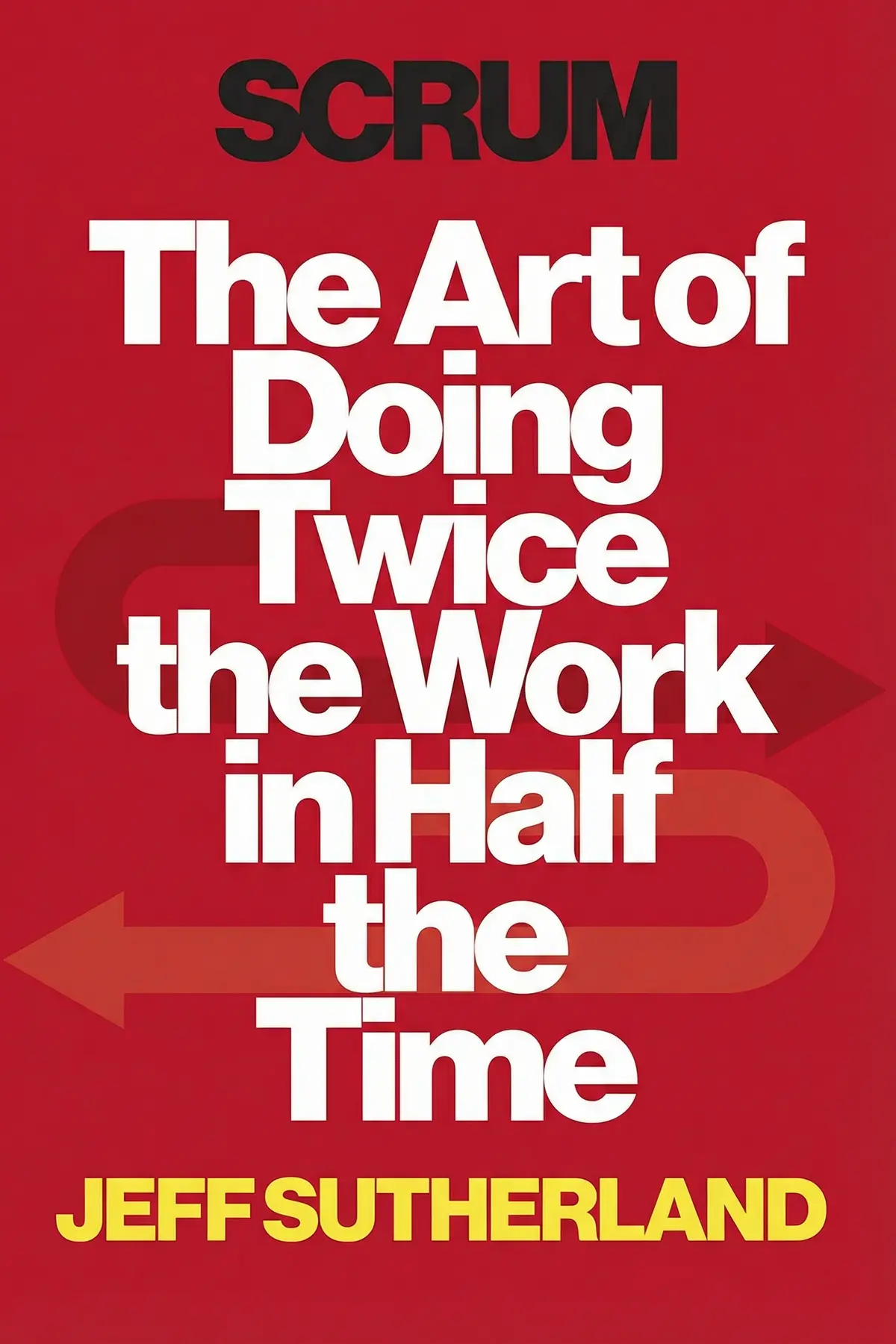
Table of Content
1. Introduction
58 sec
If your projects keep slipping past their deadlines no matter how carefully you plan them, the plan itself may be the problem. In Scrum, Jeff Sutherland, one of the people who created the framework, argues that detailed schedules fail because people are poor at guessing how long work takes, and that the cure is to stop guessing and start checking. His method replaced a failed FBI software effort, one that had swallowed $170 million, with a system delivered faster, by fewer people, for less money.
The idea underneath is simple. Small teams that own their work, move in short cycles and look honestly at results every few weeks get far more done than teams chasing a chart. What follows shows how to shape such a team, how to run its days and weeks, how to spot the waste that drains it and how to decide what comes first, ending with the steps for a first Sprint you could begin next week.
2. Stop forcing your work to fit the chart
1 min 40 sec
The FBI gave every phase of a major software project a firm date and followed the schedule faithfully. The project collapsed anyway, before any real work began, and the reason applies to almost every plan built the same way.
3. Build a small team that can finish alone
1 min 34 sec
Some teams wait for permission, borrow skills from other departments and fill every meeting with fifteen people. Award-winning reporting from Egypt shows what happens when a team is shaped the opposite way.
4. Short work cycles catch problems while they are small
1 min 36 sec
Two houses, the same contractors, the same kind of job. One remodel finished on schedule and the other took more than twice as long, and the difference was a meeting lasting a quarter of an hour.
5. Fix every mistake the day you find it
1 min 43 sec
A software bug can take one hour to repair or twenty-four, and the code is identical in both cases. What changes is timing, and the same hidden cost shows up in unsold trucks and tired judges.
6. Make your team happy first and watch success follow
1 min 48 sec
Most managers treat a happy team as the reward for good results. Sutherland reverses the order, and a retailer’s growth figures, a simple board with five columns and one question after each Sprint show how.
7. Decide what comes first the way fighter pilots do
1 min 42 sec
A Toyota engineer leads a whole product team, yet none of its members report to her. Her model, combined with a decision cycle taught to combat pilots, shapes who sets a project’s priorities and how.
8. Launch your first Scrum project this month
1 min 25 sec
Teams often wait for perfect conditions before trying a new way of working. The launch sequence here is short enough to begin with one product and one team, and it improves itself every round.
9. Conclusion
1 min 09 sec
Scrum can look like a collection of meetings and boards. Underneath, it is a bet about people and time. Since no one can predict a project accurately at the start, the better move is to check reality often and let a small, trusted team change course. The FBI paid $170 million to learn this, and Eelco Rustenburg’s neighbors paid with a remodel that dragged on for three months while his took six weeks. Leaders in this model act like Toyota’s Chief Engineer, winning the team over with a vision worth sharing, and they serve the team by clearing away waste and keeping every task in plain sight.
The first moves are modest. Shrink your next project group to no more than nine people who hold every skill it needs. Give the work a fixed rhythm of short cycles, each ending with an honest look at what was built and one question about what would make the next cycle better. And repair problems on the day they appear, while the details are still fresh.
A plan tells you where you hoped to be. A Sprint tells you where you are, and that is the only place any project can move from.
About this book
What is this book about?
Most projects run late, and the usual response makes things worse: managers add people and money so the work fits the schedule again. Jeff Sutherland, one of the creators of Scrum, argues that the schedule itself is the problem. People are poor at predicting how long work will take, so any plan fixed at the start will drift away from reality. His alternative began in software and has spread well beyond it. Small teams of about seven people, holding every skill they need, work in short Sprints of one to four weeks. They meet daily for 15 minutes, put every task on a shared board, review what they built at the end of each cycle and ask what would make the next one better. A Product Owner decides what comes first, using a decision loop borrowed from fighter pilots. The evidence ranges from a failed FBI software project that cost $170 million to its successful successor, a house remodel finished in half the time and a study showing why bugs fixed late cost far more. Readers get a clear model of how fast teams work and the exact steps to run a first Sprint.
Book Information
Who it's for
Team and project leads
Team leads and project managers whose plans keep slipping and who want a working rhythm in place of a fixed schedule.
Hoping to ship faster
Founders and operators trying to ship faster with a small team and limited budget.
Joining a Scrum team
Professionals joining a Scrum team who want to understand Sprints, stand-ups and the Product Owner role.
About the Author
Jeff Sutherland
Jeff Sutherland is one of the creators of Scrum. He developed the framework in 1993 and formalized it with Ken Schwaber in 1995, presenting it at the OOPSLA conference that year. He contributed to the Agile Manifesto in 2001 and helped write The Scrum Guide, the framework's official definition. He has since adapted Scrum for finance, healthcare, higher education, energy and non-profits, and has held leadership roles at Scrum Inc. Before all this, he trained at West Point and flew fighter jets.
Ratings & Reviews
Ratings at a glance

What people think
Listeners find this book offers an excellent broad introduction to Scrum principles that is simple to digest, particularly for those in software roles. They value its ability to motivate, with one listener mentioning it was incredibly helpful for them and their team, while others point out its impact on productivity. The content features real-life before/after stories and is written in a compelling way by the Scrum co-creator.
Top reviews
Charles
Ever wonder why projects fail so miserably? Sutherland argues it’s because we try to plan for every variable instead of reacting to real-time feedback. This book serves as a high-level manifesto for the Scrum framework, focusing heavily on productivity and the psychology behind why small teams work best. I loved the case studies, especially the FBI's Sentinel project, which illustrates how bureaucracy can be dismantled by focusing on the 80/20 rule. While it isn't a technical manual for a Scrum Master, it is a powerful motivational tool for any leader. It changed how I view my daily to-do list by emphasizing value over sheer volume. It’s a fast, engaging read that makes a strong case for why the old ways of working are essentially a slow form of corporate suicide.
Show moreSai
Picked this up to better understand the roots of Agile, and I was hooked by the storytelling from the very first page. Sutherland’s background as a fighter pilot isn't just fluff; it explains the high-stakes origins of the OODA loop and how rapid decision-making translates to the boardroom. The book serves as a fantastic high-level introduction to the philosophy of Scrum, emphasizing team happiness as a driver for success. It’s not a granular 'how-to' manual, so don’t expect to walk away a certified expert, but it provides the essential context missing from most textbooks. I found the FBI Sentinel case study to be particularly gripping and proof that even the most bloated systems can be fixed. It’s a quick, punchy read that left me feeling genuinely inspired about our next project cycle.
Show moreWit
Wow, I finally understand why my team was struggling so much before we switched to these principles. This book isn't just about software; it’s about a fundamental shift in how humans collaborate to solve complex problems. Sutherland writes with an infectious enthusiasm that makes the concept of a 'Daily Stand-up' feel revolutionary rather than just another meeting. I appreciated how he addressed the waste inherent in most corporate structures, specifically targeting the myth of multitasking. Not gonna lie, the author’s ego is present in every chapter, but the results he describes are difficult to dismiss. It’s an easy-to-digest overview that focuses on the 'why' behind the methodology. If you’re looking for a deep technical dive into Jira or story pointing, look elsewhere. For a motivational boost, this is a must-read.
Show moreSomkid
The chapter on the OODA loop and Sutherland's time as a fighter pilot provided a fascinating foundation for how Scrum operates in high-pressure environments. By comparing combat flight maneuvers to business pivots, he makes the case for agility more effectively than any dry business textbook could. I particularly enjoyed the insights into the 80/20 rule and how focusing on the small percentage of features that provide the most value can transform productivity. The writing is clear and the examples, ranging from the FBI to Dutch schoolrooms, show the framework's versatility. Gotta say, I was skeptical about the wedding planning example, but it actually made a lot of sense in context. It’s a great high-level overview for any aspiring manager.
Show moreOn
Finally got around to reading the 'Scrum Bible' and it definitely lived up to the hype for me. The co-creator of the movement does a brilliant job of explaining how the feedback loop can radically increase a team's output. I was particularly fascinated by the history of the Agile Manifesto and how these ideas evolved from medical research and military tactics. The book is short, punchy, and moves at a fast pace, mirroring the very methodology it promotes. It's essentially a productivity-focused manifesto that challenges you to stop wasting time on useless documentation and start delivering actual value. While the tone is a bit boastful at times, the core message is vital for anyone working in a modern, fast-paced environment. It’s the kind of book you want to buy for your boss.
Show moreLena
As a project lead who has lived through the hell of traditional Waterfall management, this book felt like a necessary wake-up call. Sutherland doesn't waste time with dry technical jargon; instead, he offers a broad conceptual roadmap for delivering value more quickly. The stories are the real highlight, demonstrating how the framework saved massive government projects and small startups alike. Truth is, some of the claims about 'doing twice the work' feel a bit hyperbolic, but the underlying logic is hard to argue with. The writing is incredibly accessible, making it a perfect recommendation for non-technical stakeholders who need to understand why we’re changing our process. I just wish there were more diagrams to help visualize the actual sprint cycles. Overall, it’s a powerful, engaging read that makes you want to overhaul your entire workflow immediately.
Show moreNoo
The core principles here are essentially common sense applied with military precision. Sutherland breaks down the absurdity of the 'Waterfall' method and shows how small, cross-functional teams of five to seven people can outperform massive departments. I found the section on 'evil systems' particularly enlightening. Instead of blaming individuals for failures, we should look at the structures that allow those failures to happen. It’s a solid high-level overview that is easy to digest in a weekend. My only real gripe is that it paints a very rosy picture. There is virtually no mention of how Scrum can lead to burnout if the 'twice the work' aspect is pushed too hard by management. Still, for a general business reader, it’s a great starting point for rethinking organizational flow.
Show morePiyanart
Jeff Sutherland is clearly a brilliant man, but he certainly wants to make sure you know it on every single page. Personally, the self-aggrandizing tone throughout the book is hard to ignore, and it often feels more like a sales pitch for his consulting firm than a practical guide. You won't find the nuts and bolts of implementation here. If you want to know how to actually run a sprint or handle a difficult retrospective, you’ll need a different resource entirely. However, if you want to understand the 'why' behind the movement, it’s worth a look. He does a decent job explaining how multitasking is a myth that destroys efficiency. Just be prepared to roll your eyes at the frequent mentions of his fighter pilot days and his perceived superiority over traditional management.
Show moreRod
To be fair, the success stories about planning weddings or building houses with Scrum felt a bit like a stretch for a business book. Sutherland’s passion is obvious, yet his insistence that this method applies to every single human endeavor feels a bit like he's selling snake oil. I wanted more data on where Scrum fails and how to fix it, rather than just hearing about his glorious victories. Despite the hubris, the fundamental idea of iterative progress is sound. If you can ignore the constant self-promotion, there are some decent nuggets of wisdom regarding team size and the myth of multitasking. It’s a fast read, but don't expect it to be the only book you’ll need on the subject. It’s better as a motivational prologue to a more technical certification course.
Show moreWilliam
Look, the methodology itself is revolutionary, but this book is a frustrating exercise in hero-worship. Sutherland spends so much time talking about how he was a fighter pilot and a medical professor that the actual mechanics of Scrum get lost in the noise. I was hoping for a practical guide to implementation, but instead, I got a series of anecdotes about why the author is the smartest person in the room. It’s also quite dated in its language, consistently referring to team members as 'guys' and ignoring the human cost of the proposed speed. Frankly, if you want to learn how to actually use Scrum, you are much better off reading the official Scrum Guide or a more recent handbook. This felt less like a teaching tool and more like a long-winded advertisement for a consulting firm.
Show moreQuestions about this book
What is the main idea of Scrum by Jeff Sutherland?
Sutherland argues that traditional waterfall planning, built on fixed timelines like Gantt charts, fails because people cannot predict how long work will take. Scrum replaces it with small, self-directed teams that work in short Sprints, meet daily, keep all work visible and review results after every cycle. The FBI’s failed Virtual Case File project and its successful Scrum-based successor, Sentinel, frame the contrast.
What is a Sprint in Scrum?
A Sprint is a short, fixed period of work, ideally one to four weeks, focused on one goal. At the end, the team reviews what it produced and adjusts its goals before the next Sprint. Sutherland advises keeping Sprint lengths consistent and giving each one a single focus, so mistakes surface within weeks instead of after months of wasted effort.
How big should a Scrum team be?
Sutherland recommends about seven people, plus or minus two, so five to nine in total. Every extra person adds communication channels the brain struggles to track, and the team slows down as people work out what everyone else is doing. The team should also be cross-functional, holding every skill the project needs so it never waits on outsiders.
What does a Product Owner do in Scrum?
The Product Owner holds the project’s vision, manages the backlog and decides what each Sprint tackles. Sutherland says they need market knowledge, authority to decide without management interference, availability to the team and accountability for the product or its revenue. The role is modeled on Toyota’s Chief Engineers, and its decisions follow the OODA loop used by fighter pilots: Observe, Orient, Decide, Act.
How do I start using Scrum with my team?
Name a Product Owner, choose a team of five to nine people and a Scrum Master to coach them. Build a backlog ranked by value and ease, with every item small enough to finish in under a month. Plan the first Sprint, put up a Scrum board, hold daily 15-minute stand-ups, then close with a Sprint Review and a Sprint Retrospective before starting again.
Readers also enjoyed


A Year with Peter Drucker: 52 Weeks of Coaching for Leadership Effectiveness
Joseph A. Maciariello


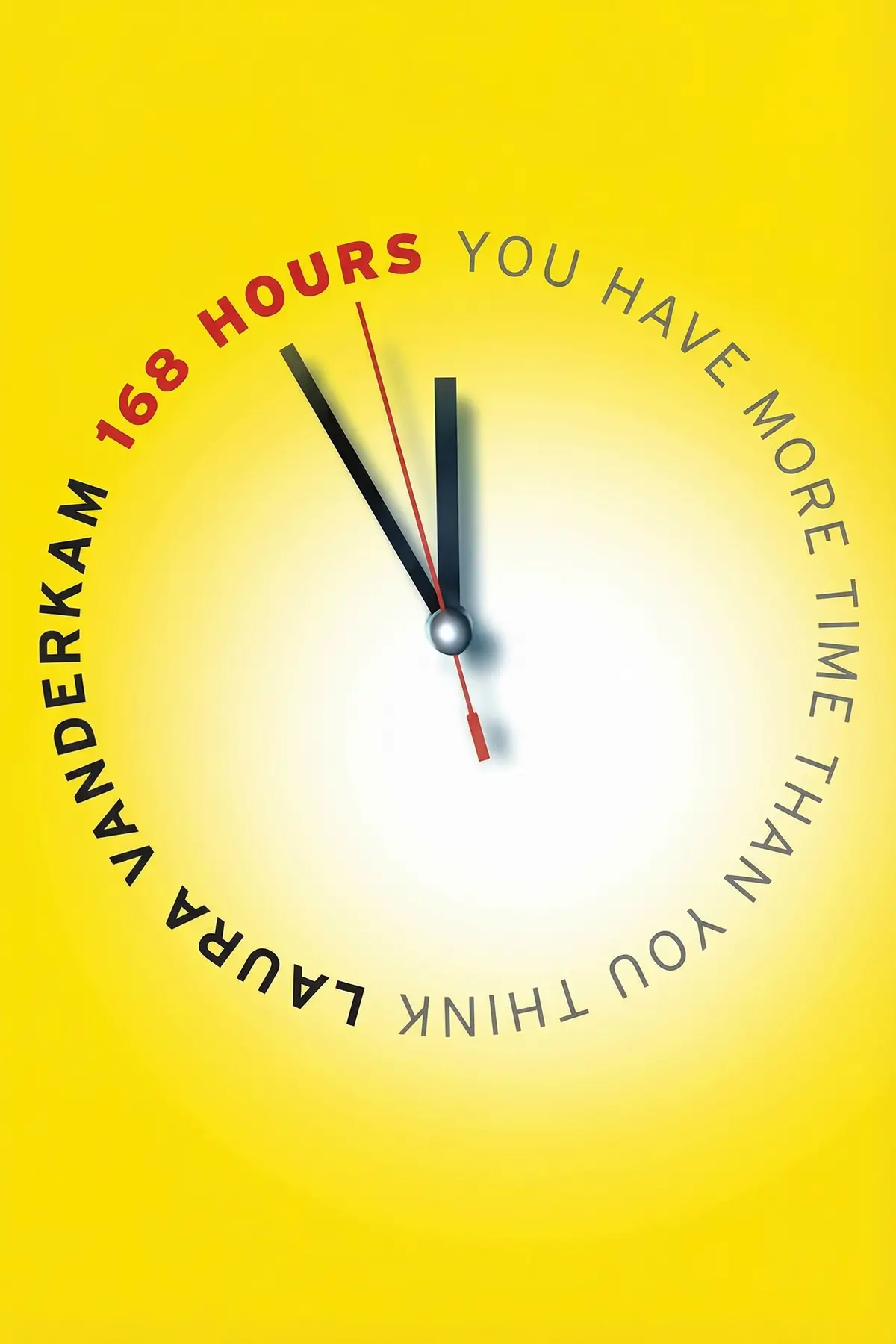
168 Hours: You Have More Time Than You Think
Laura Vanderkam

Acting with Power: Why We Are More Powerful Than We Believe
Deborah Gruenfeld

All In: How Great Leaders Build Unstoppable Teams
Mike Michalowicz
AUDIO SUMMARY AVAILABLE
Listen to Scrum in 15 minutes
Get the key ideas from Scrum by Jeff Sutherland, plus 5,000+ more nonfiction titles.
- 5,000+ titles
- Listen as much as you want
- 7-day free trial
- Cancel anytime









