
16 min 12 sec
Available in: English
 ไทย
EnglishไทยReading People: How Seeing the World through the Lens of Personality Changes Everything
By Anne Bogel
A friendly tour of the major personality frameworks, from introversion and high sensitivity to Myers-Briggs and the Enneagram, showing how each one explains everyday friction and what you can change in how you act.
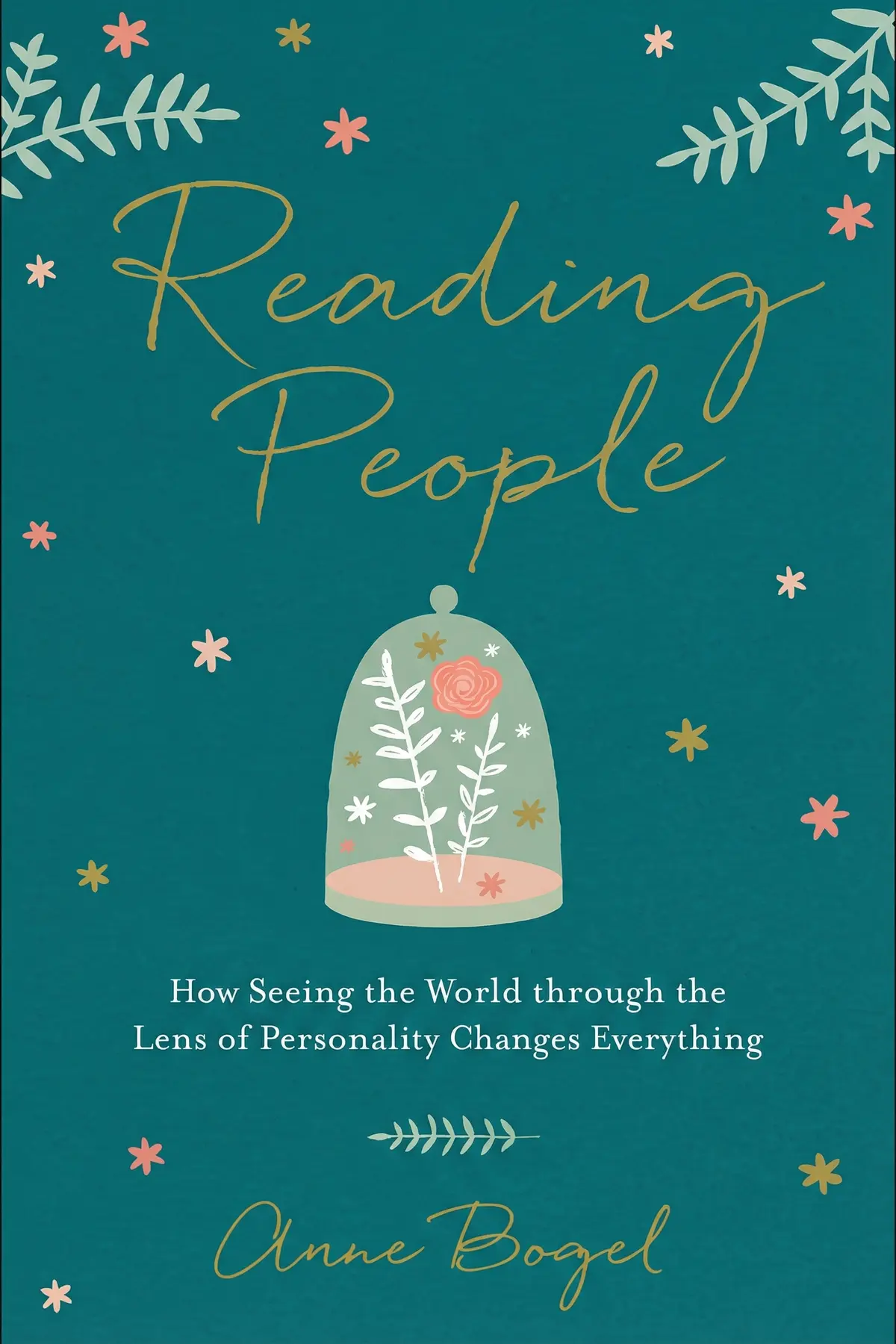
Table of Content
1. Introduction
1 min 02 sec
Most people have a personality type from an online quiz and still cannot explain why the same arguments keep coming back, at home or at work. In Reading People, Anne Bogel, creator of the blog Modern Mrs. Darcy and host of the podcast What Should I Read Next?, argues that the best clues to who you are hide in those recurring frictions. Her own Myers-Briggs result called her an analytical perfectionist, and it was wrong.
Bogel’s case is that personality frameworks work best as lenses rather than labels. Used well, they explain why you clash with people you care about, what you need to stay steady, and which behaviors you can still change. She moves through the major systems: introversion and extroversion, high sensitivity, the love languages, Keirsey’s temperaments, Myers-Briggs and the Enneagram. Each gives you a different way to read yourself and the people around you, along with one small adjustment worth trying.
2. Let your conflicts reveal your real type
1 min 37 sec
A personality test gave Bogel a label that sounded right and explained nothing. The truth about her only surfaced in the one place most people avoid looking: the arguments she kept having at home.
3. Give introverts and extroverts what their wiring needs
1 min 43 sec
A shy child froze every time her chatty mother greeted friends at the supermarket. The gap between them turns out to run through the nervous system, and both sides need a plan.
4. Calm an overloaded mind by doing nothing
1 min 45 sec
Clutter, a barking dog and excited children made her Thursday mornings alone with the kids extremely stressful for Bogel. The cause was not introversion, and the cure she found asks for less than most people expect.
5. Say I love you in the language they hear
1 min 52 sec
A partner spends a whole weekend on a surprise for you, and you end up feeling neglected. Gary Chapman’s idea explains how two people can both give generously and still miss each other.
6. Turn annoying traits into reasons to trust someone
1 min 47 sec
A spontaneous parent and a child who wants plans months ahead seem headed for constant friction. A temperament system from the 1960s reframes the habits that irritate us most in the people we live with.
7. Map your strengths and blind spots with four choices
2 min 03 sec
Four simple pairs of opposites produce a portrait detailed enough to predict who will neglect self-care and who will guilt others into chores. Knowing your letters is useful only if you read the uncomfortable parts.
8. Catch the pattern that runs your choices
1 min 45 sec
Bogel kept following parenting advice she did not believe in, and for years she could not see why. A nine-part sketch of personality gave her a name for the habit and a way to stop.
9. Your behavior can change even when your type stays put
1 min 38 sec
A teenager who was expelled again and again turned up years later at a farmers’ market, almost unrecognizable. Her story separates what stays fixed in a person from what can still be reshaped.
10. Conclusion
1 min 00 sec
Reading People adds up to a change in what a personality label is for. A type, in Bogel’s hands, is a way to read a situation: why your calm partner seems cold, why a messy morning leaves you shaking, why a weekend of gardening landed as neglect. Each framework she covers gives a frustrating difference a name, and a name turns it into something you can plan around.
The practical steps are small. The next time an argument repeats, ask whether you are reading the other person through your own type. Build a real retreat into crowded or noisy days, and spend it doing nothing. Learn the love language of one person close to you and speak it this week. If you are curious about where you fall, Bogel suggests a free online test; Elaine Aron offers one for people who suspect they are highly sensitive.
Your type will probably stay with you. What you do with it is still yours to decide.
About this book
What is this book about?
Online personality quizzes are everywhere, yet most of them tell people very little about who they really are. Anne Bogel learned this the hard way when a Myers-Briggs result described her as an analytical perfectionist. The label felt plausible and never helped, because it was wrong. In Reading People, Bogel argues that personality frameworks are most useful as lenses for reading yourself and the people around you. She draws on her own marriage, her children, her mother-in-law and an old high-school classmate to show how introversion, high sensitivity, the five love languages, the Keirsey temperaments, the Myers-Briggs Type Indicator and the Enneagram each explain a different kind of everyday friction. Readers get a clear map of these systems and a practical use for each one: a coping strategy for draining situations, a way to show love that the other person actually notices, kinder expectations of family and colleagues, and a sharper sense of personal strengths and blind spots. Bogel closes with a hopeful point. Your type may stay with you for life, but your behavior can change.
Book Information
Who it's for
Curious why arguments repeat
Couples and parents who keep having the same arguments and want to understand why.
Wanting ways to recharge
People who feel drained by crowds, noise or clutter and need practical ways to recover.
Fans of personality quizzes
Personality-quiz fans who want a clear, usable map of Myers-Briggs, Keirsey and the Enneagram.
About the Author
Anne Bogel
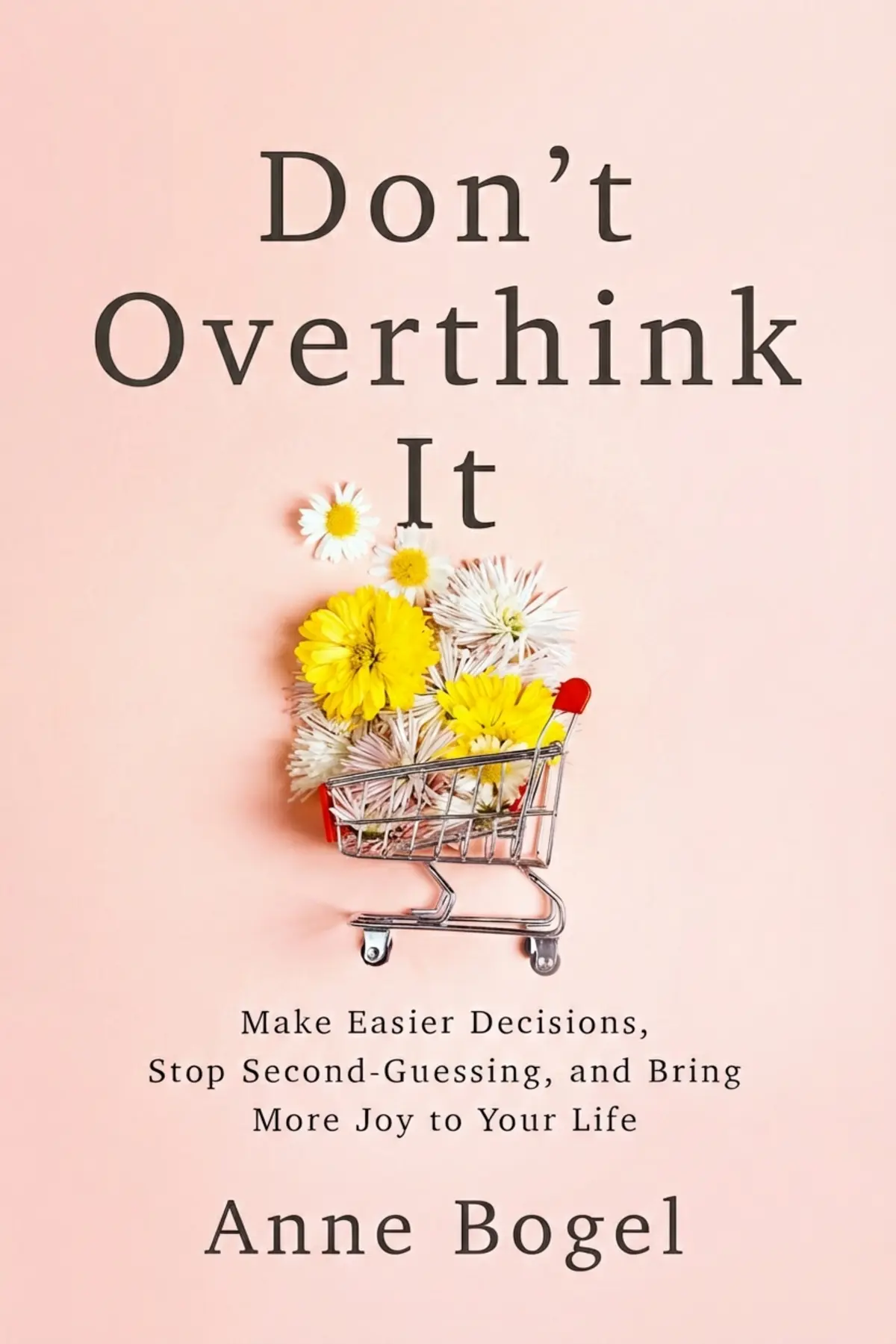
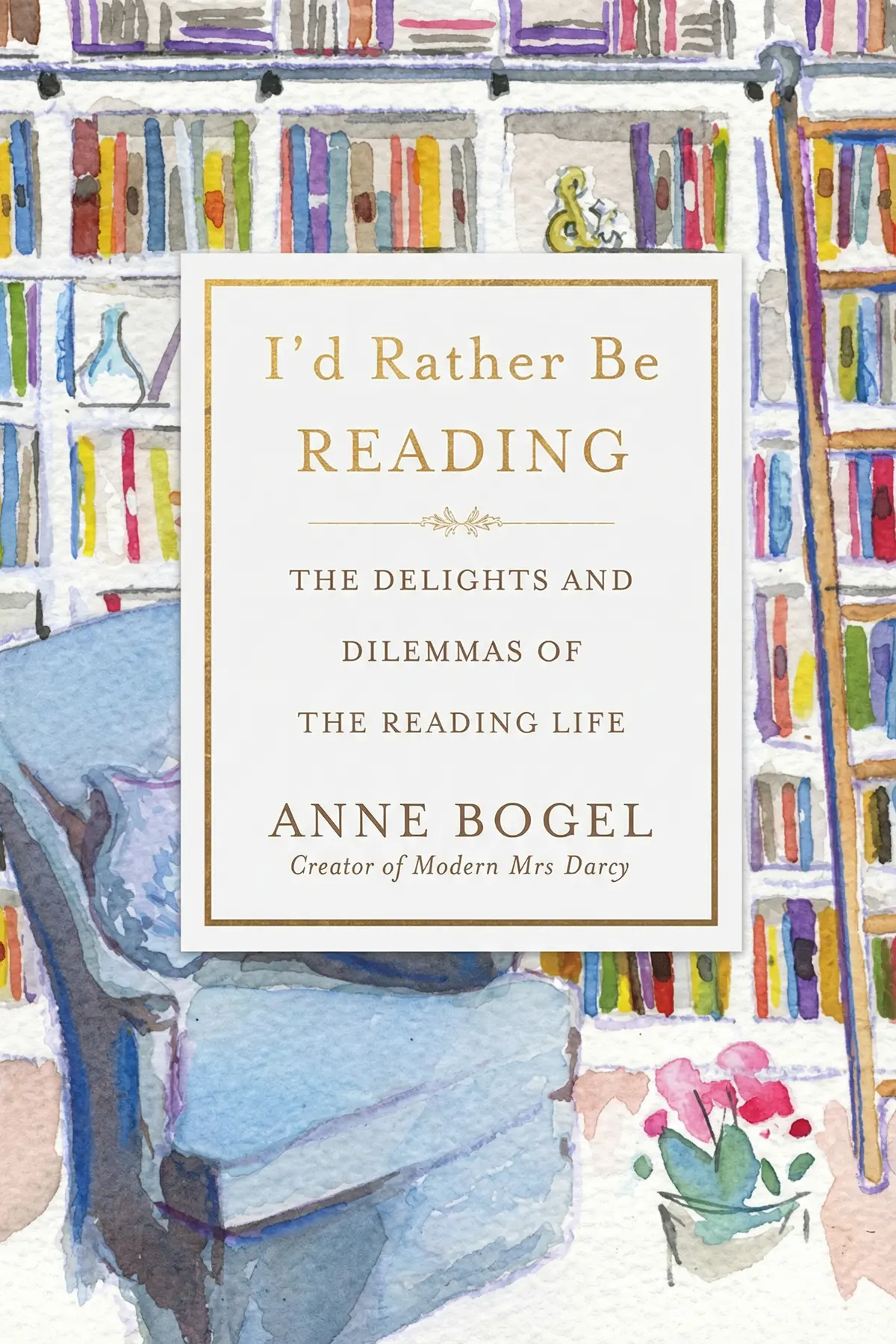
Anne Bogel created the blog Modern Mrs. Darcy, hosts the Modern Mrs Darcy Book Club and is the voice of the podcast What Should I Read Next? She publishes a Summer Reading Guide every year. Her books include I'd Rather Be Reading, Reading People and Don't Overthink It, along with several book journals, one of them made for kids. She lives in Louisville, Kentucky, with her husband, their four children and a yellow lab named Daisy.
Ratings & Reviews
Ratings at a glance

What people think
Listeners find this work both informative and educational, serving as an excellent introduction to personality frameworks through Anne Bogel’s real-life examples. The writing is approachable and relatable, creating a guide that is both enjoyable and easy to digest. Listeners value the conversational approach and its benefits for communication, while also liking the variety of personal stories included throughout.
Top reviews
Jan
Finally got around to reading this after seeing it all over Instagram, and it was exactly the "aha moment" I needed. Learning about Highly Sensitive People (HSP) was a total game-changer for me personally. I used to think I was just difficult or picky, but Anne explains the science of overstimulation in a way that felt like a giant hug. The chapter on the Enneagram was also illuminating, even if I haven't officially paid for the professional testing yet. This book is for the person who feels overwhelmed by life and wants to know why they react the way they do. It’s about empathy, both for yourself and for the people you live with every day.
Show moreNoah
Ever wonder why your spouse drives you crazy in the same way every single day? This book offers the answer without being preachy or clinical. I’ve always found personality tests a bit gimmicky, but Anne frames them as tools for empathy rather than just box-checking. The way she explains the why behind our actions—not just the what—is what sets this apart from a simple quiz. I particularly loved the section on how much people can actually change. It gave me a lot of hope and a new way to view my coworkers. If you’re looking to support a great voice in the book community and learn something about your own brain, this is a must-buy.
Show moreIvan
Picked this up on a whim during a particularly stressful month at work. I wasn't looking for a miracle, just some clarity on why I was clashing so hard with my manager. The insights on different temperaments were eye-opening; it turns out we just have completely different love languages in a professional setting. Anne’s writing is relatable and peppered with real-life illustrations that make the concepts stick. I finished it in two sittings and immediately started recommending it to my sisters. It’s a fun, accessible, and ultimately kind book that encourages you to be gentler with yourself and others.
Show moreAndrei
As a longtime listener of Anne’s podcast, I was eager to see how her voice translated to the page. She has a remarkably conversational style that makes these heavy psychological frameworks feel accessible rather than intimidating. While I’ve dabbled in Myers-Briggs before, the way she connects it to everyday habits helped me see my own introvert tendencies in a new light. It’s not a textbook; it’s more like a friendly guide through the woods of self-discovery. Some might find the overview of the Enneagram a bit brief, but for a primer, it hits all the right notes. I particularly appreciated the personal stories about her family life which grounded the abstract concepts. It’s a quick, refreshing read for anyone wanting to improve their relationships without getting bogged down in jargon.
Show moreAisha
Look, if you want a deep academic dive into psychology, keep walking, but if you want to stop fighting with your spouse, buy this. Anne’s exploration of Keirsey’s Temperaments helped me realize that we aren't trying to annoy each other; we just process the world through different lenses. The conversational tone makes it easy to digest in short bursts between errands or during a lunch break. I loved the minimal effort, maximum insight approach she mentions. My only complaint is that some chapters feel a bit rushed, especially the one on cognitive functions. However, as a tool for bettering my communication at home and work, it’s been incredibly valuable.
Show moreSoontorn
Highly Sensitive People (HSPs) finally have a champion in this author, and that section alone was worth the price of admission. I’ve spent my life feeling like I was too much, and seeing my traits laid out as a legitimate personality framework was incredibly validating. Anne does a great job of synthesizing various theories into one cohesive narrative about human nature. It’s an easy-to-read guide that doesn't demand too much of the reader’s time. While some of the MBTI stuff went a bit over my head, the overall message of making peace with who we are really resonated. A great gift for anyone going through a transition in their life or career.
Show moreClara
To be fair, I already knew my Enneagram type and my MBTI results before I opened the first page. For someone with that background, a lot of this felt like a refresher course rather than a breakthrough. The truth is, Bogel is an excellent curator of information, but she doesn't offer much in the way of original research. It’s a well-organized starting point, but I found myself skimming the sections on the Five Love Languages because they felt a bit dated. I did enjoy the literary references and how she used characters to illustrate certain temperaments. It’s a solid 3-star read: helpful for the uninitiated, but perhaps a bit too basic for those who are already personality geeks.
Show morePun
Anne Bogel has a gift for making complex ideas feel like a chat over coffee with a very smart friend. That said, I'm feeling pretty conflicted about the intended audience for this particular volume. If you know nothing about personality assessments, you might feel lost because she assumes a certain level of interest in typing yourself. But if you're an expert, the content is far too surface-level to offer new insights. It occupies a strange middle ground. I appreciated the chapter on the MBTI cognitive functions as that was new to me, but the rest felt a bit repetitive. It's a lovely, quick read, but I'm still not entirely sure what the ultimate takeaway was supposed to be.
Show moreTang
The title of this book is incredibly misleading because it doesn't actually teach you how to read people in the way you might expect. I was looking for body language tips or social cues, but instead, this is just a summary of various personality tests like the StrengthsFinder and the Five Love Languages. Frankly, if you have spent more than ten minutes on Google or taken an entry-level psychology course, there isn't much new information here. It feels like a collection of blog posts stitched together. The writing is pleasant enough, and the cover is truly gorgeous on my shelf, but the lack of depth left me wanting more. It requires you to already know your type for half the tests to even find the advice applicable.
Show moreWatchara
I struggled to find the meat in this one, despite being a fan of the author’s blog for years. It felt like she was constantly telling me to go take a professional test elsewhere to get the full value. Not everyone has the budget to pay for a professional MBTI or StrengthsFinder assessment just to understand a chapter of a book. Without those results in hand, a large portion of the text is just "if you are this, then do that." It felt exclusionary for a book that aims to be accessible. The writing is smooth, but I expected more actionable advice I could use right away without a fifty dollar entrance fee for a quiz.
Show moreQuestions about this book
What is the main idea of Reading People by Anne Bogel?
Bogel argues that personality frameworks are most useful as lenses for understanding yourself and others, not as quiz labels. She shows that recurring conflicts often reveal your type better than a test does, and she walks through introversion, high sensitivity, the five love languages, Keirsey’s temperaments, Myers-Briggs and the Enneagram, giving each a practical use in relationships and self-care.
What is the difference between an introvert and a highly sensitive person?
According to Bogel, introverts are drained by too much social interaction, while highly sensitive people are overwhelmed by their environment: noise, visual clutter or strong smells. Her advice for HSPs is to take regular breaks somewhere free of sensory input and to do nothing there, not even put on a film or play a podcast, so the brain can rest.
How do the five love languages help relationships?
Drawing on Gary Chapman, Bogel describes five ways people feel loved: Words of Affirmation, Quality Time, Getting and Receiving Gifts, Acts of Service and Physical Touch. When partners speak different languages, generous efforts can go unnoticed, like a weekend of gardening offered to someone who wanted conversation. Learning each other’s language prevents many of these arguments.
Can your personality change, according to Reading People?
Bogel says your basic type stays fairly stable, so an introverted child usually becomes an introverted adult. Behavior, though, is flexible. With practice an introvert can build a social life as rich as an extrovert’s. She links this to mindset: people who believe they can grow balance their weaker traits, while a fixed mindset keeps people stuck.
How can I apply Reading People in daily life?
Start by examining a conflict that keeps repeating and ask whether a difference in type explains it. Plan small counterweights for situations that drain you, learn the love language of someone close to you, and name the strength behind a habit that annoys you. Bogel also suggests taking a free online test, such as Elaine Aron’s assessment for high sensitivity.
Readers also enjoyed



Acting with Power: Why We Are More Powerful Than We Believe
Deborah Gruenfeld




Age of Propaganda: The Everyday Use and Abuse of Persuasion
Anthony Pratkanis



A Guide to the Good Life: The Ancient Art of Stoic Joy
William B. Irvine
AUDIO SUMMARY AVAILABLE
Listen to Reading People in 15 minutes
Get the key ideas from Reading People by Anne Bogel, plus 5,000+ more nonfiction titles.
- 5,000+ titles
- Listen as much as you want
- 7-day free trial
- Cancel anytime









