

13 min 16 sec
Available in: English
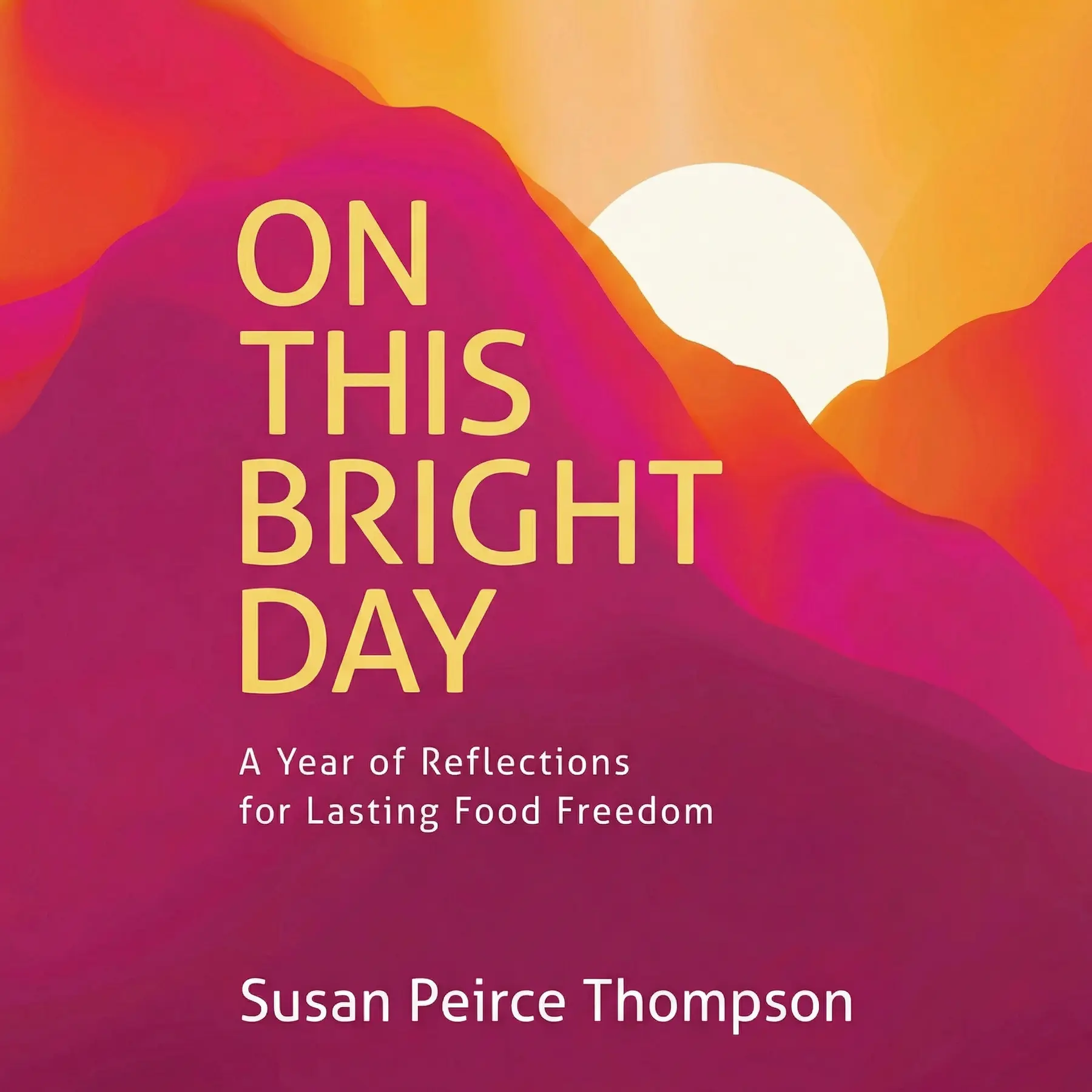
On This Bright Day: A Year of Reflections for Lasting Food Freedom
A year of short daily readings that help people who struggle with compulsive eating drop sugar and flour, hold firm lines around meals, recover from slips and build a calmer identity around food.
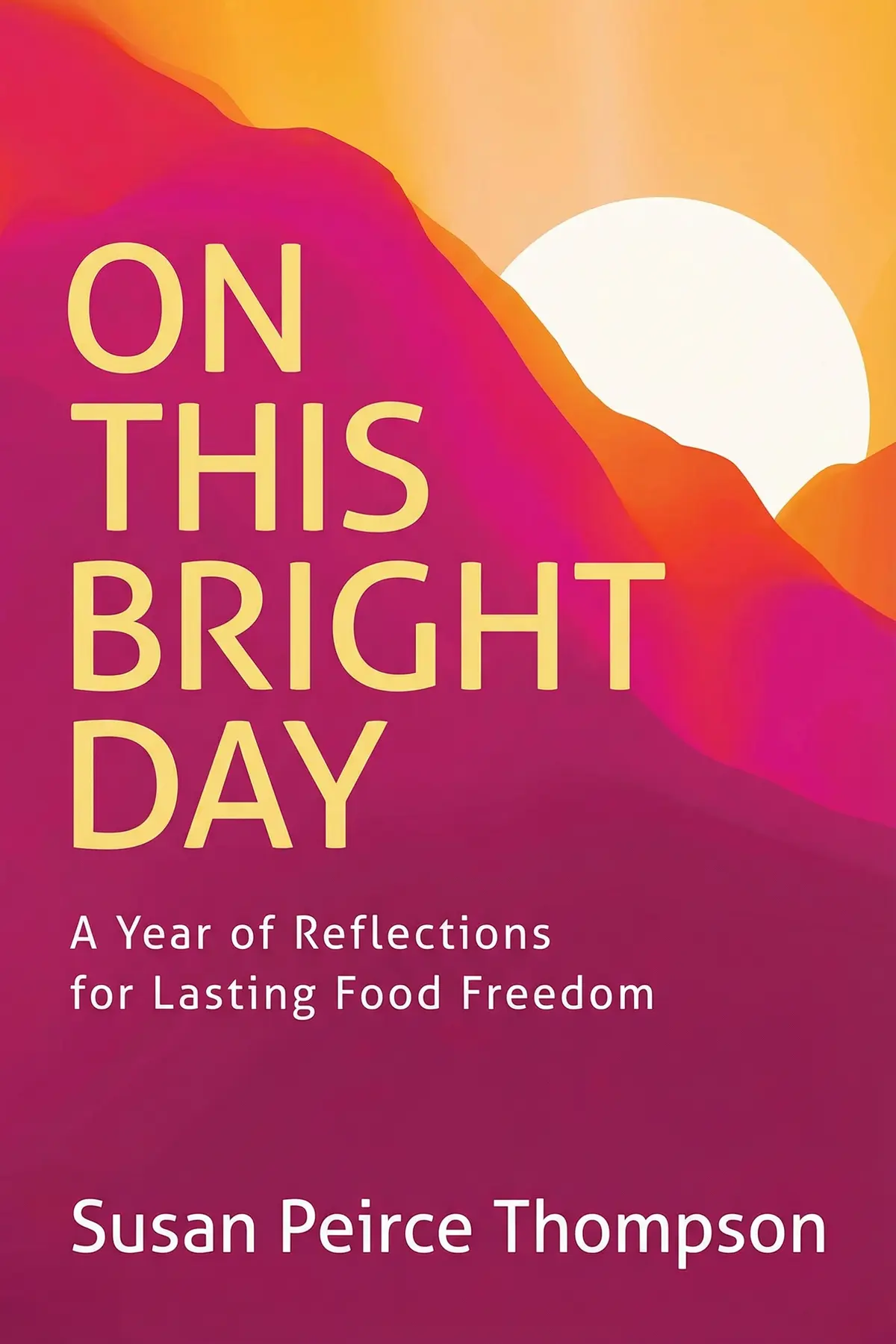
Table of Content
1. Introduction
58 sec
If thoughts about food run your day, from the next snack to the guilt after it, Susan Peirce Thompson starts with a blunt claim: for some brains, sugar and flour cannot be eaten in moderation at all. In On This Bright Day, the brain and cognitive scientist who founded Bright Line Eating offers a reading for every day of the year. Each opens with a quotation and, reportedly, ends with a question and a small action step.
Her case is that lasting freedom from food obsession gets built one day at a time. You remove the foods that hijack hunger, hold clear lines around meals, meet slips with kindness and lean on people who understand. Repeated long enough, those days turn into a new identity that no longer runs on willpower.
Ahead are the ideas beneath the year of readings, and the specific moves members use at breakfast, on the phone and at the restaurant table.
2. Understand how sugar and flour keep you hungry
1 min 34 sec
Some people eat a full plate and feel hungry again within the hour. Thompson traces that frustration to two ingredients and a hormone that stops sending its signal, and explains why moderation fails for some brains.
3. Set lines for meals so choices run themselves
1 min 30 sec
Strict rules about mealtimes and portions sound like the opposite of freedom. The book argues they work the other way around, and points to one particular meal as the easiest place to begin.
4. Ride out hunger without treating it as an emergency
1 min 45 sec
The afternoon urge to snack feels urgent and impossible to ignore. A short mantra, and the author’s own story of binges during a crowded period of her life, offer a gentler way through it.
5. Turn a slip into useful information
1 min 37 sec
After a lapse, most people decide they have failed and give up. One reading puts a surprisingly low number on the commitment recovery actually requires, and changes how the next bite looks.
6. Build a support circle that answers the phone
1 min 47 sec
Habits made alone tend to break alone. A three-word rule, a daily phone call and a morning group in the UK show how other people can hold a new way of eating in place.
7. Keep your lines at restaurants, trips and parties
1 min 12 sec
Client dinners, trips and holidays are where careful plans tend to fall apart. Members rely on a few small, almost invisible tactics to stay on track while still enjoying the people at the table.
8. A life with room for more than food
1 min 46 sec
Losing weight turns out to be only part of the story. The book describes an unexpected benefit, and a strange new emptiness that appears once the long struggle with food finally ends.
9. Conclusion
1 min 07 sec
What makes this book unusual is that its unit of change is the day. Thompson’s science explains why sugar and flour keep some brains hungry, but the remedy she offers is small: a planned breakfast, a weighed portion, a breath when hunger arrives, a phone call to someone who understands. None of those acts is dramatic. Repeated past the point where they feel forced, they become who a person is, and food shrinks back to its proper role as fuel.
That is why the book takes the form of a short reading for each morning. It assumes you will forget, slip and doubt, and it meets you again tomorrow with a fresh line of encouragement.
If any of this fits your life, begin where the book does. Settle one meal so it needs no decision, and plan tomorrow’s food tonight. When a craving or a slip comes, get curious before you get harsh. Then call someone.
You do not have to promise forever. Thompson asks for 51 percent, and for today.
About this book
What is this book about?
For many people, food is not a simple pleasure. Thoughts about the next snack, the last binge and the number on the scale fill the day, and diet after diet ends the same way. Susan Peirce Thompson, a brain and cognitive scientist and the founder of Bright Line Eating, argues that for some brains sugar and refined flour disrupt the signals of fullness, so moderation is not a realistic option. On This Bright Day does not repeat the full program. It is a daily reader with an entry for every day of the year, each opening with a quotation and offering reflection on living the Bright Line way. The readings keep returning to a handful of practices: removing sugar and flour, eating at set times with measured portions, treating hunger as something to ride out, meeting slips with self-compassion and calling on a community of Buddies and Guides. Readers get a steady morning companion for the long middle stretch of change, concrete tactics for restaurants, travel and holidays, and a picture of the life that opens up once food stops taking up so much room.
Book Information
Who it's for
Stuck in yo-yo dieting
People caught in years of yo-yo dieting who suspect sugar and flour drive their cravings.
Bright Line Eaters, 12-steppers
Bright Line Eaters and 12-step members who want a short reading to start each day.
Breaking food rules again
Anyone who keeps breaking food rules and needs help beginning again after a slip.
About the Author
Susan Peirce Thompson
Susan Peirce Thompson holds a Ph.D. and teaches brain and cognitive sciences at the University of Rochester. She is a New York Times bestselling author and sits on the board of the Food Addiction Institute. In 2014 she founded Bright Line Eating, a program built on physical, mental and spiritual practices for weight loss that lasts. Her courses have reached more than 115,000 people across over 100 countries.
Ratings & Reviews
Ratings at a glance
What people think
Listeners find this daily guide truly inspiring, as every page offers bits of wisdom that nourish the soul all day long. It serves as an excellent supplement to morning or evening rituals and is especially beneficial for people following the Bright Line Eating program. Listeners value the useful insights and its impact on building a healthy mindset toward food, with one listener sharing that it helped them finally end decades of yo-yo dieting. This resource provides encouragement for those dealing with food addiction and recovery, and its attractive design makes it a delightful part of their daily routine.
Top reviews
Jeeranan
This book has become the cornerstone of my morning quiet time, offering a level of daily support that I simply haven’t found in other recovery literature. While I’ve utilized various secular and 12-step readers over the years, Susan Peirce Thompson manages to strike a unique balance between hard neuroscience and genuine, heart-centered encouragement. Truth is, the way she incorporates the Internal Family Systems (IFS) model really helped me understand my "food parts" without the typical shame that usually accompanies weight loss journeys. Each page feels like a tiny therapy session that grounds my day in reality rather than just wishful thinking. The index in the back is surprisingly robust for a daily reader, making it easy to find specific topics like "NMF" or "satiety" when I’m having a rough afternoon. If you’re tired of the "just use willpower" narrative, this provides a much more compassionate, evidence-based framework for lasting change.
Show morePop
As someone who has spent nearly three decades trapped in a cycle of yo-yo dieting and self-loathing, finding a resource that actually addresses the brain chemistry of food addiction feels like a literal lifesaver. I started my journey with Bright Line Eating about two years ago, and having this daily reader to reinforce the jargon—like "protecting your crystal vase"—makes the path feel much less lonely. The entry for my "Bright-anniversary" was so eerily perfect that it moved me to tears, reminding me that hunger is not an emergency but a signal I can handle. To be fair, you do need a bit of familiarity with the BLE framework to get the most out of it, but the glossary in the back is a fantastic bridge for newcomers. It’s not just about the food; it’s about the mental freedom that comes from sitting all the way down in the program. My morning coffee just doesn't feel complete without these insights anymore.
Show moreFon
Picked this up on a whim after seeing it featured in a wellness group, and the quality of the writing immediately stood out to me. Susan Peirce Thompson clearly brings her background as a psychology professor to the table, yet she never comes across as dry or overly academic in these 365 reflections. Look, there are hundreds of devotionals out there, but very few of them tackle the intersection of positive psychology and food addiction with this much grace and precision. The entries are short enough for a busy schedule but pack enough of a punch to keep you thinking all through your commute. I particularly appreciate how the book shifts the focus from "abstaining" (which sounds so restrictive) to living a "Bright" life full of connection and service. It’s a beautiful, well-designed hardback that feels significant in your hands, which makes the act of reading it feel like a sacred ritual. Truly a gift for anyone looking to heal their relationship with food.
Show moreGai
Ever wonder why some people seem to find peace with food while others struggle forever? This book offers the answer through the lens of food freedom and neurological healing. I have been following the program for 18 months now and have released over 60 pounds, but more importantly, I’ve released the obsession that used to govern my every waking thought. The daily reflections are incredibly uplifting and serve as a constant reminder that we are not alone in this fight against sugar and flour. In my experience, the most powerful entries are the ones that deal with "neutralizing" the food and treating it simply as fuel. The author’s voice is both authoritative and deeply humble, which creates a sense of trust that is often missing in the weight loss industry. It’s a wonderful addition to any habit stack, especially if you read it right before journaling.
Show moreHazel
Finally got around to starting this on January 1st, and it has radically changed the tone of my mornings. The quote by Meister Eckhart about the power of "thank you" in the May 17th entry—which I snuck a peek at early—perfectly encapsulates the spirit of this entire collection. It is about gratitude for the process rather than just fixating on the number on the scale. Not gonna lie, I used to be a chronic "abstainer" who felt deprived, but this book helps me feel "Bright" and empowered instead. The writing style is fluid and conversational, making complex psychological concepts like satiety and addiction pathways feel accessible to the average person. It’s about so much more than what you put on your plate; it’s about how you show up for your life.
Show moreAstrid
The chapter on "Satiety" and the various entries regarding the science of the "Bright Line" are where this book really shines. It provides a daily dose of "Positive Psychology" that acts like a shield against the food-obsessed culture we live in. My favorite part is how it encourages a morning or evening ritual, helping you to "sit all the way down" into your recovery. While some readers can feel a bit "woo-woo," this one stays grounded in the reality of how the addictive brain functions. I've found that reading just one page a day helps me keep my "crystal vase" protected against the stresses of work and family. It’s a masterful blend of compassion and boundaries.
Show moreJin
Wow. Just wow. This is the daily devotional I have been searching for all these years, and it actually speaks the language of food addiction recovery without watering it down. After hearing Susan on a podcast, I knew I needed her perspective, and this book delivers a year’s worth of that "Bright" energy. The truth is, I’ve lost 150 pounds before and gained it all back, but this book focuses on the "transformation" of the mind, which is the only way to make it last. The entries are phenomenally written, flowing with a level of empathy that makes you feel like the author is sitting right there in the room with you. It’s about meaning, connection, and joy—happy and free at last! This isn't just a book; it's a change agent for your entire life.
Show moreKwan
Frankly, I was skeptical about whether I needed another daily reader, but the way this book integrates "Bright Line Mind" concepts has made me a believer. It’s a very practical tool that avoids being preachy, focusing instead on the lived experience of recovery and the "daily actions" that lead to transformation. I did find the font a little bit small in some sections, and the specific BLE acronyms can be a hurdle if you aren't already in the "inner circle" of her followers. However, the core message of self-compassion is universal enough that most people struggling with habits will find value here. The way she rephrases common struggles into "nuggets of wisdom" is genuinely impressive and helps to rewrite those old, negative scripts we carry in our heads. It’s a solid 4-star resource that would be a 5 if it were slightly more inclusive of other dietary paths.
Show moreSai
After hearing so much about the "Bright Line" movement, I decided to use this book as my introduction to the philosophy. It is a very well-curated collection of thoughts, though I wish there were a bit more emphasis on the specific scientific studies mentioned in the endnotes within the daily text itself. Still, the daily "nuggets" are incredibly helpful for maintaining a healthy mindset and avoiding the pitfalls of compulsive eating. I’ve started bringing it on my travels because it’s the perfect size to tuck into a carry-on and provides that necessary "best friend" voice when I’m away from my routine. It definitely helps you rewrite the stories in your head about food and rewards. A very solid tool for anyone in recovery.
Show moreWipawan
Not what I expected, as I was looking for more of a "how-to" guide with recipes, but this is strictly a book of daily reflections and philosophical musings. If you aren't already committed to the Bright Line Eating lifestyle, some of the entries might feel a bit repetitive or insular. I personally found the terminology like "NMF" (Not My Food) a bit jarring at first, though I can see why the community loves it. To be fair, the physical book is stunning and the index is one of the best I've seen in a reader. It just feels very niche. If you are a die-hard fan of Dr. Thompson, you will probably give this six stars, but for a casual reader, it’s a bit of a mixed bag. The wisdom is there, but you have to dig through a lot of program-specific jargon to find the universal bits.
Show moreQuestions about this book
What is On This Bright Day about?
It is a daily reader by Susan Peirce Thompson, founder of Bright Line Eating, with an entry for every day of the year. Each entry opens with a quotation and offers reflection and encouragement for people moving away from compulsive eating. The readings return to core practices: cutting out sugar and flour, eating at set times with measured portions, meeting slips with compassion and leaning on a supportive community, so that a new identity around food forms one day at a time.
Why does Bright Line Eating remove sugar and flour completely?
Thompson argues that people with high scores on the Food Addiction Susceptibility Scale cannot eat these foods in moderation. One account of the book explains that sugar pushes insulin up and blocks leptin, the hormone that signals fullness, so hunger keeps coming back. Flour is treated the same way, since some members who kept it found their portions growing. Removing both, she says, lets brain chemistry settle so whole foods feel satisfying again.
Who is On This Bright Day for?
The book is aimed at Bright Line Eaters, members of 12-step programs for food addiction or compulsive overeating, and anyone working toward freedom from food obsession in their own way. It speaks directly to the experiences of the Bright Line community, which is why groups such as a daily UK accountability call read the day’s entry aloud at the start of each session.
How can I apply the book's ideas day to day?
Start small. Automate breakfast with a standard meal so it needs no decision, and plan tomorrow’s food the night before. When hunger strikes between meals, stop, notice and breathe, remembering that hunger is not an emergency. Before restaurants or trips, check menus and decide in advance what you will eat. If you slip, study what led up to it and recommit with your next meal. And make one supportive phone call every day.
What does the 51 percent idea in On This Bright Day mean?
One reading, Commitment over 51 percent, argues that staying on track needs only a majority commitment, anything over half. Thompson treats it as permission to take a small first step even when part of you still resists. Paired with the mantra just for today, it makes change feel manageable: you only need to lean slightly toward your plan, and only for this one day.
Readers also enjoyed


ADHD an A-Z: Figuring It Out Step by Step
Leanne Maskell






Alcoholics Anonymous
Alcoholics Anonymous World Services

AUDIO SUMMARY AVAILABLE
Listen to On This Bright Day in 15 minutes
Get the key ideas from On This Bright Day by Susan Peirce Thompson, plus 5,000+ more nonfiction titles.
- 5,000+ titles
- Listen as much as you want
- 7-day free trial
- Cancel anytime









