

59 Seconds: Change Your Life in Under a Minute
Richard Wiseman
 English
Shows habitual drinkers who are not addicted how to cut down by tracking every drink, understanding their triggers, taking a 28-day break and returning with a simple moderation rule they can keep.
1 min 05 sec
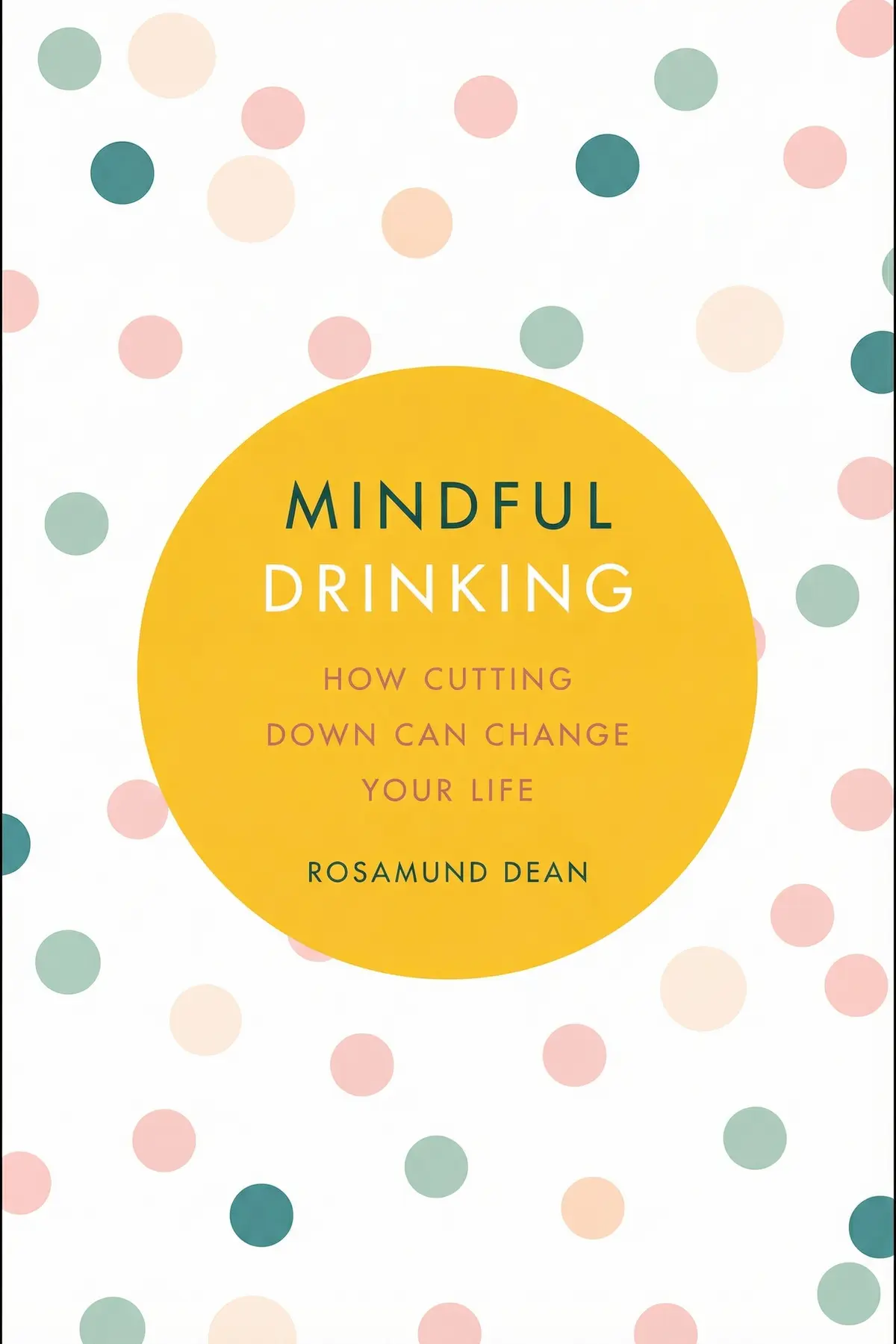
If your one glass of wine with dinner keeps turning into the whole bottle, you probably do not need to quit. You need to notice. That is the idea behind Mindful Drinking, by British journalist and former Grazia deputy editor Rosamund Dean: it speaks to people whose drinking has slipped into an unthinking habit, not to those who are addicted, and it argues that mindful attention is how that habit changes.
Dean writes for people who are not addicted but have drifted into patterns they never chose, like the hangover that arrives with a wave of dread, or the drink taken just to fit in at a party. Her method moves in order. First you look honestly at how much you drink and why. Then you train a small pause before each glass. Then you take 28 days off and return with a rule of your own.
Along the way come three drinker types, a one-week tracking exercise, a moderation rule built on the number three and a kind way to handle the slips that will come.
1 min 46 sec
Most people believe they know roughly how much they drink. Dean suspects the real number would surprise them, and she offers a simple exercise that often changes behavior before any rule is set.
1 min 46 sec
A drink at the end of a tense day feels like relief. Dean describes a chemical trap hidden inside that relief, and a cultural one that makes the habit feel like part of who you are.
1 min 45 sec
Two people can overdrink at the same party for completely different reasons. Dean sketches three emotional types behind the extra glass, and knowing yours changes which evenings you should prepare for.
1 min 48 sec
Mindfulness sounds like something that needs silence and an hour on a cushion. Dean argues it can happen while washing dishes, and that it trains the very part of the brain that alcohol wears down.
1 min 28 sec
Moderation is the goal, yet Dean’s plan begins with stopping completely for a while. Her reasoning involves an overstuffed wardrobe, a carefully chosen month and a new way to get through a night out.
1 min 30 sec
A month off fades quickly if nothing replaces it. Dean offers a moderation rule simple enough to remember at a crowded bar, and a checkpoint that tells you honestly whether it is working.
1 min 43 sec
Removing a habit leaves an empty slot in the evening, and empty slots tend to refill themselves. Dean shows what to put there, and how to treat the slip that will almost certainly come.
1 min 09 sec
For most of Dean’s readers, the trouble with drinking is inattention: a glass poured because it is six o’clock, because everyone else is drinking, because the day was hard. Once you are paying attention, alcohol stops being a default and becomes a choice again, and a chosen drink can be a genuine pleasure.
That also changes what success looks like. A perfect record of dry days is not the target. Dean pictures a person who can enjoy one glass without wanting three, leave a party and wake up clear-headed, and spend an evening without alcohol without feeling left out.
If you want to begin, start small and on paper. Write down every drink for a week, with a note on how you felt before and after. Pick a quiet month for your 28 days, and decide now on the rule you will test afterward, whether it is the rule of three or one built around your own triggers, then tell one person what it is. The next time a glass is in your hand, give it a moment of real attention.
The aim Dean sets is modest and very human: drink less, and live more.
Plenty of people are not addicted to alcohol and still drink more than they mean to. A single glass with dinner becomes a bottle, a party ends in a hangover full of dread, and turning down a drink feels harder than accepting one. Rosamund Dean writes for exactly these people: those whose drinking has slid into habit, something done without a real decision. Her answer is mindfulness applied to the glass. Dean asks readers to track what they actually drink, to understand the stress, anxiety, culture and personality behind it, and to practice a short pause before each drink. She explains how alcohol can feed the anxiety it seems to calm, and she sketches three emotional types who tend to overdrink. The method then becomes a plan: 28 days without alcohol, timed for a quiet month, followed by a rule such as her rule of three, a review at twelve weeks and new rituals to fill the space drinking used to take. Readers get a practical path to drinking less without giving up social life, and a kind way to handle the slips along the way.
Professionals whose after-work glass of wine has quietly become a nightly bottle.
People who dread hangover anxiety but want to keep enjoying parties and dinners with friends.
Anyone who finished dry January and wants a sustainable plan for the months that follow.
Rosamund Dean is a British journalist, author and speaker and a former deputy editor of Grazia, writing about human behavior, popular culture and wellness. After a breast cancer diagnosis in 2021 she wrote about her experience in a Sunday Times Style column, then trained as a health coach and started Well Well Well, a Substack about making healthy living practical and fun. She also wrote Reconstruction, about rebuilding body, mind and life after breast cancer.

Listeners find the book beneficial for moving away from alcohol, noting that it provides useful, everyday strategies. They describe the guide as an entertaining, casual, and clear resource featuring remarkably sincere writing. Listeners value the emphasis placed on transforming into a "mindful drinker."
Rosamund Dean brings a refreshing journalistic rigor to a topic that often feels overly clinical or preachy. In my experience, most books on alcohol demand total sobriety, but this guide focuses on finding a sustainable middle ground. The psychological insights into why we use booze as a coping mechanism for stress or people-pleasing were eye-opening for me. I particularly appreciated the section on 'hangxiety' and how drinking messes with your serotonin levels over time. It’s written in such an informal, easy-to-understand way that you don’t feel judged for your past habits. Following the 28-day challenge gave me the reset I desperately needed to see the benefits of better sleep and clearer skin.
Show morePicked this up during a particularly rough month of hangovers and 'hangxiety' because I knew something had to change. Rosamund Dean uses her background as a journalist to investigate our drinking habits with a level of honesty that is truly refreshing. It’s a very practical book that doesn't just tell you to stop, but explains the science of why you feel so bad. The 28-day alcohol-free challenge served as a much-needed reset for my system and my mental health. I’ve noticed a massive difference in my sleep quality and my ability to focus at work during the day. This isn't a boring medical text; it’s a fun-to-read guide that feels like getting advice from a smart friend.
Show moreAfter hearing Rosamund Dean talk about our relationship with alcohol on a podcast, I knew I needed the full guide. This book is a fantastic resource for anyone who feels like their drinking has become a bit too automatic. It’s filled with real-world tips that are easy to implement immediately, making the transition to mindful drinking feel manageable. I loved the focus on the psychological motivations behind our choices, specifically the sections on perfectionism and stress. The writing is incredibly engaging and doesn't feel like a lecture, which I really appreciated as a casual reader. My relationship with alcohol has completely transformed over the last twelve weeks thanks to this practical approach. Truly a must-read for the modern drinker.
Show moreEver wonder why you reach for that second glass even when you don't really want it? This book dives deep into those emotional triggers and societal expectations that keep us stuck in a loop. Frankly, the way Dean describes the link between perfectionism and alcohol was like she was reading my mind. It’s not about restriction; it’s about making an intentional, thoughtful choice every single time you pick up a bottle. I loved the practical tips for navigating social situations without feeling like the odd one out. My only gripe is that it can be slightly repetitive, but the motivation it provides is worth the read. Truly a helpful guide for becoming a more mindful drinker.
Show moreFinally got around to reading this and it’s a total game-changer for anyone who isn't looking to quit entirely. Most of us don't have a 'problem' in the traditional sense, but our relationship with alcohol has definitely become a mindless habit. Dean’s informal tone makes the whole process feel like a fun experiment rather than a chore or a punishment. I found the 12-week check-in advice especially useful for maintaining long-term changes beyond the initial 28-day reset. It’s an easy-to-understand manual that emphasizes what you gain—like weight loss and productivity—rather than what you're losing. If you want to break up with your nightly wine habit, this is a great place to start.
Show moreAs someone who has already mastered mindful eating, this philosophy felt like the missing piece of the puzzle. We spend so much time thinking about what we eat, but we often ignore the calories and toxins in our drinks. Dean frames the conversation around balance and empowerment, which is a much more sustainable approach than forced abstinence. The truth is, I still enjoy a cocktail, but now I do it with intention rather than just out of social habit. Understanding my personal triggers for stress-drinking has allowed me to find healthier ways to decompress after a long day. It’s a really useful book for anyone wanting to take back control of their lifestyle.
Show moreLook, drinking is so deeply ingrained in our social lives that saying no feels like a radical act. This book helped me realize that I was drinking mostly to please others or to fit into a certain image. Rosamund Dean provides a roadmap for navigating these social pressures without sacrificing your social life or your fun. The 'Rule of Three' is a brilliant way to structure your week so that you don’t fall back into old habits. I found the sections on how alcohol affects memory and emotional well-being particularly convicting and helpful. It’s a practical, honest look at a very common issue that many of us simply ignore for too long.
Show moreTo be fair, I expected a bit more depth from this since I’ve read a few similar titles recently. It felt a little like a compilation of advice I’d already seen on various wellness blogs. That said, the 'Rule of Three' is a practical framework that I haven’t seen laid out quite so clearly elsewhere. For a British audience, the context around social pressure and the pub culture is spot on and very relatable. While it didn't exactly blow my mind, it’s a solid, short read for someone just starting their moderation journey. The writing is honest and frank, even if some of the content feels like common sense after a while.
Show moreThe truth is, this book is essentially a very long blog post, but the advice is solid enough to keep me motivated. I appreciated the specific tips on alternative drinks and how to handle awkward questions from friends at the pub. Not gonna lie, the 28-day challenge was harder than I anticipated, but the structure of the book helped me push through. Dean’s writing is easy to understand and her journalistic style keeps the pacing relatively brisk throughout. While some of the psychological patterns felt a bit surface-level, they are good starting points for deeper self-reflection. It’s a decent guide for moderation, especially if you’re tired of feeling sluggish every weekend.
Show moreNot what I expected from the blurb, as it felt quite basic and leaned heavily on existing mindfulness concepts. Look, if you’ve never thought about why you drink, you might find this revolutionary, but for me, it was a lot of regurgitation. I struggled with the pacing and ended up skipping several sections that felt like filler. The focus on women’s specific pressures was interesting, but it didn't provide enough new information to justify a full book. I’m giving it two stars because the 'Rule of Three' is a decent takeaway, even if the rest didn't land. It’s a quick read, but there are more comprehensive guides out there for serious moderation.
Show moreDean argues that many people who drink too much are not addicted. Their drinking has simply become an automatic habit. Mindfulness, meaning present, non-judging attention, breaks that habit by creating a pause before each drink. Her method combines honest tracking, understanding your triggers, a 28-day break from alcohol and a moderation rule afterward, so that each drink becomes a deliberate choice instead of a reflex.
The rule of three is Dean’s example of a moderation plan for after the 28-day break. You drink on no more than three days a week, never on two consecutive days, and have no more than three drinks on any drinking day. Dean also welcomes a custom rule built around your own triggers and goals, and she recommends sharing whichever rule you choose with someone for accountability.
Dean sees 28 days as long enough to challenge old habits but short enough to feel manageable. She compares it to clearing out a wardrobe completely before deciding what to put back. She suggests choosing a quiet month such as January or October rather than December or the summer holidays, and using the break to plan your moderation rule for afterward.
No. Dean says the book is not aimed at people who are addicted to alcohol. It is written for people whose drinking has drifted into habit, such as finishing a bottle when they meant to have one glass, drinking to fit in socially or waking up with anxiety after a big night. Her goal is balance and a healthier relationship with alcohol, not necessarily quitting.
Begin by writing down every drink for one week, ideally in a notebook where you also note how you felt before and after. Dean says tracking alone often cuts consumption. Before each drink, pause and ask whether you really want it or are acting from habit. Practice simple mindfulness, like counting breaths or steps, and write a list of the benefits you want from drinking less.
Richard Wiseman





William B. Irvine


Andrew D. Thompson


AUDIO SUMMARY AVAILABLE
Get the key ideas from Mindful Drinking by Rosamund Dean, plus 5,000+ more nonfiction titles.









