
13 min 51 sec
Available in: English
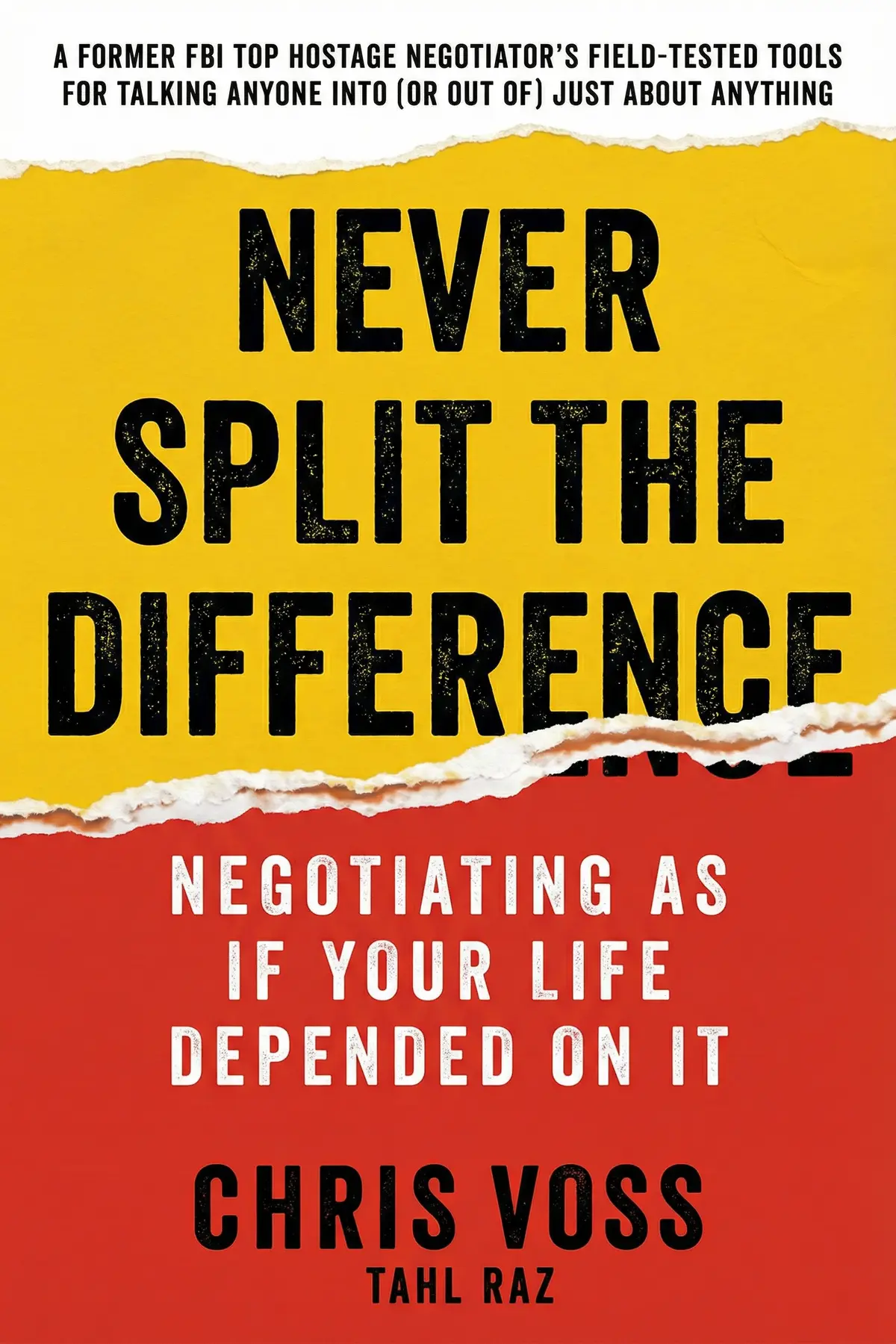
Imagine It Forward: Courage, Creativity, and the Power of Change
Beth Comstock's rise to vice chair of GE shows how to push for change without formal power, hold steady through hostility and crisis, and use conflict, storytelling and outside ideas to move a stubborn organization forward.
Table of Content
1. Introduction
1 min 05 sec
Most people wait until they feel powerful before they push for change, and Beth Comstock argues that the waiting is the mistake. In Imagine It Forward, written with journalist Tahl Raz, Comstock, who became the first woman to serve as vice chair of General Electric, makes the case that anyone can act long before a title gives them permission. Her own career is the evidence. She left a stalled small-town life to start over as a single mother, survived a hostile headquarters run almost entirely by men, and helped drag a company that had worked the same way for more than 125 years into the digital age.
Her argument is simple to say and hard to live by. Change always comes with risk, conflict and uncertainty, and the people who move forward treat those as signals to act. Along the way she offers moves for anyone stuck in a job, a team or a company that resists the new, from listening like an outsider to telling a clear story when the numbers collapse.
2. Act before anyone hands you the power
1 min 51 sec
A young reporter waiting tables in her hometown made one decision that everyone around her would have advised against. It reveals the belief that keeps most people stuck, and the habit she credits for everything that followed.
3. Turn being the outsider into an edge
1 min 58 sec
At GE’s executive conference, women were sent to a makeshift restroom by the hotel kitchen. Comstock faced that hostility with a trait most business advice treats as a weakness, and it worked better than speaking louder.
4. Answer a crisis with something bold
2 min 00 sec
In the days after September 11th, almost everyone at GE wanted to stay silent. Comstock pushed for a move her colleagues called business suicide, and within days it was hanging on walls across New York.
5. Conflict is the price of real progress
1 min 50 sec
Pushing NBC toward digital earned Comstock public humiliation, false press stories and a physical confrontation with a powerful executive. Her surprising view of why the company let the fight continue changes how resistance looks.
6. A clear story steadies a shaken team
1 min 58 sec
Expensive consultants told GE its finances were fine. A year later the share price had collapsed and the government stepped in. What Comstock learned about rebuilding had nothing to do with spreadsheets.
7. Invite outsiders to solve what you can't alone
2 min 00 sec
GE built its power on owning knowledge and guarding it closely. Comstock convinced the company to do the opposite and open its doors to strangers, and some of those strangers built businesses worth backing.
8. Conclusion
1 min 09 sec
Comstock’s career is a string of moments when the safe choice was obvious and she turned it down. There was a small-town marriage, a silent seat in hostile meetings and a press office that wanted to hide after 9/11. There was a television chief who wanted digital gone and a company that hoarded what it knew. Each time, the risk, conflict or uncertainty that warned others away was her cue to move.
She ends with a word her GE colleagues used against her: “dabbler.” She tested new ideas even when they would probably fail. Psychologists believe, she notes, that exceptional creative people do not fail less often than ordinary ones; they simply have more ideas. So wear the label with pride. Keep a running list of small experiments and try one this month, knowing most will not work. When resistance comes, listen for the useful part of the objection. When things go wrong, tell people plainly what happened and where you are going next.
Change will not wait until you feel ready or powerful. Comstock’s whole career argues that you need neither. You only need to take the next step.
About this book
What is this book about?
Most people believe that change belongs to the powerful: the managers, the executives, the ones with titles. Beth Comstock disagrees. Her career started with a stalled job search in her hometown and ended with her as the first woman to serve as vice chair of General Electric. She argues that she got there by acting first, long before anyone gave her permission. Written with journalist Tahl Raz, Imagine It Forward follows Comstock through a series of turning points. She left a small-town marriage to start over as a single mother in Washington. She held her ground in a GE headquarters hostile to women, and she ran a defiant newspaper ad after September 11th that her colleagues called madness. She fought a bitter battle to move NBC into digital, told a steadying story after GE nearly collapsed in the financial crisis, and opened a closed industrial giant to inventors from around the world. Each episode carries a lesson you can use: how to act without authority, how to turn being an outsider into an advantage, why conflict improves ideas, and why a team in shock needs a story before it needs a plan.
Book Information
Who it's for
Feeling too junior
Early-career professionals who feel they need a title before they can push for change.
Sidelined women and introverts
Women and quiet introverts working in cultures that sideline them.
Pushing for digital change
Managers and innovation leads trying to move a traditional organization toward digital and open collaboration.
About the Author
Beth Comstock
Beth Comstock, born in 1960, spent nearly three decades at GE, where she served as Chief Marketing Officer and rose to vice chair. She created GE Ventures, oversaw GE Lighting and ran GE Business Innovations. Earlier, at NBC Universal, she led advertising revenue and digital efforts, including the early development of hulu.com. She has been a director at Nike and a trustee of The National Geographic Society. Her co-author, Tahl Raz, is a journalist and editor whose work has appeared in Inc., GQ and Harvard Business Review. He co-authored Never Eat Alone and Never Split the Difference.
Ratings & Reviews
Ratings at a glance

What people think
Listeners consider this to be a top-tier business selection that offers actionable tips and serves as an ideal roadmap for navigating innovation and change. Furthermore, the content is profoundly intimate and motivating, leading one listener to characterize it as a "triple espresso of encouragement." Listeners also value the creative style, with one mentioning that it makes theories about change feel tangible, and they enjoy the narrative technique, with one review pointing out that it reveals the reality of both triumphs and setbacks.
Top reviews
Orm
Finally got around to reading this, and it felt like a triple espresso shot of pure motivation for my career. Beth Comstock provides an incredibly transparent look at what it actually takes to be a change agent in a world that often resists new ideas. Personally, I found her stories about the 'Imagination Breakthroughs' at GE to be the perfect guide for anyone navigating the complexities of a legacy organization. She doesn’t just highlight the wins; she’s honest about the failures and the friction that comes with disruption. The way she describes the need for curiosity and the courage to outpace innovation is both poetic and practical. If you feel stuck in your current role, this book serves as a powerful reminder that you are the author of your own story and have the right to claim your own space. Truly inspirational.
Show moreFang
Wow, what a refreshing look at the messy reality of trying to innovate within a massive corporate machine like GE. Look, many leaders try to hide their insecurities, but Comstock’s willingness to discuss being a shy 'outsider' even at the C-suite level is incredibly encouraging. This isn't just a book about success; it’s about the grit required to handle the arrows that come at you from both the front and the back when you try to change things. The storytelling is vivid, and the advice on building a narrative for adaptation is something I’ve already started applying in my own team meetings. It truly is a 'triple espresso' for the soul of any frustrated entrepreneur working inside a big company. I finished it feeling empowered to follow my curiosity and ignore the traditional gatekeepers who hold us back.
Show moreDarius
As someone who works in a legacy industry, Comstock's insights on navigating institutional inertia were incredibly timely and resonant. Truth is, most business books gloss over the actual conflict required for growth, but she leans into it with refreshing honesty. I particularly enjoyed the sections on 'emergence' and how to identify future-oriented leaders within a stagnant culture. The mix of personal vulnerability and strategic advice makes for a compelling read that feels far more human than your standard CEO manifesto. While some of the physical descriptions of coworkers felt a bit out of place, the core message about sparking discovery in the workplace is vital. It’s an inspiring roadmap for anyone who refuses to accept the status quo and wants to bring more creativity to their daily professional life. A very solid four stars for the practical wisdom hidden within the narrative.
Show moreAnong
Imagine It Forward is a solid guide for anyone trying to shake things up in a large organization. Gotta say, the way Comstock rebrands the 'introvert' label as a strength in leadership was one of the most relatable parts of the book for me. She walks you through the messy process of 'Ecomagination' and other GE initiatives, showing exactly how hard it is to move a giant ship in a new direction. The writing style is engaging, though I agree with other reviewers that it leans heavily into memoir territory. However, the 'sparks' of wisdom found in her storytelling make it worth the effort. It’s less of a rigid textbook and more of a narrative about resilience and the necessity of constant adaptation. A great pick for aspiring change-makers who need a bit of a push to start taking risks.
Show moreNoppadol
The concept of 'permission slips' might seem a bit simplistic to some, but I found the psychological shift it encourages to be quite powerful in practice. In my experience, the biggest barrier to innovation is often our own internal gatekeepers, and this book helps you dismantle those mental blocks. Comstock shares a wealth of knowledge from her time at the top of the corporate world, offering a unique perspective on how to manage tension and confrontation effectively. The book is visually interesting with its call-out boxes and challenges, which helps break up the longer narrative sections. It’s a deep dive into what it means to lead with imagination. Although the GE-specific examples feel a little anchored in the past, the underlying principles of discovery and bravery remain evergreen for any modern professional trying to make an impact.
Show moreCarter
Picked this up on a recommendation and wasn't disappointed by the blend of narrative and advice. In my view, the book succeeds because it treats innovation as a human problem rather than just a technical or financial one. Comstock’s anecdotes about bringing people like Ben Kaufman on board to challenge the status quo were fascinating and provided real-world context for her theories. While the book is definitely long and at times feels a bit too focused on GE's internal politics, the lessons on 'imagination breakthroughs' are universal. It encourages you to look up from your desk and actually assess the changes happening in your industry today. If you want to transform into a forward-thinking solution provider, this provides a very solid, albeit lengthy, roadmap to get there. It’s a deeply personal journey that many will find useful.
Show moreSamroeng
Does the world really need another business memoir? Usually, my answer is no, but this one feels different because of its authentic focus on the discomfort of change. In short, Beth Comstock has written a manual for survival in a transformational era. She doesn't shy away from the fact that inventing the future requires vision and a high tolerance for tension. The chapters on creating a culture of discovery were particularly strong, offering a bridge between corporate strategy and individual creativity. Even though some sections felt a bit repetitive, the overall message about becoming a change-maker is vital. It’s a thoughtful exploration of how to stay curious and courageous in an environment that often rewards the opposite. Definitely worth a read for anyone leading a team through uncertain times and looking for a way to move their ideas forward.
Show moreYothaka
This book occupies a strange middle ground between a C-suite memoir and a tactical business manual, often swaying too far into the former. While Beth Comstock’s journey from a shy introvert to a GE powerhouse is undeniably impressive, the narrative feels bloated by excessive detail about corporate ladder climbing that doesn't always translate to actionable advice. To be fair, there are moments of brilliance regarding innovation and how to challenge the status quo, but you have to dig through pages of GE-centric history to find them. The 'permission slip' concept felt a bit juvenile to me, though I understand the intent behind it. It’s a decent read if you have the patience for long-form storytelling, but it definitely could have benefited from a much tighter edit to keep the focus on the business toolkit aspects. It reminded me slightly of Brené Brown’s style, but it lacks the same universal emotional resonance.
Show moreSuthinee
If you're looking for a straight business toolkit, you might be disappointed by how much of this book is dedicated to Comstock's personal autobiography. Not gonna lie, I found myself skimming through the detailed accounts of her early career ladder climbing to get to the actual advice on innovation. The book is quite thick and feels like it needed a more ruthless editor to trim the fat and focus the impact. That said, when she does get to the 'Imagine It Forward' concepts, they are genuinely insightful. Her focus on psychological safety and the value of conflict in the creative process provides a necessary counter-narrative to traditional management styles. It’s a bit of a mixed bag, but there’s enough gold in here to satisfy a patient reader who enjoys a long-form story about corporate transformation.
Show moreRin
I really wanted to like this, but I struggled to get past the first few chapters because of the tone. Frankly, the book comes across more as a self-congratulatory autobiography than a useful guide for modern innovators. Comstock spends a lot of time discussing her rise through GE and NBC, but the advice feels watered down and occasionally outdated for today's tech-driven landscape. Her descriptions of former colleagues felt unnecessarily petty at times, which distracted from the actual message of the book. While there are some decent quotes about imagination and risk-taking, the overall structure is messy and much too long. I tapped out halfway through because I wasn't gaining enough real insight to justify the time investment. It might appeal to fans of GE’s glory days, but it missed the mark for me as a practical business read.
Show moreQuestions about this book
What is Imagine It Forward about?
Written with Tahl Raz, it is Beth Comstock’s account of her path from a stalled reporting job in her hometown to becoming General Electric’s first female vice chair. Through episodes such as her post-9/11 newspaper ad, her fight to bring NBC into digital and GE’s near collapse in 2008, she argues that change always brings risk, conflict and uncertainty. Moving forward means acting anyway.
How did introversion help Beth Comstock at GE?
When she joined GE in 1998, many male executives left her out of meetings and resented her presence. As an introvert, she was used to being the quiet outsider. She relied on traits she says introverts often have, such as listening and observing carefully, and focused on her colleagues’ ideas instead of their hostility. That let her keep her distance and avoid taking the treatment personally.
Why does Comstock say conflict is good for innovation?
She argues that tension is an unavoidable part of change and can improve ideas, because innovators are forced to weigh opposing views. Her own fight with NBC TV chief Jeff Zucker over shifting money to digital was bitter and personal, yet she understands why GE let it play out. The process ended with her overseeing the $600 million purchase of the digital platform iVillage.
How can I apply the lessons of Imagine It Forward?
Start by naming one change you have postponed and checking whether the obstacle is real or just a lack of permission. In a crisis, look for the bold, useful move instead of hiding. After a setback, explain to your team what happened and where you are heading. And dabble: try many small experiments, since Comstock notes that the most creative people simply have more ideas.
What was the GE Ecomagination Challenge?
It was a public contest Comstock helped launch to open GE to outside ideas. Inventors and entrepreneurs around the world submitted sustainable energy innovations, and GE, partnering with venture capital firms, divided $200 million among the winners. In total GE invested $140 million in 23 start-ups, including Opower, a digital service that helps households save energy.
Readers also enjoyed




A Year with Peter Drucker: 52 Weeks of Coaching for Leadership Effectiveness
Joseph A. Maciariello



Acting with Power: Why We Are More Powerful Than We Believe
Deborah Gruenfeld

All In: How Great Leaders Build Unstoppable Teams
Mike Michalowicz


AUDIO SUMMARY AVAILABLE
Listen to Imagine It Forward in 15 minutes
Get the key ideas from Imagine It Forward by Beth Comstock, plus 5,000+ more nonfiction titles.
- 5,000+ titles
- Listen as much as you want
- 7-day free trial
- Cancel anytime









