
14 min 35 sec
Available in: English
Follow the Science: How Big Pharma Misleads, Obscures, and Prevails
An investigative reporter's case that drug makers and health agencies sometimes hide risks, push weak drugs and manage the message, with questions you can put to any treatment, study or official health claim.
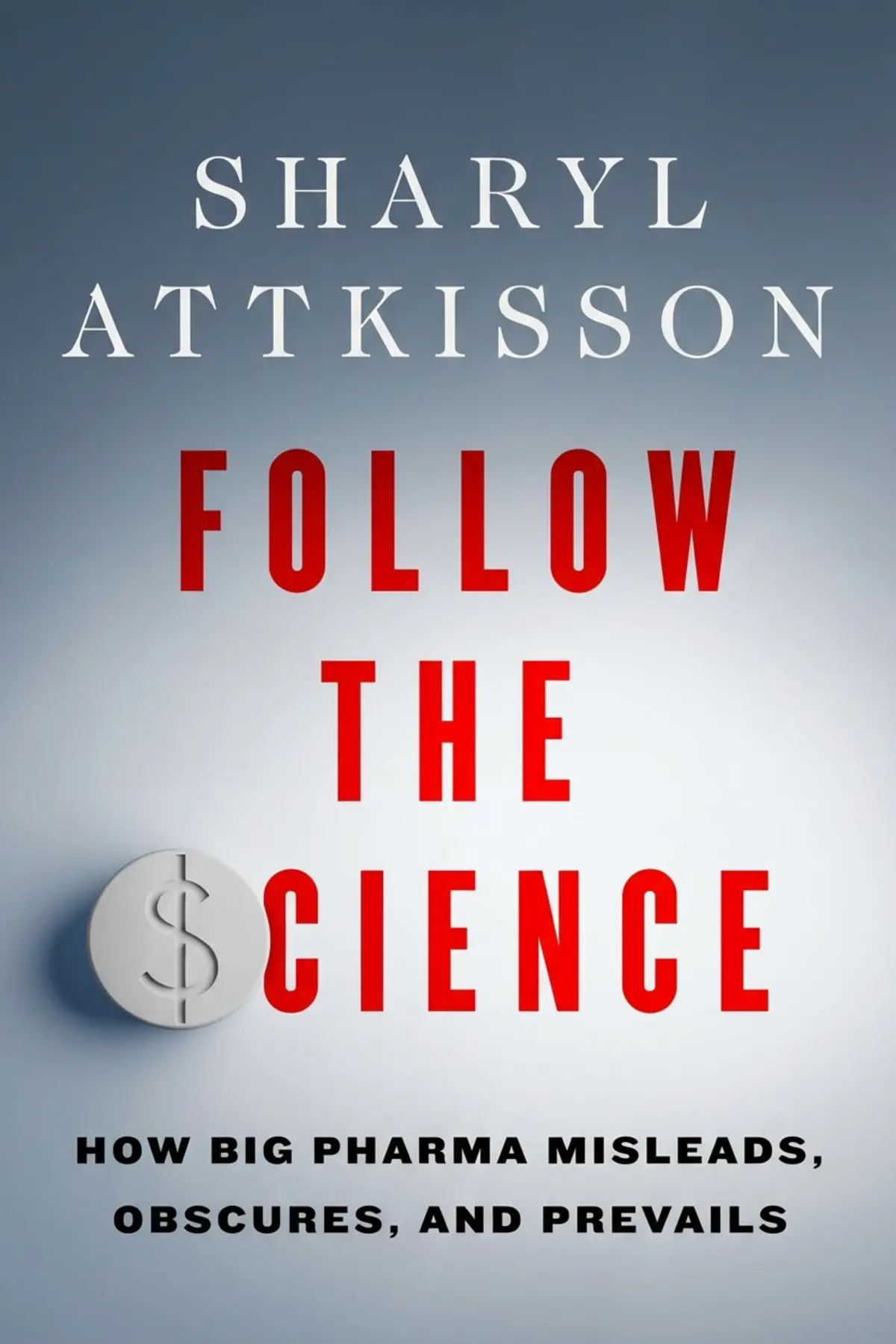
Table of Content
1. Introduction
1 min 07 sec
If health headlines leave you unsure whom to believe, Follow the Science offers a starting point: the systems built to protect public health may sometimes be doing harm. Sharyl Attkisson, a former CBS News investigative correspondent, points to rising chronic illness, mental health disorders and once-rare diseases, and argues that policymakers often protect drug companies instead of asking why. Her throughline is simple. When profit and power shape medical decisions, the public gets only part of the story, so asking hard questions becomes a necessary habit for any patient.
She builds that case from a chain of investigations: a smallpox vaccine drive after the September 11 attacks, an oxygen experiment on premature babies, an Alzheimer’s drug approved over its own experts’ objections, and the COVID-19 years. Whatever you conclude about each case, you will leave with a working set of questions for any drug, study or official message, beginning with who benefits and what was left out.
2. Spot the harms that never get counted
1 min 38 sec
A government vaccine program after 9/11 looked safe on paper. Then a well-known television journalist died in Iraq, and the gap between recorded harm and real harm started to show.
3. Ask what a medical study is really testing
1 min 39 sec
Mothers of premature babies were told a hospital study would offer support. What the study actually did, and what the staff were shown, raised questions that powerful universities preferred to leave alone.
4. Spot the gaps behind an approved drug
1 min 48 sec
An Alzheimer’s drug whose trials had been stopped for weak results still reached patients, at a price of tens of thousands a year. The path it took says a lot about how close regulators and makers can get.
5. Know the limits of recourse after a vaccine injury
1 min 39 sec
Families who believe a vaccine harmed their child cannot simply sue the company that made it. The special system built for them, and one case the government settled, show what the public rarely hears.
6. Test official health advice against its own data
1 min 52 sec
The most senior officials promoting COVID-19 vaccines caught the virus more than once. Attkisson uses that moment to examine advice on staying home, counting deaths and immunity that she says the numbers did not support.
7. Follow the money behind which treatments win
1 min 50 sec
An old, cheap malaria drug and a new antiviral competed for a place in COVID-19 care. The way each was judged, Attkisson argues, had as much to do with politics and profit as with patients.
8. Find care when a lingering illness gets dismissed
1 min 44 sec
Millions report feeling unwell long after an infection or a shot, and many doctors have no answer for them. One physician in Alabama started looking for something too small to show up easily.
9. Conclusion
1 min 18 sec
The title is a slogan Attkisson turns back on the people who use it. Following the science, in her reading, means following the consent forms, the advisory votes, the uncounted side effects and the money. It means asking why parents of premature babies were not properly told that death was a risk, or why ten expert votes against a $56,000 drug did not stop it. Her case is that medicine’s failures rarely come from a single villain. They come from institutions that grow close to the companies they oversee and then manage the story.
She ends on hope. Independent doctors and researchers are challenging the official line, and an informed public can push for a health system that is more open and more accountable.
That hope asks something of you. Before a new drug, study or vaccine, ask for the serious risks in plain words and how hard anyone looked for them. When advice comes from the top, check whether its own numbers still support it and whether mistakes were ever corrected. When one treatment is praised and a cheaper one dismissed, find out who gains from each. Trust can be rebuilt, in her view, but only by institutions willing to show their work.
About this book
What is this book about?
Chronic illness, mental health disorders and once-rare diseases are rising, even as medicine keeps setting records. Sharyl Attkisson argues that the institutions meant to protect public health are part of the problem, because they often answer to pharmaceutical interests before patients. A veteran investigative journalist, Attkisson builds her case from a series of episodes. A smallpox vaccination drive after the September 11 attacks left its harms undercounted. A government-funded oxygen study on premature babies did not properly tell parents about the risks. The FDA approved the Alzheimer's drug Aduhelm after its own advisers voted against it. She then turns to the vaccine court, the shifting messages of the COVID-19 years, the political fight over hydroxychloroquine and remdesivir, and patients with lingering illness who struggle to find a doctor who will take them seriously. Readers get her account of how corporate influence and secrecy have worn down trust in medicine. They also get a practical habit for everyday life: before trusting a health claim, check how its risks were counted, whether its own data still backs it, and who stands to gain.
Book Information
Who it's for
Weighing medical choices
Patients and parents weighing a new drug, vaccine or research study who want sharper questions to ask.
Confused by COVID-19 advice
Readers confused by shifting COVID-19 advice who want one reporter's account of what went wrong.
Dismissed by their doctors
People with lingering illness that doctors keep dismissing.
About the Author
Sharyl Attkisson
Sharyl Attkisson, born in 1961, spent 21 years at CBS News, much of it as an investigative correspondent in the network's Washington bureau, and she also filled in as anchor on the CBS Evening News before leaving in 2014. She has won five Emmy Awards and the Edward R. Murrow Award for investigative reporting. She hosts the Sunday news program Full Measure with Sharyl Attkisson. Her other books include Stonewalled, The Smear and Slanted, and the first two became New York Times bestsellers.
Ratings & Reviews
Ratings at a glance
What people think
Listeners find this work both gripping and thoroughly documented, calling it essential reading for informed Americans. The investigative reporting is highly praised, as one listener points out the meticulous way the author carries out her research. Listeners characterize the book as eye-opening and stimulating, with one review emphasizing how it alters one's view of the media. The caliber of the writing earns positive feedback, and listeners value the significant amount of information disclosed throughout the text.
Top reviews
Wit
Picked this up after seeing a segment on Full Measure and I wasn't disappointed. Attkisson brings her signature investigative depth to a topic that most mainstream outlets are frankly too scared to touch. She explores the complex web of financial ties between regulators and the industry, showing how money often dictates the "truth" we're told. It is eye-opening to see how ghostwriting in medical journals actually works. My only minor complaint is that the formatting can feel a bit dense at times because there is just so much information to digest. If you want to understand how the system actually operates, this is a must-read for every American citizen. It's time we stop blindly trusting and start asking the hard questions.
Show morePita
Wow, this was such a powerful and illuminating read that I truthfully couldn't put it down once I started. Attkisson has a way of taking complex data and turning it into a narrative that is both compelling and easy to follow. The information about the herbicide atrazine and its role as a hormone disruptor was particularly shocking to me. It makes you realize how little we actually know about the chemicals in our environment. While the book is quite long and covers a lot of ground, the chapters are well-organized and lead to a logical conclusion. This is investigative journalism at its finest, reminding us why we must always follow the money. This book changed my perspective on the media.
Show moreSamira
As a skeptic of the mainstream narrative, I found this book to be an essential resource for understanding the true state of American healthcare. Attkisson’s background as an Emmy-winning reporter shines through in every chapter as she exposes the conflicts of interest that plague our regulatory agencies. The truth is, we have been misled for decades by a system that prioritizes profit over patients. I was especially impressed by her courage in discussing the links between vaccines and autism, a topic that has been unfairly silenced for far too long. This book is more than just an exposé; it is a vital tool for anyone seeking to navigate the modern world. It is time for us to demand better from those in power.
Show morePatcharaporn
Ever wonder why pharmaceutical companies spend so much on commercials when you can't even buy their products without a doctor? This book explains exactly why, pulling back the curtain on the massive influence the industry exerts over our daily lives. Attkisson meticulously details how the CDC and FDA failed the public during the COVID-19 pandemic by ignoring natural immunity and suppressing valid counterpoints. It’s a wild ride that will leave you feeling a bit paranoid but also much more informed about your health choices. In my experience, the section on mercury in vaccines was the most eye-opening part of the whole book. We need more transparency in our government agencies immediately to protect future generations.
Show moreMeen
Attkisson doesn't pull any punches here, and gotta say, it's about time someone spoke up about the corruption in our healthcare system. The way she links the funding of activist groups to the very companies producing the medications they promote is a stroke of investigative brilliance. You can tell she’s a seasoned pro by the way she structures her arguments and builds a case against the pharma-government line. Some might call her a conspiracy theorist, but the evidence she presents regarding ghostwritten studies is hard to ignore. This book is a huge wake-up call for anyone who blindly trusts their physician. I highly recommend it to anyone who wants to take control of their own medical destiny and seek the truth.
Show moreRoo
Few journalists today have the courage to stand up to the pharmaceutical industrial complex like Sharyl Attkisson. This book is a masterclass in investigative reporting, showing how billions of dollars in advertising spend effectively buy the silence of major media outlets. She challenges the idea that any science is ever truly settled, which is a perspective we desperately need in today’s polarized climate. The details regarding the Aduhelm Alzheimer's drug approval were especially gut-wrenching to read. While some readers might find her inclusions of alternative viewpoints controversial, she is simply doing the job of a real reporter. It is a compelling and necessary call to action for anyone who cares about medical freedom and the health of their family.
Show moreYok
The chapter on atrazine and how it affects hormonal development was absolutely chilling to read. I had no idea that a single herbicide could have such a profound impact on biology, yet remain so widely used despite the research. Sharyl Attkisson writes with a clear, direct style that makes complex medical topics accessible to a general audience. That said, I do wish she had included a more formal bibliography or a detailed list of citations at the end of the book. Without them, it’s a bit harder to verify some of the more shocking claims she makes about vaccine injuries. Despite that, the book is incredibly thought-provoking and will definitely make you question everything you hear on the news.
Show moreSarocha
Finally got around to reading this after hearing Sharyl on a podcast, and I honestly have to say, it’s an incredibly dense but rewarding experience. The sheer volume of information regarding the suppression of adverse drug effects is enough to make anyone question the safety of the modern medicine cabinet. I appreciated her breakdown of the SUPPORT study involving premature babies, even though it was heartbreaking to read. Personally, my only issue is that the book feels a bit disjointed when she pivots from hard data to social commentary. However, the core message about the lack of informed consent is something every parent needs to hear. It's a solid four-star read that will stay with me for a long time.
Show moreSeksan
To be fair, this book is a bit of a mixed bag for me. On one hand, Attkisson does a phenomenal job exposing the revolving door between the FDA and major drug companies. Her breakdown of the natural immunity debate during the pandemic was particularly insightful and felt very well-researched. On the other hand, the section where she links vaccines to autism felt like a step too far into debunked territory. I also found it strange that she gave so much weight to internet posts as valid sources in certain sections. It’s a long, intense read that requires you to sift through the facts to find the real gems. If you can stay objective, there is a lot to learn here about pharmaceutical influence.
Show moreSomboon
Look, I really tried to finish this, but the shift in tone halfway through was just too much for me to handle. It starts with some very rational and well-documented points about Big Pharma’s greed, which I totally agree with. However, it quickly devolves into territory that feels more like a blog post than a journalistic exposé. When the author starts citing celebrities like Robert De Niro as if their opinions are scientific evidence, she lost me completely. I also don't understand what the January 6th events have to do with pharmaceutical corruption. It’s a shame because there are some important kernels of truth hidden in here, but they are buried under too much speculation. I expected better from an Emmy winner.
Show moreQuestions about this book
What is Follow the Science by Sharyl Attkisson about?
Attkisson, an investigative journalist, argues that drug companies and government health officials have sometimes put profits ahead of patients. She builds the case from episodes including a post-9/11 smallpox vaccine program with undercounted harms, an oxygen study on premature babies with flawed consent, the FDA’s approval of the Alzheimer’s drug Aduhelm, and the messaging and treatment decisions of the COVID-19 pandemic. Her conclusion is that questioning official narratives is necessary for better health care.
Why does Attkisson criticize the approval of Aduhelm?
Aduhelm’s trials were stopped in 2019 when early results suggested it did not work. Biogen reanalyzed the data and worked closely with the FDA, which even issued a joint report with the company. The FDA’s advisory committee opposed the drug, with ten members voting against it, yet it was approved. It cost $56,000 a year and was linked in reports to brain swelling and deaths, which Biogen denied were proven.
What does the book say about informed consent?
Attkisson uses the SUPPORT Baby Oxygen study, run from 2005 to 2009 at 23 institutions including Duke and Yale, as her main example. Mothers were told the study offered support, but infants were randomly given high or low oxygen, and staff saw altered readings. The Office for Human Research Protections found that risks, including death, were not properly disclosed, yet academic pressure blocked serious corrective action.
How can I apply the ideas in Follow the Science?
The book points to a few habits. Ask how side effects were counted, since Attkisson argues most go unreported. Before joining a study, find out what is compared and what the worst outcomes are. Treat drug approval as a starting point and check what the trials showed. When one treatment is promoted and another dismissed, ask who profits from each and who made the decision.
What does Attkisson say about Long Covid?
She describes Long Covid and what she calls Long Vax as conditions linked to spike proteins and microclots, reporting that up to 25 percent of adults showed signs of long-term illness by early 2024. Many doctors dismiss or misdiagnose these patients. She highlights Dr. Jordan Vaughn, an Alabama internist who has found microclots in hundreds of patients and treated some with anticoagulants, and urges sufferers to seek out willing specialists.
Readers also enjoyed


A Promised Land
Barack Obama

A River in Darkness: One Man’s Escape from North Korea
Masaji Ishikawa

A Theory of Justice
John Rawls



A Warning
Miles Taylor


AUDIO SUMMARY AVAILABLE
Listen to Follow the Science in 15 minutes
Get the key ideas from Follow the Science by Sharyl Attkisson, plus 5,000+ more nonfiction titles.
- 5,000+ titles
- Listen as much as you want
- 7-day free trial
- Cancel anytime









