

15 min 27 sec
Available in: English
Fall and Rise: The Story of 9/11
Retells September 11, 2001, through the people who lived it. It shows how a fast, coordinated plot overwhelmed the people trying to stop it, and how individual choices made in minutes saved lives.
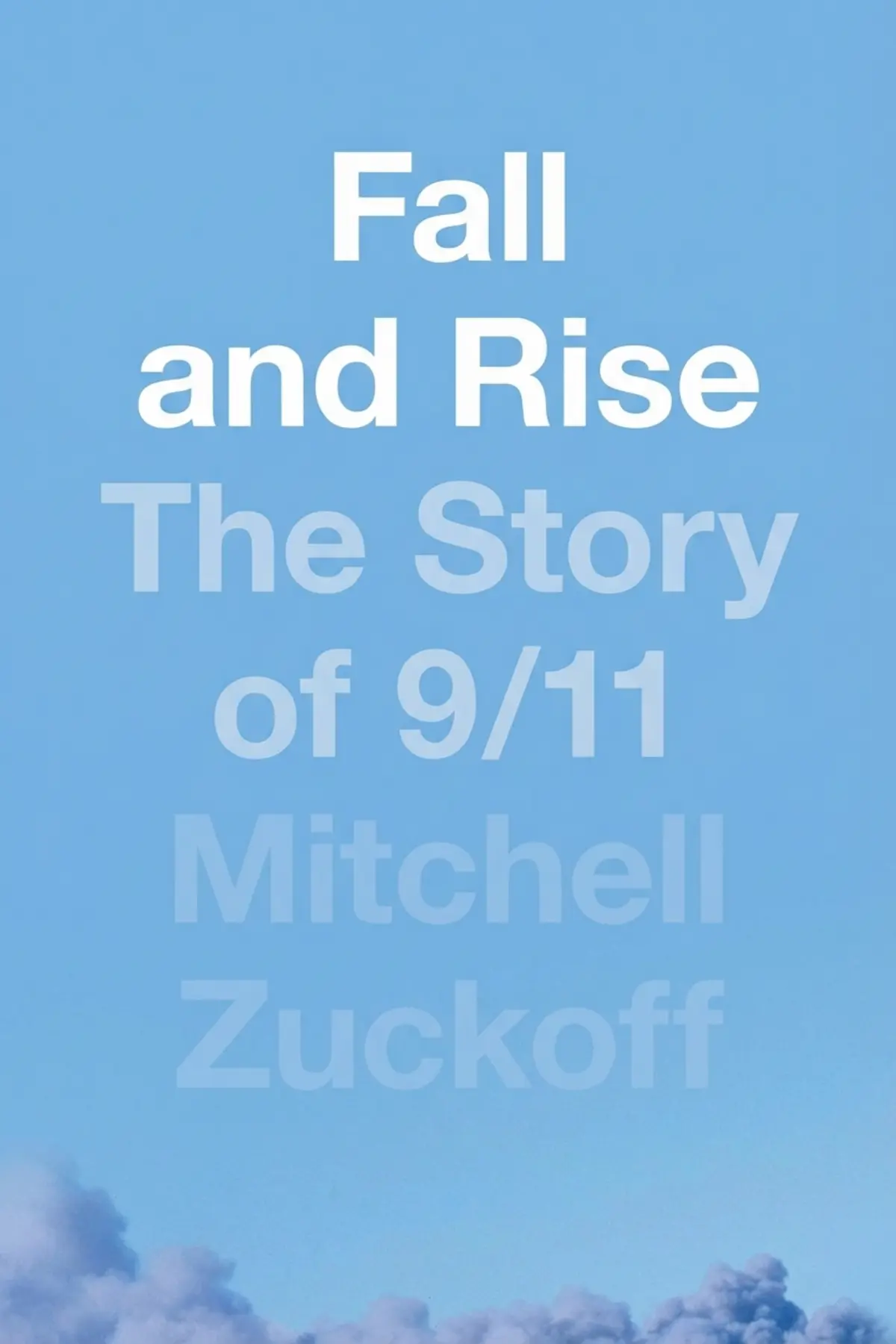
Table of Content
1. Introduction
58 sec
Most people remember September 11, 2001, as numbers: four hijacked airliners, 2,977 people killed, more than 25,000 injured. In Fall and Rise, Mitchell Zuckoff, who was reporting for The Boston Globe that day, turns those numbers back into people, and their stories show how the attacks actually worked. The plot won through speed, moving faster than a defense system built for older kinds of hijacking could understand. Inside that confusion, though, outcomes often came down to ordinary people choosing what to do within minutes, on partial information.
A flight attendant on a seat phone. An office worker told by a guard to go back upstairs. Passengers who heard the news by phone and made a plan. Firefighters who walked at the pace of one injured woman. What emerges is a clear account of how systems fail under surprise, and of what people can still do when they do.
2. Understand the years of planning behind one morning
1 min 48 sec
From the outside, the attacks seemed to come out of nowhere. In fact they grew slowly over several years, carried out by men chosen for one particular set of skills. Why did so few people see the danger coming?
3. See how speed outran every warning that morning
1 min 53 sec
A flight attendant raised the alarm within minutes, and still three more planes left the ground. Her call shows exactly how the hijackers turned a few minutes of confusion into their biggest advantage.
4. Mismatched systems can blind a whole defense
1 min 51 sec
Fighter jets were in the air soon after the first hijacking, yet they had no idea where to go. The reason was hiding in the equipment two agencies used to watch the very same sky.
5. Question official advice when events outrun it
1 min 50 sec
A security guard told a South Tower worker the danger was in the other building and he should return to his desk. What happened next turned two strangers into lifelong friends.
6. Training that points you the right way
1 min 54 sec
While coworkers ran for the nearest outer wall, a Navy doctor headed deeper into the burning Pentagon. His efforts, along with those of others like him, helped hundreds of people find a way out.
7. Shared information turned passengers into defenders
2 min 05 sec
One plane left half an hour late, and that small delay changed what the people on board knew. A single phone call ending in three famous words shows what they chose to do with it.
8. Slowing down for one person saved Ladder 6
1 min 53 sec
Every instinct told a fire company to run down the stairs of a tower that could fall at any moment. They slowed down for a stranger instead, and that choice ended in something close to a miracle.
9. Conclusion
1 min 15 sec
Fall and Rise keeps returning to the gap between numbers and people. Nineteen men, years of planning and a few hours of speed overwhelmed a system designed for hijackers who wanted to land somewhere. Radar systems that could not understand each other, a guard repeating outdated advice and radios that went silent all show how institutions fail when events outrun their picture of the world.
Yet Zuckoff’s story belongs to individuals. Betty Ong gave the first clear report from a seat phone. Dave Tarantino turned toward the courtyard while others ran for the edge. The passengers of Flight 93 used the news they had and decided together. Ladder 6 slowed down for one woman and ended up in the one stretch of stairwell that held.
The book leaves something you can use. In a fast emergency, treat official reassurance as a snapshot that may already be old, and weigh it against what you can see. If you lead people, make sure they share one language and one working channel before the day you need it.
And keep the names. Zuckoff writes for those who watched on television and those too young to remember, so that 2,977 deaths stay 2,977 lives.
About this book
What is this book about?
Most people know September 11 as a set of figures: four hijacked airliners, 2,977 dead, more than 25,000 injured. Mitchell Zuckoff, who was reporting for The Boston Globe that day, sets out to turn those figures back into the people behind them, minute by minute. His account follows the plot from bin Laden's 1998 declaration of war through Mohamed Atta's flight training in Florida to the morning itself. He shows how four flights leaving within 43 minutes of each other swamped air traffic controllers, airlines and the military. They had never pictured hijackers flying the planes themselves, and their radar systems could not understand each other. Then he moves inside the story: a flight attendant who raised the first alarm, an office worker sent back upstairs, a Navy doctor at the Pentagon, the passengers of United 93 and a fire company caught in a collapsing tower. Readers get a clear picture of how the day unfolded and why the defenses failed. They also come away with lessons about acting under pressure when official information falls behind events.
Book Information
Who it's for
Curious what happened inside
Readers who remember 9/11 from television and want to know what happened inside the planes, towers and control rooms.
Students and younger audiences
Younger readers and students who need a clear, human account of the day.
Managers and emergency planners
Managers and emergency planners interested in how communication breaks down under pressure.
About the Author
Mitchell Zuckoff
Mitchell Zuckoff teaches at Boston University and writes nonfiction. He was a reporter for The Boston Globe, where he was named a Pulitzer Prize finalist for investigative work as a member of its Spotlight Team, and he was reporting for the paper on the day of the attacks. His other books include 13 Hours and Lost in Shangri-La. He has won the Livingston Award for International Reporting and the Distinguished Writing Award from the American Society of Newspaper Editors.
Ratings & Reviews
Ratings at a glance
What people think
Listeners find this 9/11 book to be an outstanding work with a poignant narrative that incorporates personal experiences and behind-the-scenes information. The writing is deeply researched and offers a thorough historical record, with one listener noting how it humanizes the victims. Listeners celebrate the caliber of the writing—one describing how the author paints a vivid picture—and find the overall experience both captivating and profound.
Top reviews
Jong
Wow, this book is a gut-punch that refuses to let you look away from the human cost of that Tuesday morning. Mitchell Zuckoff meticulously reconstructs the final moments of passengers and office workers, refusing to let them remain anonymous statistics in a historical ledger. You feel the claustrophobia of the stairwells and the desperate hope of those waiting for rescue. It is an incredibly heavy experience to process. To be fair, the level of research here is staggering and clearly represents years of dedicated interviews. I appreciated how he focused on the people rather than the grandstanding of politicians. This is the definitive account for anyone wanting to honor the victims.
Show moreBird
Mitchell Zuckoff has achieved something rare here by balancing the sheer scale of the 9/11 tragedy with the tiny, devastating details of individual lives. The structure of the book, dividing the timeline between the events in the sky and those on the ground, provides much-needed clarity. I was particularly struck by the stories from Shanksville and the heroic actions of the passengers on United 93. It is a heart-wrenching narrative that avoids being exploitative while still capturing the visceral terror of the impact zones. The author’s ability to humanize the victims through extensive interviews turns a historical event into an intimate tragedy. This is a thought-provoking and deeply researched masterpiece that demands your full attention. You will likely find yourself in tears by the final chapter.
Show moreSue
As someone who lived through that day watching the news in a haze, this book felt like finally seeing the faces behind the numbers. The author doesn't just list names; he gives us the stubs of their lives, from birthday cards to half-finished blueprints. This focus on the people's history makes the eventual collapse of the buildings feel personal and profoundly tragic. I appreciated the way Zuckoff handled the phone calls from the planes, as they are handled with a quiet dignity. Not gonna lie, it took me a long time to get through this because the emotional weight is so heavy. It is a remarkable achievement in reporting that ensures the victims will never be forgotten. Every chapter feels like a solemn act of remembrance.
Show moreLek
Pick this up if you want a comprehensive, minute-by-minute timeline that prioritizes the lived experience of the victims. Zuckoff manages to weave together the chaos of the four hijacked planes and the unfolding horror on the ground with surgical precision. I found the sections on the Pentagon particularly illuminating because that part of the day often gets overshadowed by the Twin Towers. The writing is incredibly vivid, making you feel as though you are standing right there on the smoke-filled 80th floor. Look, it is a difficult read emotionally, but it serves as an essential bridge for a generation that didn't witness it live. This is narrative non-fiction at its most powerful and respectful.
Show moreSomsak
To be fair, it’s almost impossible to write a perfect book about September 11th given the sheer magnitude of the horror. Zuckoff’s approach is to provide a relentless, chronological account that focuses on the human element rather than the why. While some might miss the political context, I think the narrow focus on the individual stories makes for a more visceral experience. There are moments where the prose veers into the mawkish, but the strength of the firsthand accounts usually balances it out. The detail regarding the Port Authority dispatchers and the communication breakdowns was particularly eye-opening for me. It is a solid, well-researched piece of journalism that fills in many of the gaps left by previous accounts. I would definitely recommend it to anyone looking for an intimate perspective.
Show moreLandon
Finally got around to reading this, and it is easily the most comprehensive account of the day I have ever encountered. The way Zuckoff weaves the various timelines together creates a sense of building dread, even though we already know the outcome. His writing is sharp and evocative, painting a vivid picture of both the heroism and the utter chaos of the morning. I was especially moved by the stories of the first responders who rushed toward the towers without hesitation. It is a thought-provoking look at how ordinary people react when the world literally falls apart around them. The book is an exceptional read that manages to be both informative and deeply respectful of the lives lost. This is a definitive work that belongs on every history lover's shelf.
Show moreIvan
Reading the transcripts of the 9-1-1 calls in the final chapters was an experience that will stay with me for a long time. Mitchell Zuckoff captures the desperation and the grace of the victims in a way that feels almost holy. The story of Melissa Doi and the dispatcher who stayed on the line with her is absolutely devastating. It is a heart-wrenching narrative that provides a voice to those who were silenced far too soon. I found the chronological structure very helpful for understanding how the different attacks overlapped throughout the morning. Personally, I think this is the most important book written about the day since the Commission Report was released. It is an emotionally exhausting journey, but it is one that feels necessary to take.
Show moreDen
After hearing so much about the politics of the war on terror, it was refreshing to read a book that focused strictly on the events of that single day. Zuckoff avoids the rabbit hole of conspiracy theories and instead builds his case with stubborn, undeniable facts. By ignoring the broader geopolitical complexities, he keeps the spotlight exactly where it belongs: on the courage of everyday people. You will learn things about the evacuation of the South Tower that will make your blood boil. The author paints a vivid picture of the sheer confusion and communication failures that plagued the first responders. It is a hauntingly beautiful tribute that functions as a collective memory for the nation. Every American should probably read this at least once.
Show moreCha
While the research is undeniably impressive, I found the narrative tone occasionally jarring during the more descriptive passages. Zuckoff has a tendency to describe the victims with the florid language of a paperback novel, which sometimes clashes with the grim reality of the subject matter. To be fair, his dedication to uncovering the behind-the-scenes details of the evacuation efforts is second to none. The accounts of the South Tower and the baffling instructions to stay put are truly infuriating to read. Even with my minor gripes about the prose, the book remains a comprehensive and necessary record of the day. It provides a level of detail that even the most dedicated history buffs will find fascinating. Just be prepared for a very emotional and draining journey through the past.
Show moreTantipat
The truth is, I found this narrative to be a frustrating mix of incredible reporting and bizarrely misplaced prose. Zuckoff clearly did his homework, but the way he describes every victim like a character in a romance novel, focusing on their ruddy skin or kind eyes, felt unnecessary. One moment we are reading about the horrific disintegration of human remains, and the next we are hearing about a firefighter's favorite farm animals. These lurches in tone are deeply disorienting and frankly kept me from fully immersing myself in the tragedy. It provides excellent detail on the Pentagon and United 93 that I hadn't found elsewhere. However, the lack of any geopolitical context makes the attacks feel like they happened in a vacuum. It is a vital record, but the writing style frequently gets in its own way.
Show moreQuestions about this book
What is Fall and Rise by Mitchell Zuckoff about?
It retells the September 11, 2001, attacks through the people who lived them. Zuckoff follows the plot from bin Laden’s 1998 declaration of war through Mohamed Atta’s training to the morning itself. Then he moves through the four flights, the Twin Towers, the Pentagon and the field near Shanksville. His aim is to turn the death toll of 2,977 back into individual stories of loss, courage and survival.
Why couldn't the military stop the 9/11 planes?
Zuckoff describes several obstacles. When American 11’s transponder was switched off, controllers lost its speed and altitude, and American 77’s signal later vanished too. The air defense sector and the FAA used different radar systems that produced misread, contradictory reports. Nobody had imagined hijackers flying the planes themselves. Fighters launched from Otis kept searching for Flight 11 after it had crashed. The pilots sent up from Langley were given no details, so they flew out to sea.
What happened on United Flight 93?
A runway delay of more than half an hour meant that by the time the four hijackers struck, passengers could learn by phone about the attacks on the towers. With the crew, they planned to stop the plane from reaching its target. Todd Beamer described the plan to an Airfone supervisor. The passengers stormed the cockpit, and the hijackers crashed the plane near Shanksville, Pennsylvania. No one on the ground was hurt.
What is the Ladder Company 6 story in Fall and Rise?
Captain Jay Jonas was leading his firefighters down Stairwell B of the North Tower when they met Josephine Harris, 59, who was struggling on a bad leg. They slowed to her pace. They had reached the fourth floor when the tower fell at 10:38, and they survived in the remains of the lower stairwell. Josephine was later made an honorary member of the company, called Guardian Angel.
What lessons does Fall and Rise offer today?
Beyond honoring the victims, the book shows how institutions fail when events move faster than their information, as with incompatible radar systems and unreliable radios. It also shows individuals doing better when they trust what they can see, act on training learned in advance and share information. Flight 93’s passengers and the Navy doctor Dave Tarantino at the Pentagon are both examples.
Readers also enjoyed

A History of Iran: Empire of the Mind
Michael Axworthy

A History of the World in 6 Glasses
Tom Standage

A Long Way Gone: Memoirs of a Boy Soldier
Ishmael Beah




A Splendid Exchange: How Trade Shaped the World
William J. Bernstein

A Spy Among Friends: Philby and the Great Betrayal
Ben Macintyre

AUDIO SUMMARY AVAILABLE
Listen to Fall and Rise in 15 minutes
Get the key ideas from Fall and Rise by Mitchell Zuckoff, plus 5,000+ more nonfiction titles.
- 5,000+ titles
- Listen as much as you want
- 7-day free trial
- Cancel anytime









