
16 min 38 sec
Available in: English
 ไทย
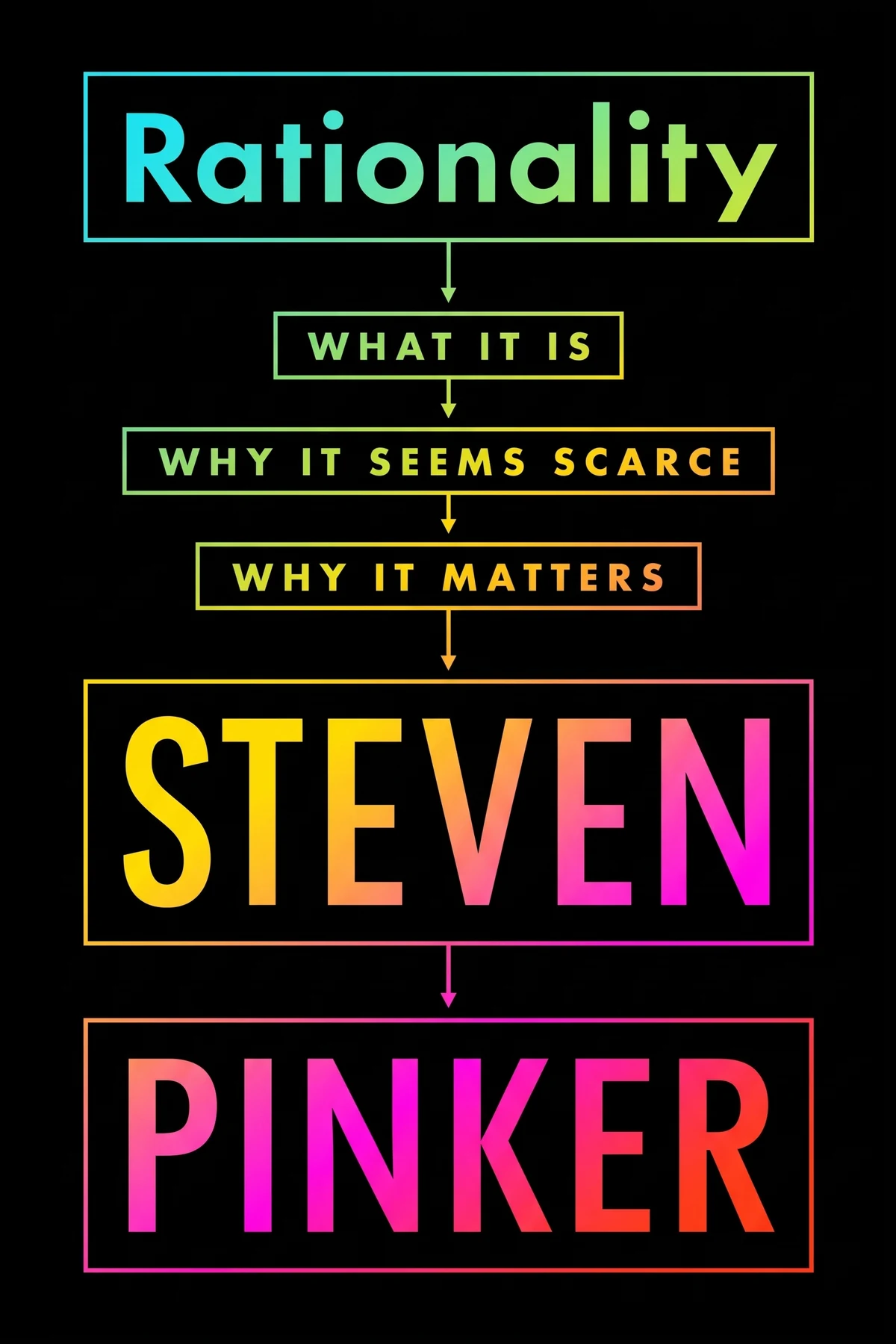
EnglishไทยEnlightenment Now: The Case For Reason, Science, Humanism, and Progress
Pinker uses long-run data on health, food, wealth, war and rights to show that the world is improving, credits the Enlightenment's faith in reason and science, and explains why today's fears are often out of proportion.
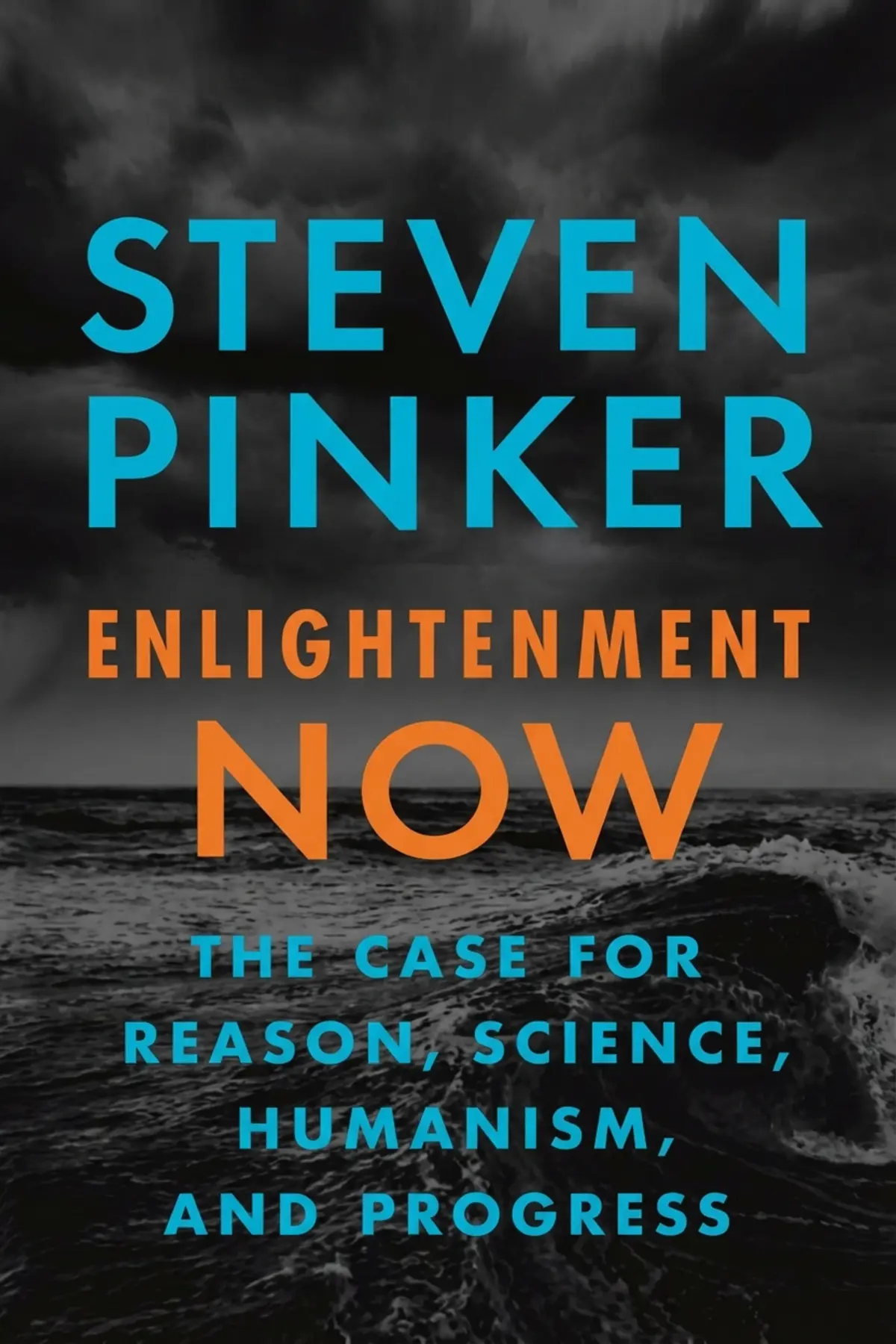
Table of Content
1. Introduction
1 min 00 sec
If the daily news is your only window on the world, it is easy to believe things have never been worse. In Enlightenment Now, Harvard psychologist Steven Pinker argues the opposite: violence, famine and poverty are at historic lows, while lifespans, wealth and happiness have never been higher. He credits the Enlightenment, the eighteenth-century movement that put reason, science and humanism in charge of solving human problems.
His case is that the world has improved on almost every measure since the age of reason, and that the same ideas remain the best way forward, even against today’s fears. You meet a president’s son killed by a tennis blister, English laborers grinding bones for fertilizer and an honest comparison of terrorism with bee stings. What you gain is a set of numbers for the next gloomy conversation, and the habit of checking a fear against the data before it sets your mood.
2. Bad news feels truer than the data shows
1 min 37 sec
Every generation has critics who are sure civilization is sliding downhill, and a sandcastle on a beach seems to prove them right. Pinker explains why the comparison breaks down for living things.
3. Four ideas that replaced witch hunts with reason
1 min 44 sec
Storms were once blamed on witches, and religious wars were fought with little thought of right and wrong. A handful of ideas changed that, and they still shape how strangers treat each other today.
4. Longer lives and fuller plates across the world
2 min 03 sec
At the dawn of the Enlightenment, people died younger than our hunter-gatherer ancestors did. Even a president’s son was not safe from an ordinary blister. What changed is one of history’s least celebrated victories.
5. See how growing wealth spreads to the poor
1 min 53 sec
Poor workers in England once ground bones for a living, and almost everyone on Earth was desperately poor. Growth seemed to promise only wider gaps, yet two economic patterns tell a more surprising story.
6. Put today's wars and refugees in proportion
1 min 57 sec
A German chancellor once wrote democracy off as a relic, and refugee crises today look unlike anything before. The long record of war, democracy and equal rights suggests both impressions are badly out of date.
7. Measure a threat before you fear it
1 min 39 sec
Most Americans in one poll believed a terrorist group threatened their country’s survival, and famous voices warn about killer machines. Pinker compares those fears with ordinary dangers, and the comparison is hard to forget.
8. Spot a bad attack on science
1 min 54 sec
Some critics blame science for the Holocaust, and others call climate change a foreign plot. Pinker takes both claims apart, and the history behind the first one turns out to be badly misremembered.
9. Read today's populism as a fading backlash
1 min 41 sec
Recent elections in the United States and Europe have convinced many people that reason is losing. Pinker looks at who actually cast those votes, and at what the next generation believes.
10. Conclusion
1 min 10 sec
Pinker’s book works best as a correction of scale. War, disease, hunger and poverty still exist, and he never claims otherwise. Set against the centuries before, though, they are a small fraction of what they were, and that is no accident. Once people stopped blaming storms on witches and started testing ideas, trading across borders and granting strangers equal rights, the world began taking in the kind of energy that keeps a sandcastle standing.
What that offers is a method more than a mood. When the news hands you a fear, look for the long trend and the real odds before reacting, the way a bee sting puts terrorism in proportion. When someone attacks a scientific finding, ask whether they have answered the evidence. And when an election seems to undo everything, look at who is growing up, since the young already hold Enlightenment values more firmly than the generation that raised them.
A ten-year-old in Ethiopia today can expect seventeen more years of life than one in 1950. Progress rarely makes the headlines, but it keeps adding years.
About this book
What is this book about?
Watch the news for a week and it is easy to conclude that the world is coming apart. Steven Pinker argues the opposite. By the measures that matter most, violence, famine and poverty sit at historic lows, while life expectancy, wealth and happiness have never been higher. He credits the Enlightenment, the movement that began in eighteenth-century Europe and replaced superstition and religious terror with reason, science, humanism and a belief in progress. Pinker follows those ideas through lifespans in Britain and Ethiopia, the defeat of famine, a world income that tripled three times, the long decline of war and the spread of democracy and equal rights. He then turns to the fears that crowd the headlines. Terrorism, artificial intelligence and the backlash of populist politics each get measured against the data, and he defends science against claims that it fueled Nazism or that climate change is a hoax. Readers get a set of hard numbers, a habit of weighing threats by their real odds, and a reasoned case for hope about where things are heading.
Book Information
Who it's for
Professionals wanting hard numbers
Professionals who feel worn down by the news and want hard numbers on how the world is really doing.
Curious about the Enlightenment
Students and curious readers who want to know what the Enlightenment was and why it still matters.
Wanting data for debates
Anyone who argues about progress, politics or science and wants data to bring to the table.
About the Author
Steven Pinker
Steven Pinker is the Johnstone Family Professor of Psychology at Harvard, where he earned his doctorate in experimental psychology in 1979, after teaching at MIT from 1982 to 2003. Born in Montreal, he studies language and cognition and wrote The Language Instinct. In The Better Angels of Our Nature he argued that violence has declined over the long run. Time named him one of the 100 most influential people in the world in 2004.
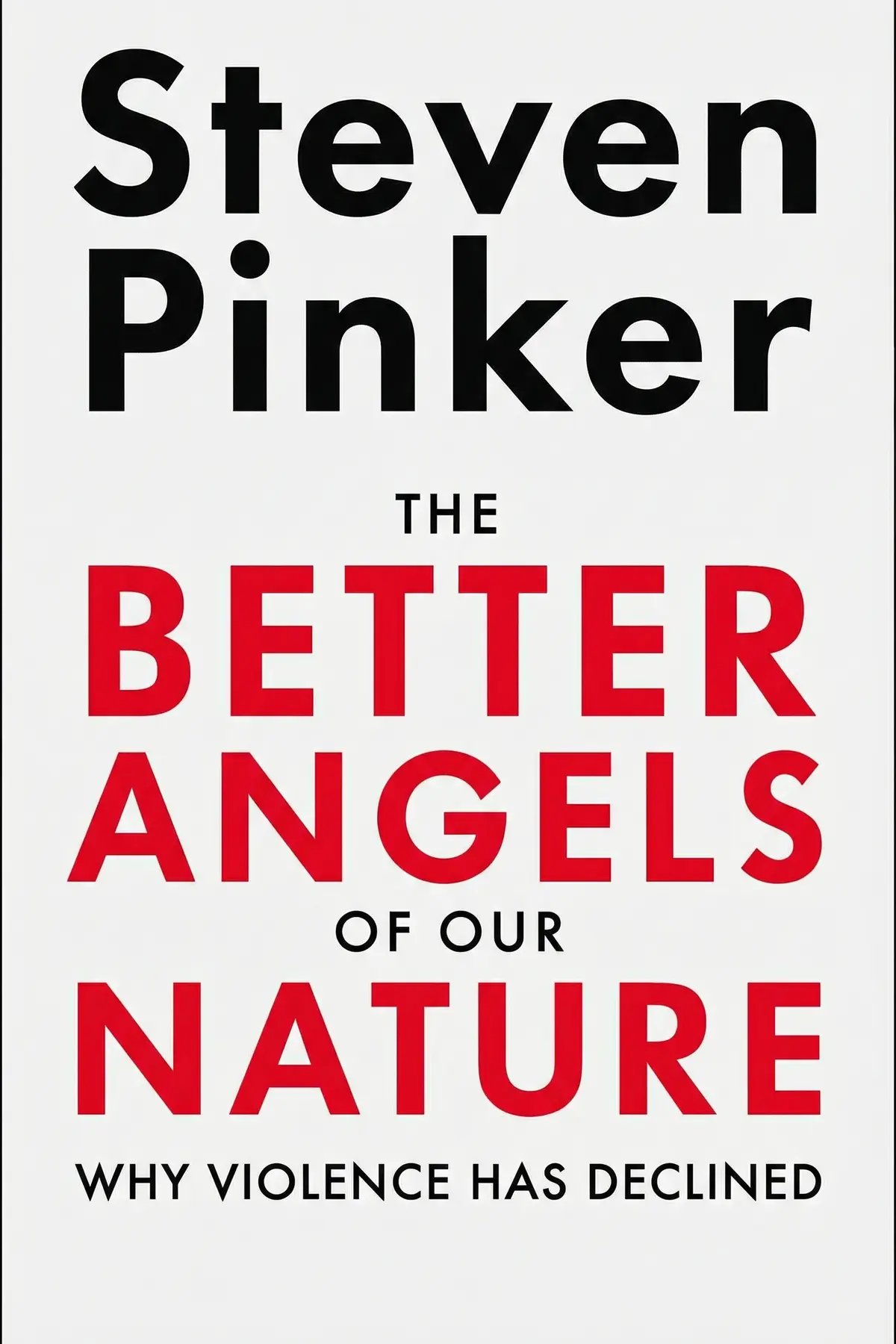
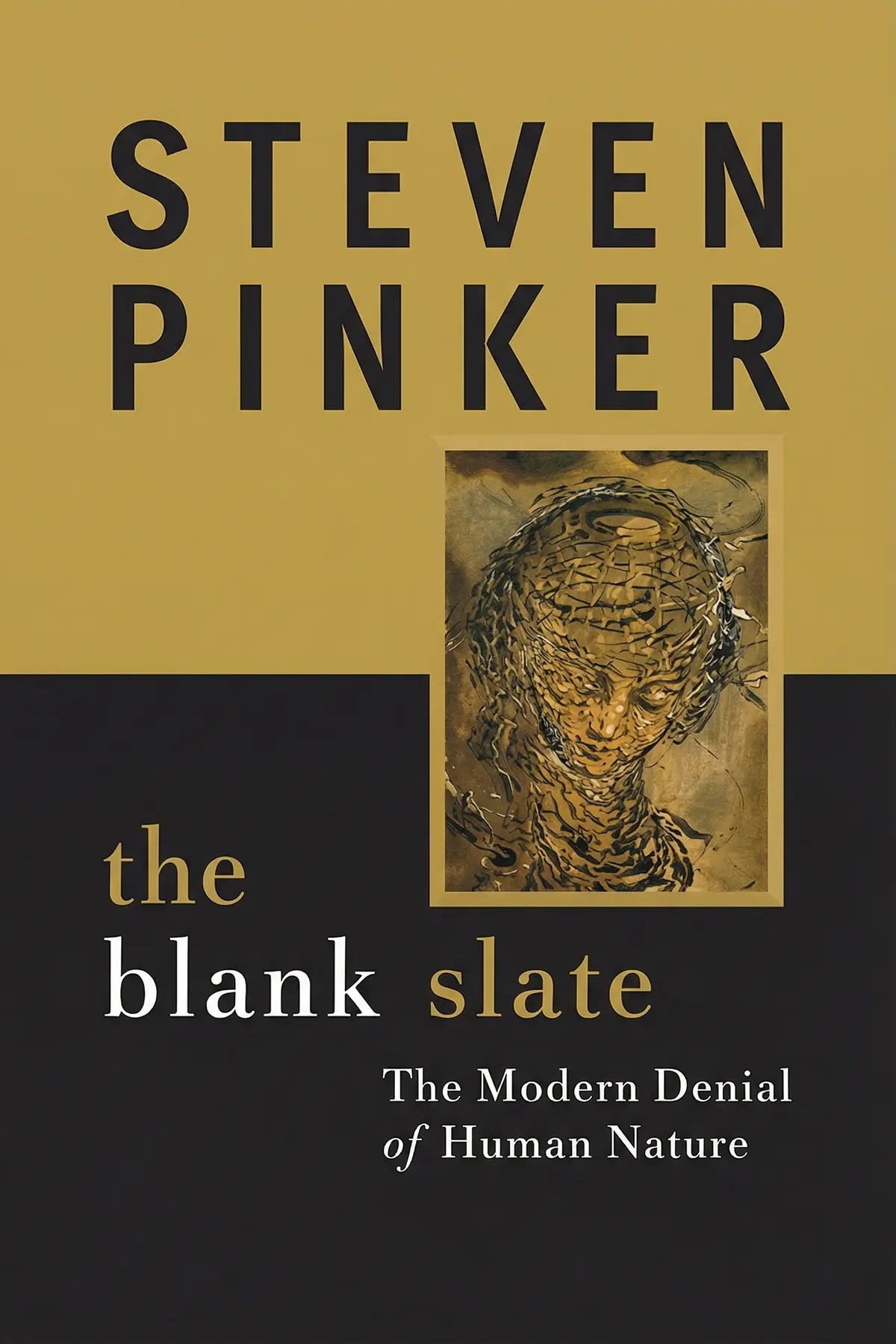
The Blank Slate: The Modern Denial of Human Nature
Steven Pinker
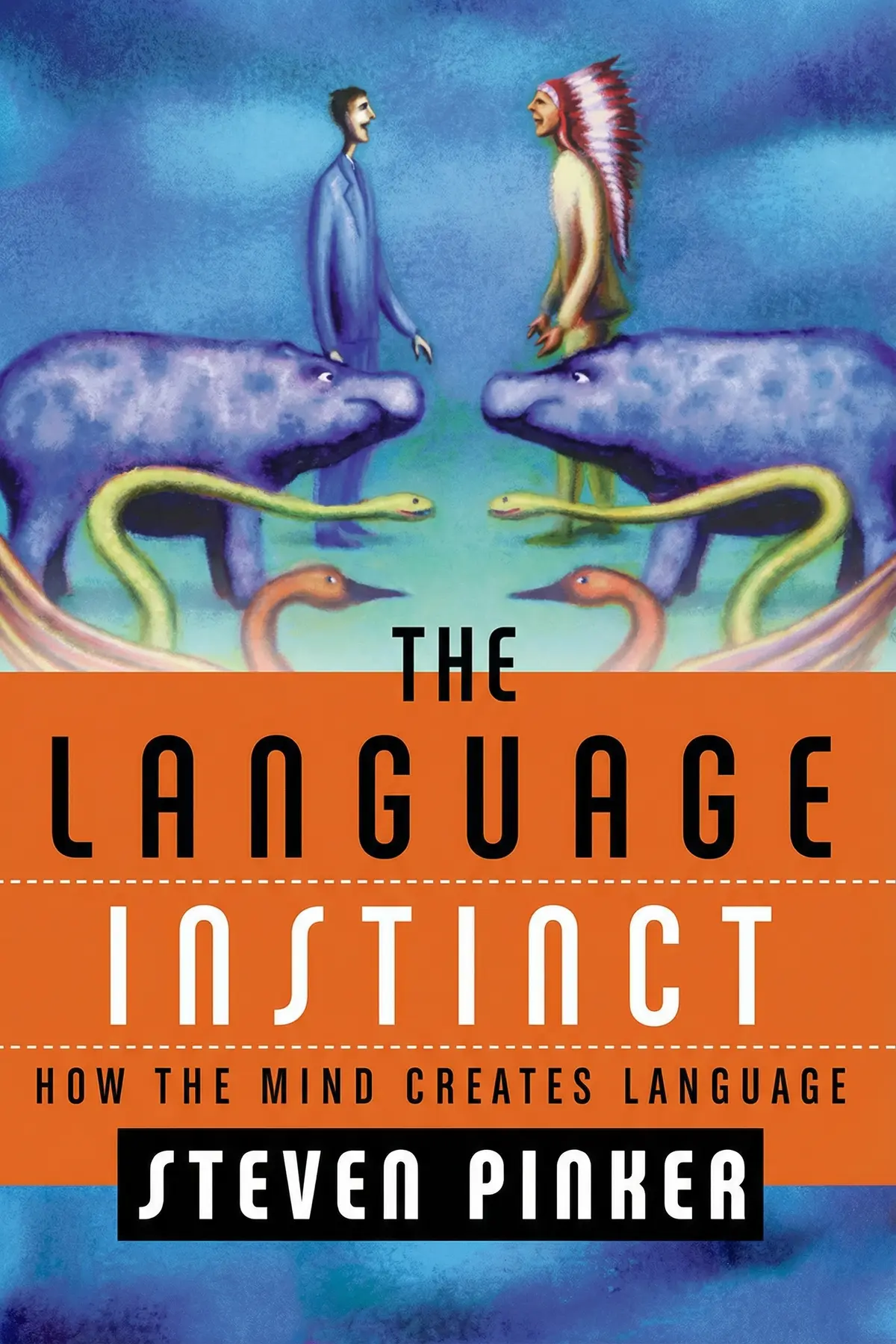
The Language Instinct: How the Mind Creates Language
Steven Pinker
Ratings & Reviews
Ratings at a glance

What people think
Listeners consider this work essential reading because of its thorough research and extensive data, with one review highlighting the way the author bases his analyses on evidence. Listeners view it as a persuasive philosophical argument for positivity that leaves them feeling hopeful, while one person emphasizes the expert treatment of significant concepts. The quality of the writing earns high marks, as one listener points out that the prose is full of precise meaning. Although many find the content engaging, some listeners feel the material becomes tedious after a while.
Top reviews
Kob
After hearing about The Better Angels of Our Nature for years, I finally committed to Pinker’s newest deep dive into human progress. It’s an absolute masterclass in data-driven optimism that makes a compelling case for the values of reason and science. While the charts are dense, they paint a picture of a world that is getting demonstrably better in almost every category, ranging from global literacy and longevity to the decline of extreme poverty and violence. I found the section on 'human flourishing' particularly moving because it moves beyond mere survival to what actually makes life worth living. It’s a dense read, but one that leaves you feeling significantly more hopeful than when you started.
Show moreAna
This book is a masterful defense of humanism that manages to be both intellectually rigorous and deeply inspiring. Pinker’s writing style is incredibly precise, packing every sentence with meaning without making the text feel inaccessible to a casual reader. I was especially struck by the analysis of how much time we’ve reclaimed from household drudgery thanks to technological innovation. It’s easy to take things like washing machines for granted, but he shows how these small betterments aggregate into massive leaps in human freedom. If you need a solid reason to believe in the future again, this is the book you should pick up immediately.
Show moreSaowalak
The chapter on global health and the eradication of diseases like smallpox serves as a powerful reminder of what humanity can achieve when we prioritize science. Pinker doesn't just offer positive vibes; he builds a massive, undeniable wall of facts to prove that we are winning the war against entropy. His prose is remarkably elegant and precise for such a data-heavy book. I loved how he compared modern quality of life to that of the ultra-wealthy in past centuries to show our progress. This book has fundamentally changed the way I perceive the daily news cycle and fills me with genuine hope for the next generation.
Show morePawinee
Look, it’s rare to find a book that is both a heavy-duty academic work and a genuine page-turner, but Pinker somehow pulls it off with his signature clarity. He builds on the themes from his previous work but expands the scope to cover fifteen different measures of human progress. The result is a holistic picture of our species' development that feels fresh and vital in our current political climate. I particularly appreciated his take on the 'Flynn Effect' and how our collective IQ is rising as our environments become more cognitively demanding. This isn't just a book of statistics; it's a manifesto for a better way of thinking about our world.
Show moreTuck
Wow, what a refreshing change of pace from the doom-scrolling that defines most of our modern political discourse! Steven Pinker has delivered a tour de force that reminds us that progress is not an accident but a result of specific values. By focusing on humanism and reason, he shows how we’ve managed to slash child mortality and extreme poverty across the globe in ways that feel almost miraculous. The book is packed with precise meaning and avoids the fluff you often find in common non-fiction. Reading this book requires a significant time commitment, but the payoff is a much clearer understanding of our world.
Show moreSun
Ever wonder why the evening news is so relentlessly negative when we’re living in the most prosperous era of history? Pinker answers this by dissecting our psychological biases toward pessimism. Truth is, some of the middle chapters on energy and the environment got a bit repetitive and dry for my taste. However, the overall argument for Enlightenment ideals as the engine of our success is hard to ignore. It’s a well-researched, must-read volume for anyone who wants to understand actual historical trends rather than just the scary headlines. The prose is packed with precise meaning and really fills you with a sense of perspective.
Show moreAurora
Picked this up because I was feeling pretty cynical about the world's current trajectory and needed a reality check. Pinker provides that much-needed clarity in spades throughout every chapter. He uses data to show that poverty, war, and even domestic violence are on a long-term downward trend. My only real gripe is that the author’s tone can occasionally feel a bit condescending toward anyone who doesn't share his unwavering techno-optimism. Despite that, the weight of the evidence makes it a compelling philosophical case for why we shouldn't give up. It’s a thick book, but the thematic structure makes it relatively easy to digest.
Show moreSukit
As someone who appreciates data over rhetoric, I found the seventy-plus charts in Enlightenment Now incredibly illuminating and worth the price of admission alone. Pinker does a great job explaining why our brains are wired to fixate on the negative, which helps explain the gap between reality and perception. Not gonna lie, the book is quite long and I definitely hit a wall during the more philosophical segments toward the end. However, the core sections on wealth and safety are filled with 'aha!' moments that I’ve been sharing with everyone I know. It's an essential read for anyone who wants to base their worldview on facts.
Show moreCholada
Not what I expected, though I can't deny the sheer volume of meticulous research Pinker poured into these five hundred pages. While I agree that science and reason are vital, I found his dismissal of certain criticisms regarding inequality and environmental limits to be a bit too flippant. The book is definitely packed with fascinating facts, like the decline in lightning-strike deaths, but it can get quite boring during the long statistical stretches. To be fair, it’s a great reference work, but it feels more like a long editorial than a balanced exploration. It’s worth a look for the data, but keep a critical eye on his interpretations.
Show moreWyatt
Frankly, this feels like a 500-page exercise in cherry-picking data to support a very specific, overly comfortable Western worldview. While it’s nice to hear that things are 'getting better,' Pinker’s breezy dismissal of the existential risks of AI and the widening gap of inequality felt intellectually dishonest. The prose is certainly high-quality, but the tone is so relentlessly smug that it becomes difficult to engage with the actual arguments. He treats every problem as something that will inevitably be solved by more science, ignoring the messy political and social realities that often get in the way. It was an interesting read, but I found it more frustrating than helpful.
Show moreQuestions about this book
What is the main idea of Enlightenment Now?
Steven Pinker argues that the world is better than ever on nearly every measure, including lifespan, food, wealth, safety, democracy and equal rights. He credits the Enlightenment’s four themes of reason, science, humanism and progress. The gloomy picture many people hold, he says, comes from negative news coverage and from critics who mistake short-term events for long-term decline.
What evidence does Pinker give that life has improved?
He cites global life expectancy of about 29 when the Enlightenment began, compared with far longer lives today, including a British 30-year-old’s remaining years rising from about 30 in 1845 to 52 in 2011. Malnutrition fell from 35 percent of the world to 13 percent in 2015. Around 90 percent of people were in extreme poverty in 1820, and democracies grew from 12 in the 1920s to 103 by 2015.
Does Pinker think inequality is getting worse?
No. He accepts that fast growth widens gaps at first, as it did in the 1970s, but points to the Kuznets curve, which shows inequality easing after that early spike, with the data showing it falling alongside poverty. He also cites Wagner’s law: European spending on social programs rose from an average of 1.5 percent of earnings in the early twentieth century to 22 percent now.
What does Enlightenment Now say about terrorism and artificial intelligence?
Pinker argues that both fears are out of proportion. Lightning or a bee sting is likelier than terrorism to kill an American, and across the globe accidents are 125 times as likely as attacks to cause a death. On AI, he argues that driving a car or winning at Go is far from threatening humanity, and that technology has grown safer through layers of monitoring.
How can I apply the ideas in Enlightenment Now?
Pinker’s argument suggests a few habits. Judge claims of decline by long-term trends rather than by single news events. Compare a frightening risk with ordinary ones before letting it shape your mood. When a scientific finding such as climate change is dismissed, check whether the critic answers the evidence. And read political backlashes in light of who votes for them, since younger people lean toward Enlightenment values.
Featured in
Readers also enjoyed

A River in Darkness: One Man’s Escape from North Korea
Masaji Ishikawa

A Theory of Justice
John Rawls



A Warning
Miles Taylor


A Guide to the Good Life: The Ancient Art of Stoic Joy
William B. Irvine


AUDIO SUMMARY AVAILABLE
Listen to Enlightenment Now in 15 minutes
Get the key ideas from Enlightenment Now by Steven Pinker, plus 5,000+ more nonfiction titles.
- 5,000+ titles
- Listen as much as you want
- 7-day free trial
- Cancel anytime









