

12 min 39 sec
Available in: English
Deep Listening: Transform Your Relationships with Family, Friends, and Foes
Shows how to listen so fully that people feel safe to say what really matters, through eight concrete steps that start with preparing yourself and end with gently helping someone go deeper.
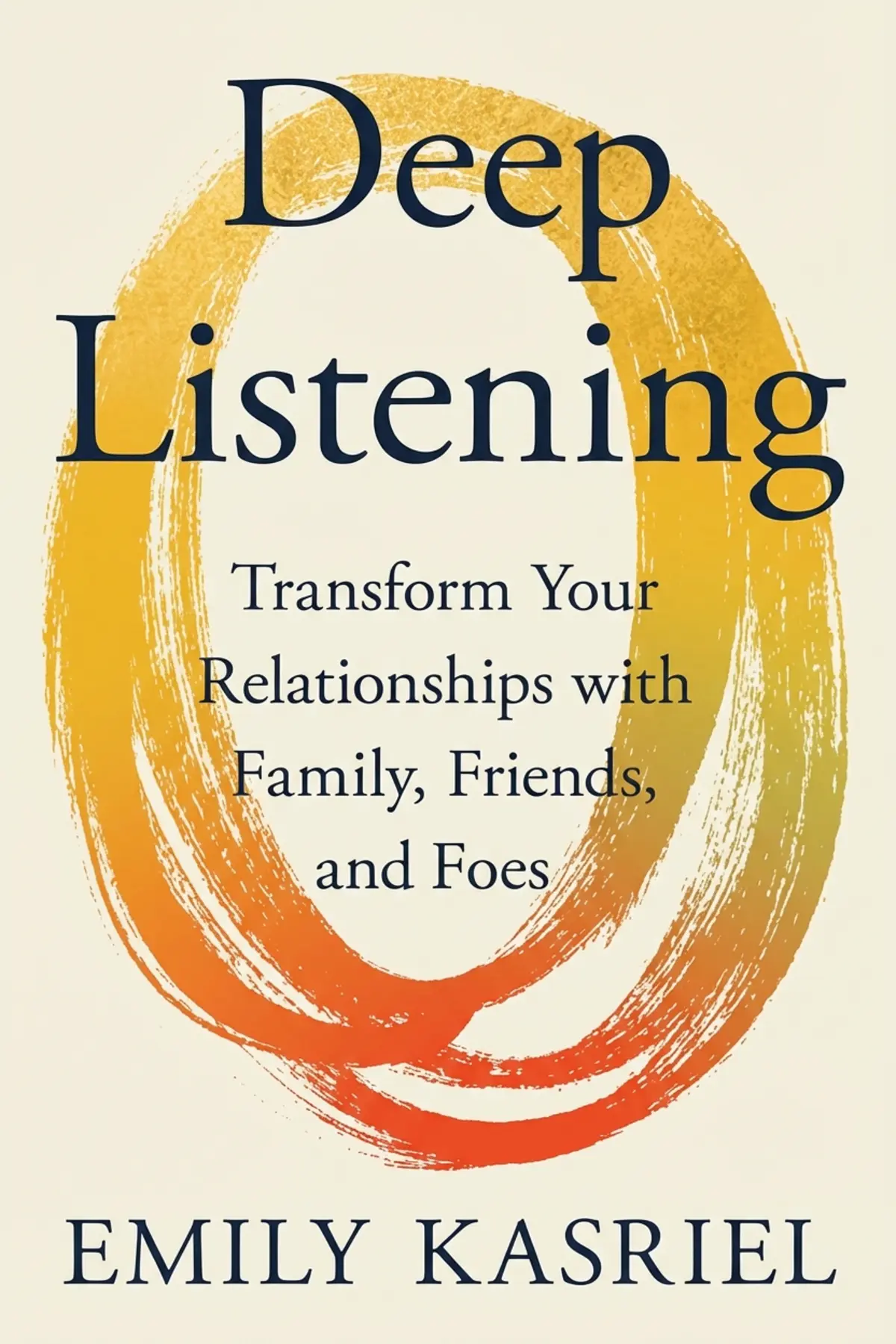
Table of Content
1. Introduction
1 min 00 sec
Most of us think we listen well, yet in Deep Listening, former BBC journalist and executive coach Emily Kasriel argues that we usually miss what matters most. We interrupt, we judge, and we spend the other person’s turn preparing our own. Her alternative is attention so complete that the speaker feels safe enough to say what is really going on, and often finds thoughts they did not know they had.
Kasriel breaks that attention into eight steps, from setting up the room to inviting someone one layer further down. The idea running through all of them is simple: deep listening is a skill you build, not a gift you have, and most of it happens inside the listener, before and between the words. Learn the steps and a tense talk with a partner, a struggling colleague or someone whose politics you dislike can become a conversation where both of you understand more than when you began.
2. Spot the habits that make people stop talking
1 min 44 sec
An angry crowd of former soldiers had gathered outside government buildings, wanting recognition from their new leaders, and the risks were real. What he did first, before stepping up to address them, runs against habits that many of us fall into every day.
3. Get ready before the other person speaks
1 min 40 sec
Plenty of hard conversations are lost in the first minute, long before anyone disagrees. Kasriel points to two kinds of preparation, and the second one happens somewhere most listeners never think to look.
4. Stay with the person in front of you
1 min 47 sec
You can nod, make eye contact and still be somewhere else entirely, and the speaker usually knows. Kasriel describes two inner shifts that change what the other person feels, and one requires giving something up.
5. Let a steady look and a pause do the work
1 min 48 sec
The most important part of a conversation may be the moment when nobody is talking. Kasriel explains why that moment makes most listeners uneasy, and what to do with your body when it arrives.
6. Help someone hear their own thinking
1 min 39 sec
People often talk around a problem without ever landing on it. A few careful words from the listener can change that, and Kasriel says that even a reflection the speaker corrects still has value.
7. Know when to stop listening and protect yourself
1 min 45 sec
Listening deeply means people may hand you their rawest memories and hardest truths. Kasriel asks what you owe them in return, and what you owe yourself when the conversation becomes too heavy to carry.
8. Conclusion
1 min 16 sec
Kasriel’s eight steps can sound like a technique for speaking less, yet the book is really about what a listener carries into the room. Most of the work happens before you open your mouth: the calm setting, the honest check on your own mood, the breath that brings you back, the steady look, the pause you refuse to fill. Only after all that do a few careful words, a reflection or an invitation, help the other person find what they meant. It is how Mandela could walk into an angry crowd and leave it listening to him.
The method fits the moments where it is most needed. Before a hard talk at home, ask yourself what you fear will come up. In a meeting, let one silence run a few breaths longer than feels comfortable, and notice what the speaker says next. When a friend is struggling, offer one reflection of what it sounds like they feel, and welcome being corrected. And when someone across a divide is ready to talk, ask what shaped their view, but only if you have the energy to stay steady.
Most people are rarely listened to this way. Being the one who offers it changes what they are able to say.
About this book
What is this book about?
Most people think they listen well. Yet in ordinary conversations we interrupt, judge, offer fixes nobody asked for and fill every pause, and the person in front of us stops short of what they actually wanted to say. Emily Kasriel argues that this costs us at home, at work and in a wider society where it feeds division and polarisation. Drawing on her background as an executive coach and workplace mediator, Kasriel describes deep listening as a skill rather than a reflex. She breaks it into eight steps. Most of them happen before the listener says anything: creating a safe setting, checking your own state, staying present, approaching the speaker with real curiosity, holding a steady gaze and letting silence run. Only then does the listener reflect back what they heard and invite the speaker a little further. The book also takes the listener's side. Kasriel explains how to handle what people share with care, how to prepare before listening to someone whose views challenge you, and when it is right to step back. Readers get a practical method they can use in the next difficult conversation.
Book Information
Who it's for
Arguing or going silent
Partners, parents and friends whose important conversations keep turning into arguments or silence.
Wanting problems raised early
Managers, coaches and mediators who want colleagues to share problems before they grow.
Talking across strong disagreement
Anyone trying to talk with people whose views they strongly disagree with, without losing their own balance.
About the Author
Emily Kasriel
Emily Kasriel spent more than two decades at the BBC as a journalist, an editor and a media executive, reporting and producing on five continents. She is an accredited executive coach and workplace mediator, and her deep listening approach was developed while she was a Senior Visiting Research Fellow at the King's College Policy Institute in London. She has also held fellowships at the London School of Economics and at Oxford's Saïd Business School, advised the Skoll Foundation and been a visiting scholar at Columbia University.
Ratings & Reviews
Ratings at a glance
What people think
Listeners view Deep Listening as an applicable and current manual for developing deep relationships across personal and professional environments. Even though some find certain sections repetitive or overly simple, they value the concrete eight-step system created to transform passive hearing into active engagement. They also point to the beneficial chapter summaries and activities, with one listener remarking that the guide serves as a handy "toolbox" for handling challenging interactions. Furthermore, listeners appreciate the wide range of stories showing how being still and staying curious can mend friction and encourage empathy.
Top reviews
Cameron
Ever wonder why some people just seem to command a room without saying much at all? Kasriel opens with a powerful anecdote about Nelson Mandela that perfectly illustrates the concept of "quiet power." This book completely shifted my perspective on what it means to be an active participant in a conversation. It’s not about having the perfect rebuttal or even being the smartest person in the room; it’s about creating a "holding space" for others, a concept that feels increasingly rare in our distracted, digital age. I loved the emphasis on stillness. The idea that silence isn't a void to be filled, but a tool to be used, is profound. The scripts provided really helped me find my "listening sea legs" during a particularly difficult family gathering last week. It’s a beautiful, timely reminder that empathy is a discipline that requires constant practice and a humble heart.
Show moreRafael
As a manager struggling to bridge the gap between conflicting departments, I found this to be an essential read for modern leadership. Kasriel’s focus on curiosity over judgment is exactly what is missing from most workplace cultures today. The book doesn't just tell you to listen; it gives you a structured eight-step framework to follow, which is vital when you're in the heat of a disagreement. I was particularly struck by the section on boundaries and the realization that listening isn't a limitless duty. You have to take care of your own capacity first, or you’ll just end up drained and resentful. This balanced approach makes the advice feel much more sustainable and realistic than other books on communication. It’s transformed the way I approach one-on-ones with my staff. Truly great stuff.
Show moreSue
Not what I expected, but exactly what I needed in this polarized political climate where everyone seems to be shouting. Kasriel makes a compelling case for listening as a social necessity and a way to counteract the "noisy" world we live in. I was fascinated by the idea of "internal space" and how our own suppressed resentments can hijack our ability to hear others. The eight steps are easy to remember and provide a clear path forward when you find yourself in a defensive headspace. By offering our full attention without rushing to judge, we create these rare pockets of understanding that are so lacking today. This isn't just a book about being "nice"; it's about the discipline required to build a more cohesive society. Truly a heartfelt and necessary appeal that I will be recommending to everyone.
Show moreZoe
Finally got around to reading this, and I’m so glad I did because it has already improved my relationship with my teenage daughter. I realized that my "listening" was actually just me waiting for her to stop talking so I could give her advice she didn't ask for. Kasriel’s suggestion to value silence and allow for pauses has been a game-changer for our evening chats. The reflection prompts—like saying "I sense that..."—felt a bit forced at first, but they really do help clarify the underlying emotions. It’s a richly detailed primer that balances theory with very practical scripts and exercises. Even though it's a bit repetitive in the middle, the core message is so vital that it’s worth the read. I’d recommend it to anyone who feels like they’re losing touch with the people they care about most.
Show moreSurasit
This book offers a very practical "toolbox" for anyone looking to navigate those tricky, high-stakes conversations that we all dread. Emily Kasriel breaks her method down into eight distinct steps, which makes what could be an abstract concept feel grounded and achievable. I particularly appreciated the summaries and exercises at the end of each chapter because they allow for immediate practice rather than just theoretical understanding. While some of the advice regarding putting your phone away feels a bit obvious for a modern audience, the focus on curiosity and presence is genuinely insightful. We often forget that listening is a physical act that requires stillness and a quiet mind to be truly effective. It’s a solid resource for improving personal connections, even if it feels a little repetitive in the middle sections. Truth is, most of us are just waiting for our turn to speak, and this serves as a much-needed course correction.
Show morePisit
The chapter on stillness was the standout for me, specifically the idea of holding a "gentle gaze" rather than an interrogative stare. As someone who works in a high-pressure corporate environment, the application of these eight steps to professional life is incredibly clear. Kasriel argues that deep listening fosters trust and better decision-making, and I’ve already seen a shift in my team meetings by applying her reflection techniques. Frankly, echoing back what someone has said feels a bit awkward at first, but it really does open up new layers of thought. The book does a great job of explaining how to acknowledge your own internal "shadows" and biases before entering a dialogue. It’s a useful guide, though I do agree with other reviewers that it can feel a bit transactional at times. Still, the practical takeaways far outweigh the few moments of repetitive prose.
Show moreOtt
Picked this up during a giveaway, and while it started strong, it definitely struggled to maintain my attention throughout the entire second half. There is a lot of helpful information here, but much of it felt like common sense repackaged in a very "worthy" and slightly over-egged tone. I appreciated the grounding techniques, like planting your feet on the floor, which were practical additions to the theory. However, the book tends to reiterate the same three or four points in slightly different forms, which made the reading experience feel a bit circular. It’s a good primer for someone who has never thought about their communication style, but seasoned readers of self-help might find it a bit thin. In my experience, the exercises are the most valuable part, so don't skip those if you decide to dive in.
Show morePla
Look, Kasriel clearly knows her stuff, but if you’ve already read David Brooks or Charles Duhigg this year, you might feel a sense of déjà vu. I happened to be reading a book on the "attention economy" at the same time, and the overlap in studies and references to Carl Rogers was almost constant. While this book is more specifically focused on the how-to of listening, it does feel a bit "thin" when compared to more academic or research-heavy texts. The eight steps are logical and the chapter summaries are helpful for quick reference, but the writing style can be a bit dry in places. It’s a solid 3-star read—perfectly functional and informative, but perhaps not as groundbreaking as the marketing would have you believe. It works better as a refresher than as a primary text on the subject.
Show moreEarn
To be fair, I expected something much deeper given the title and the ambitious premise of healing societal divides. Instead, what I found was another one of those "should-have-been-a-blogpost" books that stretches a few simple ideas across far too many pages. The eight-step method is fine, I suppose, but it really boils down to basics like "be present" and "don’t interrupt," which didn't feel revolutionary. At times, the tone felt overly idealistic and almost romanticized the act of listening as if it were a magical cure-all for deep-seated structural conflicts. The repetition became a real slog by the halfway point, and I found myself skimming just to get through the redundant anecdotes. It is well-written in a technical sense, but it lacks the instructional depth I was hoping for. It felt more like a collection of polite suggestions than a rigorous manual for change.
Show moreNoppadol
After hearing so much buzz about this title, I was disappointed to find it felt a bit like AI-slop in parts. The prose is "correct" but lacks a certain soul, and the constant repetition of the Mandela story felt like it was trying too hard to be profound. My biggest gripe is that if someone actually used every single one of these techniques on me—the echoing, the "gentle gaze," the long pauses—I would find it incredibly creepy and invasive. It feels less like a natural human connection and more like a calculated psychological tactic. The book completely ignores the reality of power imbalances where just "listening" isn't an option or even a safe choice. It’s too idealistic for the real world, where conversations are often messy and don't follow an eight-step plan. I wanted to like it, but it just felt hollow.
Show moreQuestions about this book
What is the main idea of Deep Listening by Emily Kasriel?
Kasriel argues that most of us listen far less well than we think. We interrupt, judge, rush to fix and fill every pause. Deep listening is attention so complete that the speaker feels safe enough to share what really matters and often reaches new insights. She presents it as a learnable skill built from eight steps, most of which happen inside the listener before they say anything.
What are the eight steps of deep listening?
Kasriel’s steps are: create a safe, quiet space; listen to yourself first by checking your own emotional state; be present; be curious without an agenda; hold a soft, steady gaze; hold the silence instead of filling it; reflect back a feeling, pattern or key idea you heard; and last, take the conversation further by softly encouraging the speaker to say more about what matters most to them.
How do you hold the silence in a conversation?
When the speaker pauses, stay still and let the quiet settle, counting a few slow breaths if needed. Kasriel argues that people often reach their most revealing thoughts right after a pause, once they trust they will not be rushed. If you feel tense, bring your attention to your feet on the floor and your back on the chair, and ask yourself what makes the moment hard to hold.
How can I listen to someone I disagree with?
Kasriel suggests checking first whether you have the energy and openness the conversation needs, and whether you can stay steady without becoming defensive. If you go ahead, ask the other person for a story, for what shaped their view or for what matters to them. Stay curious without prying, and share a small, fitting piece of yourself to build trust. You are also allowed to step back when it becomes too much.
Who should read Deep Listening?
It suits anyone whose important conversations go wrong: partners and parents, friends supporting someone in pain, and managers or coaches who need people to speak honestly. It is also useful for people who want to talk across political or personal divides. The method is practical, from putting your phone away and angling the chairs to opening a reflection with what it sounds like the speaker feels.
Featured in
Readers also enjoyed




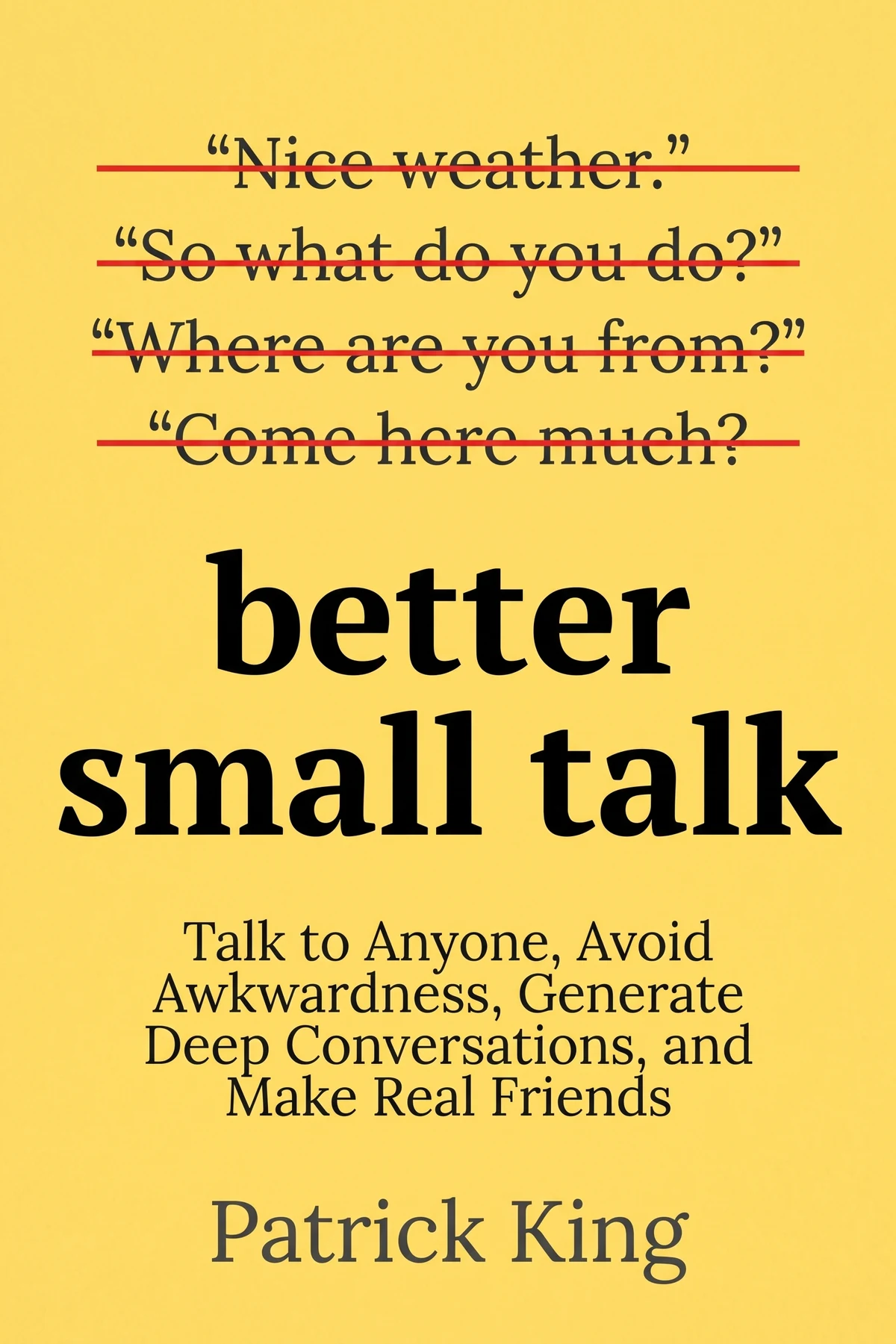

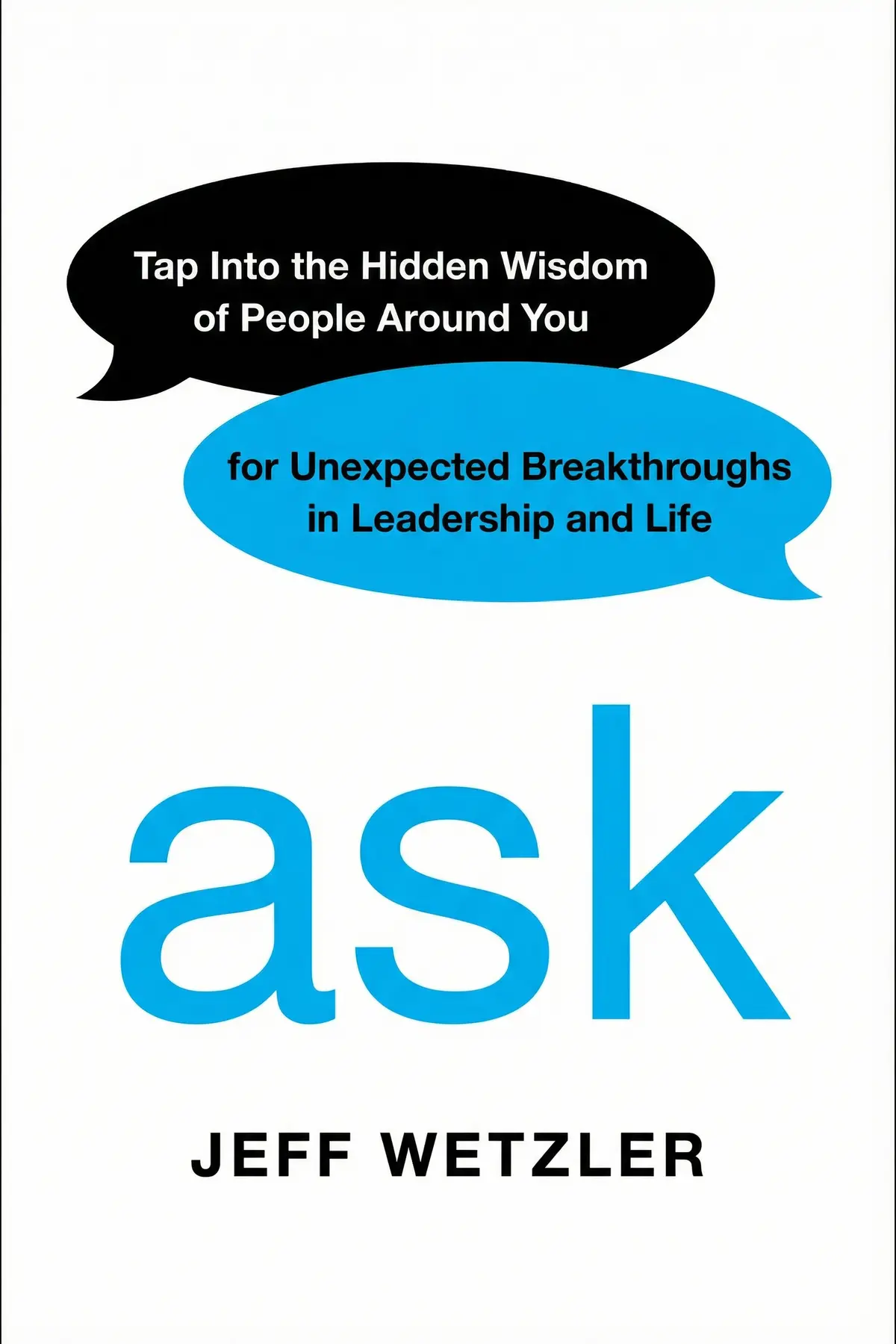

AUDIO SUMMARY AVAILABLE
Listen to Deep Listening in 15 minutes
Get the key ideas from Deep Listening by Emily Kasriel, plus 5,000+ more nonfiction titles.
- 5,000+ titles
- Listen as much as you want
- 7-day free trial
- Cancel anytime









