


59 Seconds: Change Your Life in Under a Minute
Richard Wiseman
 English
Shows why so many women hold back out of fear of not being good enough, and how to replace people-pleasing perfectionism with small daily acts of bravery, mutual support and a plan for recovering from failure.
56 sec
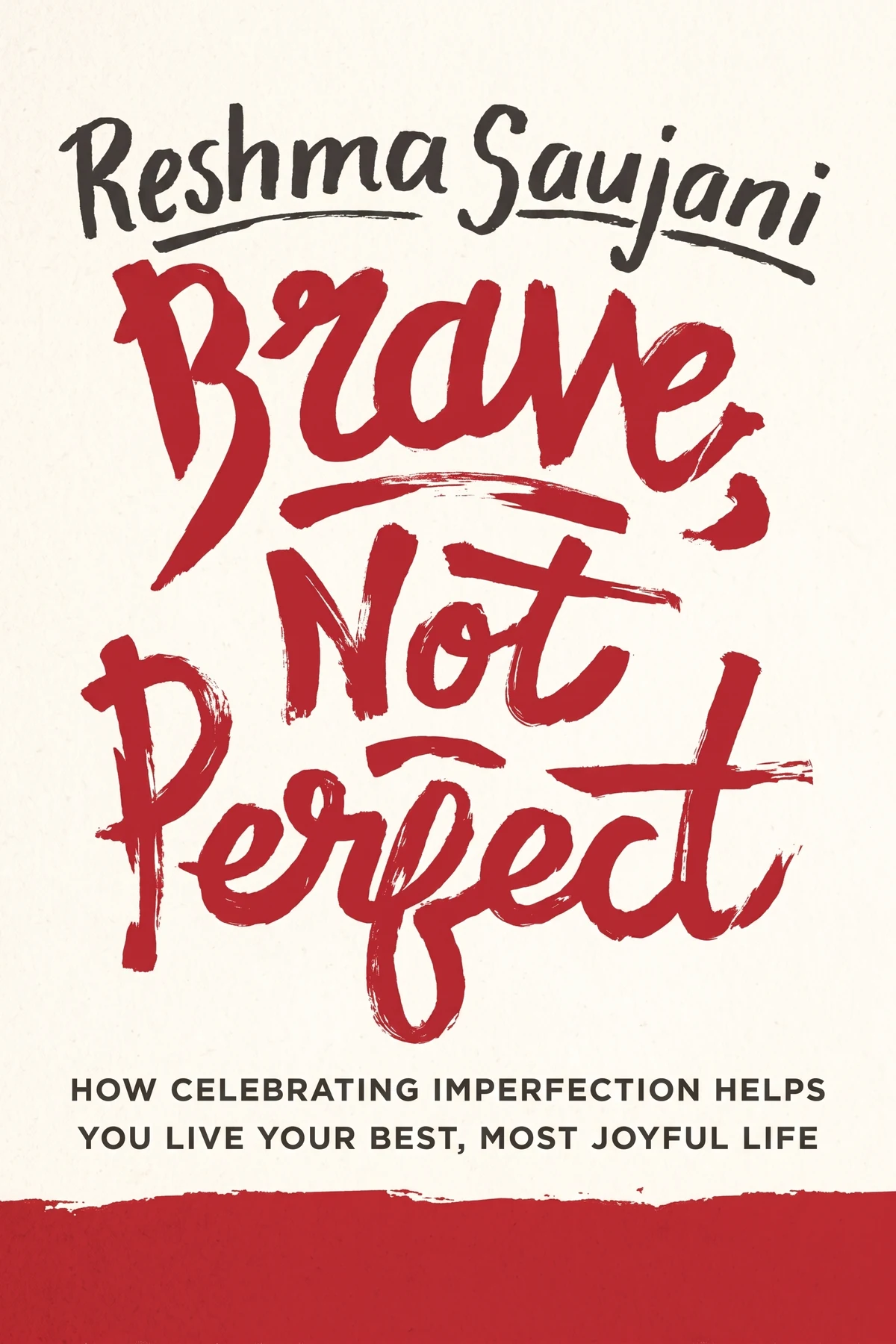
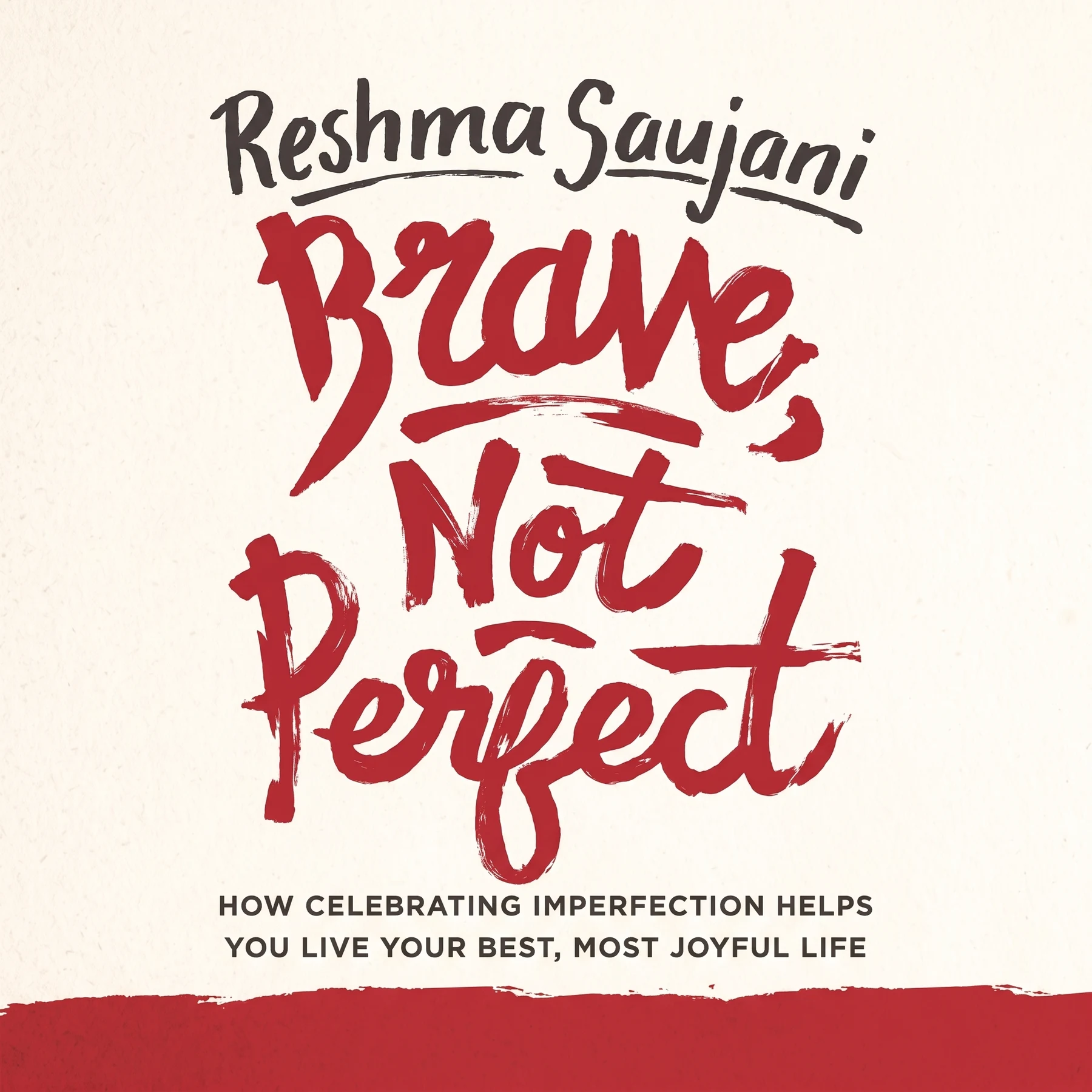
If you rehearse every comment before a meeting, smile through things that bother you and avoid tasks you cannot do flawlessly, you may be following a script written for you in childhood. In Brave, Not Perfect, Reshma Saujani, founder of Girls Who Code, argues that girls are trained to please and to look perfect, while boys are trained to try, fail and try again. That training, she says, is what holds many women back as adults.
Her hopeful claim is that bravery works like a muscle. It grows with rest, with small daily use and with the backing of other women, and failure becomes survivable once you have a way to process it. Saujani tests this against her own life, including a lost race for Congress. What follows is a way to spot the perfection habit in yourself, small risks to replace it, and a plan for the days when a risk goes wrong.
1 min 56 sec
A group of children tasted a drink that was plainly awful, and the boys and girls reacted in opposite ways. The girls’ reason for their choice reveals a habit many grown women still carry into every meeting.
2 min 04 sec
Straight A’s, a top law firm and perfect hair did not protect Saujani when she stepped into public life. Her first campaign exposed a belief about appearance that many high achievers share without noticing.
1 min 55 sec
Online critics told Saujani that evolution made risk-taking a male job. Her reply came from the women around her, and from a public refusal she was sure would cost her organization dearly.
1 min 39 sec
Most advice about courage starts with bold action. Saujani starts somewhere far less dramatic, with a step that many busy women skip entirely, and she argues the rest of the plan fails without it.
1 min 39 sec
Waiting until your comment is perfect before you speak feels responsible. Saujani argues it is the habit that keeps you invisible, and she offers two simple daily exercises that wear it down.
1 min 32 sec
One record-breaking marathon win in 2017 set off something bigger than a single victory. Saujani uses it to show what happens when women stop competing in the shadows and start backing one another openly.
1 min 50 sec
Saujani lost an election in public and still built something larger from it. Her recovery plan begins with ice cream and a strict deadline, and ends with a question most people forget to ask.
1 min 09 sec
Saujani’s book adds up to a different picture of a successful woman. In the old picture, success meant being liked by everyone, never wrong and always polished, like the girls sipping salty lemonade so a stranger would not feel bad. In hers, success means being willing to say the drink tastes awful, to take a public stand for what you believe, and to lose an election and still build something that reaches tens of thousands of girls.
What makes the argument usable is that none of it depends on a sudden change of character. Bravery, in her telling, is built the way any habit is. Start with rest, because an exhausted person reaches for the safest choice. Then take one small risk tomorrow, such as speaking in a meeting before your idea is perfect or asking a colleague what you could do better. Make your support for another woman visible. And when a risk fails, give yourself three days, then go back to the goal and look for a new road to it.
Perfection asks you to wait until no one can criticize you. Bravery only asks you to begin.
Many capable women rehearse every comment, smile through things that bother them and avoid anything they cannot do flawlessly. Reshma Saujani, founder of Girls Who Code, argues that this is not a personal flaw. It is training. From the crib onward, she says, boys are pushed to explore and fail, while girls are rewarded for being agreeable and perfect. Saujani draws on studies of how adults read babies and how children react to a salty glass of lemonade, on the women in her own circle, and on her own story: a corporate law career she disliked, a lost race for Congress and a public refusal of an invitation from the Trump administration. Her answer is a bravery mindset that anyone can practice. Readers learn why rest comes before risk, how to set daily bravery challenges such as speaking up early in a meeting or asking for feedback, why support among women multiplies courage, and a simple sequence for getting through failure and turning it into the next attempt.
Women who stay silent in meetings until their idea feels flawless.
High achievers worn out by trying to please clients, colleagues and family at once.
Parents, mentors and team leads who want to raise girls and young women to take risks.
Reshma Saujani founded Girls Who Code in 2012, a nonprofit working to narrow the gender gap in computing, and later Moms First, which campaigns for policies that support mothers. The daughter of Indian immigrants who fled political unrest in Uganda, she studied at the University of Illinois, the Harvard Kennedy School and Yale Law School. She worked in law, finance and public service, became the first Indian American woman to run for Congress, and gave a TED talk urging that girls be taught bravery over perfection.
Listeners find this title simple to navigate and understand, considering it a vital resource for young women. Additionally, they characterize it as motivational, with one listener mentioning how the book empowered them to act more bravely.
Picked this up after a colleague mentioned it during a leadership seminar, and I’m so glad I did. Saujani’s concept of the "bravery muscle" is exactly what I needed to hear right now. As someone who has spent years paralyzing myself with the need to be flawless, the shift toward just being courageous is life-changing. It’s written in such an accessible, conversational style that it feels like a pep talk from a mentor. I particularly loved the anecdotes about founding Girls Who Code; it grounded the theory in real-world struggle. Truth is, we are often our own worst enemies when it comes to perfectionism. This book provides a roadmap to get out of your own way and start taking messy action instead.
Show moreFinally got around to reading this, and it’s officially my new go-to gift for every young woman in my life. The quote about being a "hot dog in a world full of princesses" had me laughing, but the underlying message is so profound. We spend so much time curating these perfect images of ourselves while our internal bravery atrophies. Saujani writes with such a kind yet authoritative voice that you can’t help but feel empowered to fail. Not gonna lie, I actually went out and did something I was terrified of—applying for a promotion—immediately after finishing the chapter on rejection. It’s more than just a book; it’s a catalyst for movement.
Show moreWow. This book hit me exactly where I live. I’ve always been the "perfectionist" who wouldn't try anything unless I knew I'd be the best at it, and this book finally gave me the permission to be mediocre while I learn. Reshma Saujani has written something incredibly powerful here. The focus on how bravery is a skill we can practice, rather than a trait we're born with, is such a liberating thought. It’s an inspiring, quick read that I know I’ll be referencing again and again whenever I feel that old fear of failure creeping back in. Absolutely essential reading for every woman!
Show moreAs a woman in tech, I found many of the themes regarding social conditioning incredibly resonant. Saujani breaks down the research showing how girls are taught to be "good" while boys are encouraged to take risks. It’s an easy read that hits hard because it names behaviors many of us perform without thinking. To be fair, some of the points are reiterated quite a bit throughout the chapters, and it could have been slightly more concise. However, the actionable steps at the end of each section make up for the repetition. It’s a powerful resource for anyone feeling stuck in a "perfection trap" at work or in their personal life.
Show moreEver wonder why men seem so comfortable "failing upward" while women stay quiet unless they are 100% sure of success? This book explores that exact phenomenon with a mix of personal narrative and social observation. It’s written in a way that is incredibly easy to follow, making it a must-read for anyone feeling burnt out by the pressure of maintaining a "perfect" facade. While I think some of the "how-to" sections were a bit brief, the shift in mindset it encourages is worth the price of admission. It's a solid, encouraging guide for anyone looking to break the cycle of people-pleasing and start taking genuine risks.
Show moreSaujani’s voice is the highlight of this book—it’s professional yet feels like a coffee-shop conversation with a close friend. She doesn't just tell you to be brave; she explains why we aren't and how to start building that "bravery muscle" through small, daily acts. I appreciated the specific mentions of her own failures in the political arena, as it made her advice feel grounded and authentic rather than preachy. My only minor gripe is that the layout felt a bit disjointed in the second half. Still, it’s a great reminder to stop letting the fear of being "imperfect" stop us from trying new things.
Show moreAfter hearing her speak on a podcast, I knew I had to pick this up for my daughter, and I ended up reading it myself first. It’s such an important message for young ladies who are constantly bombarded with messages of perfection on social media. The book is short, tight, and gets straight to the point without being overly technical or dry. Frankly, I wish I had read something like this when I was in my early twenties. It loses one star because I felt some chapters could have benefited from more practical, day-to-day examples, but the overall impact is still very strong.
Show moreThe core message is vital, but I struggled with the delivery at times. There is no denying that Reshma Saujani is an inspiring figure, yet the book felt like a stretched-out version of her TED Talk. It’s a quick read, which is a plus, but I found myself skimming through the middle sections where the anecdotes started to feel like clichés. Personally, I was looking for a bit more depth in the social science research rather than just surface-level observations. It’s a decent introductory text for young women, but if you’ve read a lot of personal development books, you might find the insights a bit thin.
Show moreWhile I appreciate the sentiment of empowering women, this book felt a bit too "lifestyle blog" for my tastes. To be fair, the writing is light and easy to digest, which I’m sure works for a lot of people. However, as someone who prefers data-heavy non-fiction, I found the anecdotal evidence to be a bit repetitive. The author makes some great points about how we raise girls to be "pretty and polite," but the solution seemed a bit oversimplified. It’s a nice enough read if you need a quick boost of motivation, but it didn't offer the deep dive I was hoping for.
Show moreI really wanted to love this given the author’s credentials, but it just didn’t click for me. The premise is fantastic in theory, but the execution felt like a collection of Instagram captions rather than a cohesive book. Look, the constant repetition made me feel like I was reading the same page over and over again, which was frustrating. I also felt like the author omitted a lot of nuance regarding the structural barriers women face, focusing almost entirely on internal "bravery." It felt a bit like "toxic positivity" masquerading as empowerment. If you’ve seen the TED Talk, you’ve basically read the book.
Show moreReshma Saujani argues that girls are raised to please others and strive for perfection, whereas boys are pushed to explore, to fail, and to take risks. That conditioning follows women into adulthood and holds them back at work and in life. Her answer is a bravery mindset: rest enough to have energy, take small daily risks, support other women and learn a clear way to recover from failure.
They are small, deliberate acts that make you slightly uncomfortable. Saujani’s examples include speaking up in a meeting even when you are not sure your idea is brilliant, and asking colleagues what you could do better instead of waiting for criticism. Repeating these small risks makes each one easier, and over time seeking feedback becomes a habit that keeps you improving.
She suggests letting yourself despair for up to three days, then celebrating the failure because it proves you had the courage to try. After that, review what went wrong, reassess the situation from an outsider’s point of view and realign with your original goal. When she lost her run for Congress, she kept her aim of making a difference and founded Girls Who Code.
It suits women who hold back until they feel certain they will get something right, who feel exhausted by trying to please everyone, or who fear criticism. It also speaks to parents and mentors of girls, since Saujani traces the habit of perfection to childhood, using studies on how adults read babies and how girls respond to a badly made drink.
Richard Wiseman





William B. Irvine


Andrew D. Thompson


Deepak Chopra
AUDIO SUMMARY AVAILABLE
Get the key ideas from Brave, Not Perfect by Reshma Saujani, plus 5,000+ more nonfiction titles.









