

Ali: A Life
Jonathan Eig
 English
 ไทย
Shows why the human body evolved for long-distance running and how to run farther without injury, drawing on Mexico's Tarahumara and elite ultrarunners: lighter food, simpler shoes and a relaxed, joyful approach.
1 min 01 sec
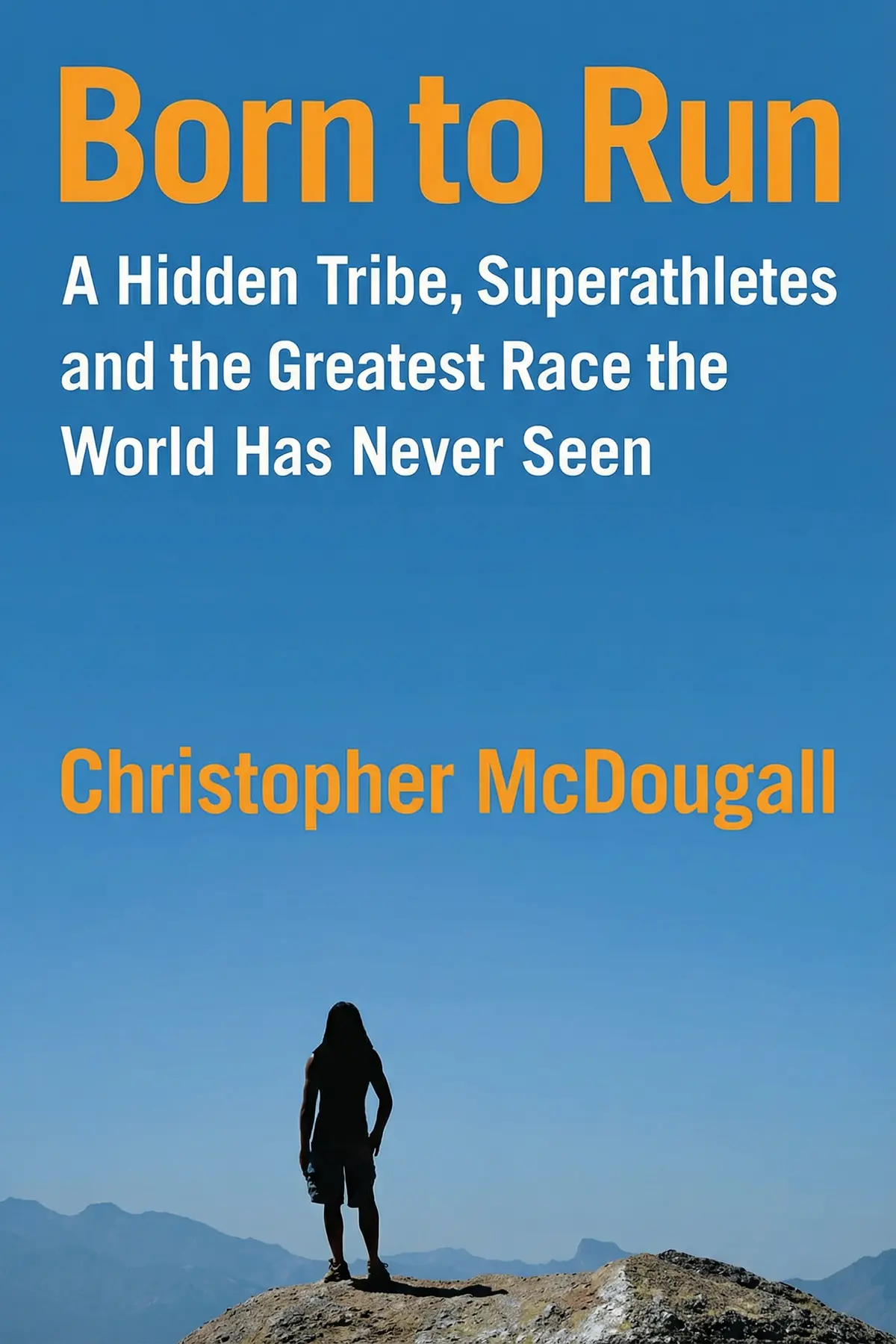
If every run leaves you with sore knees and no pleasure, the fault may lie in your shoes and your habits more than in your body. In Born to Run, journalist Christopher McDougall chases one small question, why his foot hurt, and finds a body shaped by evolution to cover huge distances. His guides are the Tarahumara of Mexico’s Copper Canyons, who run hundreds of miles with few injuries and wide smiles, and a handful of American ultrarunners who learned from them.
The argument is simple: humans are built to run long and gladly, and most of the pain comes from what we add, padded shoes, a meat-heavy diet and a grim attitude. Along the way you’ll hear why sweat makes you a better endurance animal than most four-legged creatures, what a cup of chia slime has to do with stamina, and how a 50-mile race in the canyons turned an injured writer in his forties into a runner who finally loved it.
1 min 42 sec
Most runners get hurt every year, and better gear has not changed that. One injured writer refused his doctor’s advice to quit, because a few people seemed to run for hours and love every minute of it.
1 min 36 sec
A person on foot can run down an antelope in the desert heat. Three quirks of human anatomy explain how, and a marathon study suggests grandparents can keep pace with teenagers.
1 min 43 sec
A people hidden in Mexico’s canyons run hundreds of miles and rarely get hurt. Their edge starts long before training, in a village game that can last two days and nights.
1 min 55 sec
The brain treats extra effort as foolish, which is why so many runs feel like punishment. A former boxer and a surfer turned record holder found a different way to handle the hurt.
2 min 01 sec
A cup of slimy seeds, a vegan champion and a farmer who beat his country’s best over 507 miles all point toward the same fuel for going farther.
1 min 47 sec
Expensive running shoes promise protection, yet the injury numbers tell another story. A man who threw his away to cure his back pain ended up qualifying for one of running’s hardest marathons.
1 min 52 sec
Fifty miles, a sheer rock wall and a shotgun start. When the best of two running cultures finally met, the finish line showed something about joy that no stopwatch records.
1 min 06 sec
McDougall began with a sore foot and ended with a portrait of the species. The pain that sends so many runners to a bike is, in his account, mostly something we added: padding that hides bad landings, meat-heavy meals the body must haul, and the habit of treating every run as a bill to pay. Remove those and what remains is the animal that outlasts antelopes, holds its pace into its sixties and, like Arnulfo and Jurek at the finish, grins while it works.
The practical changes are modest. Pick flat, inexpensive shoes and spend a few sessions a week barefoot on grass. Shorten your stride the way children and top Kenyan runners do, matching your steps to a playlist at 180 beats a minute, and stay below the point where your breathing turns heavy, so you burn fat rather than sugar and keep going longer. Expect it to feel awkward, since muscles that have slept for years are waking up.
The Tarahumara never had to learn to love running. The rest of us mostly have to stop getting in its way.
Most runners get injured every year, and many doctors simply tell them to stop. Christopher McDougall was one of those patients, a journalist in his forties with torn hamstrings and aching arches. Instead of buying a bike, he went looking for people who run without pain. He found the Tarahumara, who live in the remote Copper Canyons of northern Mexico and cover hundreds of miles with few injuries and real delight. McDougall argues that humans are evolved endurance runners, built to sweat, breathe freely and spring forward on the Achilles tendon. The trouble comes from what modern life adds: heavily cushioned shoes that weaken the feet and hide bad landings, meat-heavy diets, and a grim attitude that turns every run into a chore. He tells this through a cast of characters, from the boxer-turned-hermit Caballo Blanco and the vegan champion Scott Jurek to Barefoot Ted and the hard-partying record-setter Jenn Shelton, all heading for a 50-mile race against the Tarahumara. Readers get the evolutionary case for running, the evidence McDougall gathers on shoes and plant-based eating, and simple form advice they can try on their next run.
Recreational runners who keep getting injured and have been told to quit.
People who find exercise a chore and want a real reason to enjoy it.
Readers curious about human evolution, endurance and the Tarahumara of Mexico's Copper Canyons.
Christopher McDougall, born in 1962, graduated from Harvard University in 1985 and then spent three years as a foreign correspondent for the Associated Press, covering wars in Rwanda and Angola. He has written for Esquire, Outside, Men's Journal, New York and The New York Times Magazine, and he was a contributing editor at Men's Health. He also created the web series Art of the Hero for Outside and has spoken at TED.

Listeners find this book captivating and fast-paced, offering an excellent narrative that blends adventure with an inspirational message. Furthermore, the prose is smooth and backed by thorough research, delivering practical advice and techniques for athletes. In addition, the work highlights unforgettable individuals and investigates numerous facets of the sport, ensuring it remains an essential tool for runners of every experience level.
Wow. This book is more than just a training manual; it’s a visceral journey into the heart of Mexico’s Copper Canyons. McDougall weaves a narrative that feels like a high-stakes thriller, yet it’s grounded in the fascinating reality of the Tarahumara people. I found myself completely swept up in the mystery of Caballo Blanco and the sheer grit displayed by runners like Scott Jurek. To be fair, the prose can lean into hyperbole at times, especially when he’s railing against the big shoe companies. But the inspiration I felt after finishing was undeniable. It makes you want to throw off your sneakers and see what your body is truly capable of when stripped of modern gadgets. Even if you aren't a marathoner, the storytelling here is world-class and deeply engaging.
Show morePicked this up on a whim and ended up finishing it in two sittings. Born to Run is an absolute masterclass in narrative non-fiction. McDougall takes what could have been a dry subject—distance running—and turns it into a legendary quest for a hidden tribe of super-athletes. The Tarahumara are portrayed with such reverence that you can’t help but be fascinated by their corn-beer-fueled endurance. I particularly loved the chapters detailing the history of the Leadville Trail 100; the drama of those races is palpable. Look, some people might find the barefoot is best evangelism a little grating after a while, but the core message of finding joy in movement is universal. It changed the way I think about my morning jog and even pushed me to try those chia seeds he raves about. A must-read for anyone feeling stuck.
Show moreAfter hearing about the legendary Tarahumara for years, I finally dove into McDougall’s account. This is one of those rare books that actually lives up to the reputation. The way the author traces the evolution of human endurance alongside the personal stories of these wild American ultrarunners is nothing short of brilliant. You get to know people like Barefoot Ted and Ann Trason in a way that feels intimate and raw. The book manages to be both a technical resource for better running form and a spiritual guide for why we run in the first place. Personally, the chapter on how humans evolved to shed heat through sweating while other animals pant was a total revelation. It’s a fast, fluid read that combines history, biology, and a really heartwarming climax. If you need a spark to get back on the trail, this will provide the flame.
Show moreFinally got around to this classic and I’m kicking myself for waiting so long. There’s a reason this book started a whole movement. It’s not just about running; it’s about what it means to be human and how we’ve lost touch with our natural instincts. The stories of Jenn and Billy’s chaotic energy contrasted with the stoic endurance of the Tarahumara created such a compelling dynamic. I loved how the book culminates in a race that isn't about prize money or fame, but about mutual respect and the pure love of the sport. Gotta say, the ending actually made me a bit emotional. It’s rare to find a non-fiction book that captures the spirit of adventure so perfectly while still providing useful strategies for your own fitness. It’s an essential addition to any athlete’s bookshelf.
Show moreRunning through the pages of this book felt like a marathon in itself. From the very first page, McDougall hooks you with the mystery of a man who vanished into the Mexican canyons. The search for Caballo Blanco is the perfect framing device for a deep dive into the world of extreme athletics. I was fascinated by the descriptions of the Tarahumara’s diet and their ability to run hundreds of miles on little more than pinole and lime juice. While the author definitely has a flair for the dramatic—sometimes bordering on the legendary—it fits the larger-than-life subject matter. It’s a quick, engaging read that makes you reconsider every piece of expensive gear you’ve ever bought. Truth is, it’s one of those books that changes your perspective on what is physically possible for the human body.
Show moreEver wonder why our ancestors could outrun a deer without fancy Nikes? Christopher McDougall explores that exact question through the lens of persistence hunting and evolutionary biology. The "running man" theory presented here is absolutely gripping, suggesting that we didn't just stumble into civilization, but ran our way there. While his journalistic style is punchy and keeps the pages turning, I did find some of his scientific claims a bit thin on actual data. He definitely has an agenda against the athletic shoe industry, which is entertaining but perhaps a little biased. Still, the characters like 'Bonehead' Billy and Jenn Shelton bring a chaotic, human energy to the world of ultra-marathons that I haven't found elsewhere. It’s a great mix of travelogue and athletic philosophy that kept me engaged until the very last mile.
Show moreThe chapter on the persistence hunt in the Kalahari was worth the price of admission alone. McDougall does a fantastic job of connecting ancient history with modern athletic feats. I appreciated the practical tips buried within the narrative, like the focus on easy, light, smooth, and fast movement. It’s a very tactical book masquerading as a travel adventure, which makes it incredibly useful for hobbyist runners. My only real gripe is that the timeline jumps around quite a bit, which can be disorienting if you aren't paying close attention. Also, the portrayal of the Tarahumara can feel a bit like the noble savage trope at times, which felt slightly dated. However, the energy of the book is infectious. It convinced me to stop obsessing over my pace and start focusing on the actual feeling of the ground beneath my feet.
Show moreAs someone who has struggled with chronic running injuries, this book felt like a ray of hope. I initially picked this up for the tips on minimalist running, but I stayed for the incredible story. The way McDougall deconstructs the rise of Nike and the modern running shoe industry is eye-opening, even if it feels a little one-sided at times. To be fair, he makes a very compelling case for why our modern lifestyles are at odds with our biology. The characters are vibrant, though some of the dialogue feels a bit reconstructed for dramatic effect. Still, the core message about rediscovering the joy of running like a child is something I really needed to hear. It’s a solid blend of investigative reporting and personal memoir that provides plenty of food for thought for runners of all levels.
Show moreNot what I expected after hearing all the massive hype from my running group. Frankly, I have mixed feelings about this one. On one hand, the story of the Copper Canyon race is legitimately exciting and the descriptions of the Mexican landscape are vivid. On the other hand, McDougall’s writing style feels very much like a bloated magazine feature. He uses way too many exclamation points and seems to make everyone into a cartoon character, from the eccentric Caballo Blanco to the evil shoe executives. The truth is, the science parts felt cherry-picked to support his specific barefoot-running narrative. I also struggled with how he dismisses elite athletes like Lance Armstrong just to prop up his own favorite characters. It's a fun adventure story if you don't take it too literally, but it’s definitely not the running bible I was promised.
Show moreThis book is definitely an entertaining ride, though I’d take the science with a massive grain of salt. As a casual runner, I enjoyed the colorful cast and the build-up to the big race in Mexico. McDougall is a talented storyteller who knows how to keep a plot moving. However, the tone often shifts into a weird, cult-like obsession with barefoot running that felt a bit pushy. He tends to gloss over the fact that some people actually need structured shoes to avoid injury. I also found his all-knowing narrative voice a bit annoying; he describes people’s internal thoughts from years ago as if he were actually there. In my experience, it works better as a piece of gonzo journalism than as a serious look at human physiology. It’s worth a read for the adventure, but don't expect a balanced view of the sport.
Show moreChristopher McDougall argues that humans evolved to run long distances and can do it without constant injury. Sweat, an upright body and the springy Achilles tendon make us strong endurance runners. Much of the pain runners suffer, he says, comes from cushioned shoes, meat-heavy diets and treating running as a chore. The Tarahumara of Mexico’s Copper Canyons, who run huge distances joyfully, are his living proof.
McDougall argues that expensive cushioned shoes do more harm than good, citing studies in which runners in pricey shoes were 123 percent more likely to be injured than those in cheap flat ones. Padding stops the foot from flexing and gripping and hides the impact of bad landings. He suggests cheap, flat shoes and some barefoot running on grass a few times a week to strengthen the feet.
Their diet is mostly plants: beans, squash, chilis, greens, pinole made from ground corn, chia seeds and wild geranium, with very little meat. A favorite drink, iskiate, mixes chia seeds with water, sugar and lime. Ultrarunner Scott Jurek ate a similar vegan diet and performed better than ever, and McDougall explains that plant foods give high nutrition for few calories and digest quickly.
Start with form and attitude. McDougall advises taking shorter, faster steps, as children and elite Kenyan runners do, at a cadence of 180 beats every minute, and keeping the effort below the level where breathing becomes labored. Choose flat, inexpensive shoes, add strength work and hill climbs as he did, and relax into the rhythm of the run. The new form will feel awkward at first.
Arnulfo Quimare, the most revered Tarahumara runner, wins the 50-mile race in the Copper Canyons, with American champion Scott Jurek close behind. Jurek bows to him at the finish. Three more Tarahumara runners come in soon after, followed by the other Americans. McDougall himself finishes twelve hours after the start, injury-free on a trail that had once defeated him.
Jonathan Eig

Billie Jean King
Ben Reiter
Des Linden
AUDIO SUMMARY AVAILABLE
Get the key ideas from Born to Run by Christopher McDougall, plus 5,000+ more nonfiction titles.









