
12 min 23 sec
Available in: English
 ไทย
Englishไทย101 Essays That Will Change The Way You Think
Wiest shows how owning your thoughts changes how you feel. She offers ways to raise your tolerance for happiness, build calming routines, grow self-esteem from your own standards and choose purpose over passing passions.
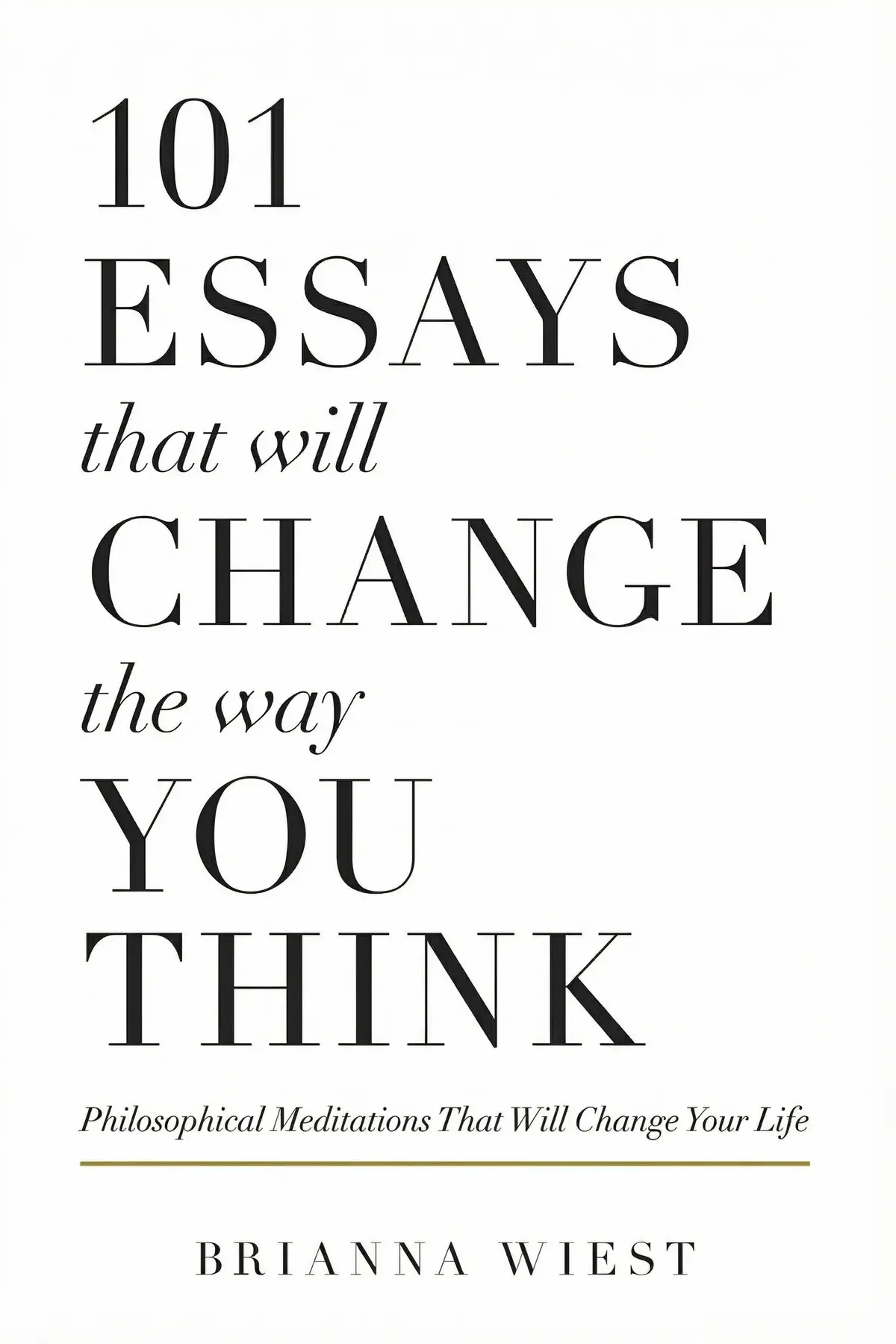
Table of Content
1. Introduction
57 sec
Many of the opinions you defend as your own were handed to you, at the family table, on social media, by a culture that pressures anyone who disagrees. In her collection of 101 essays on changing how you think, American writer and poet Brianna Wiest argues that a steadier life begins with noticing this and taking charge of your thoughts, because your feelings follow them. Her twist is that happiness is not really the goal. Control is: a life you discipline yourself, which she pictures as roots that let fruit and flowers grow.
One argument holds her essays together. Change how you think, and you change how you feel, how you work and how you treat other people. The strongest of those essays are gathered here, from a hidden ceiling on your own happiness to a French philosopher made unhappy and driven into debt by a scarlet dressing gown, each paired with something small to try.
2. Take back the thoughts you inherited
1 min 27 sec
Your worst moods may not be telling you anything true. Wiest explains where many of our feelings really come from, and why searching hard for their cause can sometimes keep them alive longer.
3. Let yourself stay happy for longer
1 min 28 sec
Most people believe they want more happiness, yet something inside pulls them back down whenever life goes well. Wiest names that hidden limit and explains the social fear that keeps it in place.
4. Make routine carry your hardest work
1 min 26 sec
Routine sounds like the enemy of an exciting life. Wiest argues it is the very thing that lets people work as if effort had disappeared, and she maps the stages that make a hard skill feel natural.
5. Make something only you need to like
1 min 28 sec
Ancient people with hard lives still stopped to paint on cave walls. Wiest reads that as a clue about human nature, and she removes the one condition that keeps most adults from creating anything.
6. Build confidence that does not need applause
1 min 27 sec
Self-esteem often feels like something other people hand out or take away. Wiest treats it as a skill you can train, and she points to one common reaction that gives away fear every time.
7. Let purpose carry you when passion fades
1 min 40 sec
A gift that should have delighted a famous French philosopher instead made him miserable and left him in debt. His story shows what quietly drains our focus, and what keeps it pointed at what matters.
8. Rest more, judge less and use fear
1 min 23 sec
Constant focus, quick judgments and pushing away dark thoughts all feel responsible. Wiest argues each one backfires, and she offers a way to make your worst fears work for you.
9. Conclusion
1 min 07 sec
Wiest calls perspective the window through which you see everything, and her essays keep cleaning that window. Many ideas you assume are yours came from the culture around you. Turn down that noise, decide with your own thoughts what matters, and your feelings begin to shift with them.
From there, in her account, the other pieces line up. A productive routine becomes the ground for purpose, kept at a healthy distance from passing passions. Fulfillment moves from the rush of a finished goal to daily tasks you come to enjoy, and those tasks, repeated until they run on their own, make you more creative and more capable. Confidence in handling your own life follows.
The practical start is small. When a mood or an opinion arrives, ask where it came from before you obey it. When good news comes, let it stay longer than feels comfortable. Keep one calming routine every day, however short.
Wiest ends on kindness. Taking charge of your own mind, she suggests, is how you begin to treat yourself kindly, and it is how you begin to treat everyone else that way too.
About this book
What is this book about?
Most of us absorb our values long before we can question them, from family, school, friends and social media. When those borrowed ideas set our moods, we end up reacting to life instead of steering it. Brianna Wiest, an American writer and poet, argues that the way out starts in the mind: recognize your thoughts and feelings as your own, and take responsibility for them. Across her collection of essays, Wiest makes a surprising case. Happiness, she suggests, is not the real goal. A disciplined life you control is what she proposes, and that control can be pictured as roots that let fruit and flowers grow. From there she explains why people unconsciously cap their own happiness, how daily routines lead to flow, how skills become automatic and why purpose outlasts passion. Readers get a set of short, practical shifts, illustrated by a French philosopher whose new red dressing gown drove him into debt, along with ways to rest better, judge less and turn fear into motivation.
Book Information
Who it's for
Moods set from outside
People whose moods swing with their feed, their inbox or other people's opinions.
Young professionals downplaying wins
Young professionals who play down their wins and want steadier confidence.
Weighing passion against routine
Anyone stuck between chasing passions and building a calm daily routine with real purpose.
About the Author
Brianna Wiest
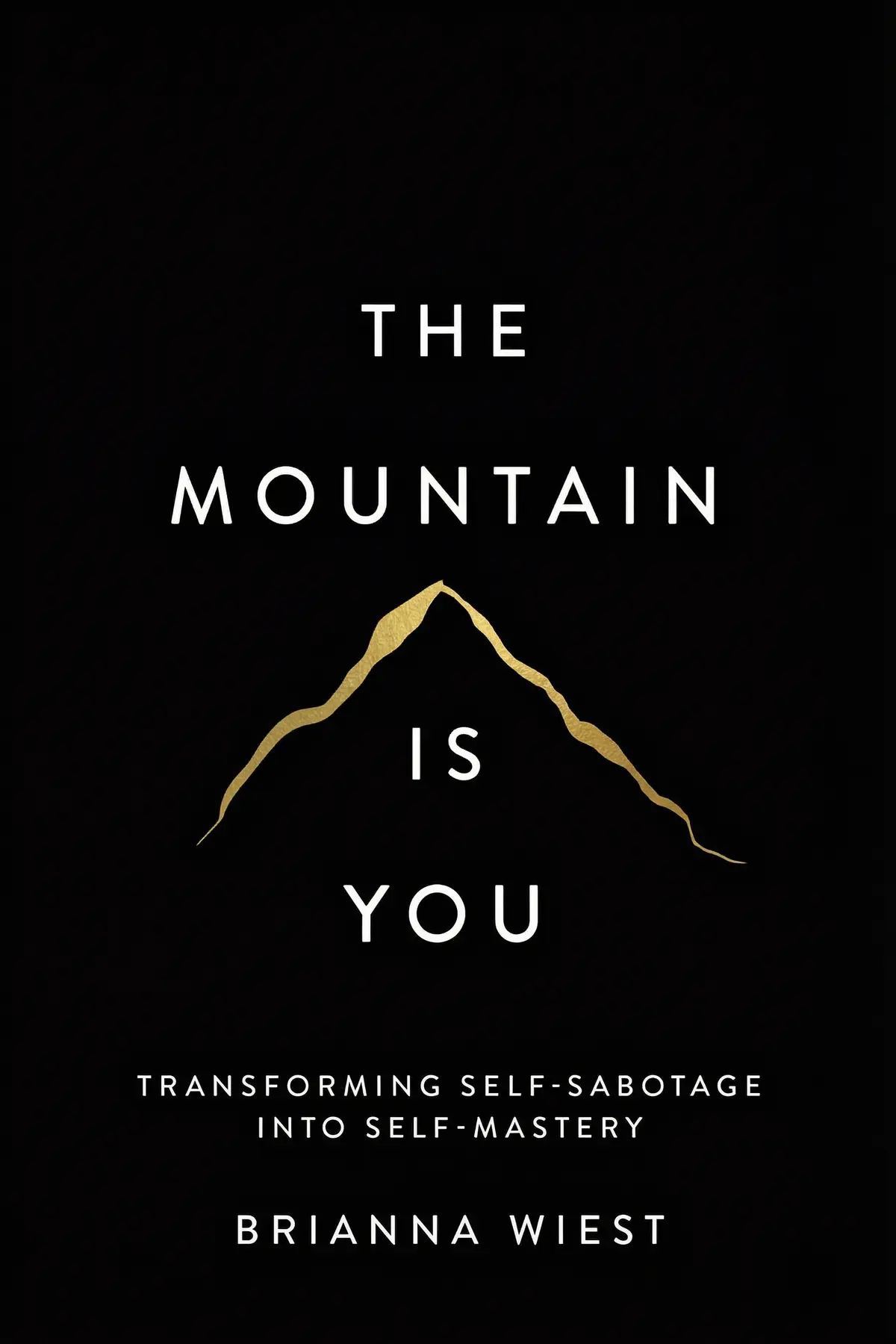
Brianna Wiest is an American writer and poet whose articles have appeared in outlets around the world, including Forbes, Huffington Post and Thought Catalog. Besides this collection, her books include The Mountain Is You, The Pivot Year, The Human Element and Salt Water. Elizabethtown College awarded her a bachelor's degree in English and an honorary doctorate in literature.
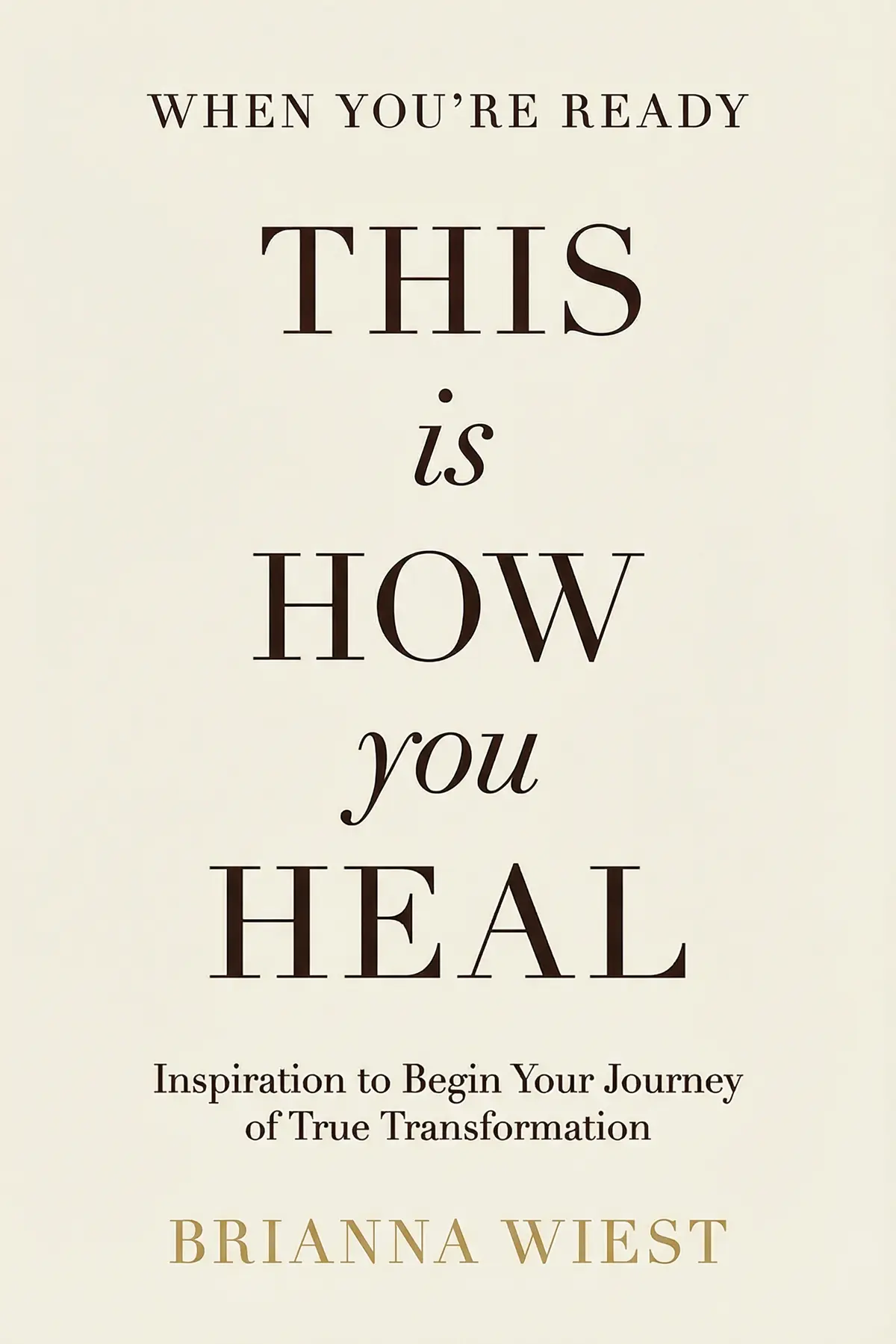
When You’re Ready, This Is How You Heal
Brianna Wiest
Ratings & Reviews
Ratings at a glance

What people think
Listeners find this work to be a perfect casual read that encourages them to explore fresh possibilities and enhances their mindset. They also value its practical guidance and transformative influence, with one listener describing it as a potent handbook for metacognition. The book presents an array of various subjects and themes that listeners find engaging to explore. However, the quality of the prose draws divided reactions; while some consider it very well-written, others are not as convinced.
Top reviews
Pensuda
This book honestly came into my life exactly when I needed it. I genuinely felt like this was a manual for metacognition, helping me step back and look at my own thought patterns from a distance, which is something I've always struggled with. While some chapters are definitely stronger than others, the overall impact was profound for my mental health. I personally loved the bite-sized nature of the essays because I could read one each morning with my coffee and actually have time to digest the message. It opens up so many new possibilities for self-reflection. Is it revolutionary? Maybe not for everyone. But for me, it was the right words at the right time. Some of the advice on emotional intelligence felt very grounded and applicable to my actual daily stressors.
Show moreRyan
Brianna Wiest has a real talent for articulating the things we all feel but can't quite name. This book isn't a deep dive into clinical psychology, but it is a powerful manual for understanding your own habits and improving your way of thinking. I loved the focus on emotional intelligence and the idea that our perception is entirely subjective. It’s a very grounding read. There were moments where I had to put the book down just to breathe and process what I'd read. It’s not a book you read cover-to-cover in one sitting; it’s better as a daily companion. Truly a great resource for anyone going through a transition period. Highly recommend.
Show moreCherry
This is an amazing compilation of themes and topics that hit right at the heart of the human experience. I’ve read a lot of self-help, and this is the first one that actually made me change some of my daily habits. It’s very practical. I love the list format for some of the essays because it makes the advice feel achievable rather than overwhelming. I keep it on my nightstand and flip to a random page whenever I’m feeling stuck. It’s definitely helped me develop a better sense of metacognition. Even the chapters I didn't fully agree with still made me think, which is the whole point! Absolute life-changer for me.
Show moreCha
This book is essentially a 'no-frills' guide to rethinking your life. I highlighted so many sections that my copy is practically neon at this point. I appreciated how she distills complex ideas from bigger names in psychology into manageable chunks. It’s very helpful if you’re looking for a quick mental reset. I will say, the title is a bit of an exaggeration—it didn't necessarily 'change the way I think' about everything, but it gave me tools to manage my anxiety better. The writing style is very direct, which I personally like, though I can see how some might find it a bit preachy or oversimplified. A solid choice for daily reading.
Show moreTong
Honestly, I was skeptical because of the hype, but I found so much value here. It’s a great way to explore new possibilities in your personal growth. Some of the essays are hit-or-miss, and a few felt a bit didactic, but the hits are absolute home runs. I particularly liked the sections on why we self-sabotage. It felt like she was reading my mind! The prose is accessible and simple, which makes it easy to incorporate into a daily habit. It might not be for everyone, especially if you want heavy academic research, but it’s a solid read for me. It’s the kind of book you keep around to lend to friends who are struggling.
Show moreRatthapong
A bit repetitive, but the core messages are really insightful. I think people are being a bit hard on the author for her age—wisdom doesn't always come with a PhD. She has a way of phrasing things that just clicks for the modern reader. Yes, some of it is a bit 'bloggy' and the formatting is a little chaotic in places, but the insights on how comfort can keep us from our goals were exactly what I needed to hear. It’s a helpful, gentle guide to being a human. I’d recommend it to anyone who feels like they’re stuck in a rut and needs a little nudge.
Show moreFon
This is a decent 3-star read for me. It’s definitely more of a coffee table book than a deep philosophical treatise. You can open it to any page and find a list or a short article that makes you think for a second. However, it gets extremely repetitive after about fifty pages. She says the same thing about 'feeling your feelings' in about twenty different ways. I also found some of the advice to be contradictory—one essay tells you to live in the moment, and the next tells you to plan for twenty years from now. It reminded me of that Flanders quote about doing the stuff in the Bible that contradicted the other stuff. It’s a nice collection, but definitely not life-altering.
Show moreTim
I’m going to be honest: this felt like a collection of Medium posts or Instagram captions bound together. The author was quite young when she wrote this, and it shows in the lack of depth in certain sections. I felt like I was being given advice from someone who had just finished their first psychology 101 class and wanted to tell the world about it. It’s a lot of fluff. There’s a complete lack of substance in the middle sections that just didn't feel practical for real-life application. I kept waiting for an 'aha' moment that never really arrived. It might be okay for someone in their teens who is just starting a self-growth journey, but for anyone else, it feels a bit shallow.
Show moreYuki
The formatting killed it for me. Some of the titles are written in all-caps and go on for paragraphs—it literally feels like the book is shouting at you in a crowded subway station! It’s very distracting and frankly quite hard to read. Content-wise, it’s mostly things you can find on Google or Pinterest. '16 Signs of a Socially Intelligent Person' isn't an essay; it’s a Buzzfeed list. I felt like I was paying for a physical copy of a blog. It lacks the polish and coherence I expect from a published book. There are a few nuggets of wisdom, but you have to dig through a lot of fluff to find them. Honestly, just look up her articles online instead.
Show moreNarut
This book just wasn't for me. It felt very 'Instagram therapy.' I understand that the author has a huge following, but the quality of the writing felt a bit lazy in parts. A lot of the content is just summarizing other people's research (Brene Brown, etc.) without adding much of an original perspective. I also noticed a lot of repetition. After a while, all the essays started to sound the same. I think I would have preferred a shorter, more focused book rather than 101 short pieces that vary so much in quality. It’s a nice enough gift for a coffee table, but it lacks the intellectual depth I was looking for.
Show moreQuestions about this book
What is the central idea of Brianna Wiest's book of 101 essays on changing how you think?
Brianna Wiest argues that the way you feel follows the way you think. Many of our values and reactions are inherited from the culture around us, so the first step is to recognize your thoughts and feelings and take responsibility for them. From that base, she suggests, you can build calming routines, self-esteem rooted in your own standards and a purpose that lasts longer than passion.
What does Brianna Wiest mean by a happiness limit?
Wiest believes people unconsciously set a baseline of happiness. When good feelings rise above it, discomfort appears and they slide back down. She links this to a fear of standing out, such as holding back a celebration so less successful friends will not feel uncomfortable. Her remedy is to hold good feelings longer and to let them grow through gratitude and meditation.
What is the Diderot story in Brianna Wiest's essays?
Wiest retells an essay by the French Enlightenment philosopher Denis Diderot, who received a new scarlet dressing gown. Suddenly his other belongings looked dull, so he hurried to replace them to match, which made him unhappy and left him in debt. She uses the story to show how buying more rarely brings satisfaction and how distraction pulls us away from what truly matters.
How can I put into practice the ideas from Brianna Wiest's collection of 101 essays on changing how you think?
Start small. When a feeling arrives, feel it and then let it go instead of building a story around it. Keep a daily routine of habits that calm you. Learn a skill by studying it, noting your mistakes, recalling each step from memory and repeating it. Rest properly, avoid judging others and use negative thoughts to plan how you would cope.
Who would benefit from reading Brianna Wiest's collection of 101 essays on changing how you think?
It suits readers who feel their moods and choices are driven by outside pressure, from social media to family expectations. It also helps people who struggle with procrastination, low confidence or chasing passions that fade quickly. The essays are short and practical, offering shifts in thinking you can test in daily life, such as holding onto good news longer or turning fear into a plan.
Featured in
Readers also enjoyed

59 Seconds: Change Your Life in Under a Minute
Richard Wiseman





A Guide to the Good Life: The Ancient Art of Stoic Joy
William B. Irvine


A High-Performing Mind: Strengthen Your Mind and Live Your Best Life
Andrew D. Thompson


Abundance: The Inner Path to Wealth
Deepak Chopra
AUDIO SUMMARY AVAILABLE
Listen to 101 Essays That Will Change The Way You Think in 15 minutes
Get the key ideas from 101 Essays That Will Change The Way You Think by Brianna Wiest, plus 5,000+ more nonfiction titles.
- 5,000+ titles
- Listen as much as you want
- 7-day free trial
- Cancel anytime









