

15 min 40 sec
Available in: English
Never Play It Safe: A Practical Guide to Freedom, Creativity, and a Life You Love
By Chase Jarvis
Chase Jarvis shows how seven small, deliberate shifts, from guarding your attention to treating failure as an experiment and drilling the basics, can move you out of safe routines and toward a bolder, more creative life.

Table of Content
1. Introduction
1 min 09 sec
If your days run on routine, other people’s expectations and a low hum of fear, Chase Jarvis has a blunt diagnosis: the safe path is the one that leads to stagnation. In Never Play It Safe, the photographer, director and co-founder of CreativeLive argues that a fuller life does not depend on unlimited money or time. It depends on levers. Borrowing the idea from physics, he describes a lever as a small, well-placed push that moves something far heavier than itself, and he names seven: attention, time, intuition, constraints, play, failure and practice.
His throughline is that a bold, creative life comes from using these inner tools on purpose, in the right places, instead of avoiding mistakes or waiting for approval. The evidence ranges from a pilot with two dead engines to a mountaineer on her fifth attempt at Everest and a rock musician short of guitar strings. Each lever ends with something you can try this week, from guarding your focus to turning a setback into a test.
2. Guard your focus and choose what shapes you
1 min 54 sec
A prisoner in a wartime work camp found a way to escape without leaving. The method he used is available to anyone who picks up a phone dozens of times before lunch.
3. Trade a packed calendar for one clear purpose
1 min 58 sec
Filling every hour feels productive, yet it often leaves people more anxious than before. One man found calm by taking on an enormous project that most people would call a burden.
4. Trust the gut feeling your experience built
2 min 05 sec
With seconds to act and the rulebook pointing one way, a veteran pilot chose another. His decision raises an awkward question about how often we overrule our own best judgment.
5. Turn each failure into a useful experiment
2 min 04 sec
A climber failed four times on the world’s highest mountain before making history. Research on why some people bounce back stronger points to a habit that has little to do with grit.
6. Use limits to find ideas you would miss
1 min 51 sec
A musician kept snapping guitar strings and stopped replacing them. What happened next suggests that the resource you are short of might be the one thing pushing you toward your best work.
7. Play keeps hard work fresh and lasting
1 min 37 sec
One of the most successful athletes in history was ready to quit his sport for good. What changed his mind had nothing to do with training, coaching or a new strategy.
8. Build mastery by loving the basics
1 min 44 sec
Basketball’s most famous shooter is smaller than most of the stars he plays against. His routine, and an architect’s daily walks through an old city, show what separates practice that builds skill from practice that only fills time.
9. Conclusion
1 min 18 sec
What Jarvis builds across these levers is a new definition of risk. The dangerous choice, in his account, is the familiar one, because routine and fear slowly shrink a life until nothing in it surprises you. The tools he offers are things you already carry: a mind that can aim its focus, hours that expand when they serve a purpose, a gut that has been learning for years and the ability to fall and stand up wiser.
None of them requires a fortune. Ballew had fewer strings than he needed, Arnot Reid had four unsuccessful climbs behind her and Djokovic had nothing more than his family laughing on a court. Each turned something small into something large.
So choose one place to push this week. Give a single task your full attention and let the phone wait. Take a project that has gone stale, add one tight limit and treat the result as an experiment you will study, whichever way it turns out. Then pick the skill you care about most and practice its basics on purpose, with a little play in it.
Playing it safe feels like protection. In Jarvis’s telling, it is the slow way to lose the life you want, and one small, bold push is how you start taking it back.
About this book
What is this book about?
Most people live by routine, by other people's expectations and by a steady background fear of getting things wrong. It feels sensible, yet in Chase Jarvis's view it slowly produces a life that stalls and disappoints. His answer is not more money or more hours. It is a set of levers: small, focused actions and shifts in thinking that, like a lever in physics, move obstacles far heavier than the effort applied. Jarvis names seven of them: attention, time, intuition, constraints, play, failure and practice. Each one comes with a story, from a pilot landing on the Hudson River to a mountaineer reaching the top of Everest on her fifth try, a rock musician who played with only two or three strings and a tennis champion who nearly retired. Readers get a practical way to stop drifting. The book shows how to protect focus, trade busyness for purpose, trust a trained gut, learn systematically from setbacks, use limits to spark ideas, bring play back into work and practice in a way that actually builds mastery.
Book Information
Who it's for
Professionals stuck in routines
Professionals stuck in safe routines who sense they are drifting and want a practical way to change course.
Creatives and career changers
Creatives and career switchers afraid of failing in public who need a healthier way to treat setbacks.
Lost joy in work
Anyone burned out on work they once loved and looking to bring focus, play and purpose back.
About the Author
Chase Jarvis
Chase Jarvis is a photographer and director whose commercial clients include Nike, Pepsi, Volvo, Reebok, Apple and Red Bull, work recognized by the International Photography Awards and Prix de la Photographie Paris, among others. In 2010 he co-founded CreativeLive, an online education platform for creatives, and he served as its chief executive officer from April 2014 until July 2022. His books include Creative Calling and Never Play It Safe.
Ratings & Reviews
Ratings at a glance

What people think
Listeners find this book to be an exceptional and practical resource, full of tangible suggestions and clear steps for taking action. It acts as a powerful manual for tapping into creativity and moving past creative blocks, while pushing audiences to welcome the unknown and foster self-reliance. They value the profound wisdom and motivating themes, mentioning how the text supports them in finding delight again and living with more intention.
Top reviews
Luke
Finally sat down with Chase Jarvis’s latest, and it’s a refreshing departure from the usual fluff. While some might roll their eyes at the 'follow your passion' trope, Jarvis grounds it in what he calls the seven core levers. He focuses heavily on things like intuition and constraints, providing actual frameworks rather than just vague vibes. Not gonna lie, I was skeptical about another self-help book, but the emphasis on building self-trust through small risks felt incredibly practical. The writing style is concise and punchy, making it easy to digest even if you only have ten minutes to spare. It’s definitely aimed at people who feel stuck in a corporate grind and need a roadmap to rediscover their creative spark. While some of the historical anecdotes about Mandela or Gandhi feel a bit overplayed in this genre, Jarvis’s personal transparency keeps it grounded. It’s a solid guide for anyone trying to navigate the messy middle of a career pivot.
Show morePor
Wow, this was exactly the jolt I needed to stop overthinking my side projects and just start. Jarvis has a way of making the 'scary' parts of creativity, like public failure and financial risk, seem like necessary milestones rather than dead ends. The book is structured around seven levers, and I found the sections on 'play' and 'attention' particularly enlightening in our current distraction-heavy culture. Frankly, it’s rare to find a book that balances high-level philosophical thinking with such granular, actionable steps. He doesn't just say 'be brave'; he explains how to cultivate the habits that make bravery a default setting. I loved the reminder that creativity is just as much about discipline and hard work as it is about flashes of inspiration. This is a must-read for anyone who feels like they’ve been playing it too safe for too long. It helped me rediscover the joy in my work that I hadn't felt in years.
Show moreNatnicha
To be fair, I wasn't expecting much from another 'creativity' book, but this one actually delivered on its promise. Chase Jarvis managed to create a roadmap that feels both high-level and deeply personal, which is a difficult balance to strike. The way he breaks down 'freedom' into actionable steps makes the goal of a creative career feel much more attainable for the average person. I found the sections on 'attention' to be particularly relevant in today’s world of constant digital noise and distraction. The book serves as a powerful reminder that taking risks isn't just about being reckless, but about being intentional with your choices. It’s an inspirational guide that helps you rediscover the joy of the process rather than just focusing on the final outcome. I’ve already started implementing some of the 'practice' routines he suggests, and I can already feel a difference in my output. Highly recommended for any aspiring entrepreneur or artist.
Show morePierre
The chapter on intuition really hit home for me because it’s something most business books completely ignore. Chase Jarvis argues that we’ve been conditioned to ignore our gut feelings in favor of 'safe' data, but that path often leads to mediocrity. Truth is, the book serves as a compelling guide on embracing uncertainty and building self-trust in a world that demands constant certainty. I appreciated the specific breakdown of how to use constraints as a tool for creativity rather than seeing them as a cage. While the author's background in photography is clearly the lens he uses, the advice on 'practice' is universal enough for any field. There are moments where the tone gets slightly too dramatic, especially when discussing his own career pivots, but the core message remains strong. It’s a practical guide packed with concrete advice for anyone looking to build a more meaningful life. Not everything here is groundbreaking, but the way it's packaged makes the concepts feel much more achievable.
Show moreNannapat
As someone who has followed the CreativeLive journey for years, I was curious to see how Chase would translate his philosophy into a book. It’s a very practical guide that focuses on how to leverage things like time and failure to build a life you actually love. The prose is clean and energetic, which makes it a very quick read despite the depth of some of the topics. I particularly liked the section on 'practice' and how it reframes mundane work as the foundation for creative breakthroughs. Got to say, the 'seven levers' framework provides a much-needed structure that keeps the book from becoming too 'mushy' or abstract. My only real gripe is that it feels a bit geared toward a younger audience with fewer responsibilities. However, the core advice on self-trust is something I think anyone at any age could benefit from. It's a solid, empowering call to action for anyone feeling stagnant in their current career path.
Show moreTun
Ever wonder why we get stuck in the safe lane even when we know it's making us miserable? Jarvis tackles this question head-on, arguing that our survival instincts are actually holding our creativity hostage. The book is packed with concrete advice on how to jolt yourself out of your comfort zone and start taking meaningful risks. I found the 'time billionaire' concept to be one of the most poignant parts, forcing me to reevaluate how I’m spending my most precious resource. Unlike some other books in this genre, it doesn't just offer 'feel good' quotes; it gives you a practical framework to change your thought processes. I appreciated the honesty about his own failures, even if the timeline of his career shifts felt a little glossed over at times. It’s an extraordinary read for anyone who is ready to embrace discomfort in pursuit of a more bold life. It really encourages you to build self-trust through action rather than just contemplation.
Show moreScarlett
Personally, I found the framework on constraints to be the strongest part of the entire book. We often think more resources lead to better work, but Jarvis argues that limitations are actually what fuel true innovation. The book is a no-nonsense reminder that creativity thrives when you push boundaries and fully embrace the unknown. While I found the mentions of figures like Rasputin and Gandhi a bit distracting, the core message about the 'seven levers' is rock solid. The writing style is very conversational, which makes it feel like you’re getting advice from a mentor rather than reading a textbook. It’s not a perfect book, and some parts feel a bit repetitive, but the overall impact is undeniably positive. If you’re looking for a jolt to your system to start a new project, this is definitely the right tool for the job. It’s a practical guide to freedom that doesn't shy away from the hard work required to get there.
Show moreThawee
After hearing Chase on a few podcasts, I had high expectations for 'Never Play It Safe,' but it ended up feeling a bit like a 'greatest hits' compilation. To be fair, the first half of the book is genuinely engaging and filled with heart, but the energy seems to shift significantly in the later chapters. He spends a lot of time on the history of CreativeLive, which is fine, but it occasionally drifts into feeling like a vanity project. Personally, I found the 'time billionaire' concept interesting, yet the actionable steps were buried under too many familiar stories about famous figures. The book tries to cover a lot of ground—from failure to play—and sometimes loses its narrative thread in the process. It is a decent enough read if you are new to the world of creative self-help, though seasoned pros might find it a bit redundant. I’ll probably stick to his interviews for my weekly dose of inspiration instead of revisiting this particular text.
Show moreOn
This book feels like a mixed bag of brilliant insights and standard self-help clichés that don't always mesh perfectly. On one hand, the advice on constraints and play is genuinely helpful and offers a new perspective on problem-solving. On the other hand, the middle section drags a bit as it falls back on the typical 'hero’s journey' stories of famous people. In my experience, these types of books work best when they stay focused on the author's unique experiences rather than trying to be a universal encyclopedia of success. Jarvis is clearly a talented guy, but some of the assumptions he makes about his audience’s ability to take risks feel a bit out of touch. Still, there’s enough good information here to make it worth a read if you can filter out the fluff. It’s more of a 3.5-star book for me, but I’ll round it down because the 'medical school' story felt a bit misleading. Good for a quick boost of motivation, but don't expect it to change your life overnight.
Show moreMo
Look, I wanted to like this, but 'Never Play It Safe' feels like a generic motivational brochure that’s been expanded into a full-length book. The author relies heavily on the same tired anecdotes about Oprah and Jefferson that we’ve all seen in a dozen other success manuals. I found his personal 'safe to daring' narrative a bit thin, especially considering the conflicting details about his supposed medical career. It’s a lot of 'feel good' warmness without much substance or real-world application for people who aren't already financially secure. The writing is often overly dramatic, describing common business setbacks as if they were life-or-death struggles. If you’ve never read a book about creativity before, you might find some value here, but for everyone else, it’s mostly recycled platitudes. It feels like it was written more to boost the author's brand than to provide truly fresh insights into the creative process. Disappointing, especially given how much I usually enjoy his podcast interviews.
Show moreQuestions about this book
What is the main idea of Never Play It Safe by Chase Jarvis?
Jarvis argues that playing it safe, sticking to routine and other people’s expectations, leads to stagnation and dissatisfaction. A fuller life comes from seven levers: attention, time, intuition, constraints, play, failure and practice. Like a lever in physics, each is a small, focused action or shift in thinking that produces an outsized result, so the key is applying effort in the right places rather than having unlimited resources.
What are the seven levers in Never Play It Safe?
The seven levers are attention, time, intuition, constraints, play, failure and practice. Attention decides what you experience, time can be shaped through purpose and presence, and intuition is a fast, experience-based compass. Constraints spark creativity, play restores energy and joy, failure becomes a source of learning when you analyze it, and deliberate practice builds mastery. Each lever comes with a story, such as Captain Sullenberger’s landing on the Hudson River.
How does Chase Jarvis suggest dealing with failure?
He suggests treating life as a series of experiments. When something goes wrong, take ownership of your part, analyze what happened, adjust and try again. He cites studies by management professor Dashun Wang showing that people who examine failures methodically and change their approach succeed far more often than people who persist blindly or make changes at random. Mountaineer Melissa Arnot Reid, who summited Everest with no supplemental oxygen on her fifth try, illustrates the mindset.
How can constraints make you more creative?
Jarvis argues that without limits the brain repeats familiar patterns, while restrictions force it to explore new options. Chris Ballew, a member of the band Presidents of the United States of America, kept breaking guitar strings, switched to just two or three, and found a sound that helped the group sell millions of records. You can set your own limits, such as a tight deadline, fewer tools or a narrower project, or look for opportunity in limits life imposes.
Who should read Never Play It Safe?
It suits people who feel their days are run by routine, fear or other people’s expectations and want practical steps toward a bolder, more creative life. Creatives, career switchers and professionals facing burnout will find the levers on failure, play and practice especially useful, while anyone struggling with distraction or an overpacked schedule can start with the chapters on attention and time.
Readers also enjoyed


59 Seconds: Change Your Life in Under a Minute
Richard Wiseman
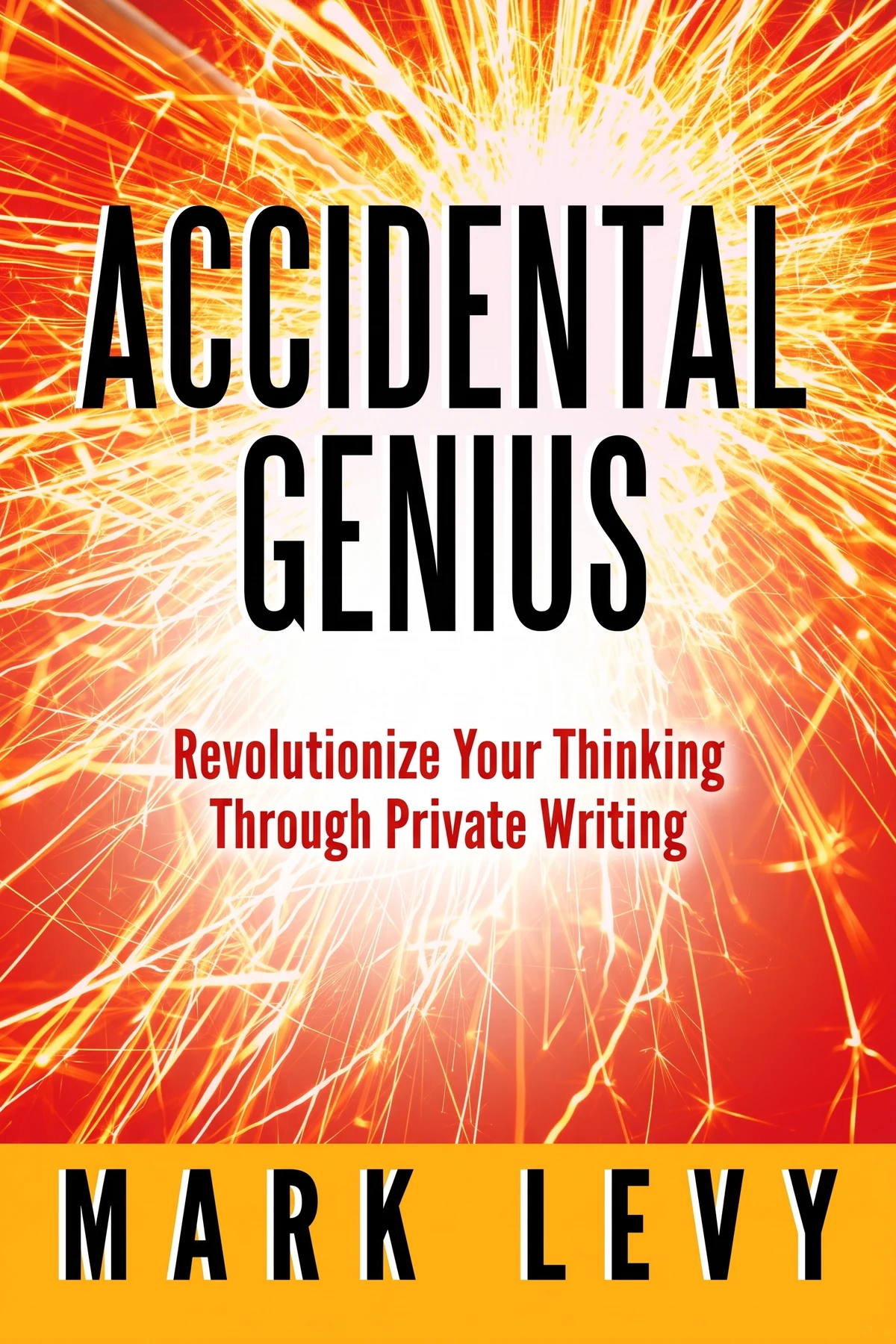






A Guide to the Good Life: The Ancient Art of Stoic Joy
William B. Irvine
AUDIO SUMMARY AVAILABLE
Listen to Never Play It Safe in 15 minutes
Get the key ideas from Never Play It Safe by Chase Jarvis, plus 5,000+ more nonfiction titles.
- 5,000+ titles
- Listen as much as you want
- 7-day free trial
- Cancel anytime









