

15 min 36 sec
Available in: English
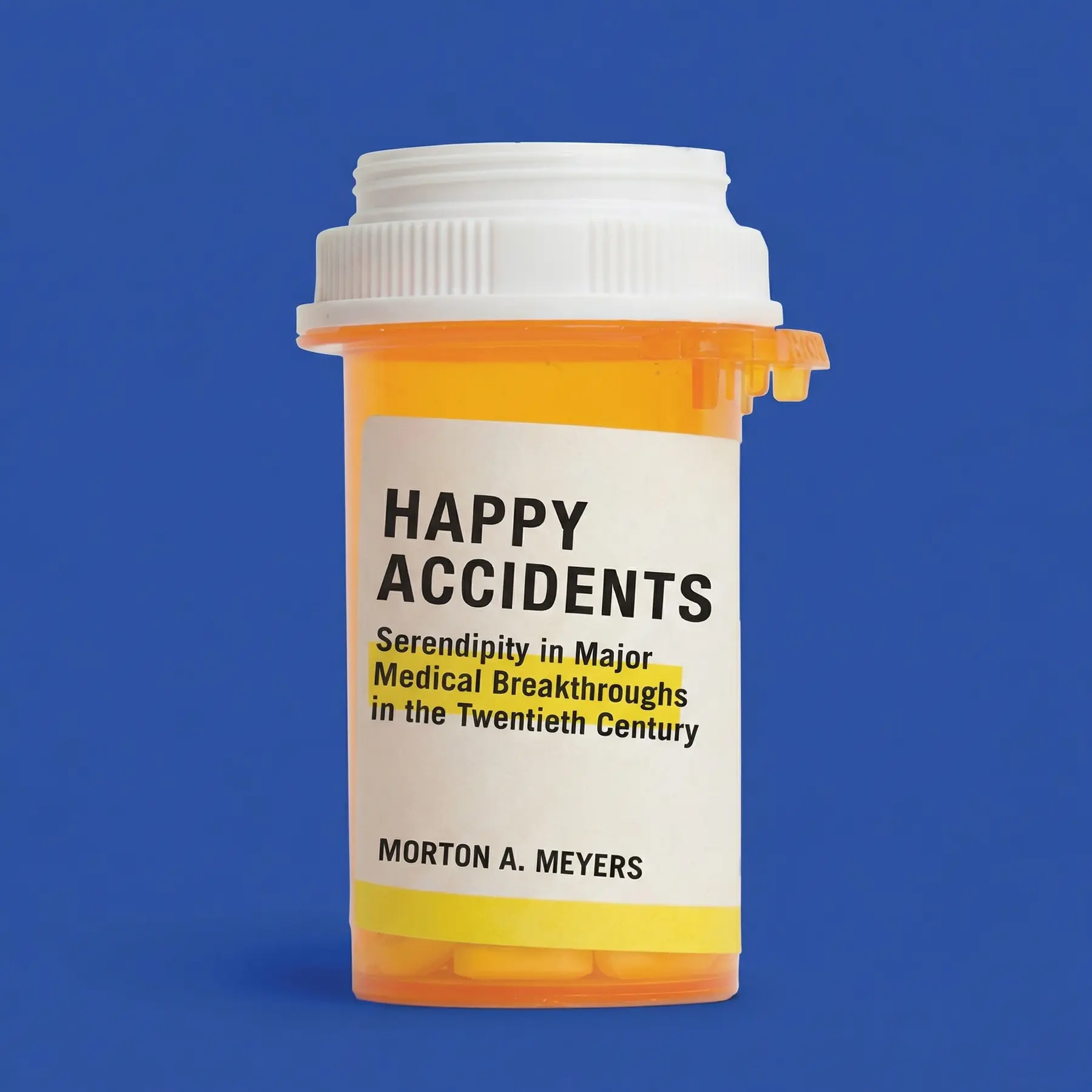
Happy Accidents: Serendipity in Major Medical Breakthroughs in the Twentieth Century
Shows how penicillin, chemotherapy, heart catheters, lithium and the first antidepressants came from accidents and side effects, and why noticing the unexpected matters as much as following a plan.
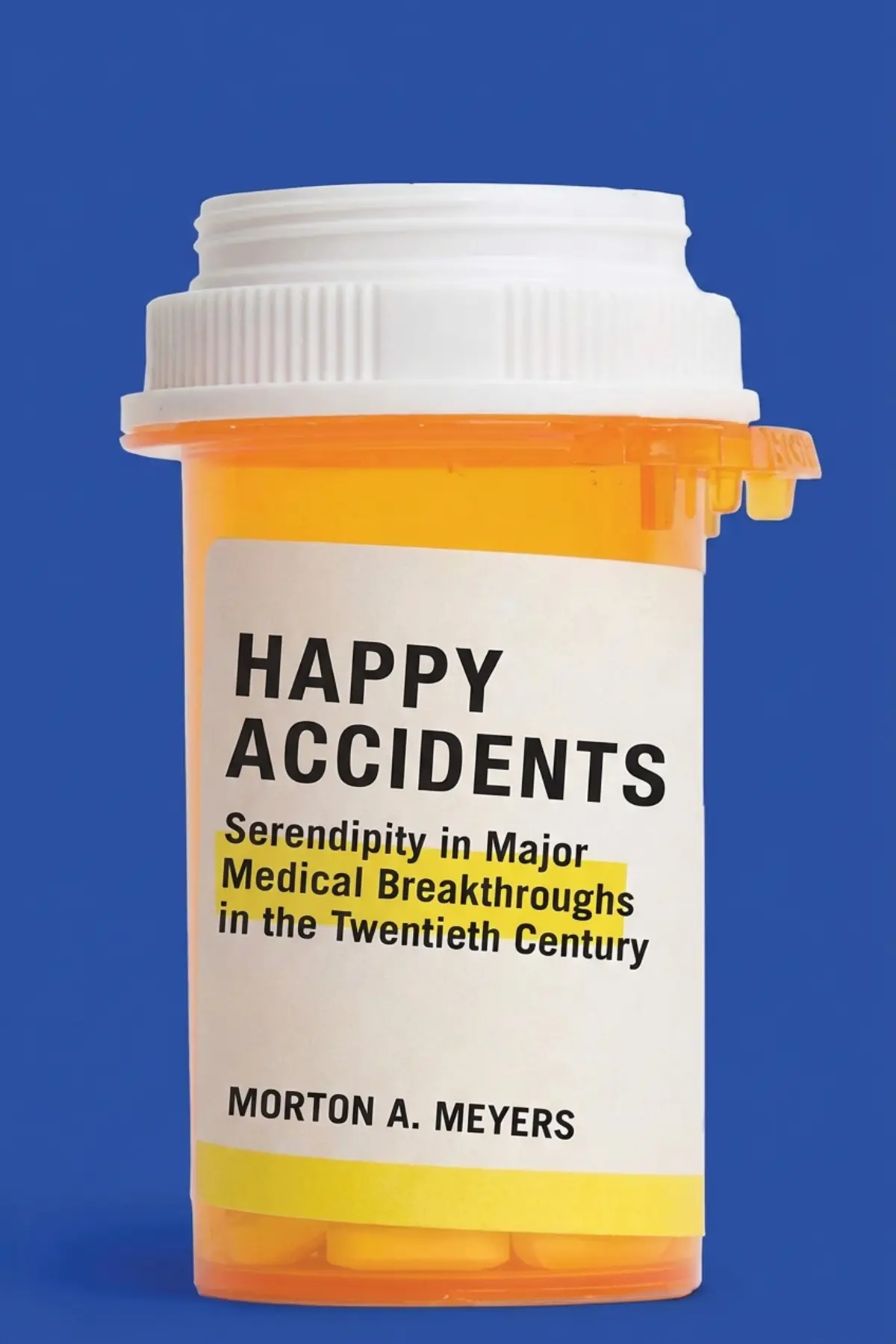
Table of Content
1. Introduction
55 sec
If you trust only the plan, you may be throwing away your best result. In Happy Accidents, radiologist Morton A. Meyers argues that many of the twentieth century’s biggest medical advances, from the first antibiotic to the first antidepressant, were not found by researchers who got what they aimed for. They were found by people who got something else and paid attention. A dye cured a sailor of malaria. A wartime poison shrank tumors. A tuberculosis drug lifted moods.
Meyers’s case is that breakthroughs come from surprises noticed by prepared, open minds, and that a research system built for conformity is making those surprises rarer. Follow his stories and you gain a working sense of how discovery actually happens, why experts so often miss it, and what any team can do to leave space for the result nobody planned.
2. The best medical discoveries rarely go to plan
1 min 33 sec
A glowing tube in a dark room and a cured case of car sickness hint that medicine’s history books leave something out. Scientists themselves often help hide it, and the reason says a lot about how research is judged.
3. Find a second use in a familiar tool
1 min 34 sec
A chemist used a coal tar dye only to make germs easier to see under a microscope. Then a frog and a feverish sailor suggested it might do far more than add color.
4. Notice the mess, then look beyond your field
1 min 45 sec
A messy London bench produced one of the century’s great medical finds, helped by a mold from downstairs and odd weather. Yet the man who saw it first stopped short, and others took it the rest of the way.
5. Read a disaster for the clue it hides
1 min 46 sec
Survivors of a wartime air raid seemed calm, said they felt fine, and then died. A young officer reading their autopsies saw a pattern that pointed somewhere nobody expected.
6. Let an accident overturn a rule everyone trusted
1 min 44 sec
For decades doctors treated the heart’s arteries as untouchable. Two slips of the hand, one terrifying and one lucky, tested that belief on living patients and changed what doctors dared to do.
7. Treat every side effect as a possible cure
1 min 49 sec
A wrong theory about bipolar disorder, a soft drink with an unusual ingredient and a tuberculosis ward full of cheerful patients all feed into how modern psychiatry treats mood.
8. Newcomers see what experts dismiss
1 min 41 sec
A pathologist in Perth found something in the stomach that experts insisted could not be there. Convincing them took a young resident, an antibiotic and a lab plate left behind over Easter.
9. Make room for surprise in how work is funded
1 min 42 sec
Accidents drove much of medicine’s progress, yet Meyers sees them growing rarer. He traces the decline to how research money is handed out, how drug companies spend and what young doctors are taught.
10. Conclusion
1 min 07 sec
Happy Accidents trades the lab-coat legend for something messier and more hopeful. A cluttered bench, a bombed harbor, a slipped catheter, a forgotten culture plate: none were planned, and each changed medicine because one person stopped to ask what had just happened. Luck supplied the event. Ehrlich, Alexander, Cade and Marshall supplied the question, and Fleming’s half-finished story shows what is lost when the question stays too narrow.
That is why Meyers worries about a system that funds only the expected and trains students to stay inside the lines. Surprises cannot be scheduled. They can only be given room.
His cases point to a few habits. Keep the results that annoyed you, because a side effect may be someone else’s cure. When something odd appears, ask who beyond your specialty would care. And leave some slack in time, money or patience for work whose purpose you cannot yet defend.
Marshall’s bacteria were growing the whole time. He found them because he had not thrown the plate away.
About this book
What is this book about?
We picture medical progress as careful scientists marching step by step toward a planned answer. Morton A. Meyers, a radiologist who made his own lucky find, argues that the real record looks very different. Many of the twentieth century's biggest advances began when researchers looked for one thing and found another. Meyers retells these cases in detail. A coal tar dye cured a sailor's malaria and gave rise to chemotherapy and the first drug companies. A moldy dish in London led to penicillin. Poison gas leaking into a bombed harbor in Italy pointed to the first cancer drug. Slips of the hand opened the heart to doctors, a wrong theory produced lithium, and a tuberculosis drug became the first antidepressant. A young resident's forgotten lab plate revealed the bacteria behind stomach ulcers. In every case, Meyers shows, chance only paid off because someone noticed and asked why. He ends with a warning that funding rules, drug marketing and rule-bound training are squeezing out such discoveries, and a case for giving curiosity and error more room.
Book Information
Who it's for
Researchers, clinicians, medical students
Researchers, clinicians and medical students who want an honest account of how breakthroughs really happen.
Wondering what planning misses
Team leads and founders who plan every project and wonder what their process filters out.
Curious about medical history
Curious readers who enjoy medical history told through vivid cases, from Fleming's mold to the harbor at Bari.
About the Author
Morton A. Meyers
Morton A. Meyers is a professor of radiology and medicine, now with emeritus status, who once led the radiology department at the State University of New York. He knows serendipity from the inside. He came upon an unexpected finding about how contrast fluid moves through the abdominal cavity during X-ray imaging, and it gave doctors an important new understanding of how cancer spreads through the body.
Ratings & Reviews
Ratings at a glance
What people think
Listeners find the book accessible and educational, with one listener noting it delivers a deep dive into the history of drug discovery. The material itself prompts varied responses from listeners.
Top reviews
Pooja
This book is a fascinating deep dive into the chaotic nature of scientific progress. Meyers does an incredible job illustrating how the most monumental medical breakthroughs, like penicillin and Valium, weren't the result of rigid planning but rather fortunate blunders. It’s genuinely eye-opening to see how much we owe to pure serendipity and the researchers who were clever enough to notice a strange result. While some sections get bogged down in chemical structures, the narrative stays engaging for the most part. I particularly loved the exploration of how unintended consequences led to entire new classes of drugs. If you’ve ever felt like science is a straight line from hypothesis to cure, this book will completely shatter that illusion.
Show moreSawit
Wow, the chapter on the Bari mustard gas incident during WWII was absolutely harrowing and eye-opening. I had no idea that a tragic chemical release in an Italian port eventually paved the way for modern chemotherapy treatments. Meyers weaves these dark moments of history with the lighter 'kismet' stories like the accidental development of Valium or Viagra. The author emphasizes that while these were 'accidents,' they required a specific kind of creative genius to recognize their potential value. It’s a dense read at times, but the emotional weight of these discoveries kept me turning the pages. This is easily one of the most compelling histories of medicine I’ve encountered recently.
Show moreRome
In my experience, the best science writing finds a balance between the hard data and the human element. Meyers hits that sweet spot perfectly here by showing that scientists aren't just cold calculators, but people who stumble into greatness. The focus on classic trial and error serves as a necessary reminder that innovation can’t always be forced or scheduled by a corporation. It’s a great book for anyone who enjoys making connections between seemingly unrelated events in history. From the tragedy of Radithor to the creation of mirrors, the range of topics covered is genuinely impressive. This is a must-read for anyone who appreciates the beautiful, messy reality of how we find cures.
Show morePridi
Ever wonder why so many life-saving medicines seem to appear out of thin air? Happy Accidents explores the history of medical milestones with a focus on 'prepared minds' catching what others might have dismissed as errors. The storytelling is solid, covering everything from the accidental discovery of Viagra to the grim origins of chemotherapy. Truth is, the author sometimes wanders into 'pontification' territory in the intro and conclusion, which can feel a bit dry compared to the actual stories. I’d suggest skimming the denser philosophical bits and focusing on the meat of the discovery tales. It’s a great read for anyone interested in the intersection of luck and logic.
Show moreIsaiah
As someone with a background in lab work, I appreciated the thoroughness Meyers brings to these historical accounts. He provides a robust background on drug discovery that goes beyond the superficial 'eureka' moments often portrayed in popular media. The book highlights the importance of multidisciplinary thinking and how being open to unintended results can change the world. Some parts are a little too technical for a casual reader, particularly when diving into molecular structures. However, for a self-proclaimed microbiology geek, these details are exactly what make the book feel authentic and informative. It definitely makes you look at your medicine cabinet in a whole new light.
Show moreSue
Not what I expected, but in a mostly good way. I thought this would be a light collection of trivia, but it’s actually a quite serious look at the philosophy of scientific discovery. The author provides a very thorough background on the pharma industry and how serendipity often trumps the most well-funded research labs. One minor gripe is that the footnotes are all at the back, which makes it annoying to flip back and forth while reading. Still, the content is fascinating enough to overlook the clunky formatting. It’s an informative read that makes a strong case for why we should allow scientists more room for 'trial and error' in their work.
Show moreSamuel
Picked this up because I love stories of 'kismet' and it mostly delivered on that promise. The anecdote about male patients refusing to return their 'failed' hypertension samples (which we now know as Viagra) was particularly amusing. Meyers highlights the limit of human perception and how often we miss what's right in front of our faces because we're too focused on a specific goal. The book is readable and provides a lot of context that you won't find on a Wikipedia page. I did find some of the chemistry talk a bit over my head, but it didn't ruin the experience. Overall, it's a solid, informative look at how much we don't know.
Show moreGai
Frankly, I found the core premise a bit of a re-tread of stories I've heard many times before. While the writing is clear and the research is obviously thorough, if you’ve read much about medical history, you won’t find many new revelations here. The usual suspects—Fleming’s moldy petri dish, the Curies and their radium—are all present and accounted for. There are some interesting bits regarding the Bari mustard gas tragedy that felt fresh, but they are few and far between. It’s a decent introductory text for a novice, but seasoned science buffs might find it a little repetitive. Not a bad book, just not particularly groundbreaking in its own right.
Show moreHugo
After hearing so much about this title, I finally sat down to give it a thorough read. To be fair, Meyers is a knowledgeable guide, but his tendency to go 'into the weeds' during the introduction and conclusion is distracting. The actual stories of serendipity, like the history of gunpowder or the discovery of lithium, are fantastic and well-paced. Unfortunately, the book loses momentum whenever the author stops narrating and starts pontificating about the state of modern research. It feels like two different books fighting for space: a great narrative history and a dry academic critique. I’d recommend it with caveats—specifically, keep your thumb on the skip button for the preachy parts.
Show moreIngrid
I'm going to be the outlier here and say this was a total slog for me. I eventually just gave up and called it a DNF because I couldn't stomach the author's repetitive writing style. The stories themselves are fine, but they’ve been told better in other books and journals I’ve come across. The technical jargon is layered on so thick in certain chapters that it feels more like a textbook than a narrative for general readers. I was looking for something engaging and fast-paced, but this felt like a series of dry lectures. There are way too many fantastic books on science history out there to waste time on something this boring.
Show moreQuestions about this book
What is the main idea of Happy Accidents by Morton A. Meyers?
Meyers argues that many major twentieth-century medical advances, including antibiotics, cancer chemotherapy, heart catheterization and antidepressants, came from serendipity: researchers looking for one thing and finding something more valuable. Chance alone was never enough, though. Each discovery needed someone with reason, intuition and imagination to notice the surprise and pursue it. He also argues that scientists often hide the role of luck, which gives students and the public a false picture of research.
How was penicillin discovered according to Happy Accidents?
In 1928 Alexander Fleming returned to his untidy London lab and found a dish of Staphylococcus bacteria spoiled by a rare mold, likely from the mycology lab below. The bacteria near the mold had vanished, helped by a cool spell and then a warm one. Fleming never tested the substance on animals or on syphilis. Florey, Chain and Heatley later proved its power in mice in 1940 and in four sick children.
Why does Meyers think accidental discoveries are becoming rarer?
He points to changes in how research works. After the Second World War, US government agencies became the main funders and built a bureaucratic system that favors planned, systematic work. NIH peer review lets active scientists in a field judge proposals, which can favor existing beliefs. Drug companies spend more on marketing existing drugs than on new ones, and medical students are trained to follow rules while learning little about chance.
How can I apply the lessons of Happy Accidents in my own work?
The book’s cases suggest a few habits. Record unexpected results instead of discarding them, since Kline’s clue to antidepressants was a side effect he noticed in patients taking Serpasil. Ask who outside your specialty might use an odd finding, the step Fleming skipped. Invite newcomers to question settled beliefs, as Barry Marshall did with stomach ulcers. And protect some time and money for exploration that cannot be justified in advance.
Readers also enjoyed
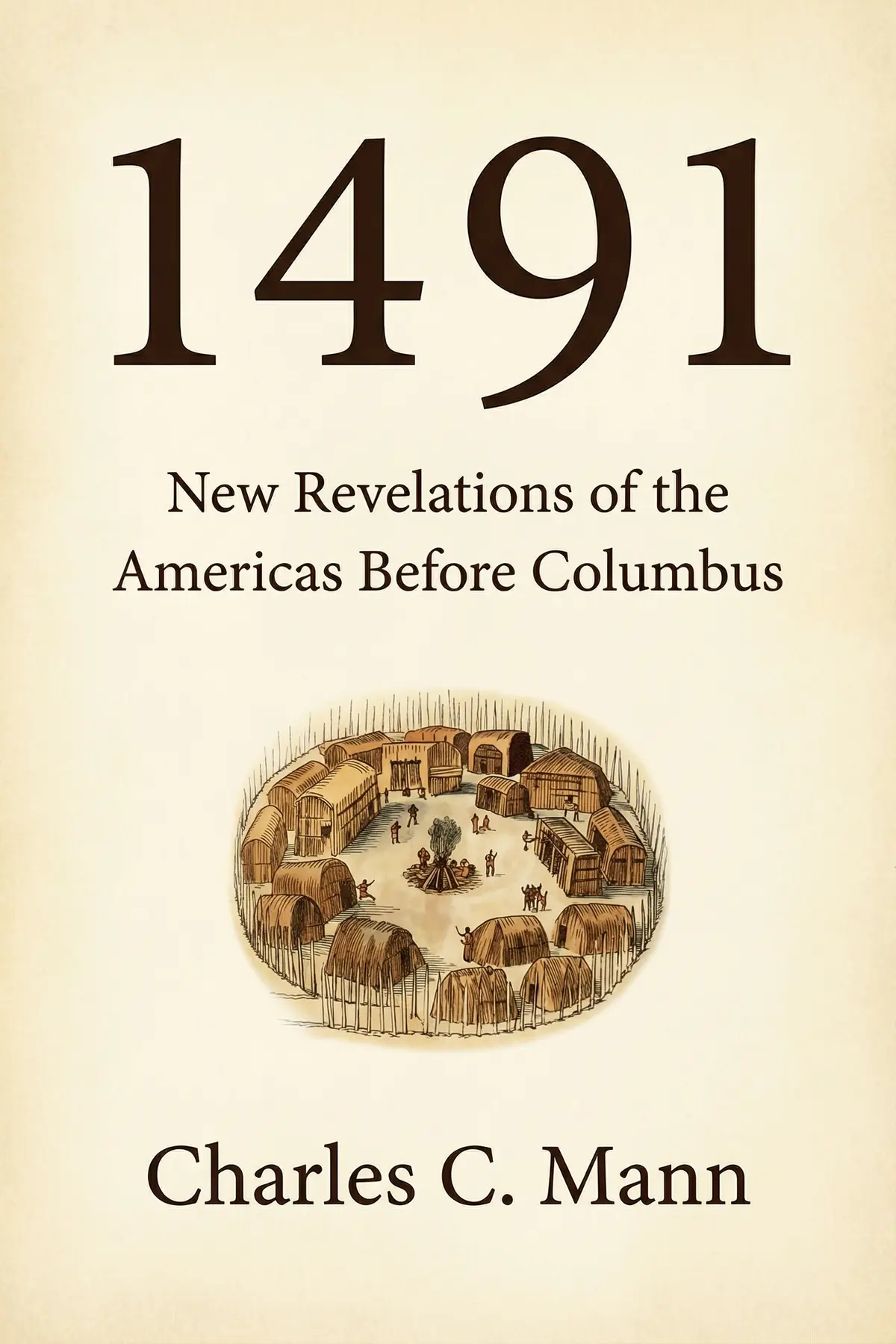
1491: New Revelations of the Americas Before Columbus
Charles C. Mann

Age of Anger: A History of the Present
Pankaj Mishra

A Life Decoded: My Genome: My Life
J. Craig Venter
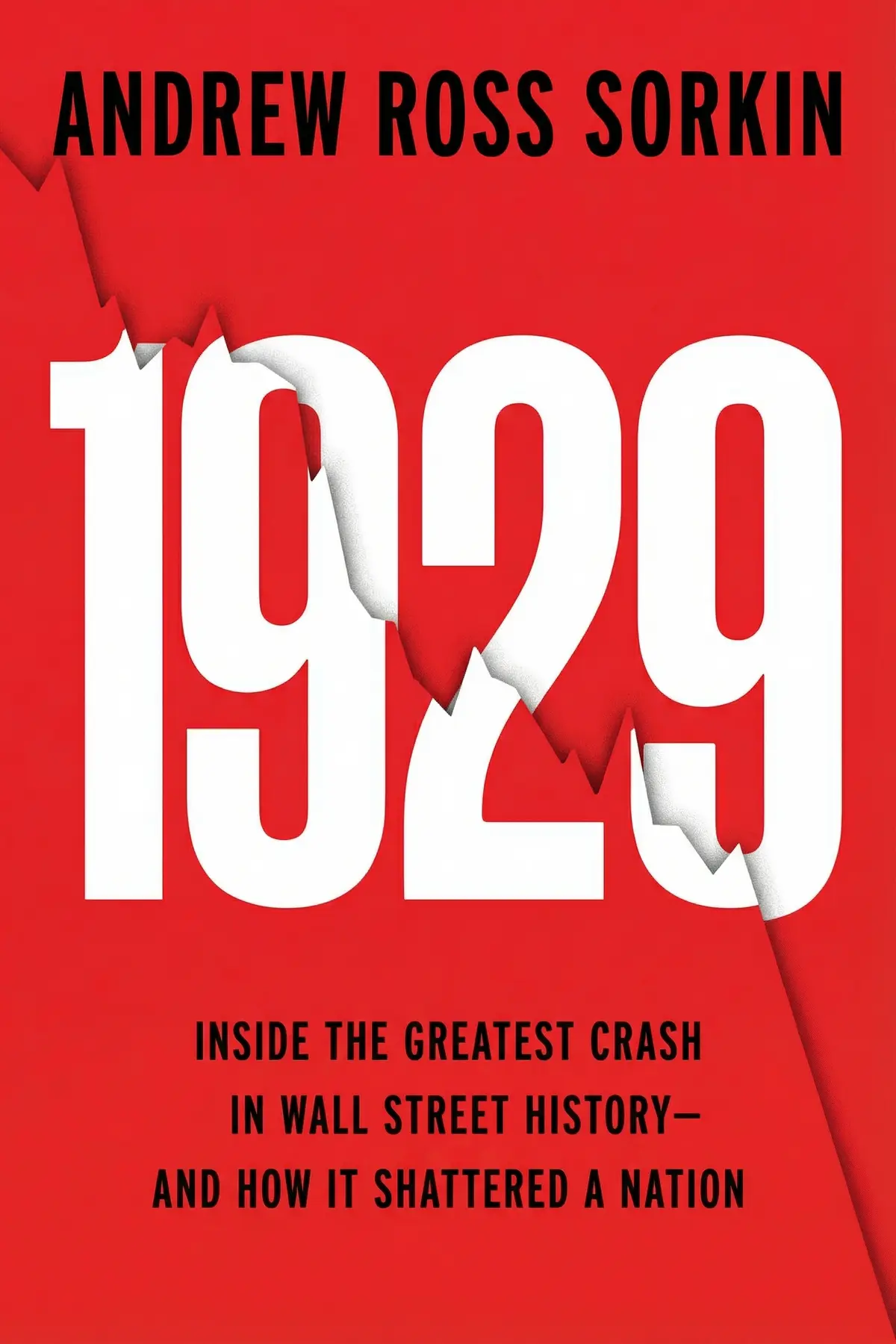
1929: Inside the Greatest Crash in Wall Street History--and How It
Andrew Ross Sorkin

Agent Sonya: The Spy Next Door
Ben Macintyre
A Planet of Viruses
Carl Zimmer

A Biography of Loneliness: The History of an Emotion
Fay Bound Alberti
Alexander Hamilton
Ron Chernow

A Short History of Nearly Everything
Bill Bryson
AUDIO SUMMARY AVAILABLE
Listen to Happy Accidents in 15 minutes
Get the key ideas from Happy Accidents by Morton A. Meyers, plus 5,000+ more nonfiction titles.
- 5,000+ titles
- Listen as much as you want
- 7-day free trial
- Cancel anytime









