
16 min 10 sec
Available in: English
1929: Inside the Greatest Crash in Wall Street History--and How It Shattered a Nation
A human history of the 1929 crash: how optimism, margin debt and cheap credit built a bubble, and why the policy mistakes that followed, more than the crash itself, caused the Depression.

Table of Content
1. Introduction
1 min 00 sec
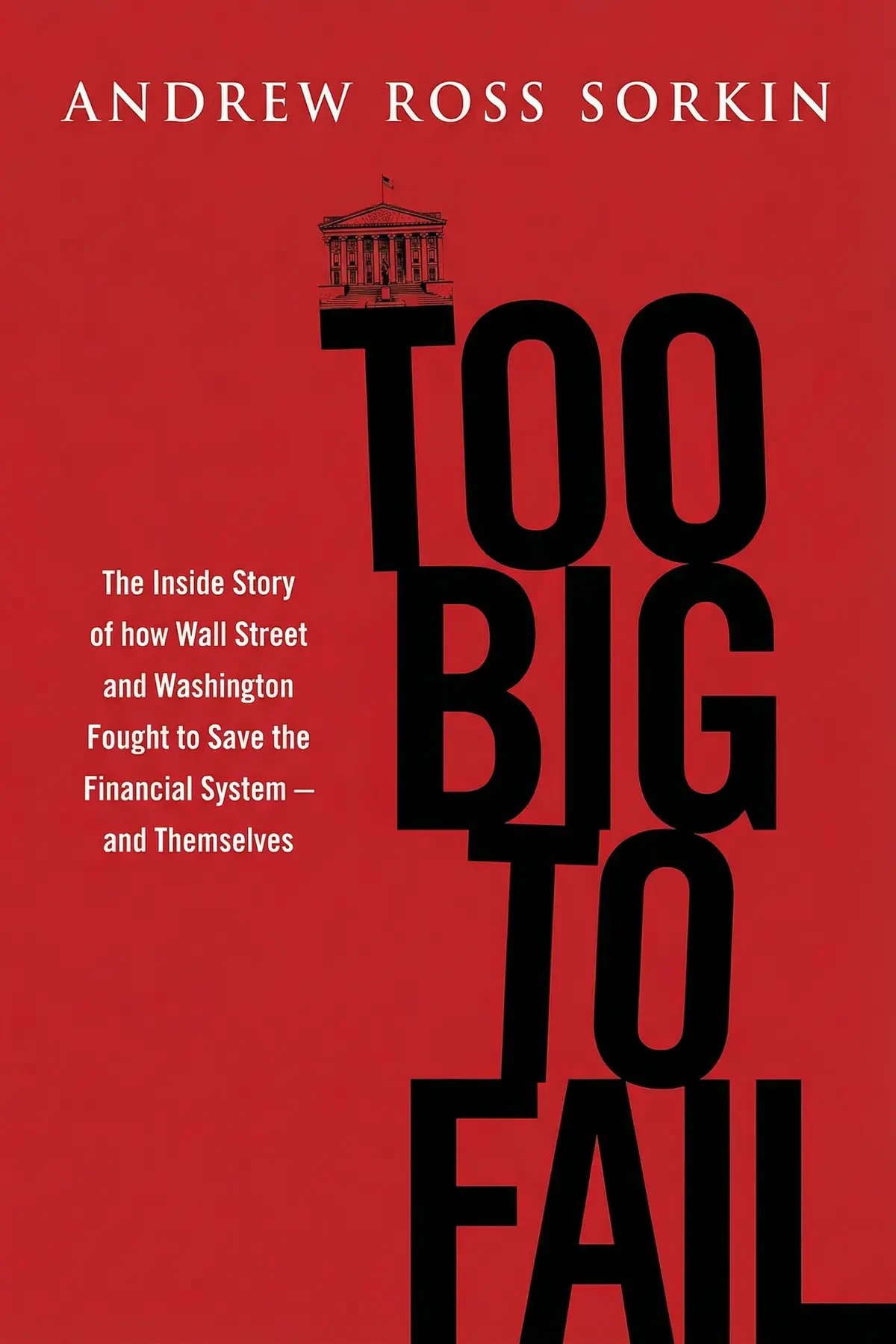
Most people carry a picture of 1929 that is partly wrong: bankers rarely leapt from windows, and suicide rates actually fell after the crash. In 1929, journalist Andrew Ross Sorkin, author of Too Big to Fail, retells the most famous market collapse in American history through the people who caused it, with the charts kept in the background. His argument is that the crash grew out of a very human mix of optimism, easy debt and salesmanship, and that the long Depression afterward was the work of policy choices made later.
If financial headlines leave you unsure whether a booming market is progress or a bubble, this story gives you a way to judge. You will see how margin lending multiplied gains and losses alike, how one banker sold stocks like household gadgets, which decisions stretched a crash into a decade of hardship, and which safeguards were built afterward and then taken apart.
2. Spot the mood that comes before a crash
2 min 07 sec
In the 1920s, a future president, a state governor and a respected economist all agreed that the old rules of markets no longer applied. Their confidence sounded reasonable at the time, and that is exactly what made it dangerous.
3. Learn to see borrowing as a bet on tomorrow
2 min 16 sec
For generations, Americans saw debt as a sign of weak character. Then a car company changed the rules, and within a decade middle-class savers were buying shares with money they did not have.
4. See how one banker turned savers into speculators
2 min 15 sec
A man who started out selling telephone parts for ten dollars a week became the most celebrated banker in America. His lunchtime speech to a group of discouraged salesmen explains how a whole nation got pulled into the market.
5. Spot how cheap money turns a rally into a trap
2 min 28 sec
An interest rate cut in London in 1927 set off a chain of events that ended on a single October day in New York. The mechanism is simple enough to explain to a friend, and it has not gone away.
6. Tell the crash apart from the Depression
2 min 18 sec
Stocks had bounced back strongly within months of Black Tuesday, yet the worst was still ahead. Sorkin traces the hard times that followed to a handful of decisions made in Washington and at the Fed.
7. Know which safeguards stop the next panic
2 min 31 sec
A Sicilian shoemaker’s son exposed how Wall Street’s biggest names had served themselves, and the rules that followed protected savers for decades. Then, near the end of the century, those rules began to come apart.
8. Conclusion
1 min 15 sec
The famous photographs of 1929 show the ending. Sorkin cares more about the years before, when a country that had suffered a panic every couple of decades persuaded itself the pattern was over. Nobody had to be a villain for that to happen. Groucho Marx’s broker was no swindler, since he put his own money into the stocks he recommended to clients. Belief, borrowed money and cheap credit did the rest, and then a few policy choices turned a market collapse into ten hard years for the country and much of the world.
The story offers a practical way to read any boom. Notice when serious people start saying the old cycles have ended. Before borrowing against the future, work out what a fall of one fifth would do to you, the drop that erased a 1920s margin buyer’s entire stake. And when a crisis arrives, watch what officials do next, whether they protect savers and keep money moving or let it drain away.
Sunshine Charley stood on a rooftop and saw six million people waiting to be told what to do with their savings. The safer place is down on the street, asking what happens when the sun goes in.
About this book
What is this book about?
Most people think they know the story of 1929: a frenzy, a crash, bankers leaping from windows, then the Depression. Andrew Ross Sorkin, the journalist behind Too Big to Fail, shows that much of this picture is misleading. Suicide rates actually fell after the crash, and the crash on its own did not cause the long slump that followed. Sorkin tells the story through the people who inflated the bubble. He follows a country that came to believe boom and bust were over, the new respectability of buying on credit, and Charles Mitchell of National City Bank, who sold stocks to first-time investors the way others sold cars. He explains how cheap credit from London and New York met margin loans as small as five percent, and how the Fed, the gold standard and the absence of deposit insurance turned a market collapse into a national disaster. Readers come away with a clear account of what went wrong, the reforms that followed under Ferdinand Pecora and Roosevelt, how those reforms were later undone, and a set of warning signs for judging booms in their own time.
Book Information
Who it's for
Investors questioning today's market
Investors who wonder whether today's soaring market is progress or a bubble.
Wanting the crash explained
Professionals and students who want a clear, human account of how the 1929 crash happened and why the Depression lasted so long.
Curious what preceded 2008
Readers of Too Big to Fail curious about the crisis that came before it.
About the Author
Andrew Ross Sorkin
Andrew Ross Sorkin, born in 1977, is an American journalist and author who began writing for The New York Times in 1995, before finishing high school. In 2001 he founded DealBook, the Times' daily online financial report, and he co-anchors Squawk Box on CNBC. His book Too Big to Fail, about the 2008 financial crisis, won the 2010 Gerald Loeb Award for best business book and became an HBO film he co-produced. He also co-created the Showtime drama Billions. 1929, published in October 2025, draws on hundreds of documents.
Ratings & Reviews
Ratings at a glance

What people think
Listeners find this book to be a gripping account with a fast-moving narrative that unfolds much like a novel. The prose is exceptionally well-crafted, with one listener emphasizing the author's talent for clarifying intricate events. Additionally, the work delivers absorbing details regarding the 1929 stock market crash and introduces a memorable ensemble of figures. Listeners also value its historical merit, with one review noting how the story examines both financial subjects and human foibles.
Top reviews
Sarawut
Honestly, I wasn't sure if I could handle another book about financial collapses, but Sorkin makes it feel like a high-stakes thriller. It’s written with such a cinematic quality that you forget you’re reading non-fiction. I especially loved the way he handles the characters—they aren't just names on a page, they feel like real, flawed people caught in a storm. The way he structured the chapters by date made the timeline so easy to follow, even for someone who usually finds history books a bit of a slog. It’s a terrifying look at how ego and hubris can wreck a nation. Personally, I think this should be required reading for anyone working in finance today. It’s fast-paced, deeply researched, and incredibly relevant.
Show moreAnawin
Absolutely phenomenal. I read 'Too Big to Fail' years ago and loved it, so I was excited to see Sorkin tackle the 'original' crash. He has this incredible knack for taking complex financial shenanigans and making them feel like a page-turner. What struck me most was how little human nature has changed since 1929. The greed, the blind optimism, the absolute panic—it’s all there. The book doesn't just talk about numbers; it talks about the shattering of the American dream. I finished it in two sittings because the prose is just that engaging. It’s a vivid, scary, and essential piece of history that reads like a novel. Highly recommended for history buffs and novices alike.
Show moreLucas
Five stars for the storytelling alone. Sorkin captures the 'vibe' of the Roaring Twenties and the sudden, chilling transition into the Depression perfectly. I was particularly fascinated by the eyewitness account of Winston Churchill—I had no idea he was actually there watching the market collapse! It’s those kinds of details that make the book feel special. To me, the book is really about irrationality and how quickly people can lose their heads when money is involved. It’s a great reminder that markets aren't these logical, robotic systems; they're driven by people who are often scared and greedy. This is easily one of the best history books I've read this year.
Show moreDaranee
Sorkin does it again. Like he did with the 2008 crisis, he takes a chaotic moment in time and finds the human pulse behind it. The research is clearly meticulous, drawing from private papers and first-hand accounts that I hadn't seen before. It really highlights the arrogance of the era—everyone thought the boom would last forever. It’s a sobering read when you think about our current tech or AI booms; you can see the same patterns repeating themselves. The prose is sharp, the pacing is excellent, and the focus on the actual days of the crash makes it feel incredibly immediate. It's a fantastic, immersive experience that I couldn't put down.
Show moreAndrei
As a fan of Sorkin’s work on 'Billions,' I had high expectations for this. He definitely delivers on the drama and the 'behind-the-scenes' feel of Wall Street. The book does a fantastic job of illustrating the atmosphere of 1929—you can almost hear the stock tickers clattering. I did find the sheer number of people a bit overwhelming at times, though. There’s a list of names at the front, and I’d highly recommend keeping a finger there because you’ll need it! My only real gripe is that I wanted a bit more of the 'why' behind the economic concepts. He mentions speculation a lot, but a deeper dive into the mechanics would have been nice. Still, a very worthwhile and propulsive read.
Show moreEthan
This was a really eye-opening look at the 1929 crash. I liked how Sorkin focused on the 'players' like Charles Mitchell and Carter Glass rather than just dry statistics. It makes the history feel much more personal. I will say, the book’s ending felt a little bit tepid to me. Sorkin seems to suggest that we just need 'humility' to prevent these things, which feels like a bit of a cop-out when you see how much damage these guys did. But maybe that's just my own bias speaking! The writing itself is top-notch, and I appreciated that he didn't constantly hit us over the head with comparisons to today. He lets the history speak for itself, which I really respected.
Show moreDing
I went into this with only a basic understanding of the crash, and I came away feeling much more informed. Sorkin’s journalistic style is very accessible. He avoids the dense jargon that usually makes my eyes glaze over. I especially enjoyed the second half of the book, which deals with the aftermath and the trials. It was interesting to see how the public's trust in capitalism was so fundamentally shaken. I did think some of the characterizations were a bit thin—with so many people to cover, only a few really stand out—but the chronological structure kept the momentum going. It's a solid, well-paced read that manages to make banking feel exciting.
Show moreChee
I’m not a finance person at all, so I was worried this would go over my head. Thankfully, Sorkin writes for the layperson. He explains things like short selling and margin trading in a way that actually makes sense. The book is definitely more about the drama and the personalities than the hard economics, which worked for me. I did find the 'Cast of Characters' at the start to be essential, as there are a ton of bankers and politicians to keep track of. My only reservation is that I felt the author was a bit soft on some of the characters who clearly caused the mess. Still, it’s a compelling and fast-paced narrative that kept me hooked.
Show moreAkosua
A very solid 4 stars. It’s a great 'entry-level' book for anyone interested in the 1929 crash. It doesn't get bogged down in theory, which makes it a quick read. I liked the focus on the human story—how families were affected and how the wealthy tried to save themselves while the public bore the brunt of the losses. Honestly, it made me a bit angry to read about the corruption and the bribes! My only minor issue is that it feels a bit more like a collection of very good anecdotes than a definitive historical analysis. But if you're looking for an entertaining and informative narrative, you can't go wrong with Sorkin.
Show moreUbolrat
I have mixed feelings about this one. On one hand, Sorkin is a master storyteller. The scenes with Winston Churchill and the dinner parties in New York were fascinating and felt very grounded. However, I felt like the book stayed a bit too much on the surface. It’s very 'ground-level,' which is great for pacing, but I occasionally felt lost regarding the bigger macroeconomic picture. It’s a slender volume, and maybe that’s the problem—it tries to cover so much human drama that the actual financial analysis gets squeezed out. If you want a character-driven narrative, you’ll love it. If you’re looking for a deep academic explanation of the Great Depression, this might not be for you.
Show moreQuestions about this book
What is the main argument of 1929 by Andrew Ross Sorkin?
Sorkin argues that the 1929 crash grew out of human choices: a national belief that booms would never end, the new respectability of debt, celebrity bankers selling stocks to first-time investors, and cheap credit that let them buy on margin. He separates the crash from the Great Depression, which he blames on policy decisions afterward, such as the lack of deposit insurance and the Fed’s defense of the gold standard.
Did the 1929 stock market crash cause the Great Depression?
Not on its own, according to Sorkin. Stocks had recovered 50 percent by spring 1930, and the worst market year was 1931. What deepened the slump was policy: without deposit insurance, people hoarded cash and the money supply fell by a third between 1929 and 1933, while the Fed raised rates in 1930 to protect the gold standard, choking borrowing and demand.
What was buying on margin in the 1920s?
Buying on margin meant paying a small part of a stock’s price and borrowing the rest. In the 1920s, brokers sometimes asked for as little as five percent, compared with fifty percent today. Borrowing multiplied gains when prices rose, but a fall from $100 to $80 could wipe out a $10 stake, triggering margin calls and forced selling that drove prices down further.
Who was Charles Mitchell and what role did he play in the crash?
Charles Mitchell, nicknamed Sunshine Charley, rose from selling telephone parts for $10 a week to running National City Bank, now Citibank. He pitched stocks to ordinary savers as just another modern convenience bought on credit, and his bank sold about $12 billion of stock by fall 1929. The later Pecora inquiry found he had taken interest-free loans from his bank.
What lessons does 1929 hold for investors today?
Sorkin points to warning signs that can recur: confident talk that boom and bust are over, heavy borrowing to buy assets, cheap money, and excitement around new technology. He notes that post-crash safeguards like Glass-Steagall were partly repealed in 1999, contributing to 2008, and that today’s market, fed by money created after 2008, can look like a bubble from some angles.
Readers also enjoyed



Adults in The Room: My Battle With Europe’s Deep Establishment
Yanis Varoufakis



A Spy Among Friends: Philby and the Great Betrayal
Ben Macintyre



A Year in the Life of William Shakespeare: 1599
James Shapiro
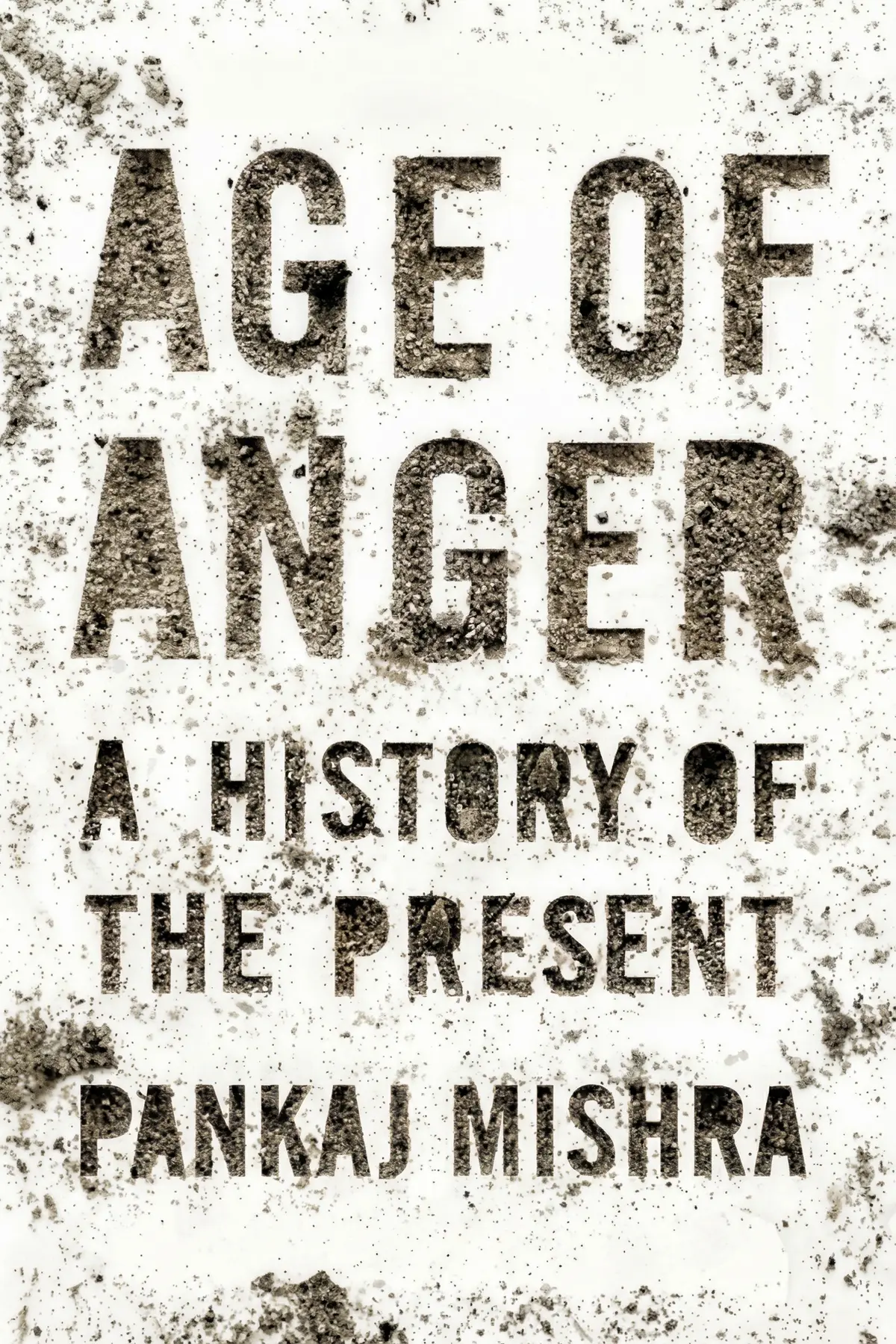
Age of Anger: A History of the Present
Pankaj Mishra
AUDIO SUMMARY AVAILABLE
Listen to 1929 in 15 minutes
Get the key ideas from 1929 by Andrew Ross Sorkin, plus 5,000+ more nonfiction titles.
- 5,000+ titles
- Listen as much as you want
- 7-day free trial
- Cancel anytime









