

12 min 07 sec
Available in: English
The Yankee Way: The Untold Inside Story of the Brian Cashman Era
By Andy Martino
An inside look at how the New York Yankees climbed back from collapse. Brian Cashman and his mentors built lasting systems for judging talent, handling stars and turning data into decisions coaches and players trust.
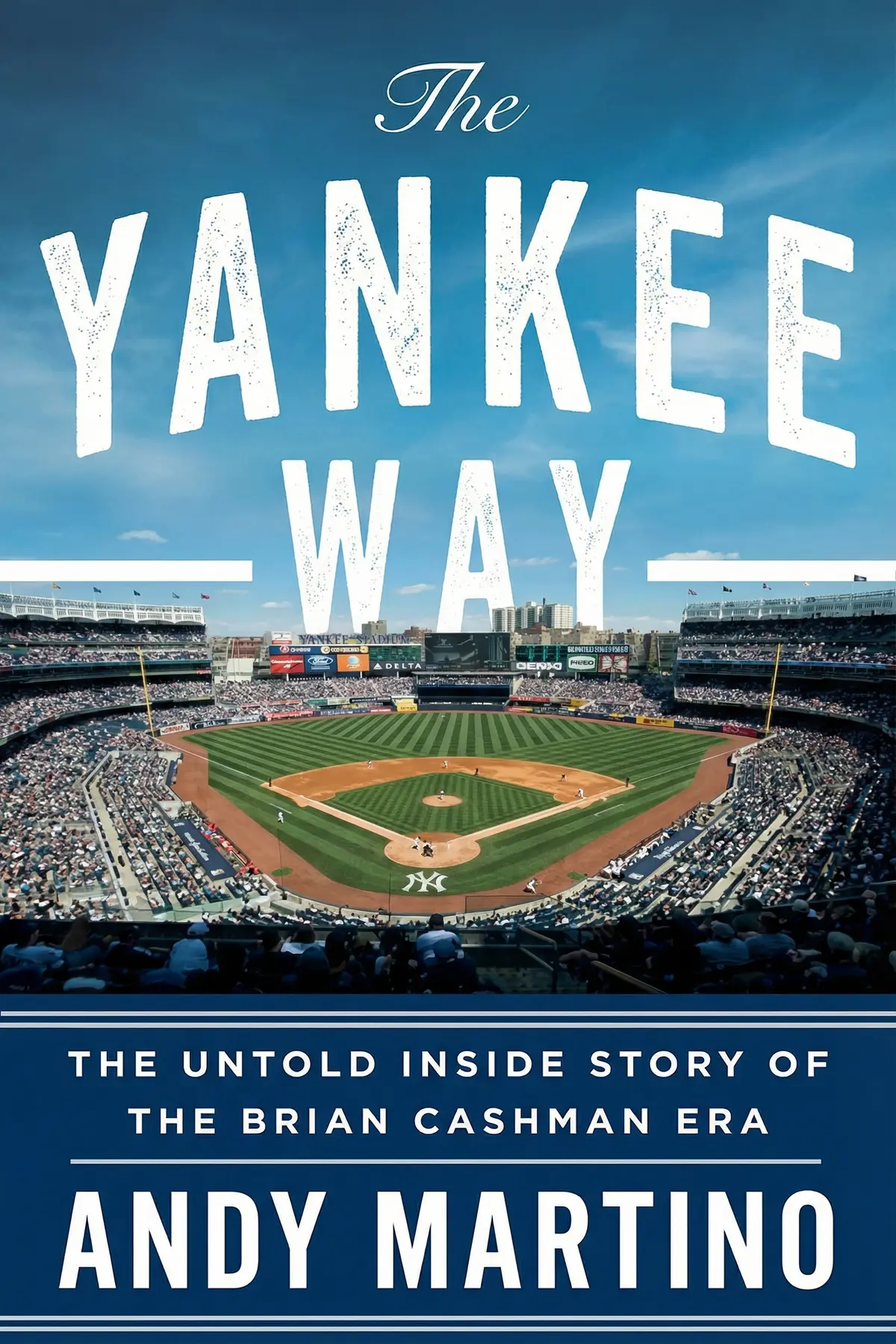
Table of Content
1. Introduction
1 min 11 sec
If you lead a team, it is easy to credit a winning organization to money or luck. In The Yankee Way, sports journalist Andy Martino goes inside the Brian Cashman era of the New York Yankees and finds something more useful to copy. The club’s revival rested on clear standards for judging people, nerve on unpopular decisions and the patient work of making new methods usable by the humans who must apply them.
The story runs from a last-place finish in 1966 to a 114-win season and beyond. At its center is Cashman, who arrived as an intern in 1986 and was running the most famous franchise in sports at 30.
The thread through every era is the same. The Yankees won when someone built a system that could outlast any single star, owner or manager. Follow it, and you get a manager’s education in baseball clothes: how to judge talent by what a role truly needs, how to step up without undercutting a colleague, how to keep feuding stars working together and how to turn data into decisions people trust.
2. Make the unpopular call that pays off later
2 min 00 sec
A ballplayer who threw a hot dog into the stands ended up shaping a dynasty. His best decisions angered fans at first, and the reason they worked says a lot about trusting the right measure.
3. Judge talent by what the role really needs
1 min 48 sec
Most scouts chase the all-around athlete. The Yankees taught theirs to prioritize specific tools for each position, a method that helped them find talent other teams might overlook.
4. Step up without stepping on your colleague
1 min 52 sec
When an owner offers you your boss’s job in the middle of a pennant race, the obvious answer is yes. A young assistant gave a different answer, and it shaped how he would lead for decades.
5. Keep star egos from splitting your team
2 min 01 sec
The Yankees landed Alex Rodriguez and found that Derek Jeter treated him coldly. The feud had roots years deep, and no single trade or talk could fix it.
6. Turn data into decisions people will trust
2 min 00 sec
The Yankees eventually had more information about their players than anyone could read. That abundance created a problem no spreadsheet could solve, and the fix had more to do with feelings than formulas.
7. Conclusion
1 min 15 sec
Martino’s Yankees are not a story of a lucky franchise with deep pockets. Money bought Catfish Hunter and Reggie Jackson, but the lasting wins came from things money alone cannot buy: a profile that told scouts what a shortstop truly needs, a general manager willing to trade a fan favorite for a better fit, and a young assistant who refused to take a job behind a colleague’s back. When stars feuded and an owner raged, those structures and habits held the club together.
The analytics years add the last piece. Information became plentiful, and value moved to whoever could make it understood. That is as true in an office as in a dugout.
If you take one habit from the book, make it Livesey’s: before judging anyone, decide what the role actually demands. Then borrow Cashman’s patience. When people clash, change who is in the room before you lecture them. When you bring in a new method, ask the people who must use it what they need.
The hot dog Gene Michael tossed into the stands got him noticed. What kept the Yankees winning was everything he and his successors built after that moment.
About this book
What is this book about?
In 1966 the New York Yankees finished last in their league for the first time in more than fifty years. The amateur draft had ended their easy access to the best young players. Andy Martino tells how the club climbed back and stayed on top, and he puts Brian Cashman at the center. Cashman arrived as an intern in 1986 and became general manager at 30. Martino shows the people who built the foundation. Gene Michael made bold, unpopular trades and prized on-base percentage. Bill Livesey created a player profile that judged prospects by what each position really demands. Joe Torre's calm steadied a pressured clubhouse. Then come the harder years: the cold feud between Derek Jeter and Alex Rodriguez, the strain with Torre, and the push to bring in analytics through a young actuary named Michael Fishman. Readers get the inside story of a sports dynasty. They also get a set of lessons any manager can use about setting clear standards, holding steady under a demanding boss and making new methods work for real people.
Book Information
Who it's for
Managers and team leads
Managers and team leads who must judge talent, handle clashing personalities or answer to a demanding boss.
Curious about Jeter's Yankees
Baseball fans curious about how the Jeter era Yankees were built and run from the inside.
Getting data work used
Analysts and data teams trying to get coaches, colleagues or executives to actually use their work.
About the Author
Andy Martino
Andy Martino is a sports journalist whose reporting focuses on Major League Baseball. He has followed the inner workings of the game closely enough to write two books about it. Cheated examines the Astros scandal and sign stealing's longer history. The Yankee Way turns to how one of the sport's most famous franchises was rebuilt and run during the Brian Cashman era.
Ratings & Reviews
Ratings at a glance
What people think
Listeners consider this a vital read for those who follow the Yankees, commending the high quality of the writing. They also value the depth of its observations, with one listener emphasizing the excellent specifics regarding Yankee culture while another points out its revitalizing viewpoint on the organization.
Top reviews
Ingrid
Few books capture the shift from the chaotic Steinbrenner years to the methodical approach of the modern front office quite like this one. I was particularly impressed with how the author gave Gene Michael his flowers as the real architect behind the 90s dynasty. It’s a refreshing perspective that highlights the scouting and infrastructure that usually gets ignored in favor of big-name free agent signings. Frankly, seeing how the team navigated the move toward Moneyball techniques was eye-opening for someone who grew up during the core four era. My only gripe is that the tone leans a bit too favorable toward the current front office. Still, it’s a grand slam for anyone wanting a deeper look at the Bronx Bombers' inner workings.
Show moreErn
Ever wonder why the Jeter era felt so different from the current Judge-led teams? The chapter comparing their leadership styles—Jeter’s DiMaggio-esque aloofness versus Judge’s Mantle-like positivity—is worth the price of admission alone. Martino provides an incredible amount of behind-the-scenes detail about the Yankee culture and how it has evolved over forty years. The way he describes the transition from George’s 'win at all costs' intensity to the current analytical framework is brilliant. To be fair, some readers might find the focus on Cashman a bit heavy, but his reign defines the modern era of this franchise. I highly recommend this for anyone who calls themselves a real fan. It is simply an excellent read.
Show moreHarper
As a lifelong fan who grew up during the '90s dynasty, reading about the transition to the analytics era was absolutely fascinating. This book shares how Brian Cashman navigated the often-volatile relationship with George Steinbrenner while building a sustainable winning tradition. The insights into the scouting department and the development of the team's infrastructure provide a refreshing perspective on the organization's success. Look, we all know the big names, but hearing about the people behind the scenes who developed the thought processes used today is what makes this a must-read. The writing is clear, concise, and keeps you engaged from the first page. It really helps you educate yourself on all things Yankee history. Five stars for the incredible research!
Show moreAiden
Picked this up on a whim and couldn't put it down. The book functions almost like a textbook for courses in leadership and teamwork, showing the grit required to manage the most famous baseball franchise. I loved the behind-the-scenes stories of the key people who built the infrastructure that generated so many wins. The way Martino details the rise from the depths of the early 90s is nothing short of a grand slam. Got to say, the writing style is very accessible and the anecdotes are top-tier. Even if you aren't a die-hard fan, the organizational history here is gripping. It’s easily one of the best baseball books I’ve read in years. Highly recommended for anyone interested in sports management.
Show moreAnucha
Look, the Bronx Bombers have always been about more than just a high payroll, and Martino proves it by highlighting the infrastructure behind the scenes. This is a must-read for tried and true fans who want to understand the 'how' behind the winning. The insights into how the team started using Moneyball techniques long after the 90s glory years was particularly enlightening. To be fair, the book focuses heavily on the front office perspective, but that’s where the real decisions are made. I found the section on Gene Michael’s scouting genius to be particularly moving as he finally gets his flowers. It’s a fair and balanced retelling of events that every fan should have on their shelf. Great details and even better storytelling.
Show moreJib
This is a masterclass in how a legendary franchise adapts to a changing sport. From the intelligence-gathering of the scouting department to the modern use of analytics, the book covers everything a fan could want. I was particularly fascinated by the way the organization navigated the different personalities of George Steinbrenner and the captains who followed. The author’s writing is sharp and the pacing is perfect for a history of this magnitude. Not gonna lie, I learned more about the inner workings of the front office in these pages than I have in twenty years of following the team. It is a compelling tale of a storied franchise that actually lives up to the hype. If you love the Yankees, you need this book.
Show moreSelin
Martino offers a deep dive into the inner workings of the Bronx, though I found his portrayal of Brian Cashman a bit too sympathetic given recent frustrations. The book does an excellent job detailing the rise of the current leadership and the scouting intelligence that rebuilt the franchise in the early 90s. However, I wish there was more critical analysis regarding why the team has struggled to keep pace with the Dodgers and Astros lately. To be fair, the chapter on the growing pains of implementing analytics was fascinating and provided much-needed context for the team's current philosophy. It is a very informative read for those who want to understand the organization’s evolution. I just expected a bit more objectivity concerning the modern era's failures.
Show moreMadison
The comparison between Derek Jeter and Aaron Judge’s leadership styles was the highlight for me, offering a nuanced look at clubhouse dynamics. While the book is a bit too favorable toward Cashman’s performance, the historical account of the last 40 years is undeniably compelling. I appreciated the discussion on how the Yankees no longer hold the same spending advantage they once did in the 2000s. Frankly, the author’s ability to weave together anecdotes about Steinbrenner’s scouts and modern data scientists is impressive. It’s a well-written book that occasionally feels like it’s pulling its punches regarding the front office’s recent mistakes. Regardless, it is a treasure trove of information that any serious baseball fan would enjoy. It definitely provides the necessary context for the modern era.
Show moreSarawut
After hearing so much about this book on sports radio, I finally dove in and found it to be a very entertaining read. It’s an interesting account of management over the last four decades, told primarily through the story of Brian Cashman’s rise to power. My main critique is that the author skips over the budget constraints the team works within today, which is a major factor for fans. Still, the discussion on the different approaches of the captains was incredibly insightful and well-researched. In my experience, most Yankee books are just recycled stories, but this one provides a refreshing perspective with new anecdotes. It’s not quite perfect, but it’s close enough to be a mandatory read for the bleacher creatures.
Show moreJonathan
Not what I expected from a book titled 'The Yankee Way' because it feels more like a sanctioned biography of the current General Manager. Personally, I was looking for a harder look at why we've fallen behind teams like the Dodgers or Astros despite our massive resources. The author briefly touches on the growing pains of implementing analytics, but it’s not enough to justify the lack of critical analysis regarding moves like the Joey Gallo trade. To be fair, the anecdotes about George Steinbrenner are entertaining, but the book spends zero time discussing the constraints of the luxury tax. It’s a decent read for the history, but it feels incomplete for anyone looking for answers to the team's current championship drought.
Show moreQuestions about this book
What is The Yankee Way by Andy Martino about?
It tells how the New York Yankees recovered from a last-place finish in 1966 and built a dynasty, with Brian Cashman at the center. Martino covers Gene Michael’s bold trades, Bill Livesey’s player profile system, Cashman’s rise from intern in 1986 to general manager at 30, the feud between Derek Jeter and Alex Rodriguez, and the club’s move into analytics with Michael Fishman.
What was Bill Livesey's player profile?
Livesey, inspired by Red Auerbach’s consistent Boston Celtics, defined the specific tools each position required instead of hunting for all-around skill. A shortstop, for example, was judged first on fielding and arm strength, with power hitting second. This approach let the Yankees notice talent that other clubs missed and aided the growth of homegrown stars such as Mariano Rivera, Derek Jeter, Jorge Posada and Andy Pettitte.
How did Brian Cashman handle the Jeter and A-Rod feud?
The tension dated to 2001, when Rodriguez told Esquire that Jeter was not a leader. After the 2004 trade, Jeter stayed cold and the clubhouse divided, with younger players drawn to Rodriguez and veterans following Jeter. Cashman struggled to mediate directly. By 2008 he changed the mix instead, adding CC Sabathia and Nick Swisher to make the team more cohesive and enjoyable.
What does The Yankee Way teach about using data?
Once the Yankees had cameras and biomechanical data, the problem became explaining it, not finding it. Sandy Alderson argued analytics depends on empathy and implementation. Cashman and Fishman built three departments, embedded analysts across baseball operations, addressed the insecurity change creates and kept asking players and coaches for feedback, while balancing data with traditional coaching.
Readers also enjoyed

A Bigger Prize: How We Can Do Better Than the Competition
Margaret Heffernan





A Year with Peter Drucker: 52 Weeks of Coaching for Leadership Effectiveness
Joseph A. Maciariello


Ali: A Life
Jonathan Eig

AUDIO SUMMARY AVAILABLE
Listen to The Yankee Way in 15 minutes
Get the key ideas from The Yankee Way by Andy Martino, plus 5,000+ more nonfiction titles.
- 5,000+ titles
- Listen as much as you want
- 7-day free trial
- Cancel anytime









