

A Bigger Prize: How We Can Do Better Than the Competition
Margaret Heffernan
 English
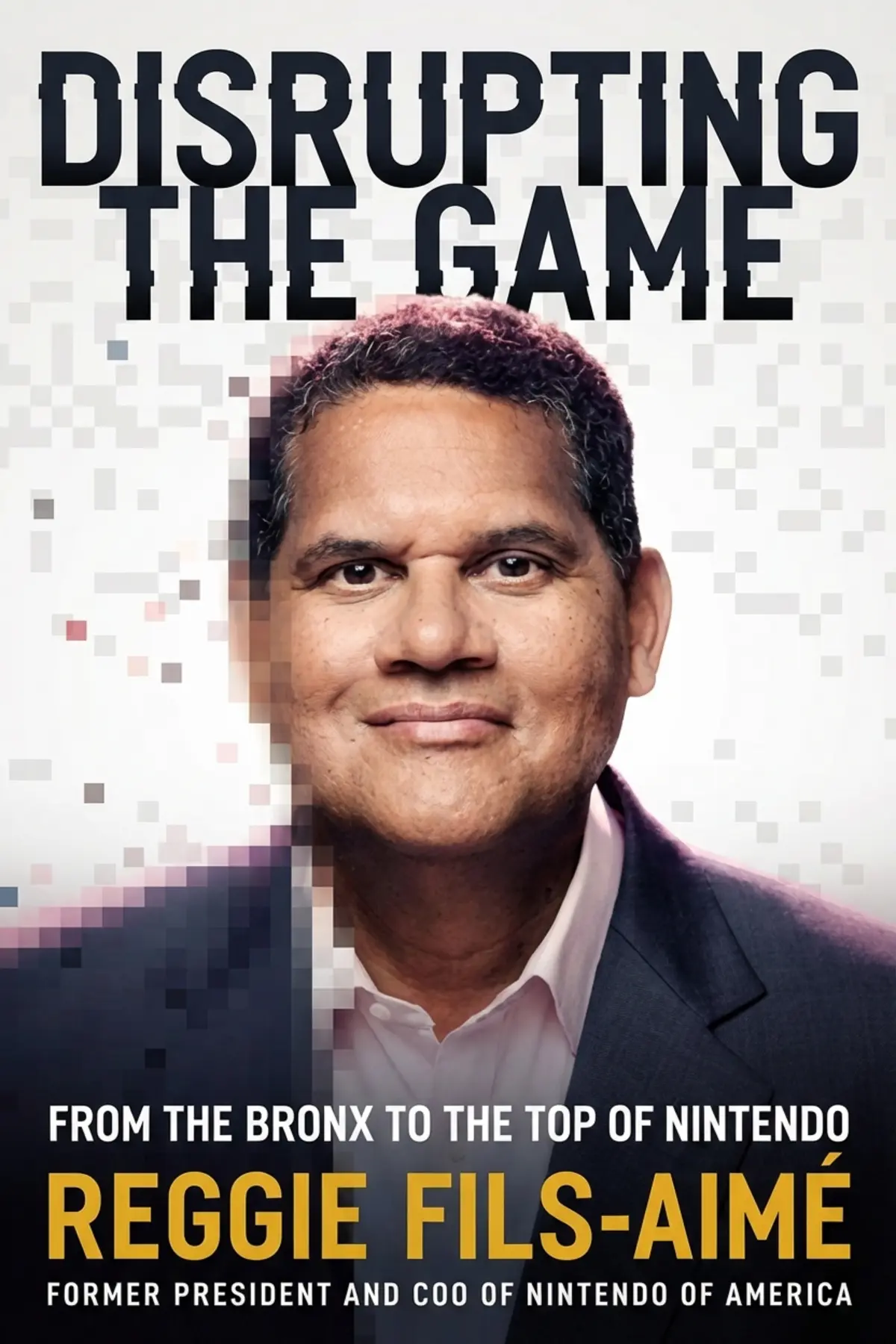
Reggie Fils-Aimé traces his crooked path from a Bronx tenement to the presidency of Nintendo of America. It shows how dropped plans, costly mistakes and jobs that did not fit can prepare you for the role that does.
1 min 01 sec
A career that looks straight from the outside is usually a string of detours seen from far away. In Disrupting the Game, Reggie Fils-Aimé, who grew up in a Bronx tenement and rose to lead Nintendo of America, shows how crooked his own route was. His first useful lesson came before his first real job: he had a careful plan to become a banker, and his smartest move was letting it go.
The memoir’s argument is that people rarely reach the top by the map they drew. Fils-Aimé got there by saying yes to doors he had not planned on, owning his mistakes fast, and leaving roles that kept his ideas small until he found one that welcomed them. If your own path feels stalled or scattered, his story recasts the detours as training. It also offers habits to test this month: winning allies before spending, retiring a favorite project that hurts the brand, and holding firm when you are sure.
1 min 42 sec
A fifth-floor walk-up, a robbery on the way to buy candy, and a father working six days a week. Long before any boardroom, those years handed one future executive the habit that shaped everything after.
1 min 32 sec
A student with a clear road into banking gets an offer from a company famous for producing future chief executives. Saying yes means abandoning everything he had mapped out, and the reasoning behind his choice is worth borrowing.
1 min 34 sec
A young brand manager has a campaign that tests well and a product that badly needs a lift. He is certain he is right, and that certainty is exactly what sinks his standing at the company.
1 min 41 sec
An award-winning pizza brought in close to a billion dollars, and its creator fought to have it scrapped. The reason reveals a trap that catches anyone who judges a product only by this year’s revenue.
1 min 45 sec
Four companies in eight years can look like a warning sign on paper. For one marketer it was a deliberate hunt, and the call that ended it came from a struggling company most people would have avoided.
1 min 51 sec
A touchscreen and a motion controller could bring millions of non-gamers to Nintendo. They could also push away the fans and stores that kept the company alive, unless three things were set exactly right.
1 min 33 sec
After openly overruling his boss on the industry’s biggest stage, an executive walked into a surprise meeting with a defense prepared. The document waiting for him on the other side of the table said something else entirely.
1 min 10 sec
Fils-Aimé’s memoir makes a steady case against the career map. The banking plan he drew at Cornell would never have led to Nintendo. What did lead there was a chain of turns: an offer he had not sought, an overspent budget, a profitable pizza killed by its own creator, four jobs that did not fit, and a phone call in 2003. Each detour taught him something the straight road could not.
The habits that follow from his story are modest and usable. Before you push a bold idea, bring the people who hold the money into your thinking. When a project earns well, ask what it will do to the brand in the years ahead. When a role keeps shrinking your ideas, treat leaving as a sound decision. And when the evidence is on your side, argue your case, even upward.
Remember that meeting in 2006. Reggie walked in carrying a defense, expecting to lose his job. He walked out holding a two-page document with one word on it. Disagreeing with his boss had looked like the biggest risk of his career. It turned out to be the step that made it.
Most career advice assumes you pick a destination and march toward it. Reggie Fils-Aimé's route to running Nintendo of America looked nothing like that. He grew up in a rough part of the Bronx, planned to become a banker, and instead spent years switching brands, companies and industries, making some expensive mistakes along the way. In Disrupting the Game he tells that story and pulls out the lessons each turn taught him. He walked away from banking for a fast track at Procter and Gamble. He overspent a Crisco budget and learned that bold ideas need allies. At Pizza Hut he got leadership to phase out his own product, which brought in almost a billion dollars in revenue, because it was hurting the brand. He kept moving until he found a company hungry for growth, and at Nintendo he helped launch the DS and the Wii and stood up to his boss over what to show the world. Readers get an honest account of a non-linear career and a set of habits they can use: hold plans loosely, win support before spending, judge projects by their long-term effect, leave roles that do not fit, and defend a position when the evidence is on your side.
Early-career professionals whose neat plan is starting to look wrong.
People who have changed jobs several times and wonder whether they are lost or still searching.
Marketers and managers with bold ideas who keep running into budgets, bosses and cautious owners.
Reggie Fils-Aimé joined Nintendo of America in December 2003 as executive vice president of sales and marketing, became president and chief operating officer in May 2006, and retired in April 2019, helping launch the Nintendo DS, the Wii and the Nintendo Switch. Earlier he worked in sales and marketing at Procter and Gamble, Pizza Hut, Guinness, Panda Express and VH1. A Cornell graduate, he later became Cornell's first Dyson Leader in Residence, joined several corporate boards and founded Brentwood Growth Partners.

Listeners find the book captivating and packed with valuable life lessons, featuring individual stories that strengthen the advice. They respect the sharp business insights and see it as a motivating listen, with one listener mentioning it is ideal for disruptors. However, the overall content draws a variety of reactions from listeners.
Reggie Fils-Aimé delivers a compelling narrative that bridges the gap between high-level executive strategy and personal growth. His story, starting from humble beginnings at P&G to the pinnacle of Nintendo of America, serves as a masterclass for anyone aiming to shake up their industry. Frankly, the 'disruptor' mindset he champions is exactly what modern business needs right now. While some might find the 'So What' summaries at the end of chapters a bit repetitive, I found them to be useful anchors for the broader themes of leadership and resilience. The book captures the high-stakes pressure of the Wii launch perfectly, making it a must-read for gamers and aspiring leaders alike. It’s not just about video games; it’s about having the courage to make decisions that go against the grain. If you want to understand how a brand can be revitalized through bold moves, this is your guide.
Show moreWow. This isn't just a gaming book; it's a blueprint for navigating corporate landscapes while maintaining your unique voice. Reggie managed to combine his passion for gaming with a drive that completely changed the trajectory of Nintendo in the West. I found the stories about his early career just as engaging as the Nintendo years because they showed the foundation of his leadership style. The truth is, many people in business play it safe, but this book encourages you to be a disruptor in your own right. Each chapter felt like a personal coaching session from a guy who has actually been in the trenches. It is inspiring, well-written, and filled with practical wisdom that applies far beyond the world of consoles. Highly recommended for anyone looking to make a meaningful impact in their career.
Show moreEver wonder how the decision to bundle Wii Sports actually happened? This book provides a fascinating look into those pivotal moments where Reggie had to push back against the status quo in Japan. I appreciated his business acumen and the way he explains the logic behind regional pricing and marketing tactics. To be fair, the book leans quite heavily into 'business memoir' territory, which might feel a bit dry if you were expecting a gossipy tell-all about Nintendo. The structure is very organized, reflecting his corporate background, and while the advice can be a bit broad, it’s grounded in real-world success. It’s a solid, quick read that offers a unique perspective on the 2004-2019 era of gaming. I did wish for a bit more detail on the Wii U failures, but the success stories are undeniably engaging.
Show moreAs a lifelong Nintendo fan, I found this peek behind the curtain of the 'Regginator' persona to be quite enlightening. The book does a great job illustrating how he navigated the complex organizational structure of Nintendo of Japan while trying to modernize the American branch. It’s clear that his background at P&G and Pizza Hut gave him a different edge compared to other gaming execs. I personally enjoyed the sections where he discussed the tension over marketing the Nintendo DS, as it showed the grit required to lead. While the 'So What' takeaways can feel a bit like a management seminar, they provide a clear window into his decision-making process. The book is concise and doesn't overstay its welcome. It’s a respectable addition to any gamer’s library, even if it feels a bit self-aggrandizing at certain points.
Show moreThe chapter detailing the regional pricing of the DS and Wii was a major highlight for me, showing the logistical nightmares of a global launch. Reggie’s writing is very direct and professional, which makes the book easy to digest in just a few sittings. Not gonna lie, I was surprised by how much I enjoyed the non-gaming anecdotes from his time at VH1 and other companies. These sections reinforced his message about being adaptable and always looking for the next big disruption. My only real gripe is that the book feels a bit too conservative in its criticisms of Nintendo’s corporate culture. It would have been interesting to see a bit more 'kicking ass and taking names' in the prose itself. Still, it’s a solid 4-star read for the historical context it provides for the industry’s most successful years.
Show morePicked this up expecting a corporate slog, but was pleasantly surprised by the heart buried under the business jargon. Reggie’s passion for the Nintendo brand is undeniable, and his stories about the DS reveal show a vulnerability we didn't often see on stage. The book effectively communicates how he used his position to advocate for the American consumer, sometimes against the wishes of the home office in Japan. Personally, I think the advice on career pivots is the strongest part of the text. It’s a great gift for a college grad or someone looking to break into the tech industry. The pacing is quick, though the interruptions for business takeaways can break the flow of the narrative. Overall, it’s a very professional and insightful look at a legend’s career path.
Show moreGrowing up watching Nintendo Directs, I always saw Reggie as a larger-than-life character, so reading his matter-of-fact account was quite grounded. He is a great salesman, and that definitely shows in the narrative—he knows how to frame his wins effectively. The book is unexceptional as a literary work, but as a piece of gaming history, it’s quite valuable for understanding the Wii era. I appreciated the brief glimpses into his personal life and the challenges he faced as a person of color rising through the ranks of corporate America. Some details feel left out, and the tone is very reserved, but the core message of disruption remains powerful. It’s a quick, fun read that gives you a better sense of the man behind the memes. Definitely worth your time if you're into the industry.
Show moreFinally finished the audiobook version, and I have mixed feelings about the overall experience. Reggie has such a commanding presence in Nintendo Directs, but his narration here feels strangely halting and disconnected from the text. At times, it felt like he was reading a resume rather than sharing a life story, which made it hard to stay immersed. The content itself is a mix of interesting Nintendo history and fairly trite business advice that you’ve likely heard elsewhere. Look, I love the guy, and the final interview with Geoff Keighley was incredibly heartfelt, but the main chapters lacked that same level of raw authenticity. It feels a bit too polished and reserved for my taste. If you're a die-hard Nintendo fan, it’s worth a look for the DS reveal stories alone, but don't expect a deep emotional dive.
Show moreTo be fair, the business lessons here aren't exactly revolutionary or unique. Phrases like 'learn from your mentors' are standard fare in any self-help book, and the 'So What' segments often felt like fluff. However, if you view this primarily as a memoir of a gaming icon, there is plenty of value to be found. Reggie is a surprisingly likable narrator when he discusses his personal stakes and his relationship with Satoru Iwata. I gained a new appreciation for the tricky decisions regarding indie games and third-party developers during his tenure. It’s a fun overview of a specific era, even if it lacks the hard-hitting revelations some fans were clamoring for. It’s a bit of an average business book wrapped in a very cool Nintendo-themed cover. Good for a quick skim.
Show moreThis book struggles with its identity, oscillating between a dry business manual and a surface-level autobiography without ever fully committing to either. It often feels like an extended resume designed to highlight successes while glossing over the messy complexities of the Wii U era. Truth be told, I was hoping for more authentic stories about the internal friction at Nintendo, but much of the content feels sanitized for a corporate audience. The writing style is concise, yet it lacks the emotional depth needed to make Reggie’s personal journey truly resonate. Those looking for deep industry secrets will be disappointed by the somewhat shallow advice offered in the takeaway sections. It is an okay read for a plane ride, but it fails to leave a lasting impact compared to other gaming histories. Not what I expected from such a vibrant personality.
Show moreIt is Fils-Aimé’s account of his rise from a rough Bronx neighborhood to president and chief operating officer of Nintendo of America. He follows his path through Cornell, Procter and Gamble, Pizza Hut and several other companies, and draws a lesson from each turn, from dropping his banking plan to standing up to Nintendo’s global president over which games to showcase.
He argues that plans are useful but should give way to a compelling opportunity, that bold ideas need support from decision-makers before money is spent, and that the long-term health of a brand matters more than a short-term win. He also says to leave a role that does not fit, and to hold your position when you are sure you are right.
Bigfoot Pizza was a large rectangular pizza he championed at Pizza Hut in the early 1990s to compete on price with Little Caesars. It won an innovation award and earned close to a billion dollars, but it often came out burnt or soggy. Market research showed it was damaging how customers saw Pizza Hut, so he persuaded leadership to phase it out.
It suits people early in their careers, people who have switched jobs or industries and worry their path looks scattered, and marketers or managers whose ambitious ideas meet resistance. Fans of Nintendo will also enjoy the inside view of how the DS and Wii were positioned to reach players who had never gamed before.
Start small. Before pushing a bold idea at work, identify who controls the budget and bring them into your thinking early, the step Fils-Aimé skipped with Crisco. Ask what your most profitable project does to your reputation over time. List the conditions you need in a role and test offers against them. When sure of your case, state it plainly to your boss.
Margaret Heffernan

Masaji Ishikawa


Ben Macintyre




James Shapiro


AUDIO SUMMARY AVAILABLE
Get the key ideas from Disrupting the Game by Reggie Fils-Aimé, plus 5,000+ more nonfiction titles.









